The Art of Hiding Vegetables in Food: Creative Recipes for Nutritious Meals
Introduction
In today’s fast-paced world, it’s no secret that many people struggle to incorporate enough vegetables into their diets. However, with the increasing awareness of the importance of a balanced and nutritious diet, parents, chefs, and individuals alike are on the lookout for creative ways to sneak vegetables into meals. This article delves into the art of hiding vegetables in food, providing a collection of recipes that are both delicious and nutritious. By the end, you’ll discover how to make your meals more colorful and healthful without sacrificing taste.
The Importance of Vegetables in Our Diet
Vegetables are an essential component of a healthy diet, offering a wide range of vitamins, minerals, and antioxidants. They are low in calories and high in fiber, making them perfect for weight management and overall health. According to the Centers for Disease Control and Prevention (CDC), adults should consume at least 2.5 cups of vegetables per day, while children’s requirements vary based on age, sex, and activity level.

Strategies for Hiding Vegetables in Food
1. Purees and Sauces
One of the most effective ways to hide vegetables in food is by pureeing them and using them as sauces or bases for dishes. For example, pureed carrots can be added to macaroni and cheese, while pureed spinach can be mixed into tomato sauce for pasta. This method ensures that the vegetables are well-disguised, yet their nutritional benefits are retained.
2. Grated Vegetables
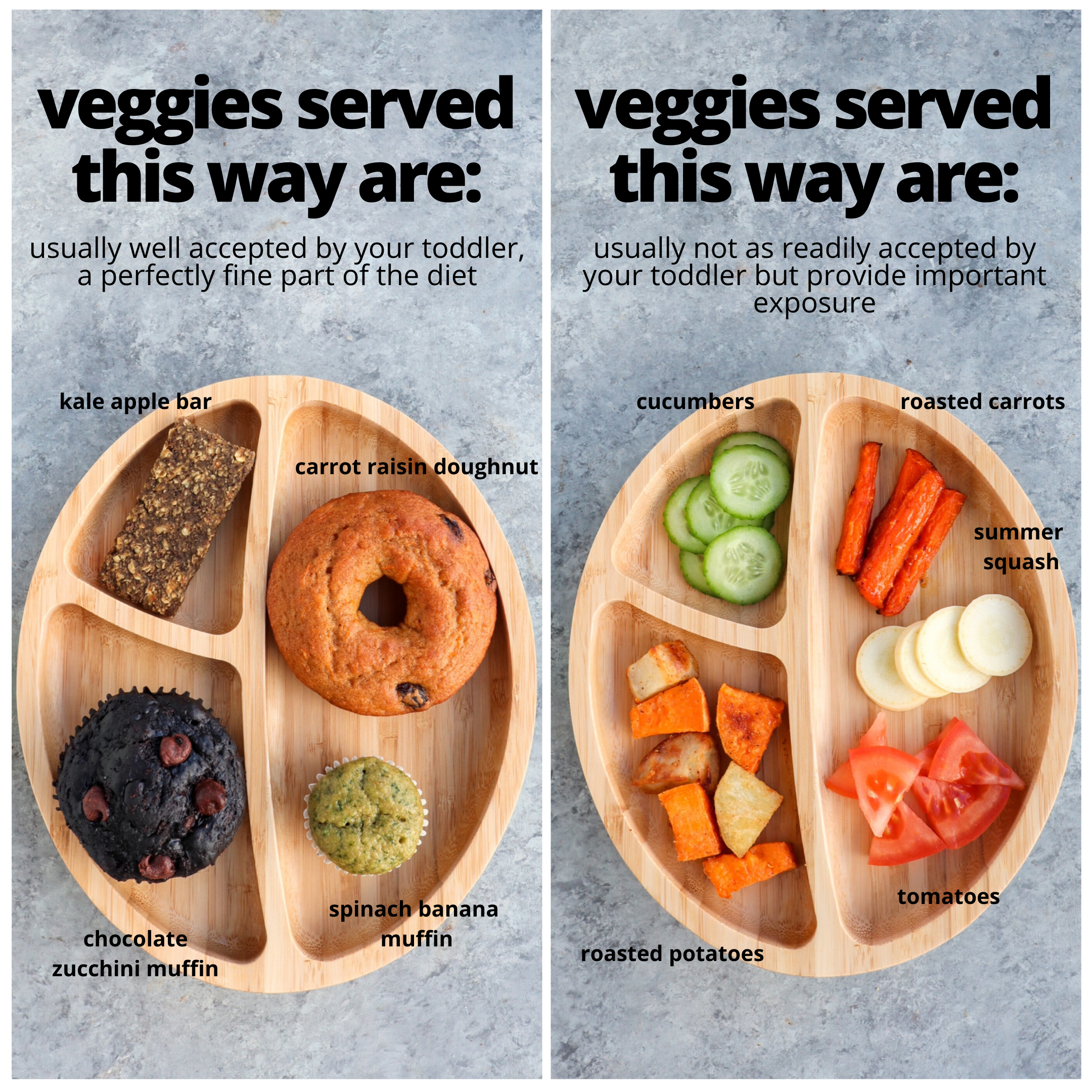
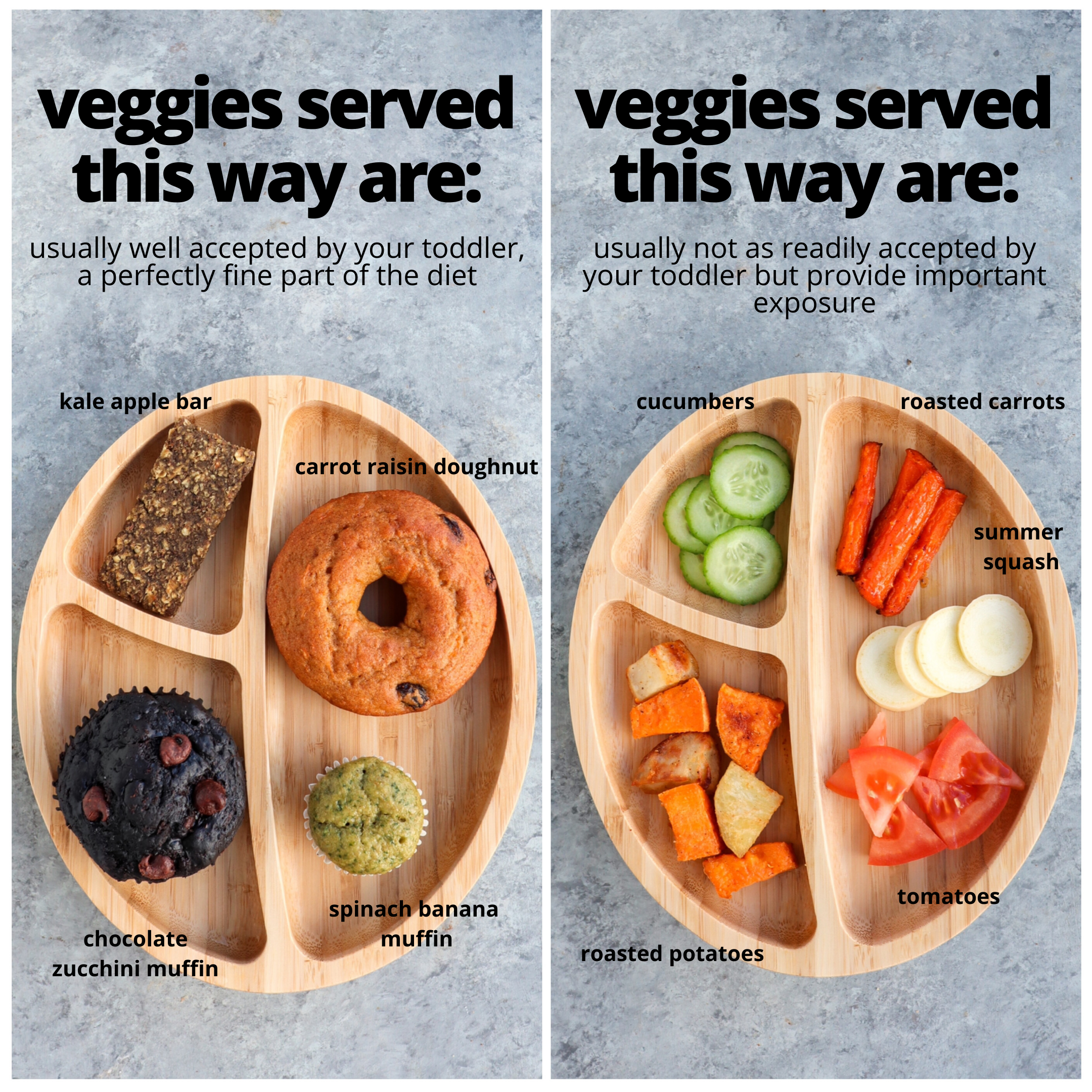
Grating vegetables and incorporating them into dishes is another excellent way to sneak them in. For instance, grated zucchini can be added to pancakes, muffins, and bread, while grated carrots can be mixed into meatloaf or meatballs. This method is particularly useful for children who may be picky eaters.

3. Blending Vegetables into Smoothies
Smoothies are a fantastic way to consume vegetables without even noticing them. By blending a variety of fruits and vegetables, you can create a delicious, nutritious drink that the entire family will enjoy. Adding spinach, kale, or other leafy greens to smoothies is a great way to increase your vegetable intake.
Popular Recipes for Hiding Vegetables in Food
1. Hidden Vegetable Muffins
These muffins are perfect for breakfast or as a snack. Simply mix pureed spinach or zucchini into the batter, and no one will be able to tell the difference. The best part? They’re delicious and nutritious!
2. Vegetable Lasagna
By adding pureed carrots, spinach, and mushrooms to the lasagna sauce, you can create a flavorful dish that’s packed with vegetables. This recipe is sure to satisfy even the pickiest eaters.
3. Hidden Vegetable Smoothie
This smoothie combines a variety of fruits and vegetables, including spinach, banana, and cucumber, to create a refreshing and nutritious drink. It’s a great way to start the day or as a healthy snack.
The Benefits of Hiding Vegetables in Food
1. Increased Vegetable Intake
By incorporating vegetables into dishes in a creative and stealthy manner, you can help ensure that your family or guests consume a greater amount of vegetables without even realizing it.
2. Improved Nutritional Value
Hiding vegetables in food can significantly increase the nutritional value of meals, making them more balanced and healthful.
3. Encouraging Healthy Eating Habits

Teaching children to enjoy vegetables from a young age can help them develop healthy eating habits that will last a lifetime.
Conclusion
The art of hiding vegetables in food is a valuable tool for anyone looking to increase their vegetable intake or encourage healthy eating habits. By using creative recipes and strategies, you can make nutritious meals that are both delicious and satisfying. So, go ahead and experiment with these recipes, and enjoy the benefits of a well-rounded, balanced diet.
Future Research Directions
As the importance of a healthy diet continues to grow, further research on the best methods for hiding vegetables in food is essential. This includes exploring new recipes, identifying the most effective strategies for different age groups, and determining the optimal balance of vegetables to ensure maximum nutritional benefits. By doing so, we can help more people incorporate the recommended amount of vegetables into their daily meals.