

The Art and Science of Cooking: A Journey Through Flavor
Cooking, practiced for millennia, is far more than a daily chore; it is a creative craft, a precise science, and a mirror of culture. Across generations, techniques and tastes have shifted with trade, technology, and lifestyle changes. This overview invites you to wander through the essentials of the kitchen, from foundational skills to today’s most talked-about movements.
Foundations in the Kitchen
Every dish begins with raw produce that is cleaned, cut, seasoned, and exposed to heat, acid, or time. Mastering a handful of core ideas—balance of flavor, control of temperature, and timing—turns instinct into reliable skill.
Core Components
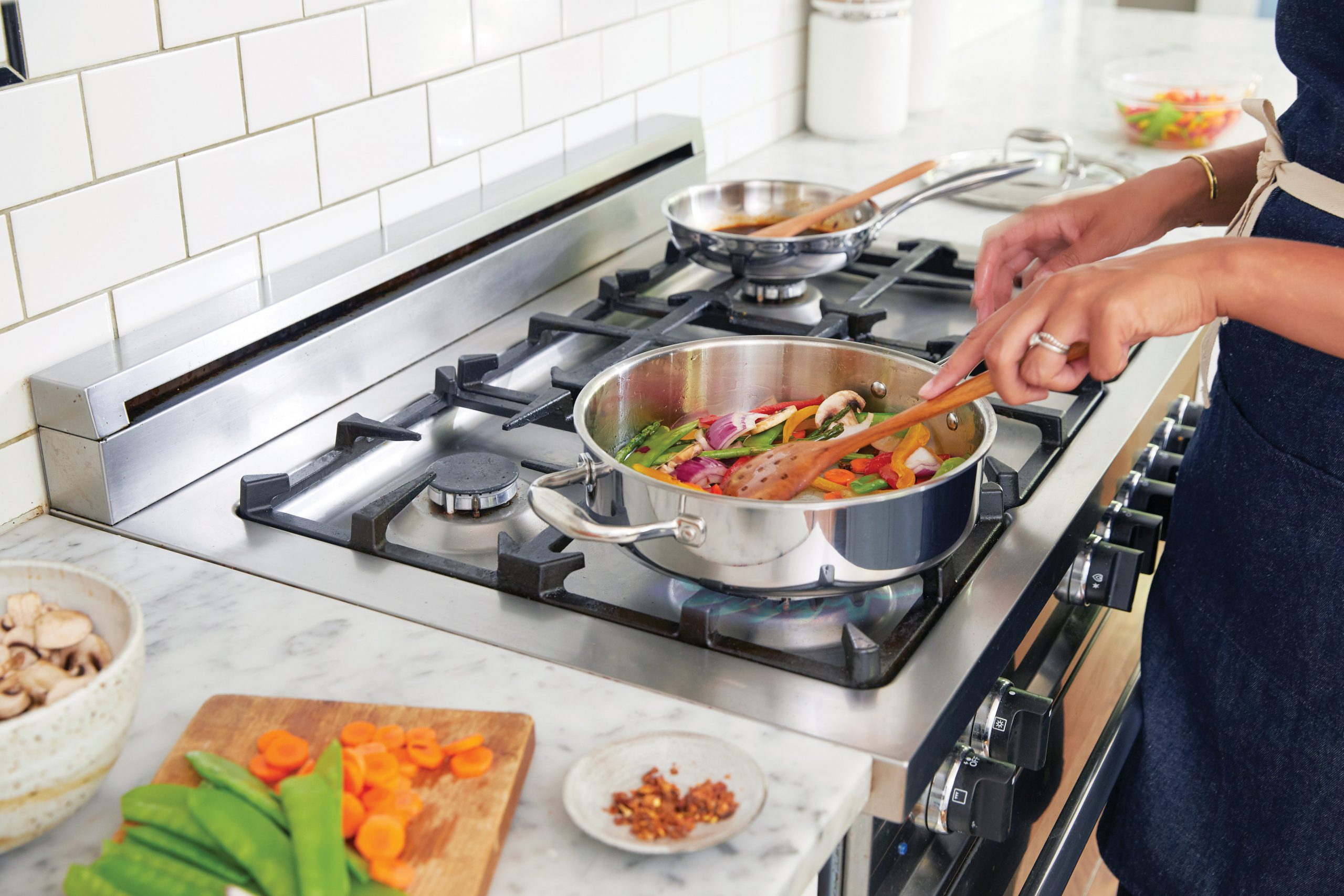
Whole foods fall into four broad groups that work together to build taste, texture, and nourishment.
Proteins
Proteins such as beans, lentils, eggs, fish, or poultry supply amino acids and satisfying heartiness. Gentle, even heat keeps them tender and safe to eat.
Carbohydrates
Carbohydrates—grains, tubers, fruits—fuel the body and add body to a plate. A mix of quick and slow sources keeps energy steady and menus varied.
Fats
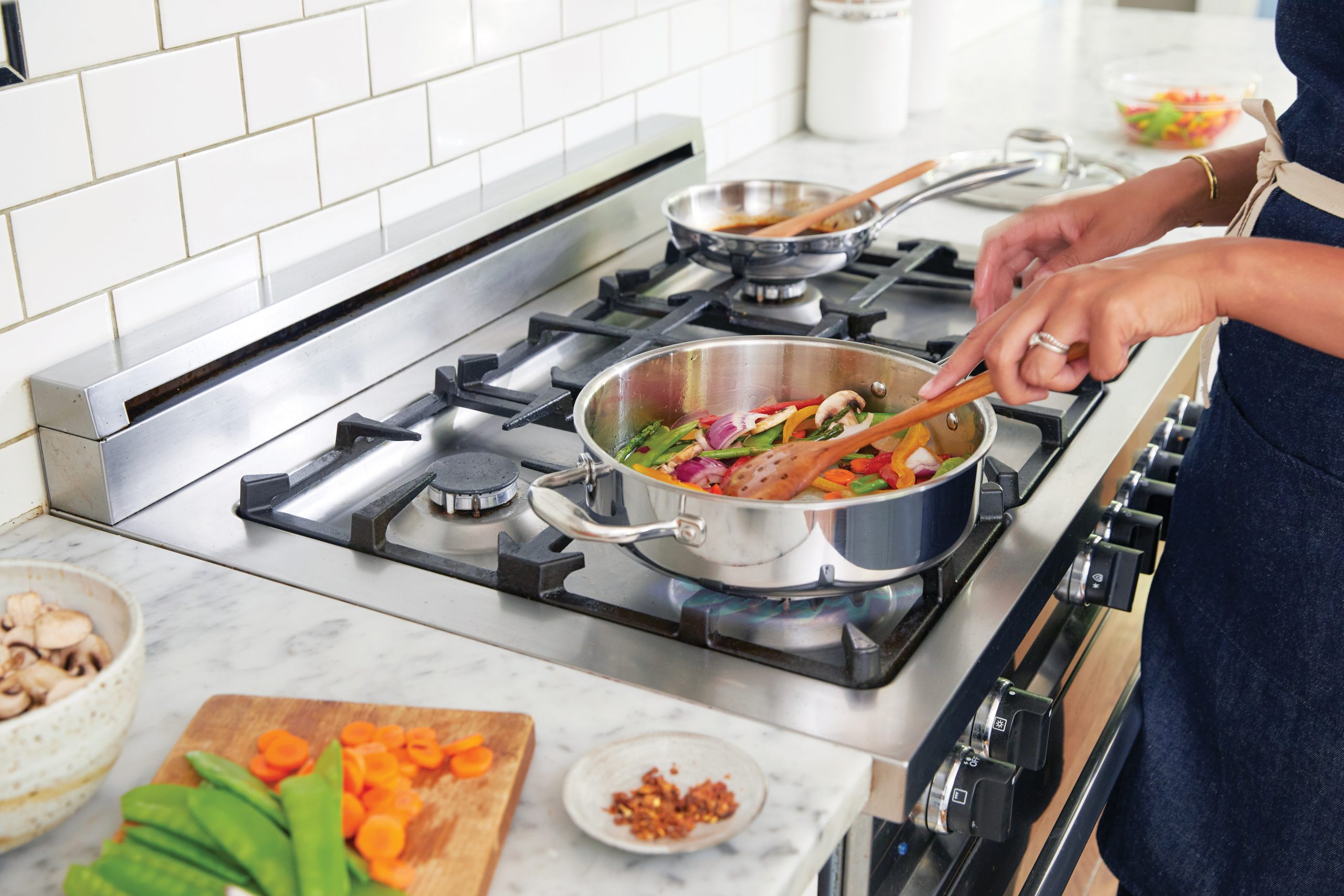
Fats like olive oil, avocado, or seeds carry flavor, aid vitamin absorption, and create crave-worthy textures. A light hand preserves both health and harmony.
Vegetables
Vegetables deliver color, crunch, and micronutrients. Quick steaming or flash-sautéing often locks in brightness, while slow roasting deepens sweetness.
Common Techniques
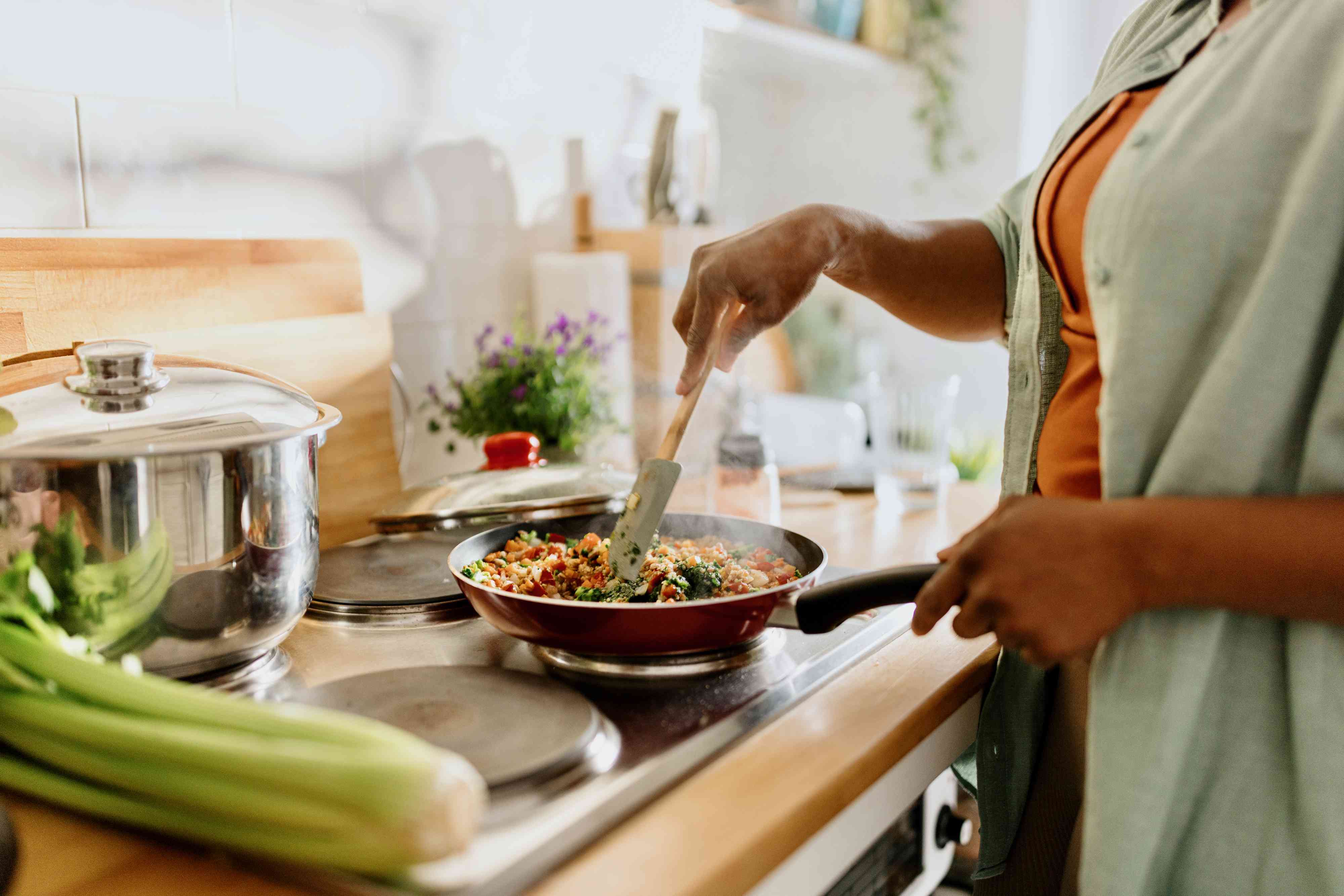
How heat meets food decides the final character of a meal. Below are widely used approaches, each with distinct strengths.
Boiling
Boiling cooks food rapidly in bubbling water. It is ideal for pasta, sturdy greens, and legumes, though prolonged immersion can dull color and leach vitamins.
Baking
Baking surrounds food with steady, dry heat. Breads rise evenly, casseroles set gently, and fruits soften without scorching.
Roasting
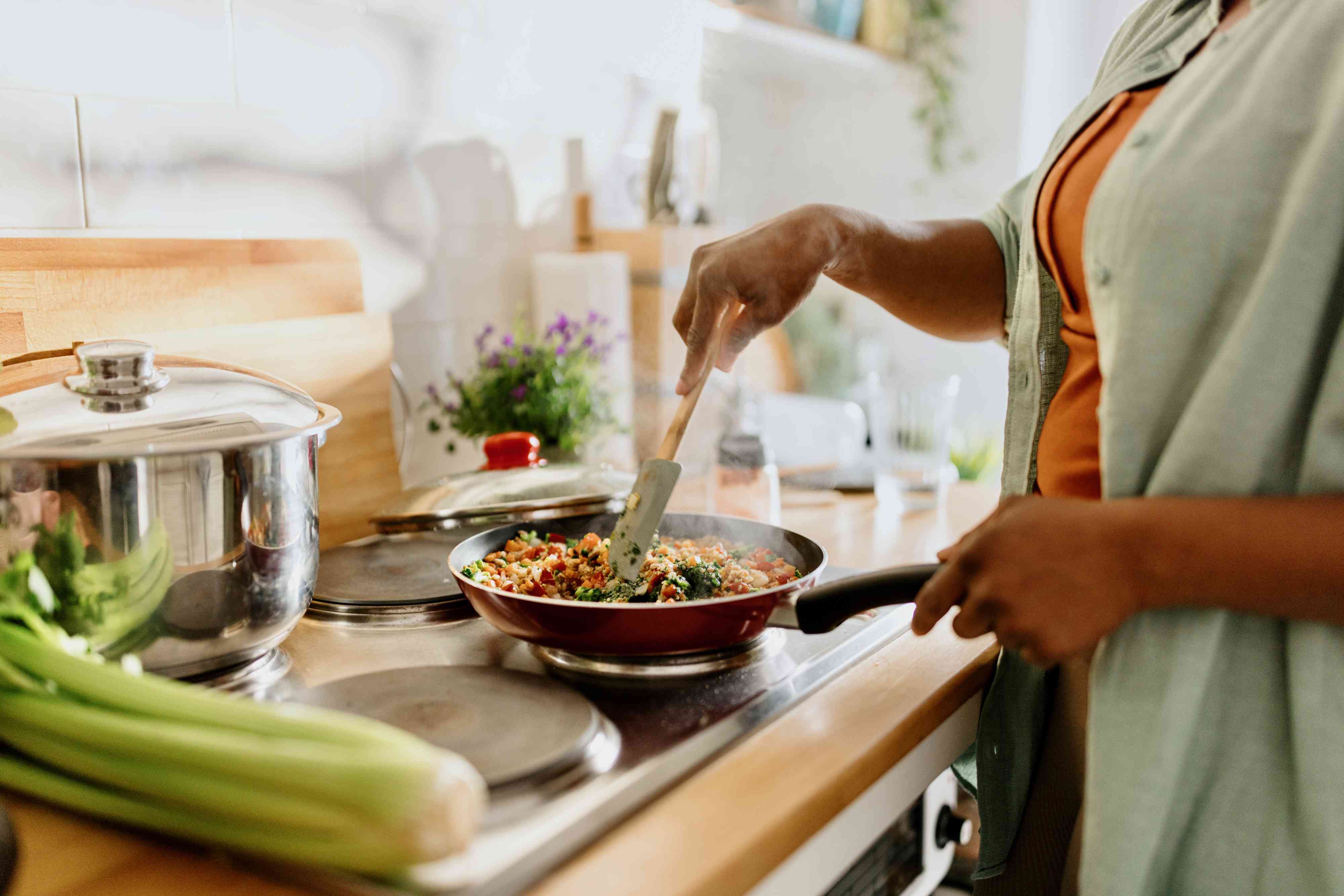
Roasting uses high, dry heat to brown surfaces while keeping interiors moist. Root vegetables caramelize and poultry skin turns crisp under this method.
Frying
Frying transfers energy through hot oil, sealing exteriors in seconds. Maintaining the correct temperature limits excess absorption and keeps results light.
Grilling
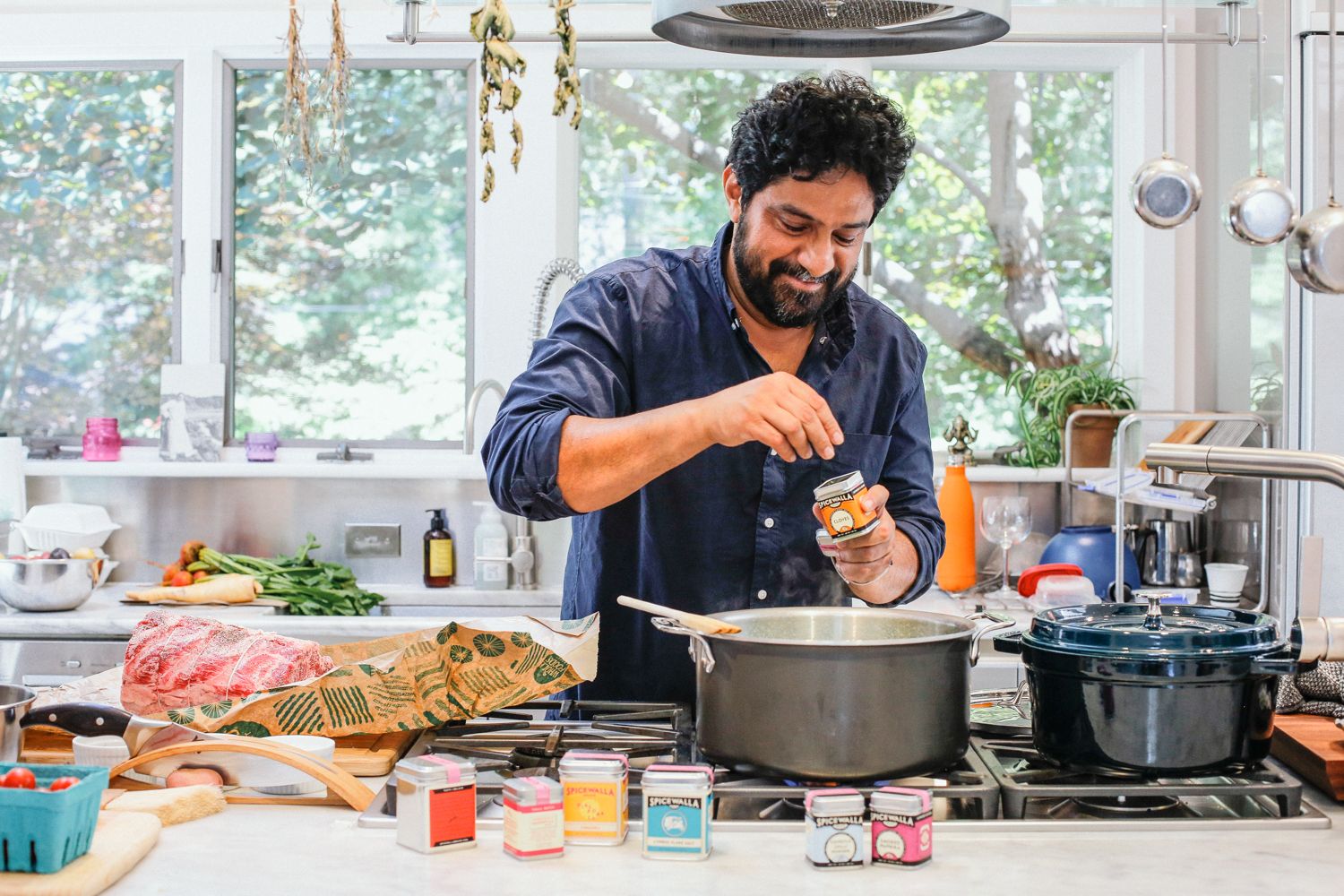
Grilling cooks over radiant heat or live coals, lending smoky notes and attractive char marks to plant or animal foods alike.
The Science Behind the Sizzle
Understanding a few scientific principles helps any cook troubleshoot and innovate with confidence.
Heat Movement
Heat travels in three ways: direct contact, moving air or liquid, and invisible waves. Recognizing which dominates a method guides temperature and timing choices.
Conduction
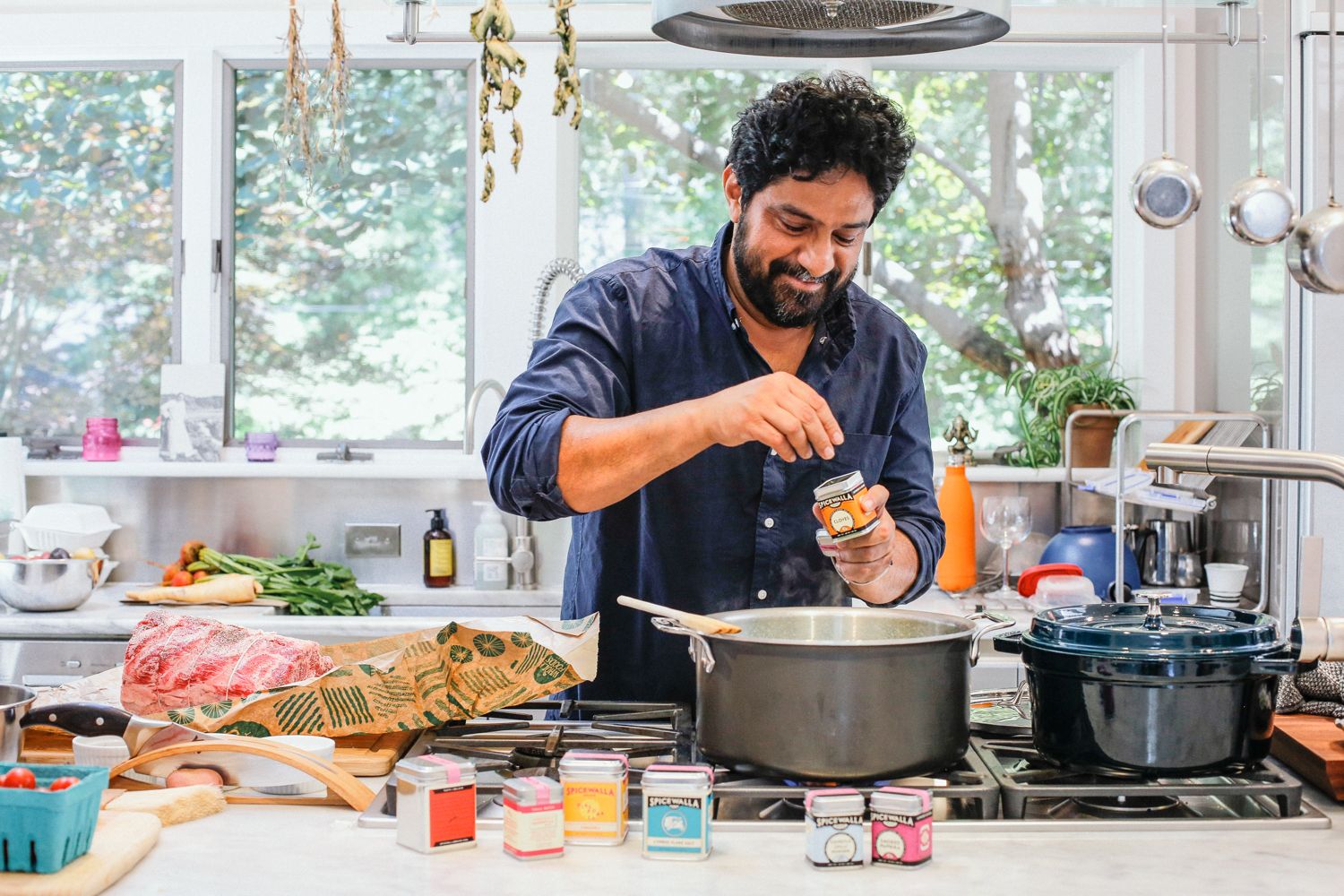
Conduction moves heat through physical touch. A skillet face touching the burner is a classic example, searing the surface of whatever lies above.
Convection
Convection circulates heat via fluids—think of simmering broth rolling ingredients gently for even tenderness.
Radiation
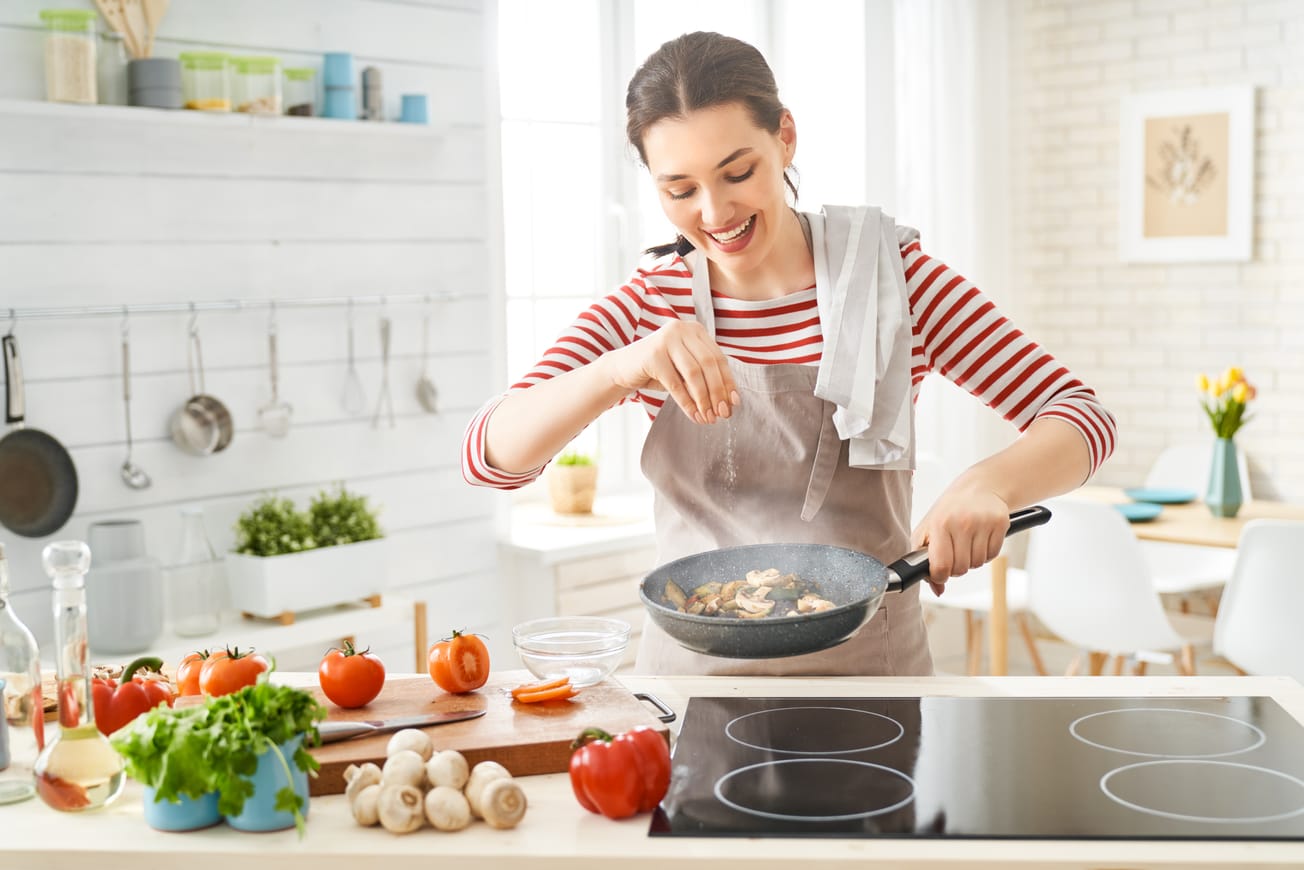
Radiation delivers energy as waves. Broilers and glowing coals brown food without needing direct contact, perfect for quick finishing.
Key Reactions
Beyond physics, chemistry shapes flavor. Two reactions deserve special attention for the aromas they unlock.
Maillard Reaction
The Maillard reaction marries amino acids and sugars under heat, painting bread crusts and steak surfaces with complex, nutty savoriness.
Caramelization
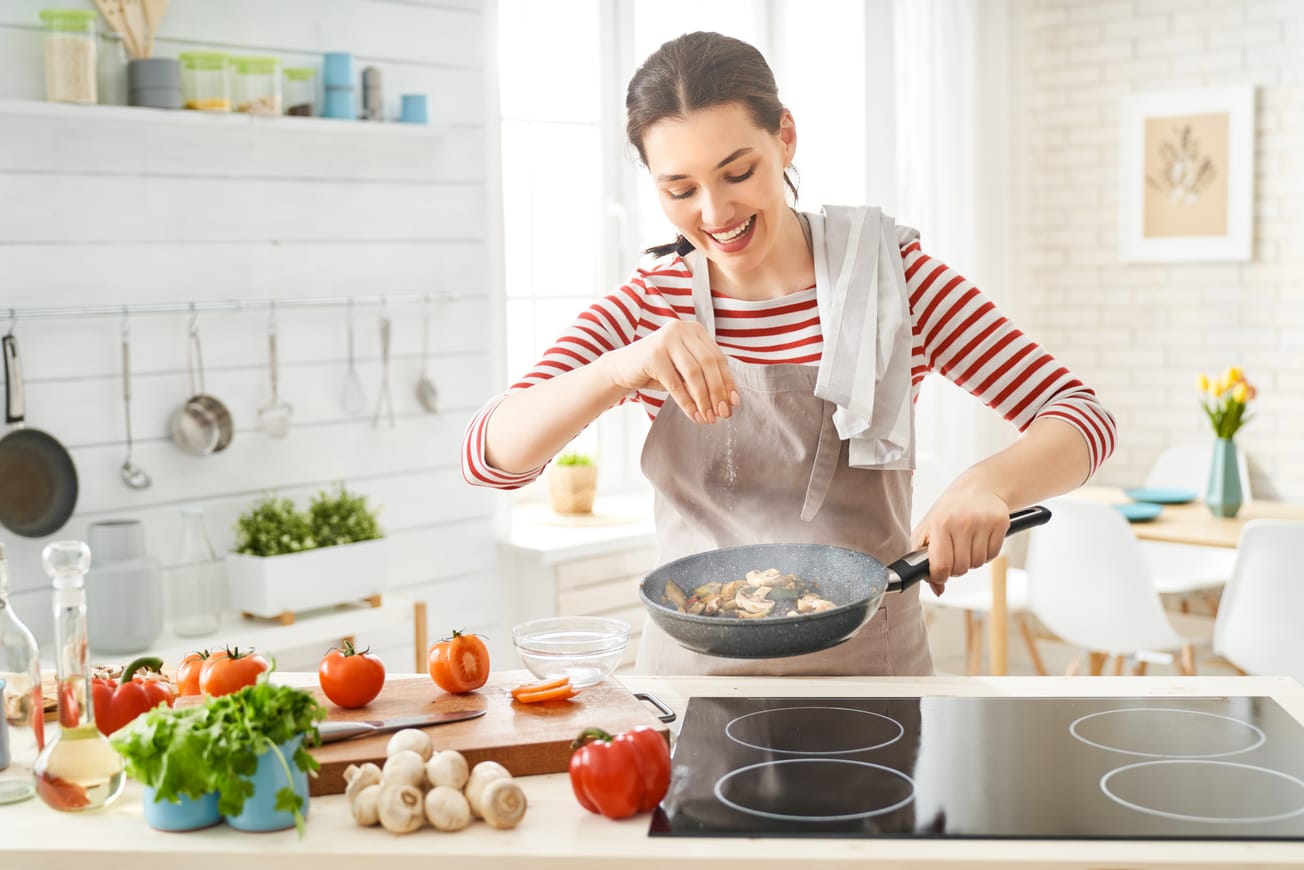
Caramelization breaks down sugars alone, yielding deep color and bittersweet notes in onions, carrots, or the top of a crème brûlée.
Current Movements
Modern cooks continue to rewrite the rulebook, inspired by health insights and cross-cultural curiosity.
Plant-Forward Menus
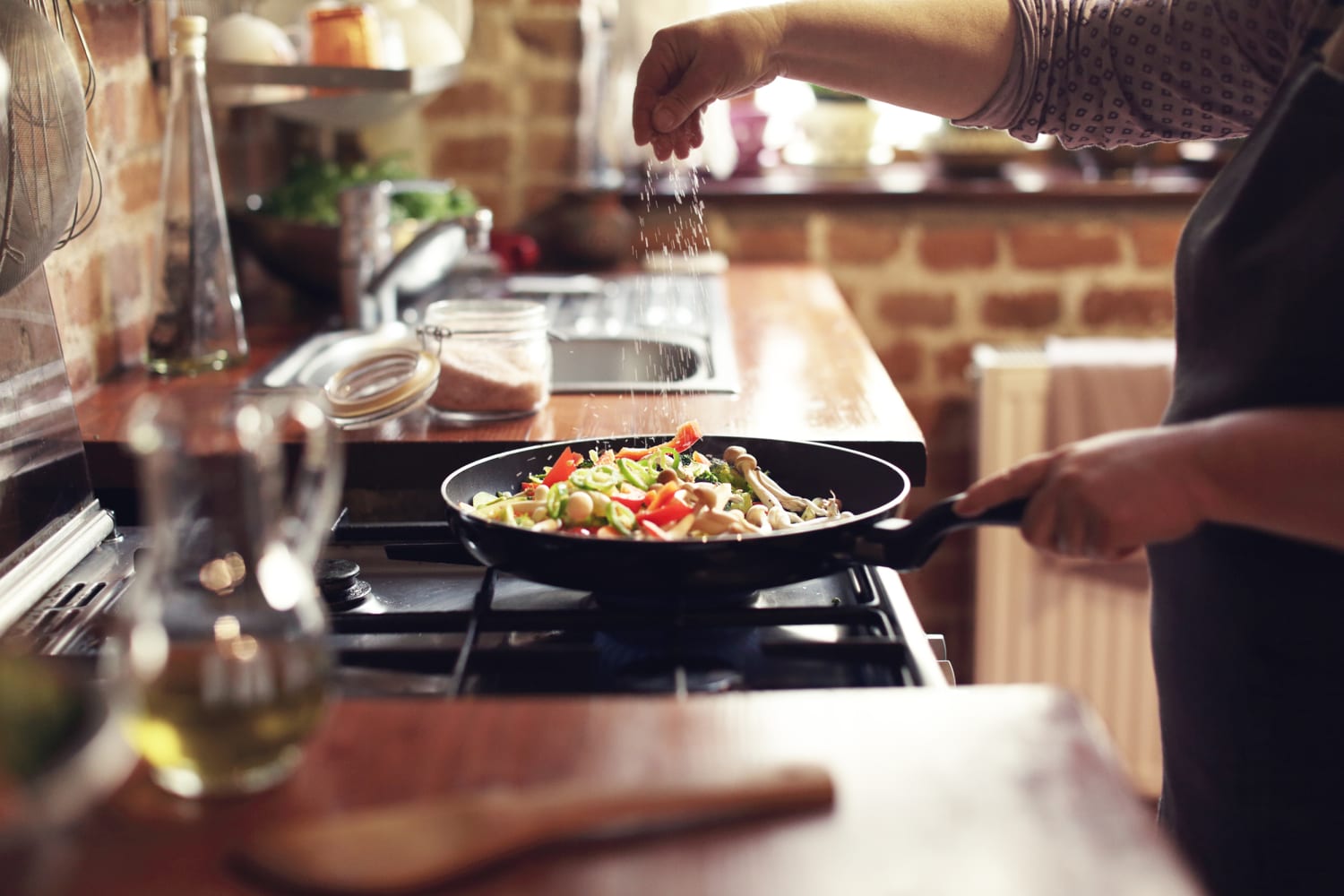
More diners now lean toward vegetables, pulses, and grains as plate centers. Chefs respond with creative mains where meat becomes garnish or disappears entirely.
Fermentation Revival
Fermentation, one of the oldest preservation tricks, is trending anew. Live-culture foods like kimchi, kefir, and pickled beets add tang and possible probiotic benefits.
Global Mash-Ups
Ingredients and seasonings travel faster than ever, encouraging playful fusion. Corn tortillas may meet Korean spice, while Italian pasta absorbs Thai herbs, birthing fresh classics.
Final Thoughts
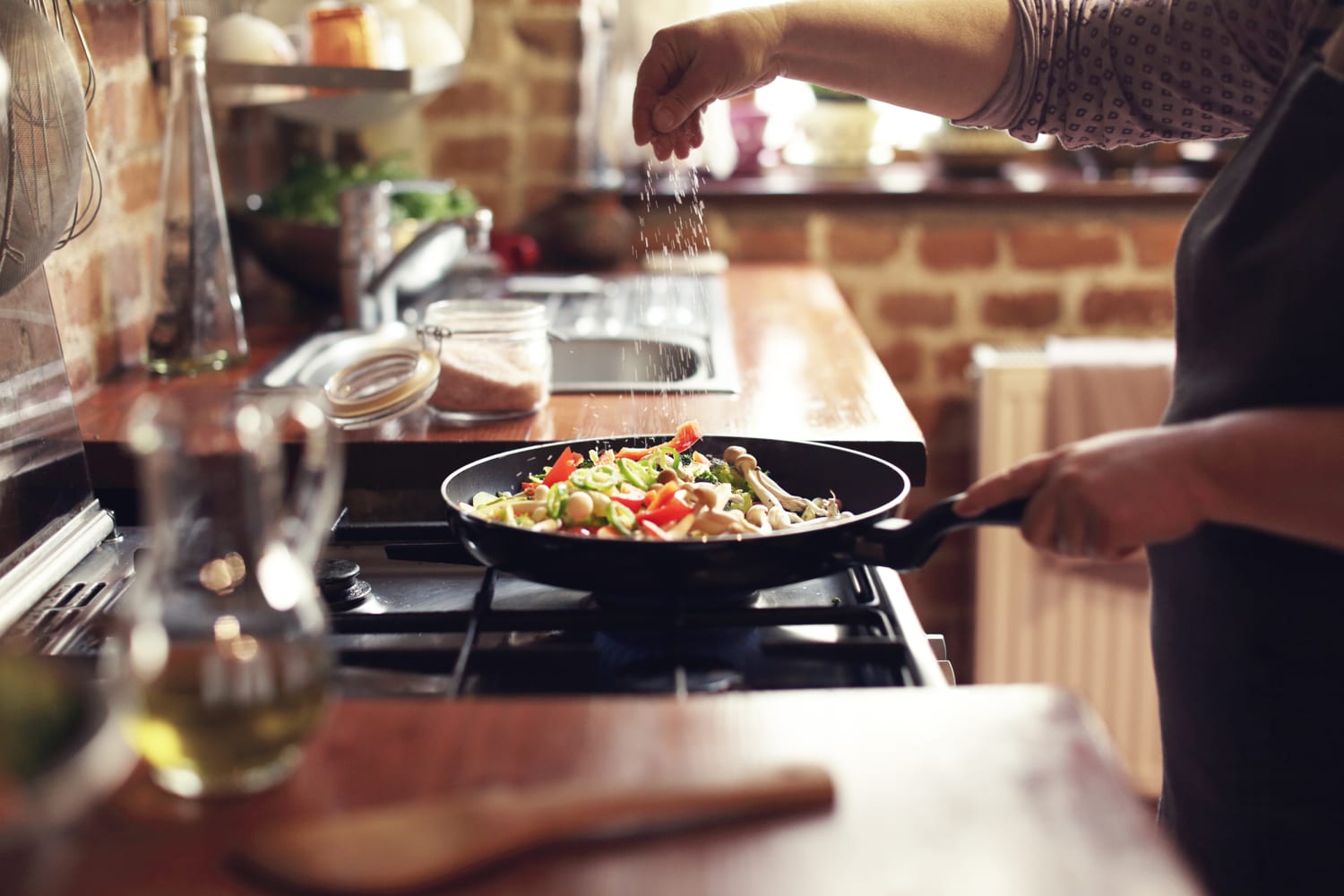
Cooking sits at the intersection of creativity, precision, and shared heritage. By grasping basic building blocks, the science that governs them, and the trends reshaping plates today, anyone can step confidently into the kitchen. Whether preparing a weekday supper or an elaborate feast, the act of cooking remains an open invitation to explore, adapt, and savor.


