

Cooking Creatively with What’s Already in Your Kitchen
Introduction
Great meals often begin with curiosity rather than a shopping list. When you open the fridge or pantry and wonder what can be made from what’s already there, you unlock a more playful, sustainable way to cook. This guide walks you through simple steps to turn everyday staples into satisfying dishes while cutting down on waste.
Know What You Own
Before you search for recipes, take stock of what you have. A quick audit helps you see possibilities instead of limitations and prevents forgotten items from languishing in the back of the shelf.
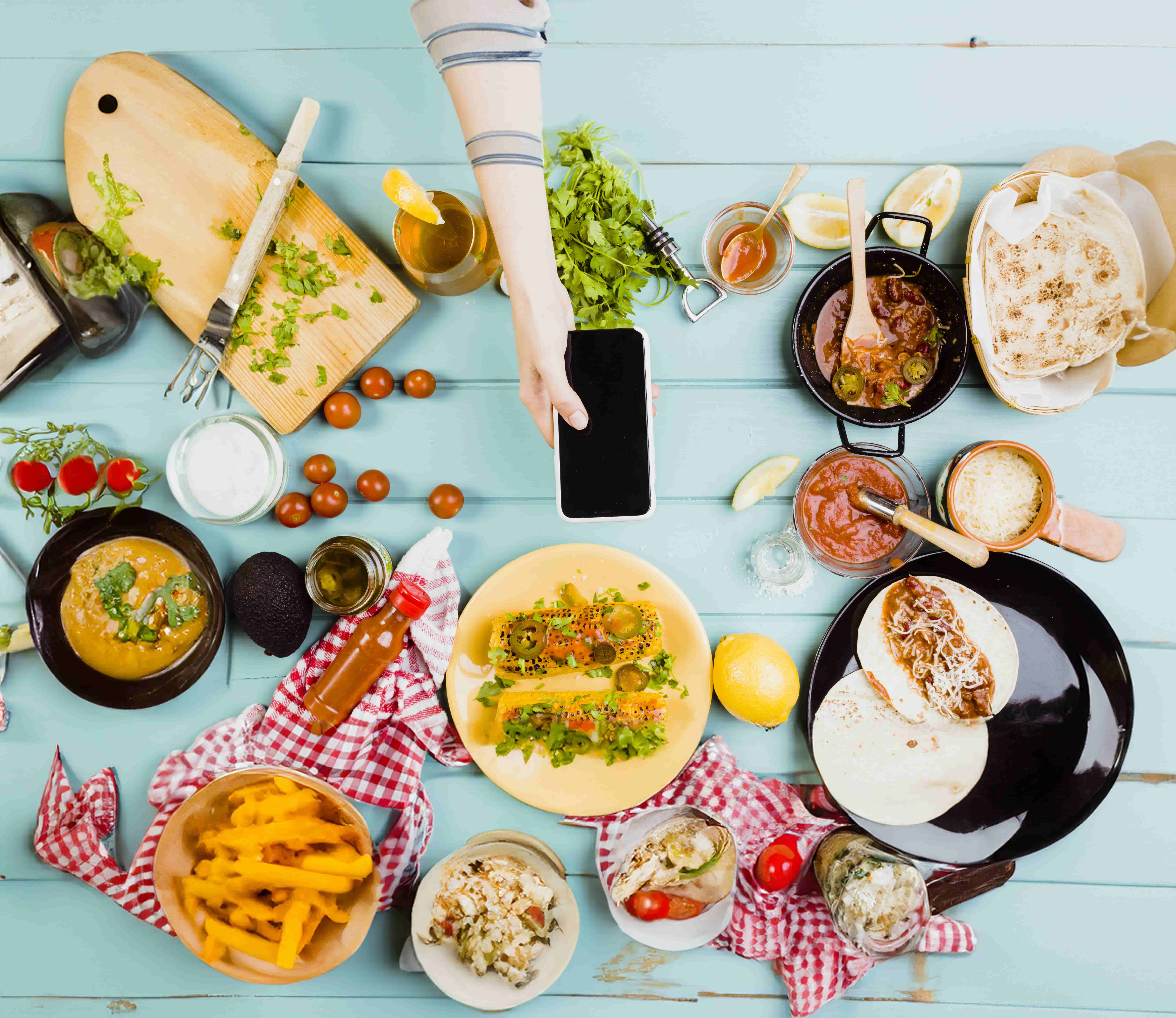
1. Pantry Snapshot
Write down dry goods, canned items, spices, and anything in the freezer. Group similar foods together so you can spot flavor themes—Latin, Mediterranean, Asian, or comfort-food classics.
2. Star Players
Pick two or three ingredients that will drive the dish. A can of chickpeas, a bag of rice, or a single bell pepper can each become the center of a meal if you let them shine.
3. Fresh Check

Look at produce first; use anything that is close to turning. Slightly soft tomatoes roast beautifully, and wilted greens revive in hot soup or pasta.
Recipe Hunting
With your list in hand, choose any of these quick methods to spark ideas.
1. Smart Search Bars
Type three ingredients into any major recipe site and add the word “easy.” You will instantly see photos and ratings that help you decide what sounds appealing.
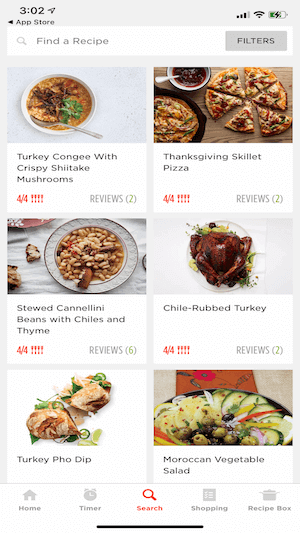
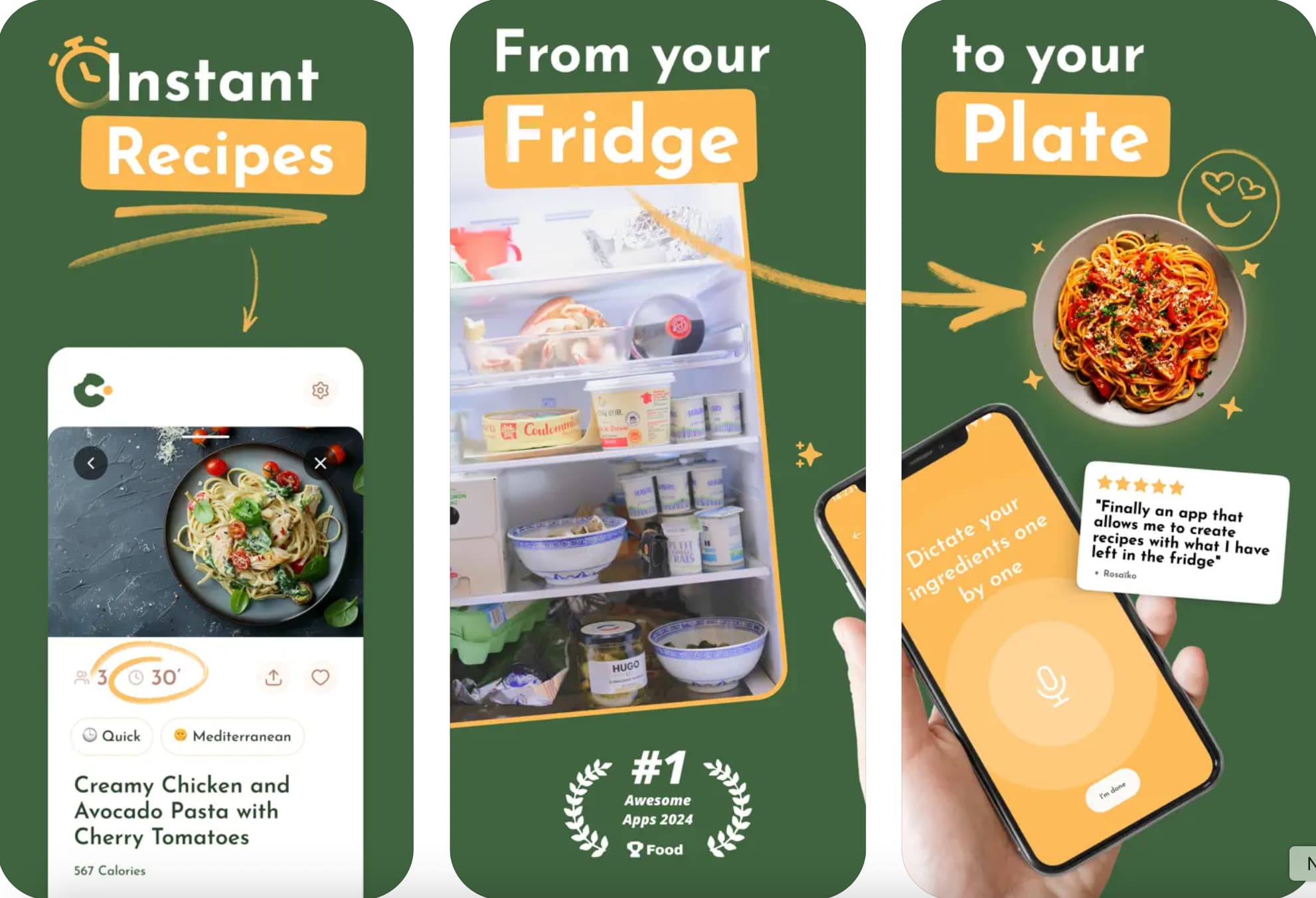
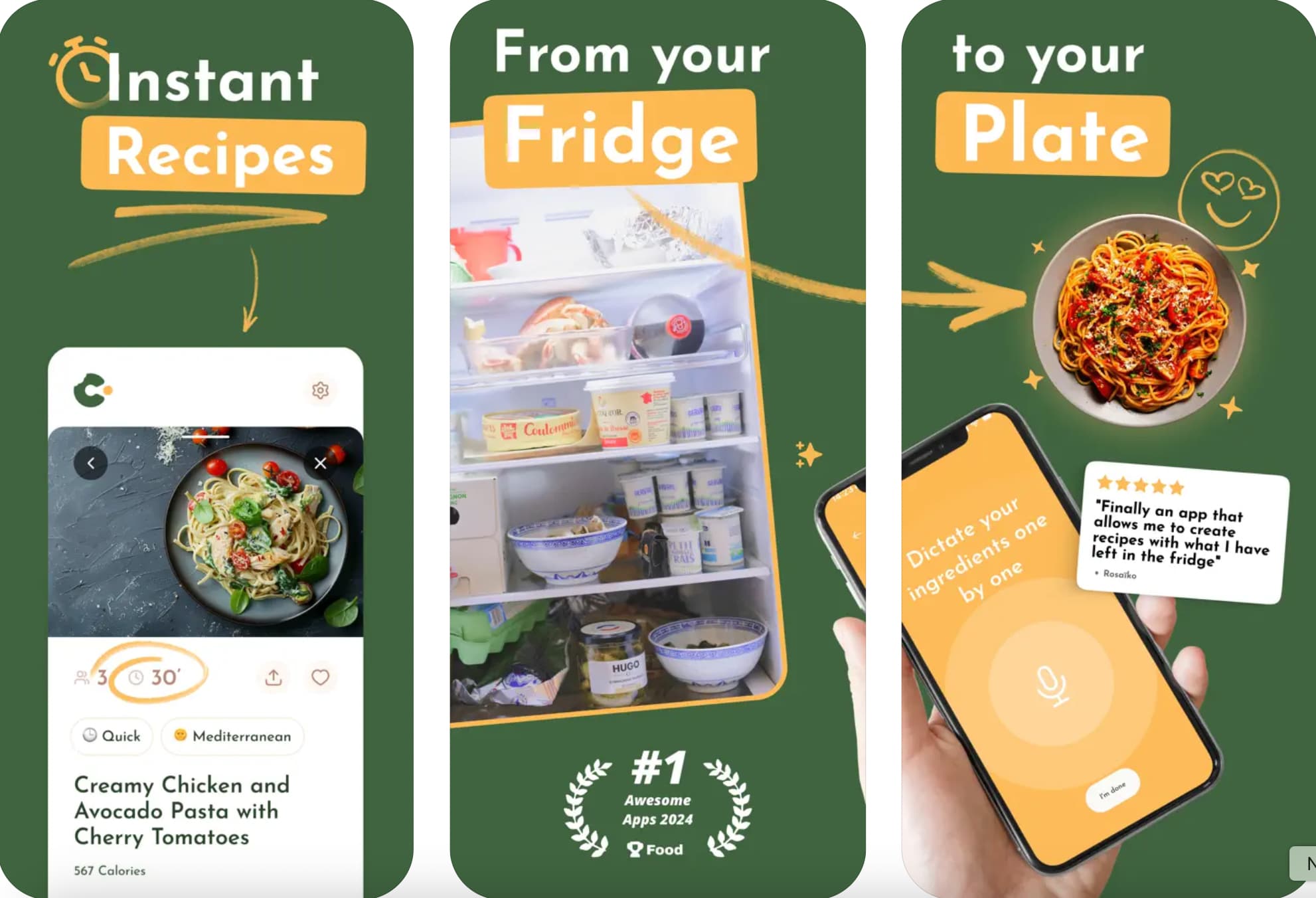
2. Mobile Kitchen Helpers
Free apps let you tick boxes for items you own and then auto-suggest meals. Many also offer swap ideas if one item is missing.
3. Shelf-Stable Cookbooks
Grab a general cookbook or one that highlights flexible techniques—stir-fries, sheet-pan suppers, or one-pot soups—because they welcome almost any vegetable or protein you toss in.
4. Visual Inspiration
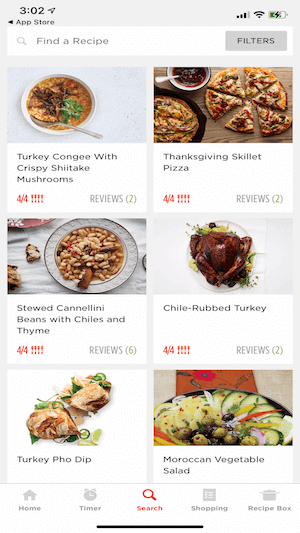
Scroll photo-based platforms and save dishes that use your core ingredients. A quick screenshot becomes your shopping-free menu board.
Make It Fit
Once you pick a starting recipe, treat it as a loose sketch.
1. Smart Swaps
No chicken stock? Use water seasoned with soy sauce, miso, or herbs. Missing dairy? A spoon of nut butter or canned coconut milk often adds the creaminess you need.
2. Scale Up or Down
Halve a casserole if you are cooking for one, or bulk up a soup with extra lentils. Taste as you go; spices can be doubled or skipped without harm.
3. Play With Texture
Roast instead of steam, or mash instead of slice. A simple change in method can turn yesterday’s vegetables into something that feels brand new.
Why It Matters
Using what you already own is more than a convenience; it is a small daily act with wider ripples.
1. Less Waste
Every carrot top or crusty end that lands in a pot instead of the bin keeps methane-producing scraps out of landfills.
2. Bigger Creativity
Limitations push you to combine flavors you might never have tried, building intuition that serves you in every future meal.

3. Lighter Budget
Fewer last-minute grocery runs mean more money saved and fewer impulse purchases.
Conclusion
Turning random fridge finds into dinner is a skill that improves each time you practice. Start with a quick inventory, search with an open mind, and adapt freely. The reward is a plate that costs less, wastes nothing, and tastes like your own personal invention.
Future Research Directions
Scholars could explore smarter pantry-tracking tools that suggest recipes before food spoils, while sociologists might measure how home-cooking habits shift when people commit to cooking from stockpiled ingredients.


