The Importance of Cooking Food at Home
Introduction
Preparing meals in your own kitchen has moved back into the spotlight as people rethink what they eat. As ready-made dishes and take-out become ever easier to order, more individuals are wondering what those habits mean for long-term wellness. This article looks at why firing up the stove at home can boost health, stretch the food budget, and add everyday satisfaction.
Health Benefits of Cooking Food at Home
1. Nutritional Value
When you cook for yourself, you decide what goes into each dish and how it is prepared. That freedom makes it simpler to pick fresh produce, lean proteins, and whole grains, while also keeping portions sensible. The result is usually more vitamins, minerals, and fiber on the plate and less added sugar, salt, and saturated fat.
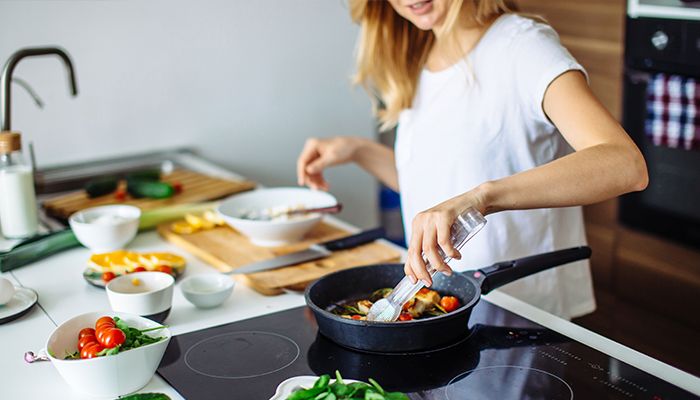
Evidence suggests that meals made at home generally contain fewer calories and more nutrients than similar dishes bought from restaurants or fast-food outlets. Over time, those small daily differences can add up to measurable gains in overall diet quality.
2. Reduced Risk of Chronic Diseases
A pattern of eating that centers on home-cooked food is linked to lower odds of developing common chronic illnesses. By relying less on heavily processed items, people naturally curb excess sodium, refined starch, and trans-fat—factors often connected to heart disease, type 2 diabetes, and some cancers.
Consistently choosing balanced, homemade meals supports steadier blood-sugar levels, healthier blood-pressure ranges, and improved cholesterol profiles, all of which reduce long-term disease risk.
3. Improved Mental Health
The act of cooking itself can be calming. Chopping vegetables, stirring sauces, and watching raw ingredients transform into a finished dish offers a mindful break from screen time and daily stress. Sharing that process with family or friends can strengthen social bonds as well.
Surveys show that people who cook regularly often report lower stress levels and higher self-confidence in day-to-day life, benefits that go beyond the nutrients on the plate.
Financial Benefits of Cooking Food at Home
1. Cost-Effectiveness
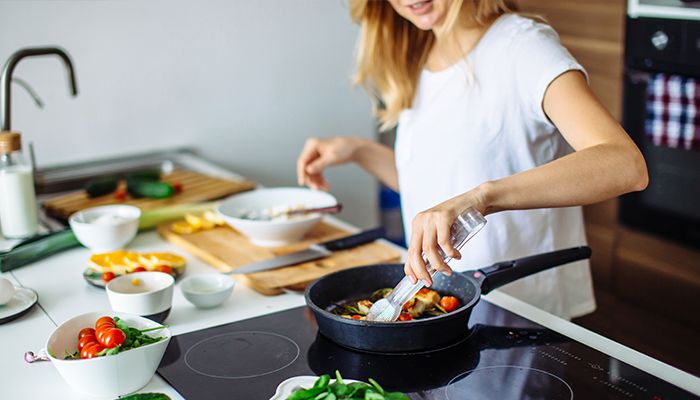
Buying staples in larger quantities and turning them into multiple meals is almost always lighter on the wallet than repeated restaurant visits. Batch cooking, using leftovers creatively, and planning a weekly menu curb impulse purchases and last-minute take-out.
Over the course of a month, the savings can be significant, freeing up money for other priorities while still eating well.
2. Avoidance of Hidden Costs
Dining out brings extra charges—service fees, tips, delivery surcharges, and the gas or fare to get there—that do not appear when you eat at home. Eliminating those add-ons keeps the food budget transparent and predictable.
Sense of Fulfillment and Satisfaction

1. Personal Satisfaction
Learning a new technique or finally nailing a tricky recipe delivers a quick hit of accomplishment. Each success builds kitchen confidence, encouraging further experimentation and a sense of ownership over what you eat.
That growing skill set often spills into other areas of life, reinforcing self-esteem and the belief that healthy habits are achievable.
2. Connection to Food and Culture
Home cooking invites exploration of family heritage and world cuisines alike. Preparing traditional dishes keeps cultural stories alive, while trying unfamiliar spices or methods broadens culinary horizons without leaving the kitchen.
Conclusion
From sharper nutrition and lower grocery bills to the quiet joy of creating something delicious, cooking at home rewards both body and mind. Making room in the weekly routine for even a few homemade meals can set off a positive chain reaction that supports long-term well-being.

Recommendations and Future Research
To spread these benefits further, several steps can help:
1. Community centers and workplaces can host short classes that teach quick, budget-friendly recipes.
2. Schools can integrate basic cooking skills into health education, giving students practical tools they will use for life.
3. Public-health messaging can highlight the cumulative impact of small, consistent home-cooking habits.

Future studies could examine:
1. How sustained home cooking influences mental-health outcomes across different age groups.
2. Ways technology—such as smart appliances or guided recipe apps—can lower the barriers to getting a meal on the table.
3. How cultural traditions and neighborhood resources shape the ease and frequency of cooking from scratch.
Pursuing these questions will deepen our understanding of home cooking’s role in building healthier individuals and communities.