

Chef Photoshoot Ideas: Capturing the Art and Craft of Culinary Excellence
In the culinary world, chefs are more than recipe-makers; they are storytellers who plate memories. A thoughtful photoshoot can bottle that narrative—flour-dusted brows, the shimmer of reduction, the quiet pause before service—so viewers taste the craft with their eyes. This guide offers inspiration and practical pointers for photographers and chefs who want to turn steam and stainless steel into visual poetry.
Understanding the Importance of Chef Photoshoots
Images of chefs at work do heavy lifting across menus, magazines, and social feeds. They introduce personality behind the pass, invite diners into the process, and give cooking schools a face to rally around. When the frame feels honest, it markets itself—no hard sell required.
Creating a Narrative Through Chef Photoshoots
Single hero shots are nice; sequences that breathe are unforgettable. Build a tiny storyboard: morning market haul, mise en place ballet, the first forkful of the finished dish. Viewers stay longer when they can scroll through a beginning, middle, and end.
Focus on the Chef’s Journey
Show the worn sneakers that clocked ten thousand service hours, the notebook of ratios memorized in transit, the calm smile after the last plate leaves the kitchen. These quiet trophies chart growth better than any résumé bullet.
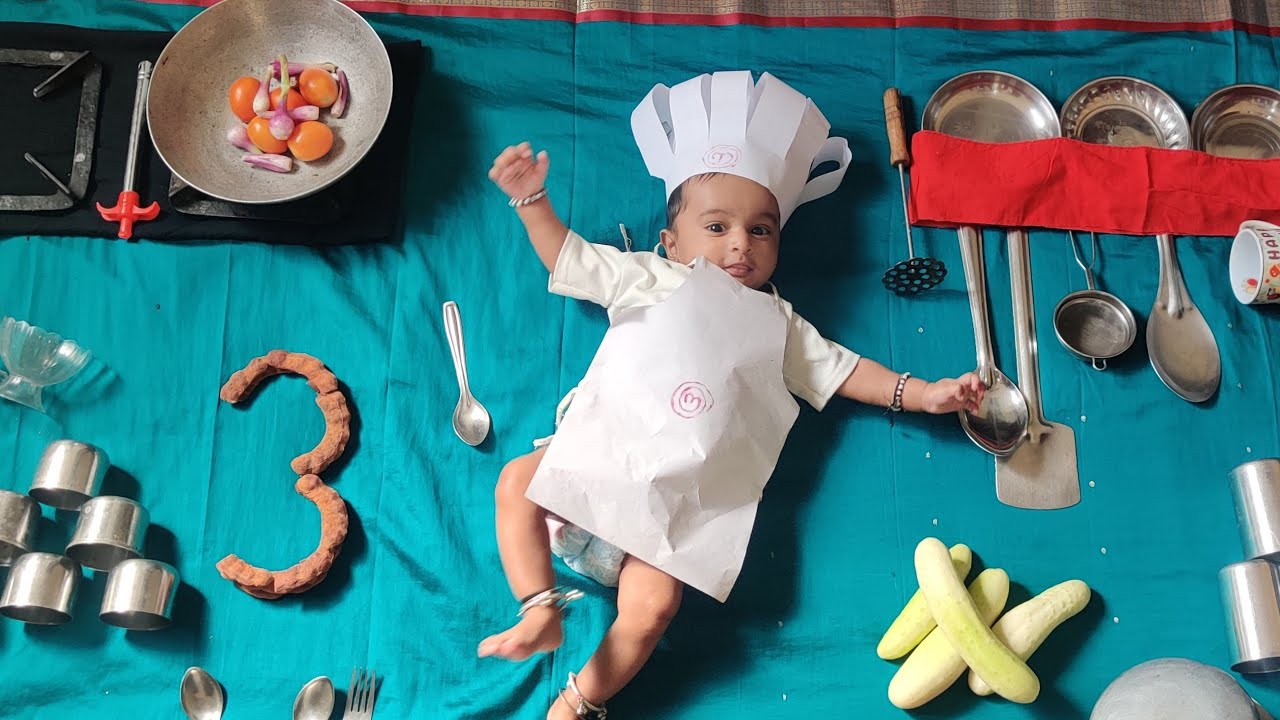
Highlighting Culinary Inspirations
Let a cracked spice jar, a grandmother’s ladle, or a postcard from a coastal village share the frame. Props like these whisper origin stories without a caption, anchoring the dish to something bigger than the plate.
Documenting the Recipe Creation Process
Zoom in on sugar crystals catching side-light, the swirl of cream into espresso, the decisive flick of chives. Step-by-step stills turn mystery into education and make home cooks feel invited, not intimidated.
Techniques for Effective Chef Photoshoots
Great food imagery balances art direction with kitchen reality. Keep these fundamentals in your apron pocket:
Lighting
Diffuse window light or a softbox angled from forty-five degrees reveals texture without glare. Avoid on-camera flash; it flattens sauces and turns steam into harsh blobs. A simple white napkin doubles as a bounce to open shadows under plates.
Composition
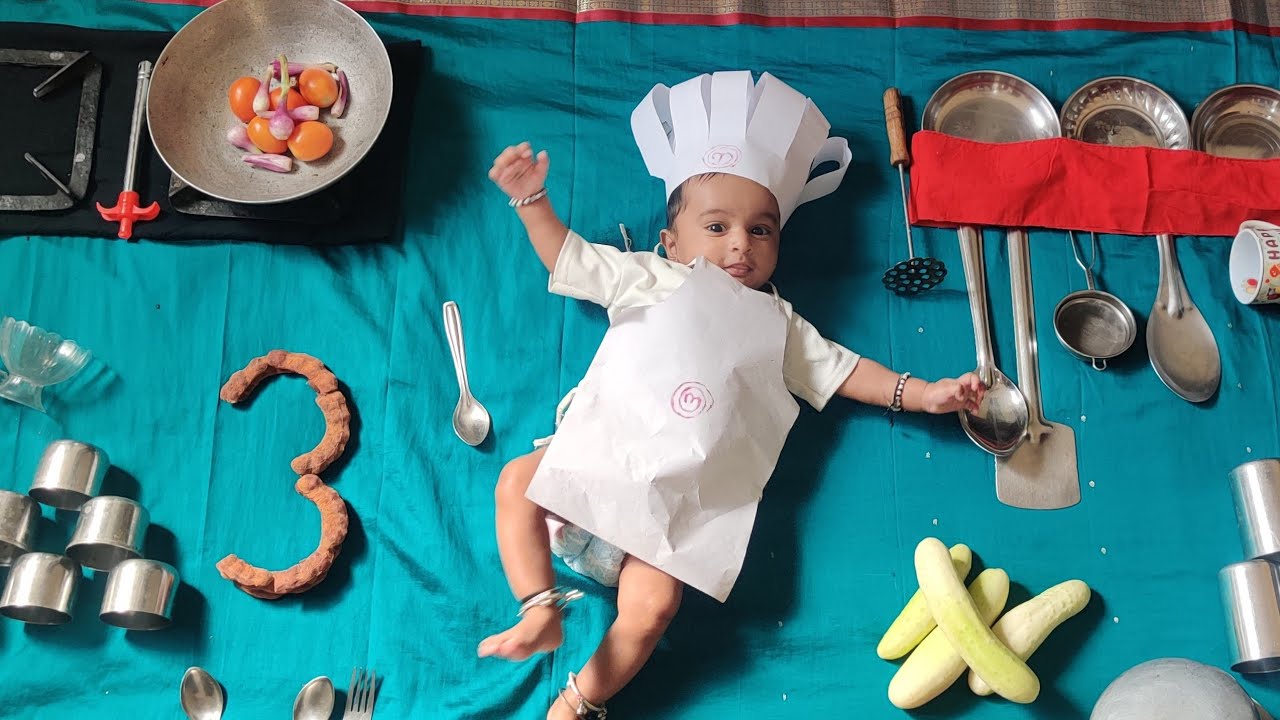
Place the hero slightly off-center, let leading lines—knife blades, table edges—guide the eye, and leave breathing space so the scene feels intentional, not cramped. Negative space is the palate cleanser of photography.
Equipment
A fast prime lens (around 50 mm) gives creamy backgrounds, while a macro gets you close enough to count sesame seeds. Tripods steady low-light shots, and a collapsible reflector is cheaper than extra strobes yet twice as versatile.
Collaboration Between Chefs and Photographers
When creative minds share salt and shutter speed, magic simmers. Make the partnership smooth with these habits:
Open Communication
Chat before pots hit the stove: Which plate is the pride of the menu? What mood fits the brand—rustic warmth or clinical precision? Align early so no one’s chopping parsley while the other’s hunting golden hour.
Flexibility
Sauces reduce faster than schedules allow. Be ready to swap lenses, move the cutting board, or catch a fleeting flambé. Adaptability keeps authenticity alive—and prevents melted ice cream tears.
Respect for Each Other’s Craft
Trust the chef on timing and taste; trust the photographer on framing and focus. Mutual respect seasons every frame with confidence.

Conclusion
A chef photoshoot is more than a pretty picture—it’s an invitation to taste passion before the first bite. By weaving micro-stories, mastering gentle light, and syncing creative rhythms, photographers and chefs can plate visuals that linger long after the table is cleared. As kitchens keep evolving, so will the imagery that celebrates them, ensuring every simmer, sear, and sprinkle gets its moment in the spotlight.
Tomorrow’s shoots might fold in motion clips, 360 spins, or interactive recipe overlays, but the heart will stay the same: honoring the hands that feed us, one frame at a time.


