Recipes Based on What You Have: A Guide to Sustainable Cooking
Introduction
Cooking nourishes both body and mind, and it can also mirror our respect for the planet. As interest in greener lifestyles grows, more home cooks are turning to “use-what-you-have” recipes that turn everyday odds and ends into satisfying meals. This guide explains why the approach matters, how it helps households, and simple ways to adopt it in your own kitchen.
The Importance of Using Available Ingredients
Reducing Food Waste

Experts estimate that a large share of edible food is discarded at home. By reaching first for items already on hand—half a bell pepper, yesterday’s rice, or herbs starting to wilt—you keep those foods out of the bin and ease pressure on local waste systems.
Encouraging Creativity
Limitations can spark invention. When the usual staples are missing, cooks experiment with new spice pairings or cooking methods, often stumbling on fresh favorites that become part of the regular rotation.
Benefits of Cooking with Available Ingredients
Economic Advantages

Shopping from your own pantry shortens weekly grocery lists and stretches the food budget further. Even small savings add up over the month, leaving room for occasional treats or higher-quality extras.
Nutritional Benefits
Mixing whatever produce, grains, and proteins you already have encourages diverse plates. Colorful leftover veggies, forgotten legumes, and fruit on the edge of overripe all contribute vitamins and fiber that might otherwise be missed.
Practical Tips for Cooking with Available Ingredients
Plan Your Meals

Before writing a shopping list, take inventory. Sketch flexible dishes—stir-fries, soups, grain bowls—that can absorb the ingredients you find, then buy only what is truly needed to fill gaps.
Be Flexible
Swap freely: pasta can replace noodles, seeds can stand in for nuts, and yogurt thinned with water often works like buttermilk. Treat recipes as templates rather than rules.
Preserve and Store Properly
Freeze chopped onions or berries on a tray before bagging, store hardy herbs like bouquets in jars of water, and keep grains in airtight containers. A little care extends usability by days or even months.
Case Studies and Success Stories
The Zero Waste Chef
A popular blog run by an eco-minded cook shows followers how to turn carrot tops into pesto and citrus peels into seasoning salts, proving that “scraps” are often ingredients in disguise.
Community Gardens and Cooking Clubs
Neighborhood plots supply fresh produce, while local cook-along groups trade ideas for using bumper harvests. Together, these initiatives strengthen community ties and keep wholesome food on tables instead of in landfills.
Conclusion
Embracing what you already own before buying more is a small shift with big payoffs: less waste, lower costs, and meals that reflect both ingenuity and care. Start by looking in the fridge, stay open to culinary detours, and enjoy the satisfaction of turning the humble into the delicious.
Future Directions
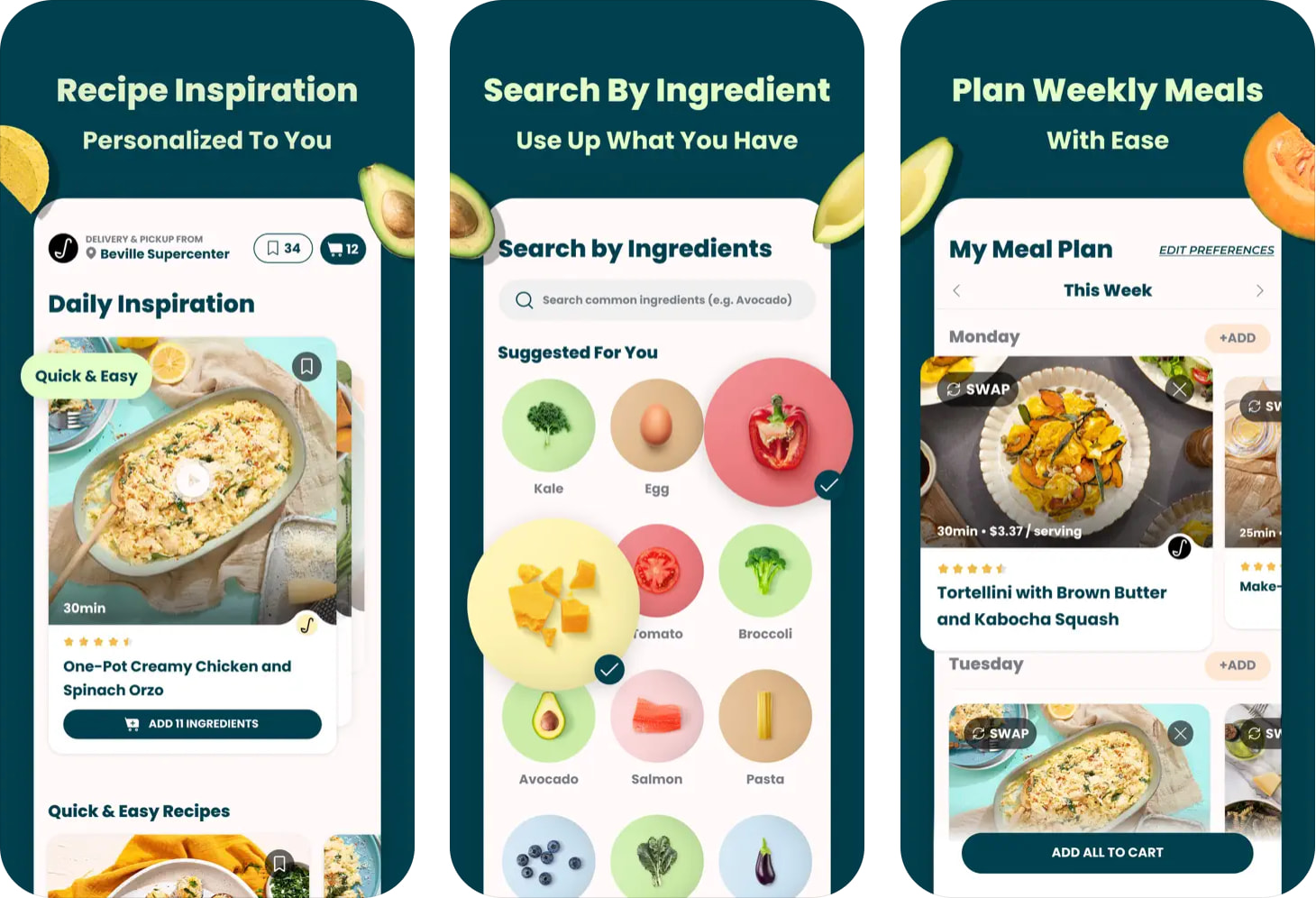
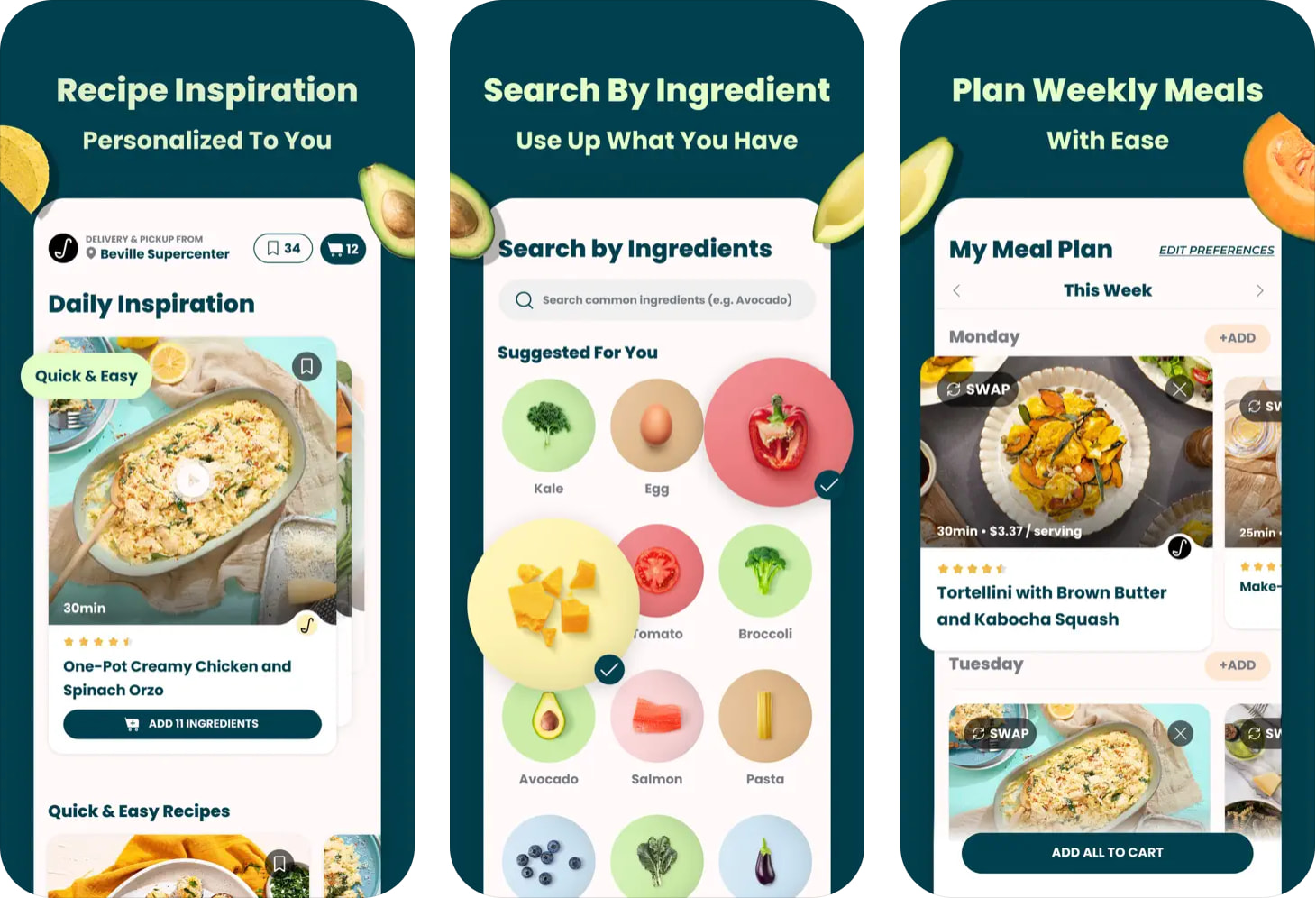
Expect more workshops, apps, and smart storage tools designed to help households track food on hand and suggest recipes that use it up in appealing ways. As awareness spreads, sustainable cooking will keep moving from niche habit to everyday norm.
In the end, cooking with what you have is a practical, flavorful step toward a lighter footprint—one plate, one pantry, and one creative twist at a time.