

The Rich Tapestry of Mexican Cuisine: A Culinary Journey
Mexican cuisine is a vivid mosaic of flavors and traditions that has enchanted palates across the globe. Rooted in ancient indigenous practices and refined through centuries of cultural exchange, it offers an ever-evolving story on every plate. This article invites you to wander through its colorful markets, smoky kitchens, and festive tables to discover what makes this culinary heritage so enduringly appealing.
The Evolution of Mexican Cuisine
Long before European contact, civilizations such as the Aztecs and Mayans domesticated corn, beans, and a spectrum of chili peppers. These staples laid the groundwork for a diet that balanced earthiness, heat, and nourishment. Later, waves of global influence—Spanish, Caribbean, and beyond—folded in new produce and spices, weaving additional layers of depth into the native pantry without ever eclipsing its soul.
The Ingredients of Mexican Cuisine
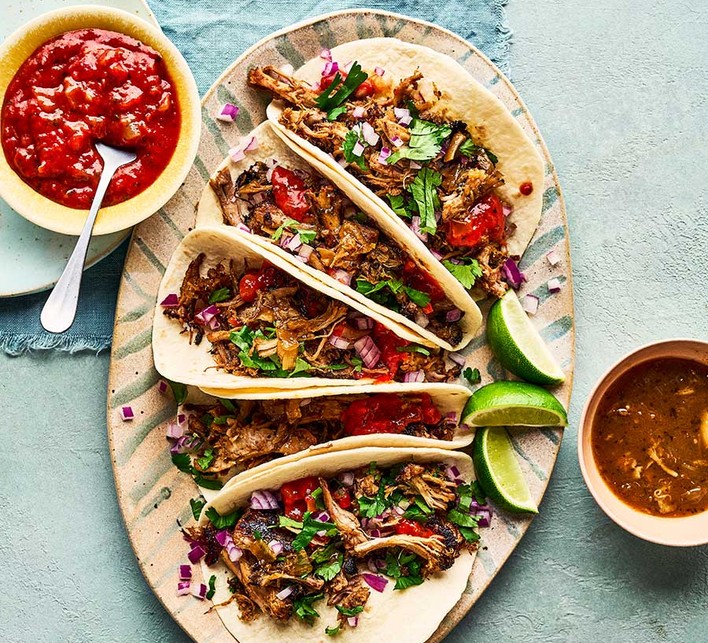
At the heart of this kitchen lies a short yet powerful list of essentials:
– Corn: transformed daily into soft tortillas, steamed tamales, or comforting atole.
– Chili Peppers: from bright jalapeños to smoky anchos, they provide everything from gentle warmth to bold fire.
– Tomatoes: simmered into sauces, diced into salsas, or roasted for deeper sweetness.
– Avocado: whipped into silky guacamole or simply sliced to cool spicy bites.
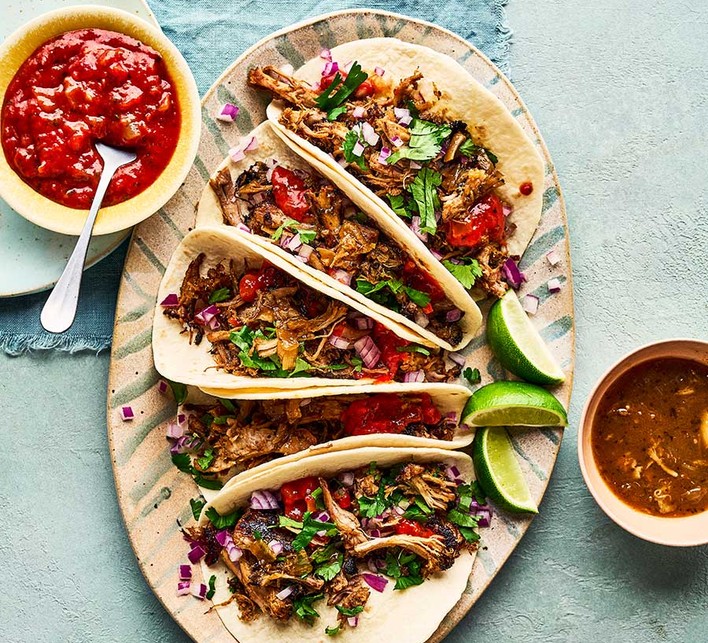
– Lime: a squeeze that lifts flavors and ties every element together with citrus brightness.
The Dishes of Mexican Cuisine
From street-side stands to family kitchens, iconic preparations tell regional stories:
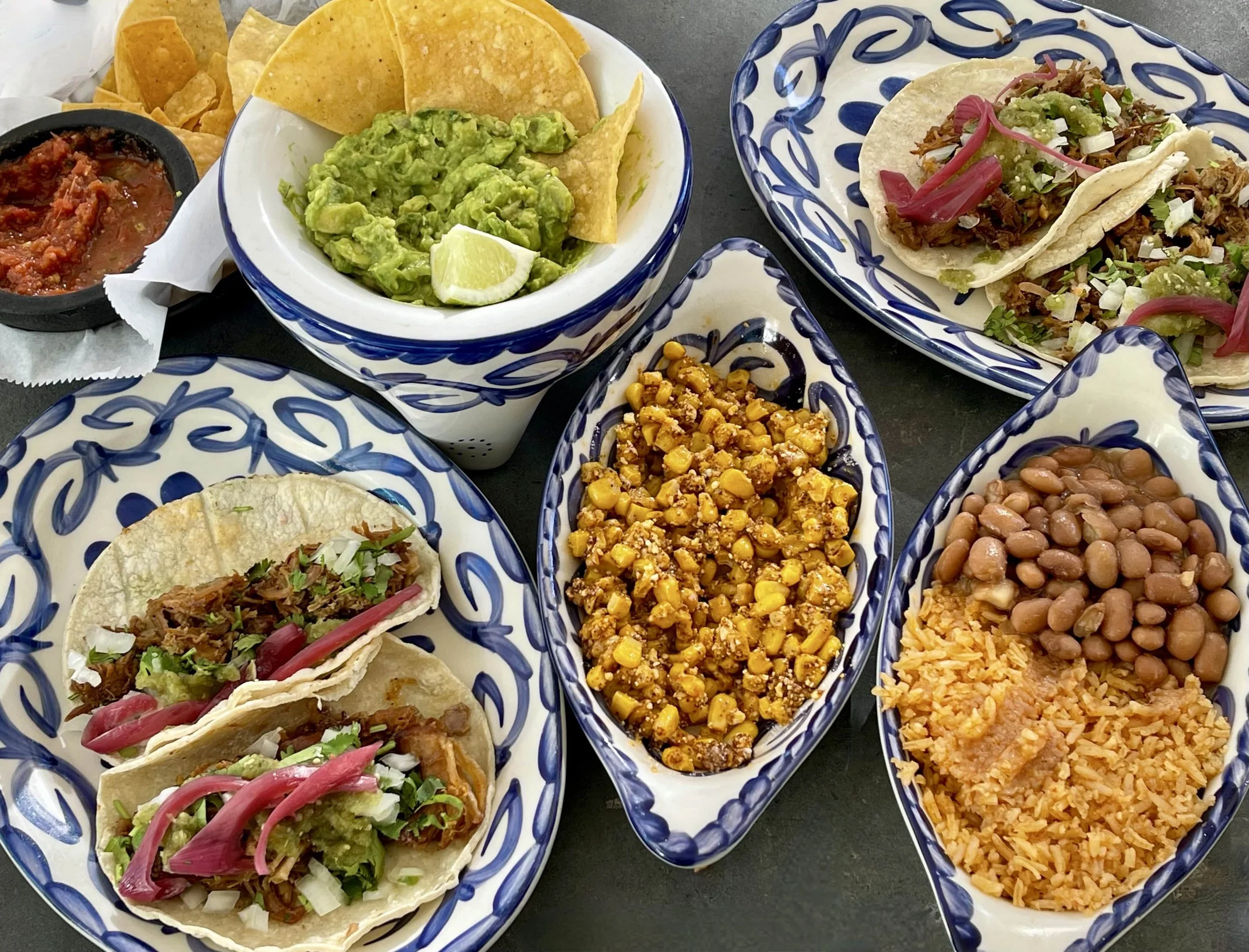
– Tacos: small, pliable tortillas cradling fillings as varied as citrus-marinated pork, grilled steak, or flaky fish.
– Burritos: larger wraps bundling rice, beans, cheese, and slow-cooked meats into a portable feast.
– Quesadillas: crisped tortillas melting Oaxaca cheese, often boosted by mushrooms, squash blossoms, or roasted peppers.
– Mole: a velvety sauce built from chilies, spices, and a hint of chocolate, patiently simmered and ladled over turkey or chicken.
– Enchiladas: rolled tortillas bathed in chili sauce and baked until edges caramelize.
The Cultural Significance of Mexican Cuisine
Meals here are communal rituals. Birthdays, saints’ days, and ordinary Sundays revolve around shared sauces, hand-pressed tortillas, and stories passed between generations. Each ingredient carries memory—corn recalls ancient creation myths, while cinnamon-scented chocolate evokes colonial trade routes—binding past and present in every bite.
The Global Impact of Mexican Cuisine
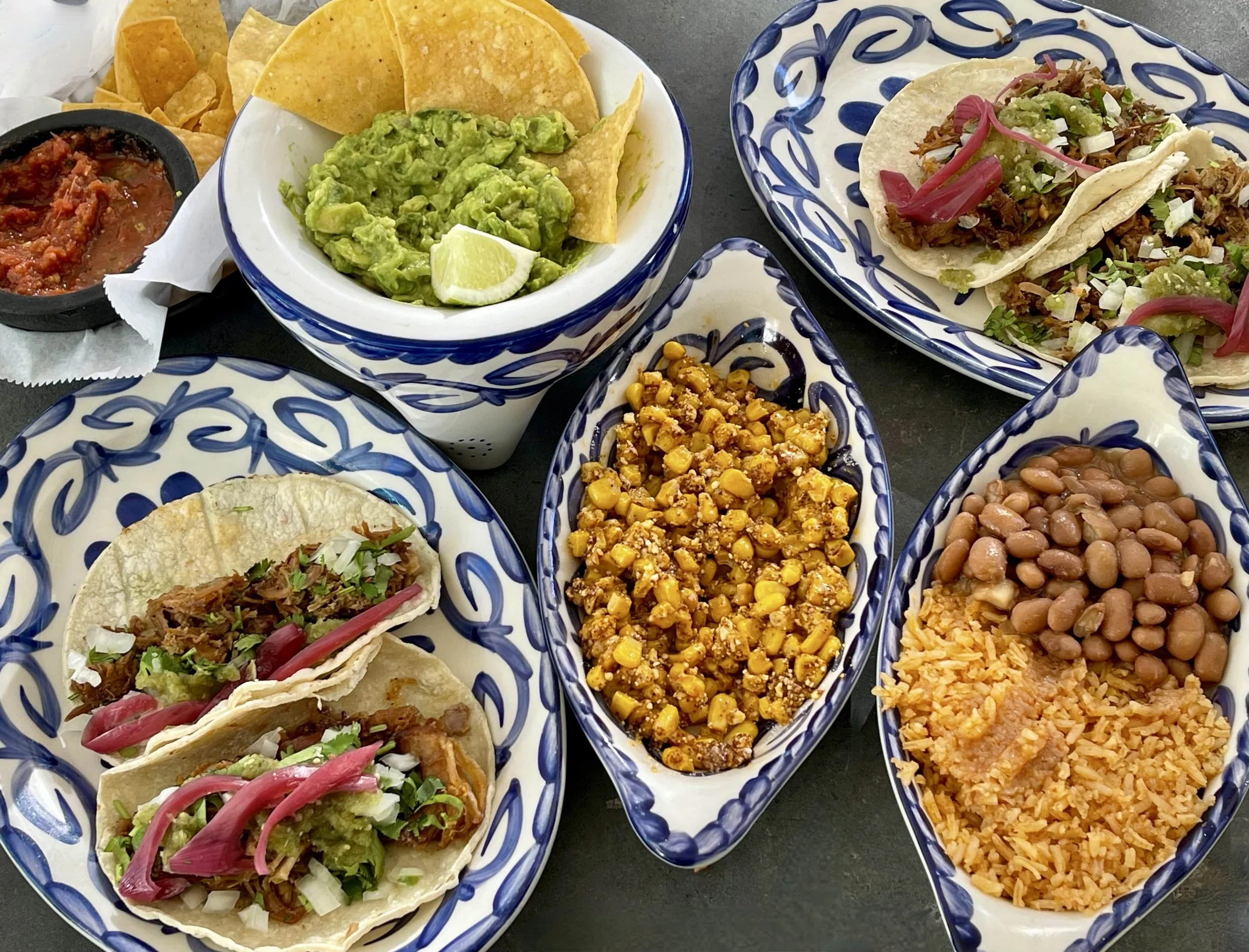
Tacos now rival pizza for worldwide affection, and supermarket shelves stock tomatillos alongside tomatoes. Several factors fuel this reach:
– Authenticity: bold, unmistakable flavors that remain true to regional roots even when adapted abroad.
– Versatility: grains, vegetables, and proteins combine endlessly, welcoming both meat lovers and plant-based diners.
– Accessibility: once-exotic produce is now grown locally on many continents, inviting home cooks to experiment.

The Future of Mexican Cuisine
Young chefs are reimagining ancestral recipes with modern techniques—think nixtamalized blue-corn tostadas topped with sustainable seafood—while market vendors still grind corn the old way. The challenge ahead is balance: embracing innovation without diluting identity, ensuring that tomorrow’s diners taste both heritage and creativity.
Conclusion
Mexican cuisine is more than sustenance; it is a living narrative of resilience, adaptation, and joy. By honoring traditional methods while welcoming fresh ideas, each cook keeps the story vibrant. Whether you fold a warm tortilla in a bustling city plaza or simmer your first pot of mole in a distant kitchen, you become part of a centuries-old conversation—one that promises to keep evolving while never forgetting its first, flavorful words.
In closing, this journey has traced the origins, ingredients, emblematic dishes, cultural resonance, and global journey of Mexican food. Understanding these threads helps us appreciate not only what lands on the plate, but also the people, history, and landscapes that season every mouthful.


