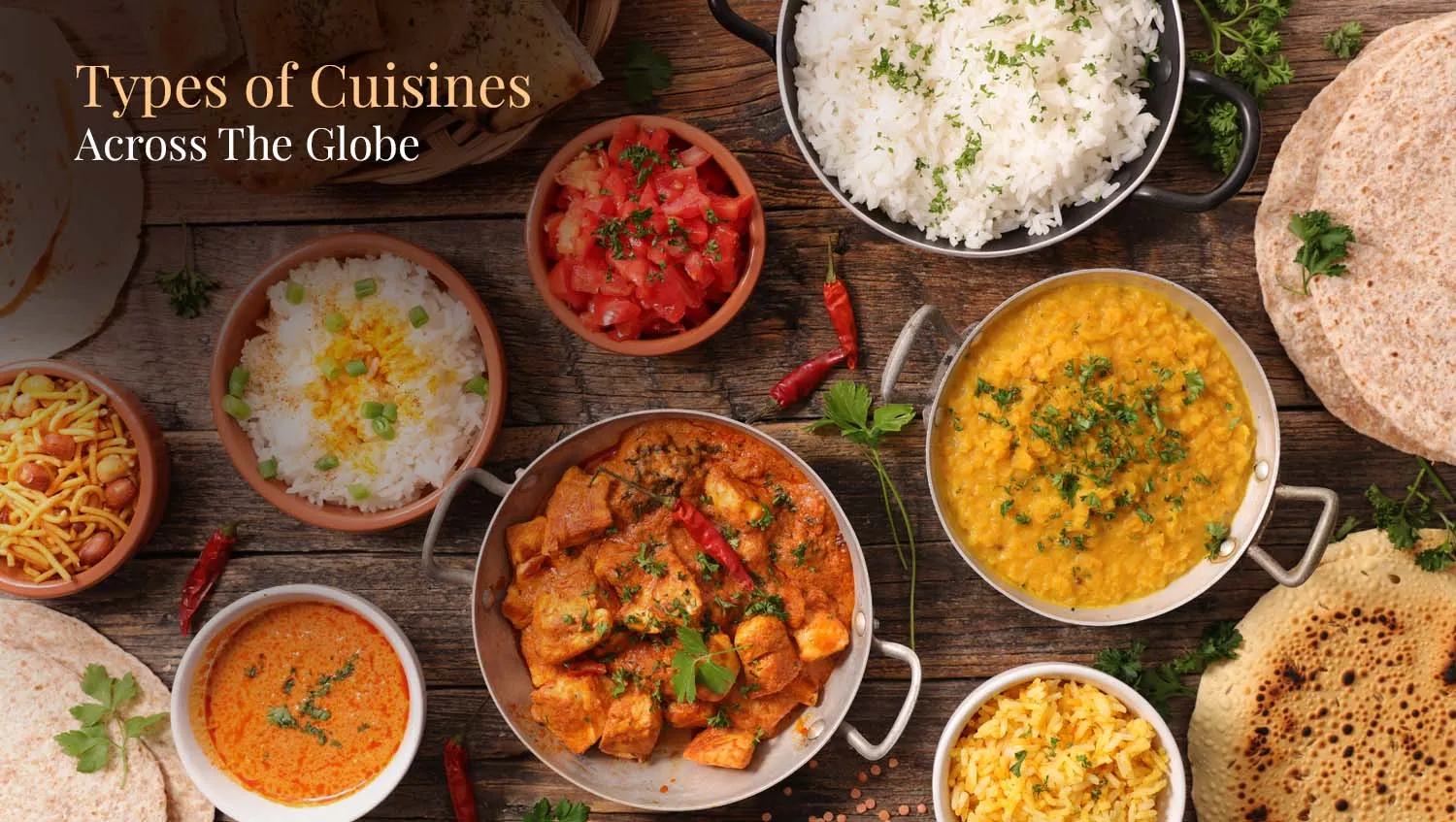
A World of Flavors: Discovering Global Culinary Traditions
Every dish tells a story of place, memory, and tradition. Across continents, local ingredients, climate, and history blend into distinctive cooking styles that invite endless exploration. This overview highlights celebrated culinary families, their signature tastes, and the cultural meaning they carry.
Global Cuisine: A Brief Overview
Cuisine is the shared language of a community’s kitchen: its typical ingredients, favored techniques, and the rituals that surround a meal. While borders are never absolute, cooks often speak of Mediterranean, Asian, African, and American “families” of food, each shaped by geography, trade, and time.
Mediterranean Cuisine
Sun-kissed produce, fragrant olive oil, and a generous hand with herbs define this table. Meals balance brightness and earthiness, whether through slow-baked casseroles, hand-rolled pasta, or rice dishes fragrant with saffron.
Regional Variations
Coastal tables lean on lemons, briny cheese, and just-caught seafood, while inland plates favor heartier grains and slow-cooked meats. Island kitchens add sweet spices and dried fruits, reflecting centuries of maritime exchange.
Asian Cuisine
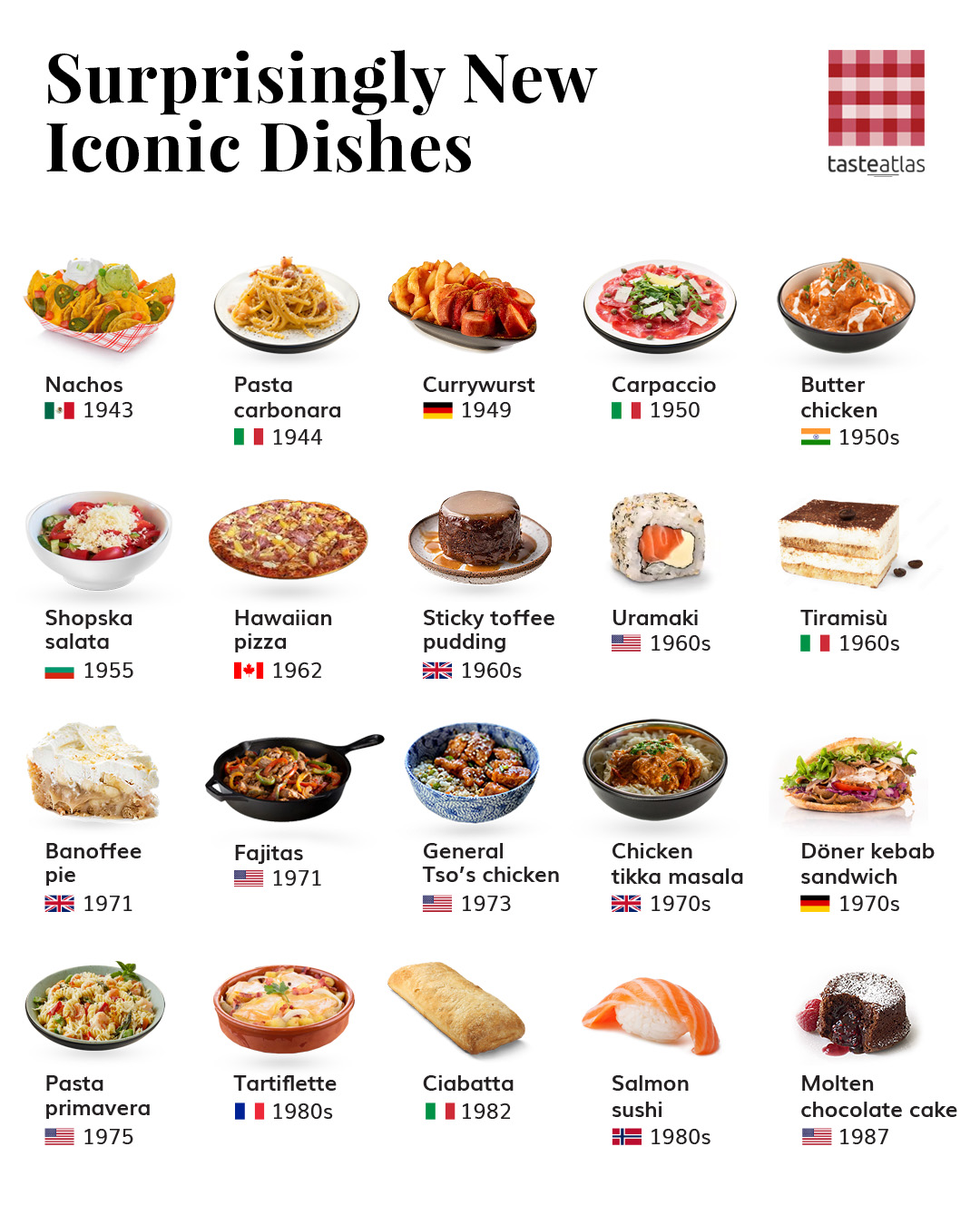
From snow-capped peaks to tropical shores, Asia’s kitchens layer sweet, sour, salty, and fiery notes in countless combinations. Techniques range from rapid wok sears to overnight marinades and long simmers.
Chinese Cuisine
Regional styles differ widely: some spotlight tongue-tingling chilies and fermented beans, others prize clear broths and delicate steaming. Shared staples include aromatic ginger, silky soy, and spring-fresh vegetables.
Japanese Cuisine
Seasonality guides the menu, with dishes designed to highlight a single cherry-blossom petal or the first autumn mushroom. Rice, sea harvests, and mindful presentation create meals that feel both simple and profound.
Indian Cuisine
Markets burst with color: golden turmeric, ruby chili, and emerald herbs. Layers of spice build depth in vegetarian lentil stews as well as in slow-cooked meats, while flatbreads and fragrant rice round out the plate.
Thai Cuisine
Thai cooks chase harmony among fire, tang, and sweetness. Galangal, lime leaf, and palm sugar perfume soups, stir-fries, and coconut-laced curries that awaken every sense.
African Cuisine
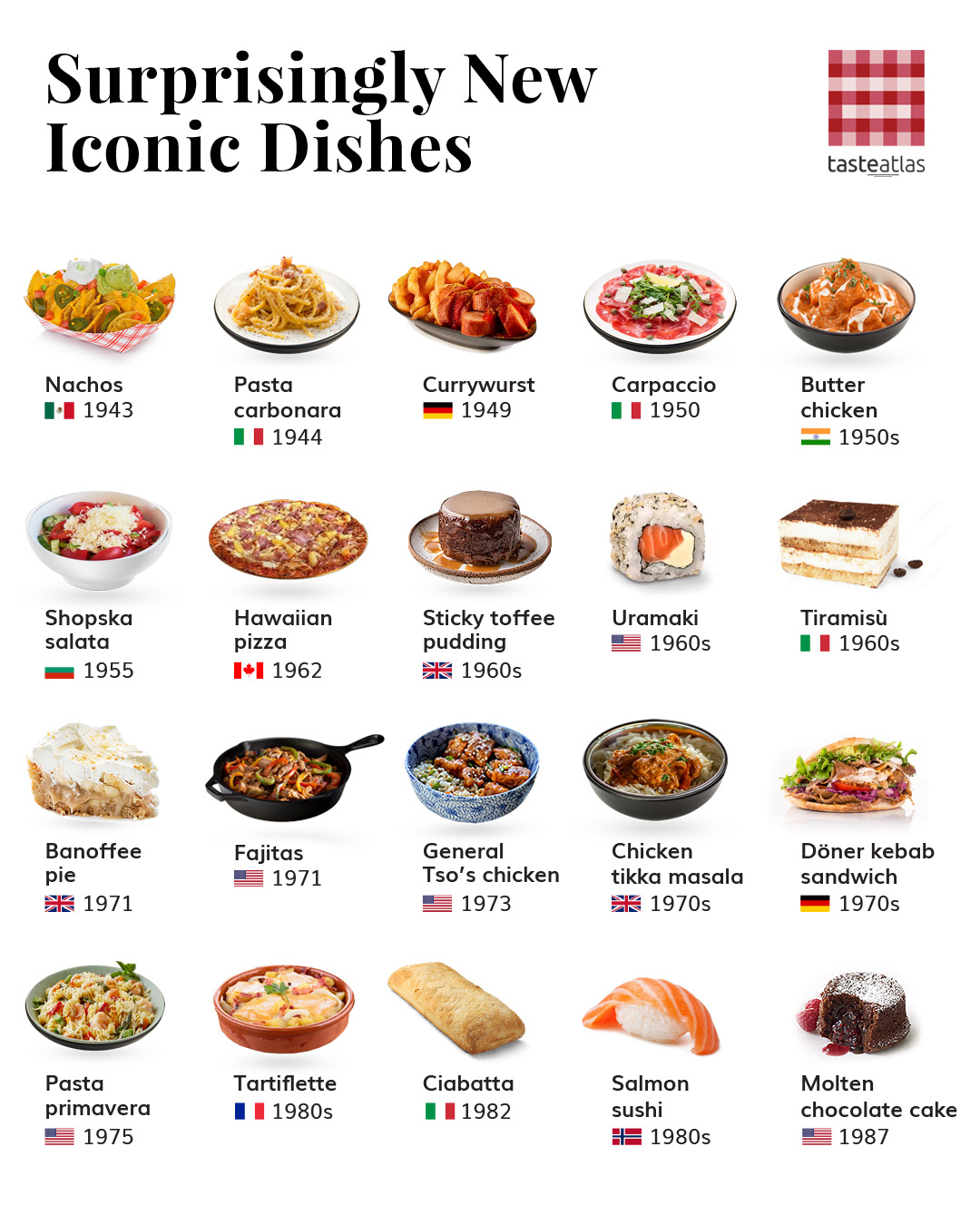
A continent of deserts, highlands, and coastlines offers grains, tubers, and bold spice blends. Slow-cooked stews, smoky grills, and fermented breads speak of resourcefulness and celebration.
Regional Variations
In the north, aromatic tagines mingle dried fruits with savory meats. Eastern highlands favor spongy flatbread served alongside berbere-spiced sauces. Coastal communities brighten plates with tamarind and coconut milk.
American Cuisine
Immigrant ovens, indigenous crops, and frontier hearths forged a menu as varied as the landscape. Expect smoky pit barbecue, comforting stews, and vibrant street foods that evolve with every generation.
Regional Variations
Southern tables offer slow-smoked meats and golden cornbread. Northeastern kitchens celebrate creamy chowders and buttery lobster. Along the western coast, farmers’ markets inspire salads, grills, and fusion tacos bursting with fresh produce.
Cultural Significance of Cuisine
Recipes travel farther than passports, carrying stories of migration, celebration, and resilience. Sharing a traditional meal can express identity, welcome strangers, or keep memories alive.
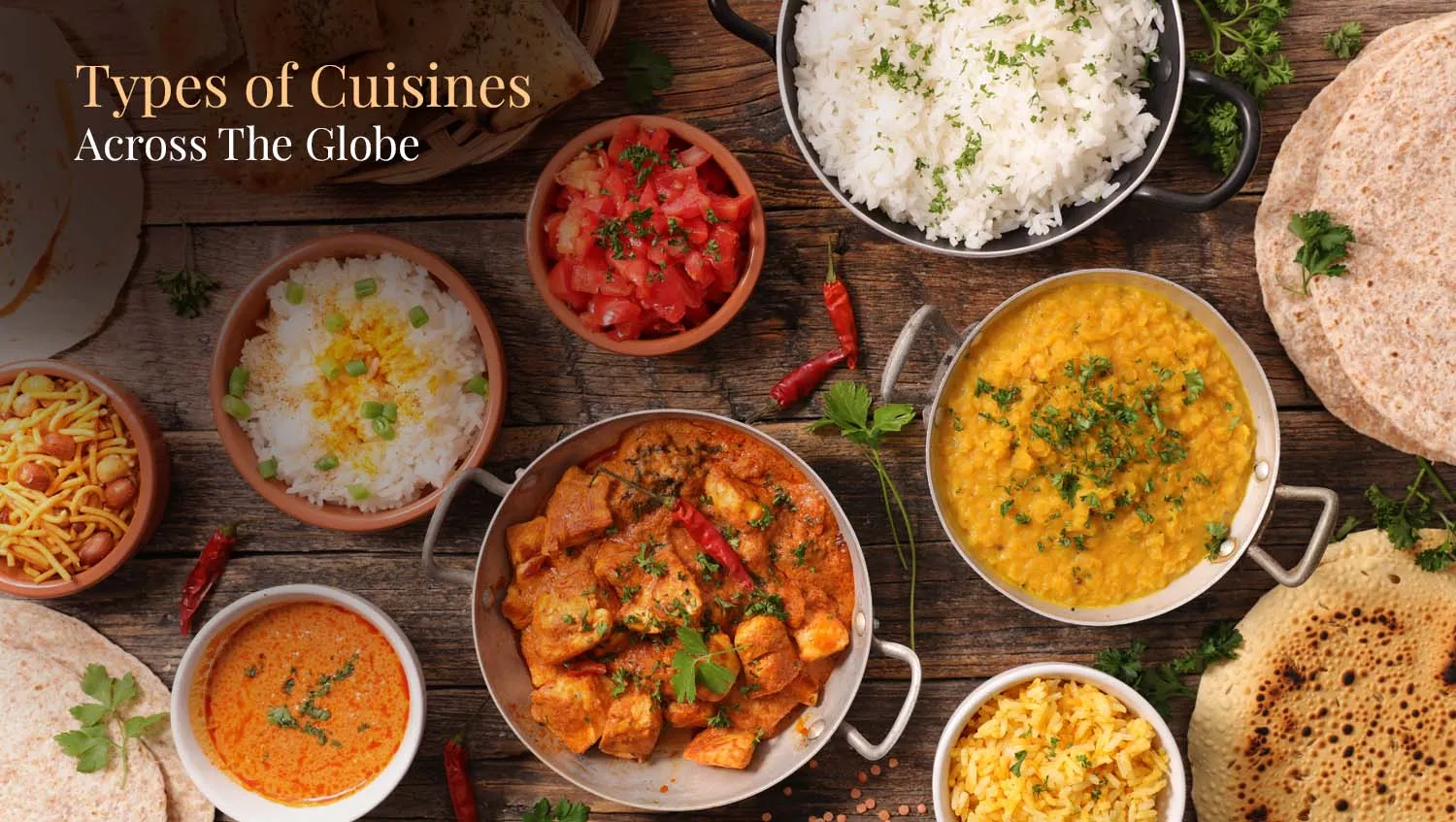
Food as a Cultural Symbol
A single spice blend or holiday bread can evoke homeland, ancestors, or values. Preparing and tasting these dishes connects diners to narratives far beyond the dining room.
Food and Social Gatherings
From nightly family suppers to harvest festivals, food anchors communal life. Passing plates, toasting glasses, and storytelling across the table strengthen bonds and create new memories.
Conclusion
Exploring global cuisine is a journey of endless discovery. Each technique, aroma, and flavor invites us to appreciate creativity shaped by land and history. As kitchens continue to exchange ideas, our shared table grows ever more welcoming.
Recommendations and Future Research
Cooking academies can nurture curiosity by highlighting international methods and ingredients. Home cooks might document family recipes, while scholars examine how migration and sustainability reshape traditional plates. Continued tasting, teaching, and learning ensure these edible stories endure for future generations.
Ultimately, savoring the world’s many kitchens fosters empathy and joy. Through every shared bite, we celebrate both the uniqueness of each culture and the common pleasure of a good meal.