

Title: The Art and Science of Beautiful Plates: A Comprehensive Analysis
Introduction:
In today’s culinary scene, the visual charm of a dish is almost as important as its flavor. Beautiful plates awaken curiosity before the first bite and linger in memory long after the meal ends. This article explores why attractive presentation matters, how it shapes the act of eating, and the simple, inventive methods chefs use to turn ingredients into edible art.
The Significance of Beautiful Plates
Attractive dishes have moved from pleasant bonus to central expectation. Their importance rests on three everyday observations:
1. First Impressions: A plate that looks balanced and colorful invites guests to relax and anticipate pleasure, setting a positive tone for everything that follows.
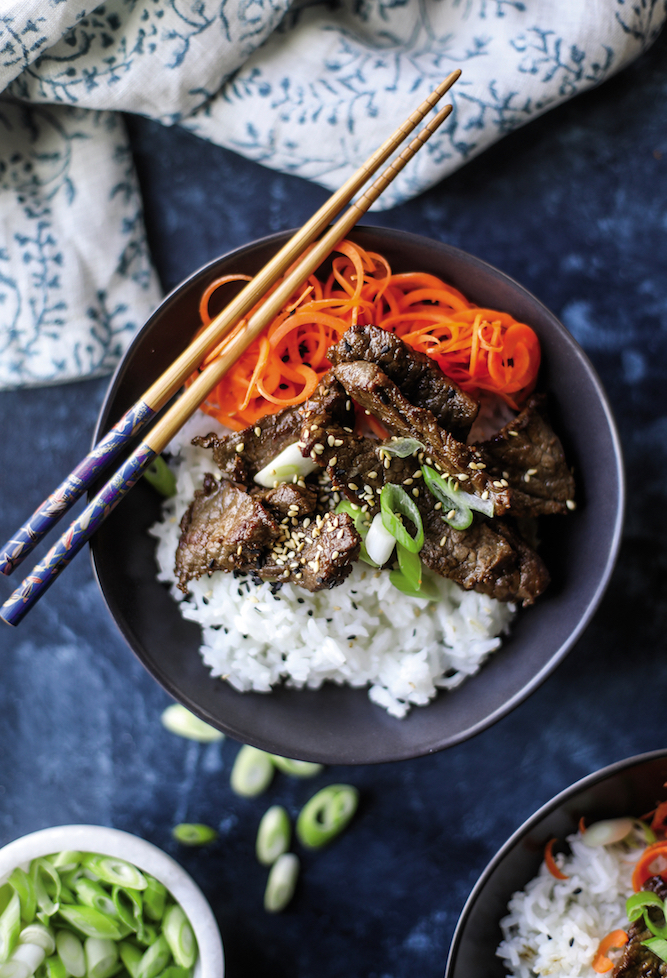
2. Emotional Spark: Neat spirals of sauce or a sudden pop of green can trigger child-like wonder, making the table feel like a friendlier place.
3. Shareable Moments: Diners often pause to take a quick photo of a striking dish, turning a private meal into a shared story that reaches friends far beyond the restaurant walls.
The Impact of Beautiful Plates on Dining Experiences</h2
Visual appeal quietly steers the meal in several ways:
1. Heightened Appetite: Bright, orderly arrangements signal freshness and care, encouraging guests to pick up their forks with genuine enthusiasm.
2. Full Sensory Welcome: When color, height, and negative space work together, the dish engages sight, smell, and even touch before taste joins in, creating a short, immersive journey.
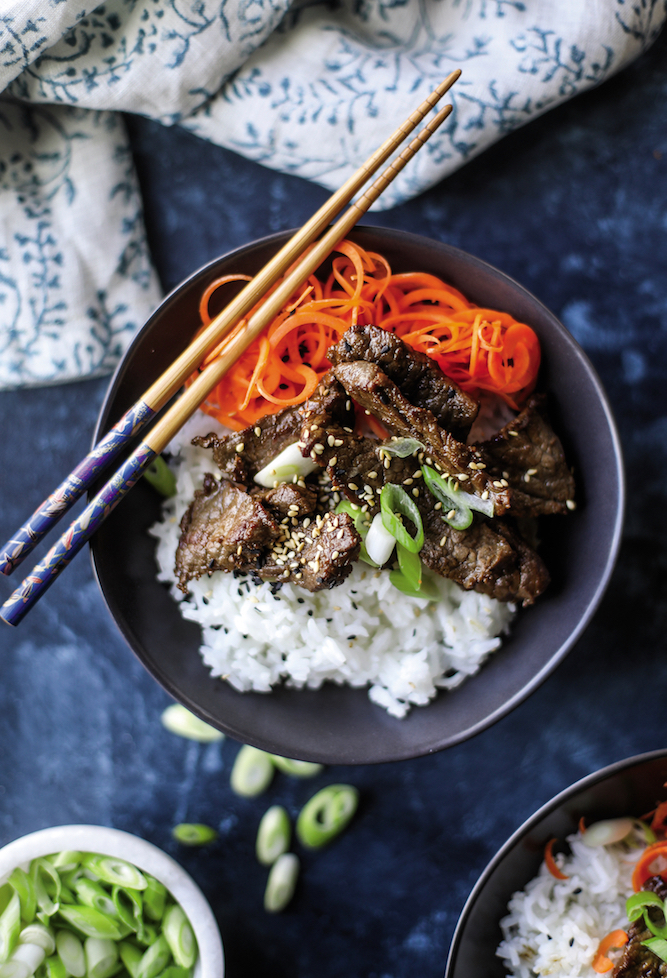
3. Easy Conversation: A curious garnish or an unexpected shape gives strangers at the table something neutral and cheerful to talk about, loosening moods and building quick camaraderie.
Techniques Used to Create Beautiful Plates
Chefs rely on a handful of repeatable ideas that anyone can adapt:
1. Mindful Plating: Start from the center and build outward; wipe stray drops before they distract; let one element stand slightly taller to create a natural focal point.
2. Thoughtful Garnishes: Use only edible leaves, seeds, or powders that actually complement the flavor. A single herb sprig often says more than a handful of decorations.
3. Color Balance: Pair warm tones with cool ones—orange squash against a deep green purée, for instance—so the eye moves easily around the plate.
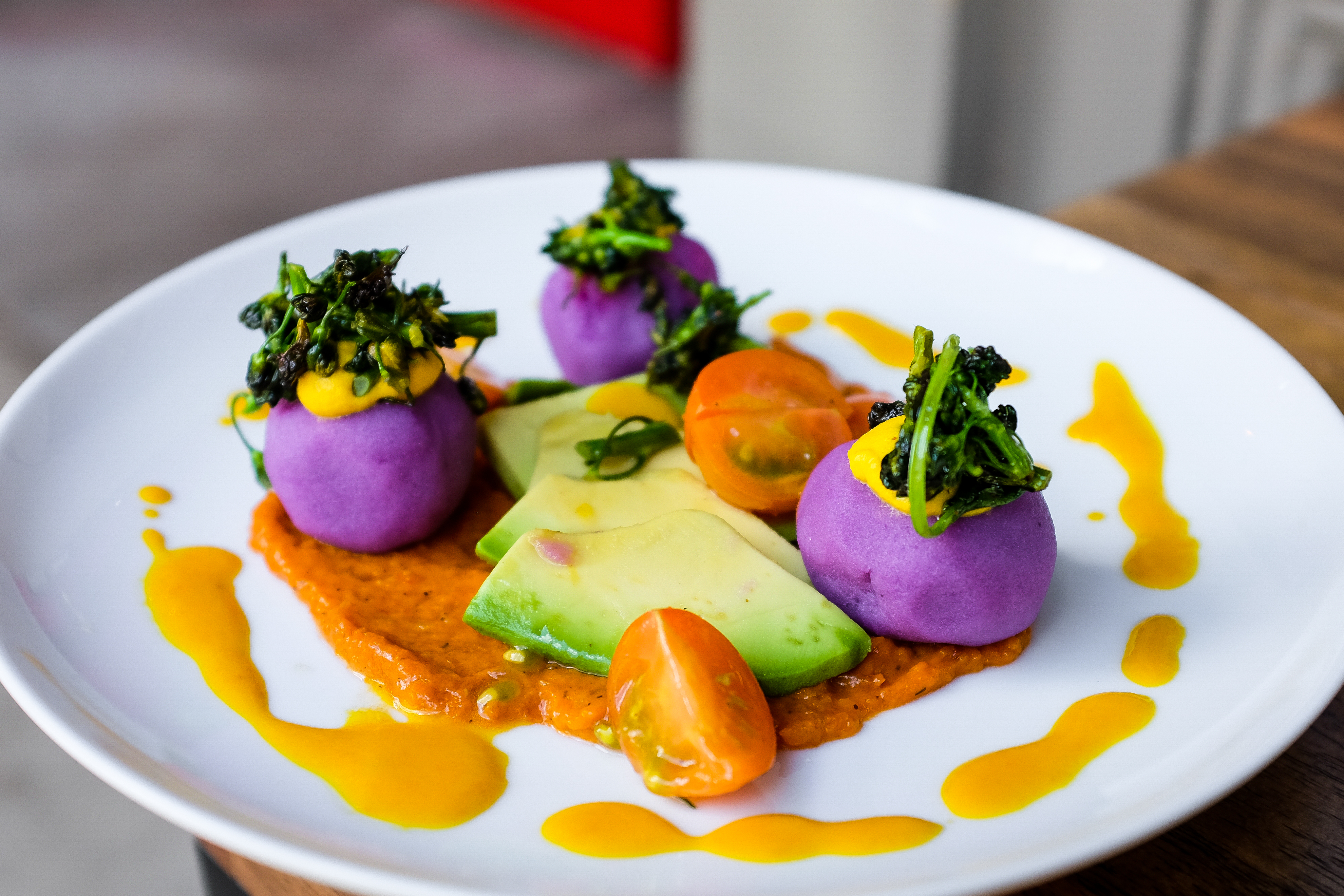
4. Texture Contrast: Combine something crisp with something soft, or a silky sauce with a crunchy crumble, so each forkful feels like a small discovery.
Research and Perspectives
Academic work and kitchen experiments agree that attractive presentation raises perceived quality. Diners routinely describe the same recipe as “more flavorful” when it is neatly arranged, even though the ingredients remain unchanged. Pioneering chefs continue to push the idea that a plate can be a canvas, proving that respect for visuals and respect for taste need not compete.
Conclusion
Beautiful plates have become a quiet language between kitchen and guest. They speak of care, spark emotion, and turn ordinary ingredients into lasting memories. As culinary trends evolve, the pursuit of visual harmony will remain a reliable path to deeper guest satisfaction.
Recommendations and Future Research
Kitchens interested in refining their visual voice can consider:
1. Short creative sessions where cooks sketch dream plates before touching any food.
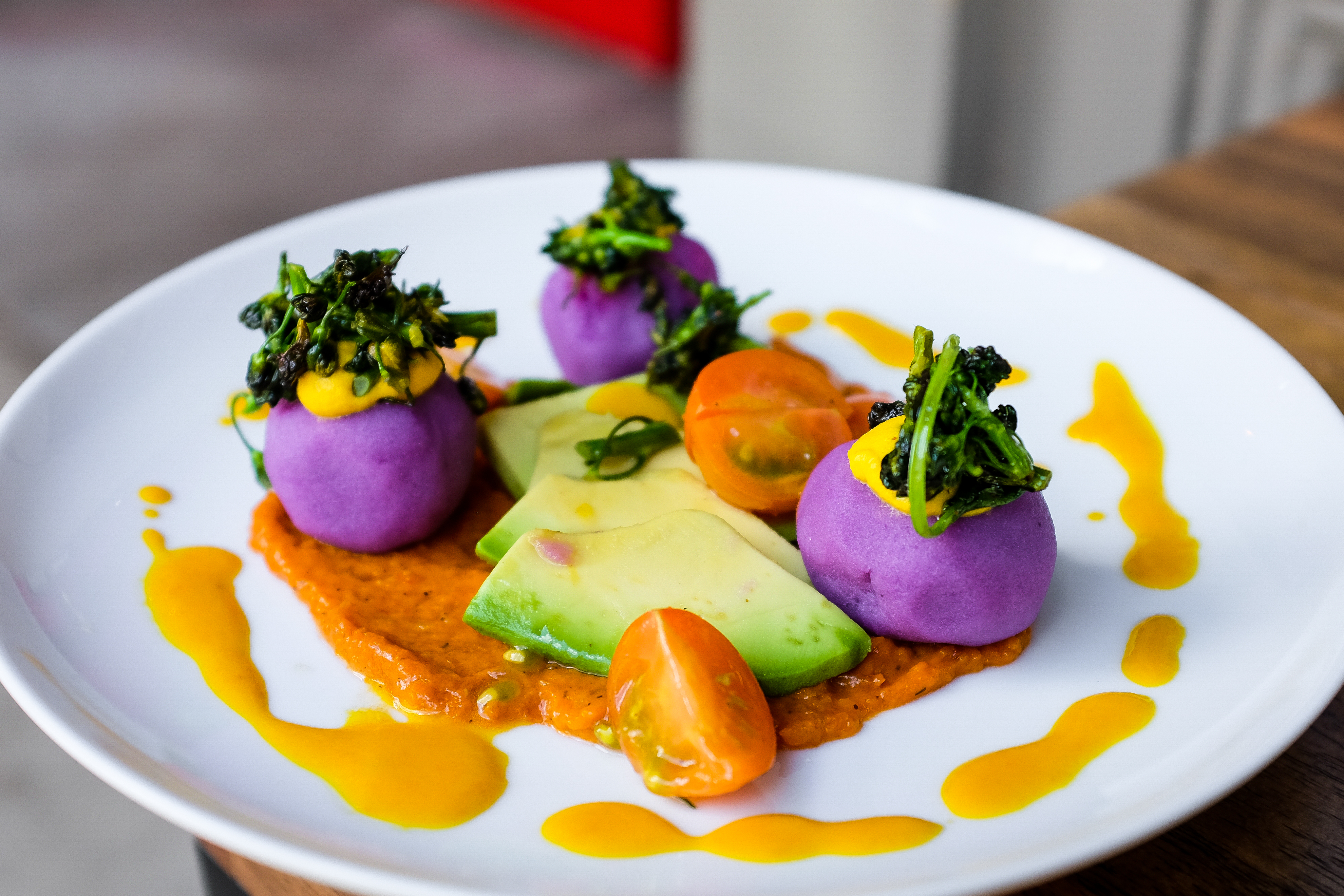
2. Seasonal color wheels that guide ingredient choices months ahead.
3. Simple diner feedback cards focused purely on first visual reactions.
4. Occasional partnerships with local art schools for fresh plating inspiration.
By treating appearance as an integral part of recipe development, restaurants can keep the dining experience vibrant, welcoming, and endlessly shareable.


