

The Diverse World of Food Cuisine: Exploring Types and Their Cultural Significance
Introduction
Food cuisine is an integral part of human culture, reflecting the history, traditions, and social values of a society. The world is a melting pot of culinary traditions, each with its unique flavors, ingredients, and cooking techniques. This article aims to explore the various types of food cuisine, their origins, and the cultural significance they hold. By understanding these diverse culinary traditions, we can appreciate the rich tapestry of human civilization.
Types of Food Cuisine
1. Mediterranean Cuisine
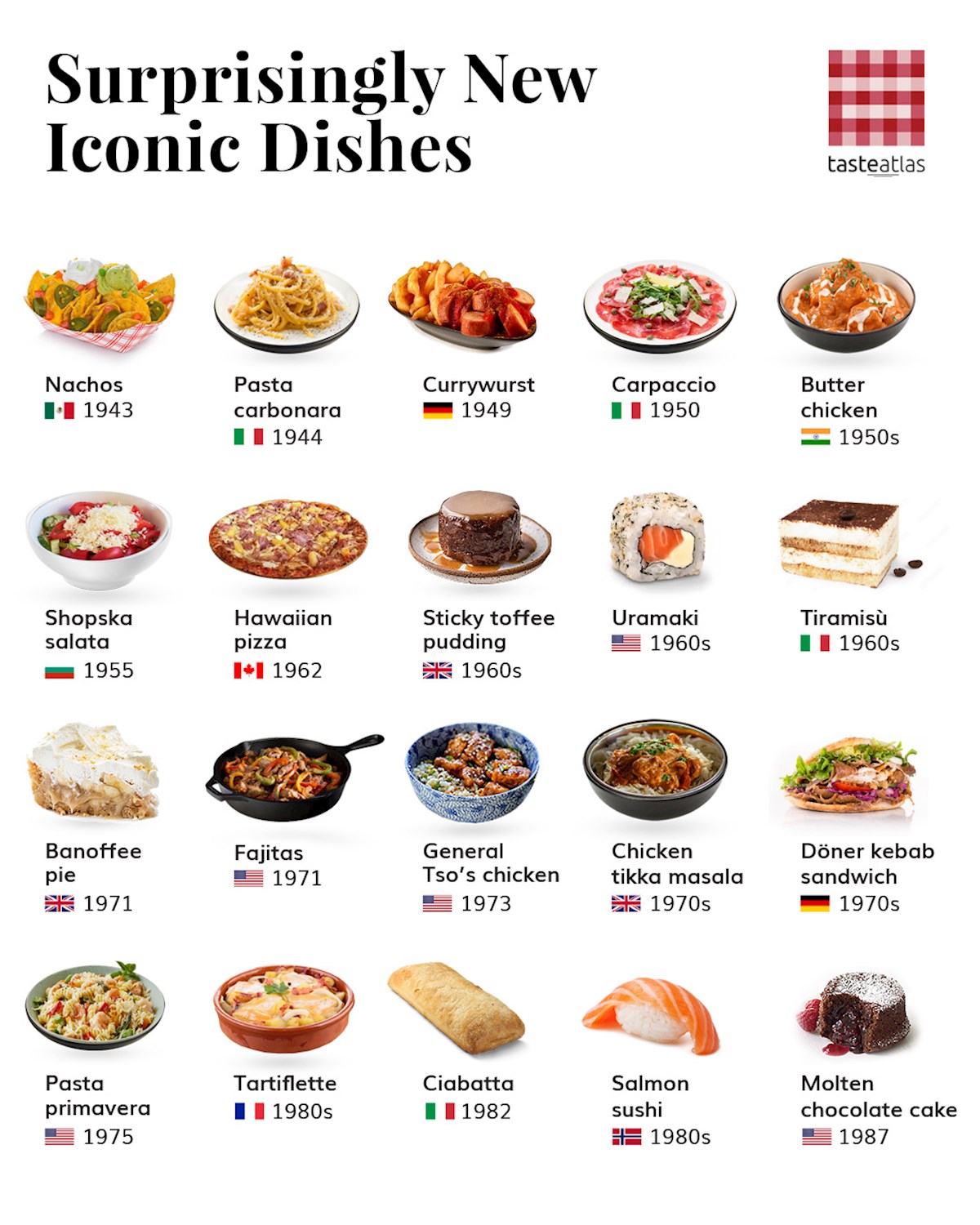
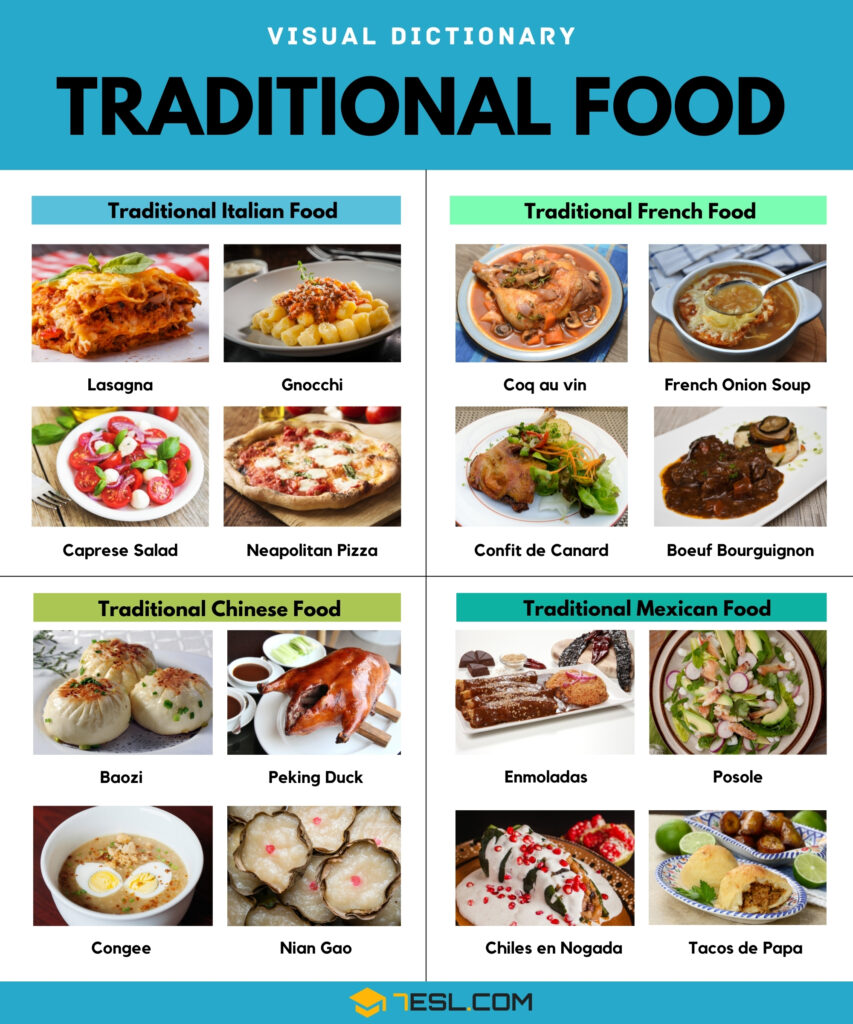
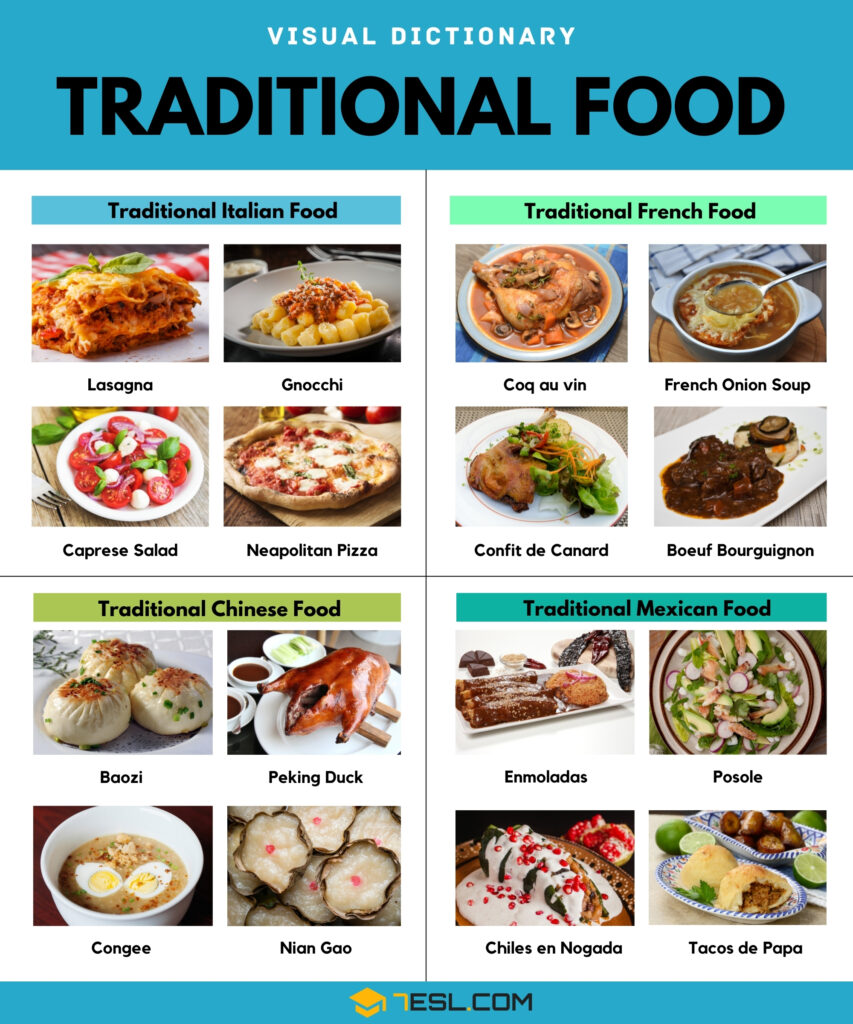
Mediterranean cuisine is renowned for its healthy and flavorful dishes. Originating from countries bordering the Mediterranean Sea, this cuisine emphasizes the use of fresh, locally sourced ingredients. Olive oil, herbs, and spices like oregano, thyme, and cumin are commonly used. Dishes like pasta, pizza, Greek salad, and paella are popular examples of Mediterranean cuisine.
2. Asian Cuisine
Asian cuisine is incredibly diverse, with a wide range of flavors and ingredients. It includes Chinese, Japanese, Indian, Thai, and Vietnamese cuisines, among others. Each of these cuisines has its unique cooking techniques and ingredients. For instance, Chinese cuisine is known for its use of stir-frying, while Japanese cuisine emphasizes sushi and sashimi. Indian cuisine is famous for its use of spices and aromatic herbs, while Thai cuisine offers a blend of spicy, sour, sweet, and salty flavors.
3. European Cuisine
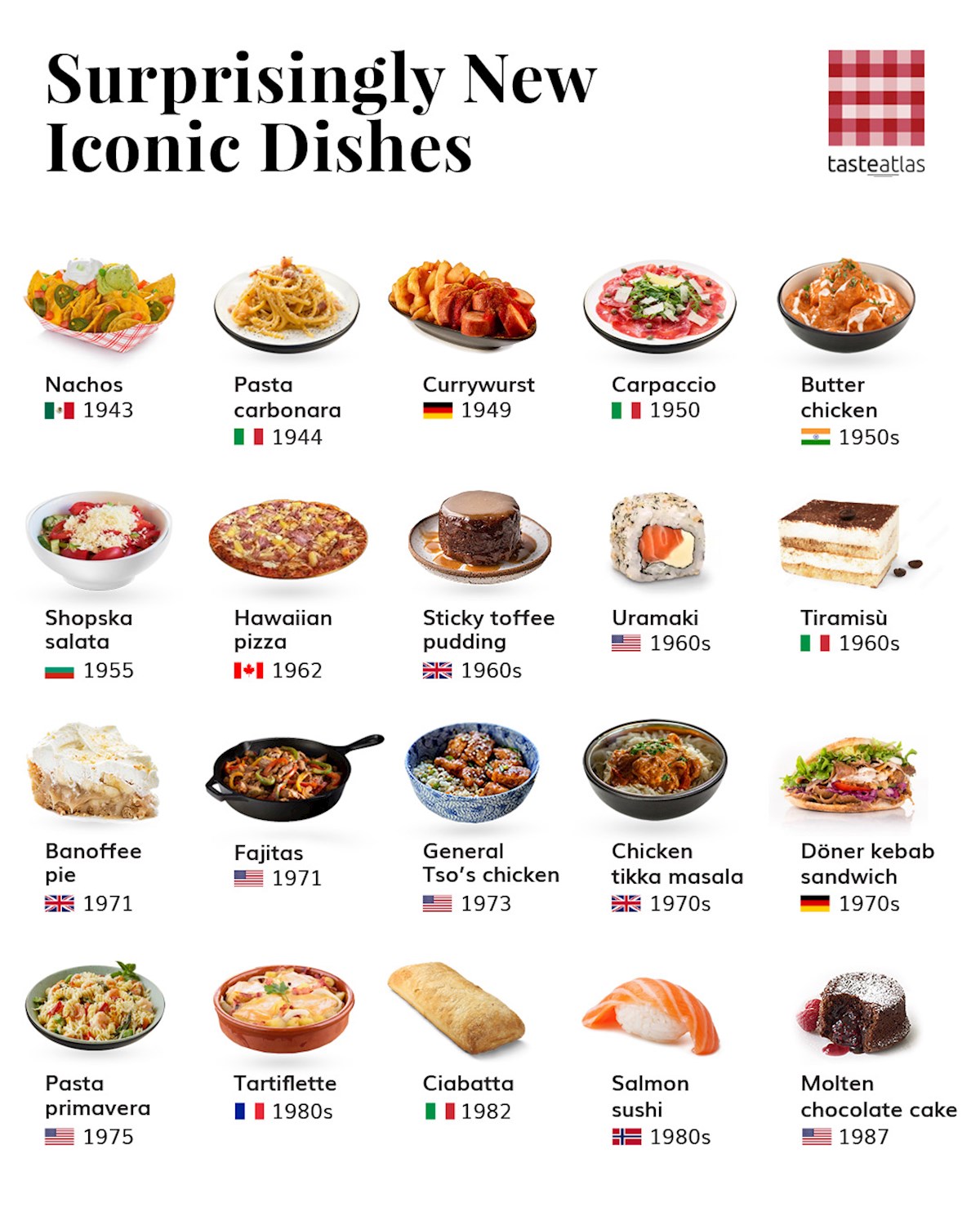
European cuisine is a broad category that includes a variety of regional styles. French, Italian, German, and British cuisines are just a few examples. Each region has its own specialties and cooking techniques. French cuisine is known for its emphasis on quality ingredients and fine dining, while Italian cuisine is famous for its pasta, pizza, and gelato. German cuisine features hearty dishes like sausages and pretzels, while British cuisine includes comfort foods like fish and chips and scones.
4. African Cuisine
African cuisine is a rich tapestry of flavors and ingredients, reflecting the continent’s diverse cultures and climates. Dishes like jollof rice, fufu, and injera are popular across Africa. These cuisines often use local ingredients like yams, plantains, and grains. Spices like berbere, a blend of chili peppers, garlic, and herbs, are commonly used in Ethiopian cuisine, while West African dishes often feature palm oil and okra.
5. American Cuisine
American cuisine is a blend of European, African, and Native American influences. It includes a variety of regional styles, such as Southern, New England, and California cuisine. Dishes like barbecue, chili, and apple pie are iconic examples of American cuisine. American cuisine is known for its use of a wide range of ingredients and cooking techniques, reflecting the country’s diverse population.
Cultural Significance of Food Cuisine

Food cuisine plays a crucial role in shaping cultural identity and social cohesion. It reflects the values, beliefs, and traditions of a society. Here are a few examples of how food cuisine contributes to cultural significance:
1. Preservation of Cultural Heritage
Food cuisine is a way to preserve cultural heritage. Traditional recipes and cooking techniques are passed down through generations, ensuring that cultural identity is maintained. For instance, in Italy, the art of making pasta is a cherished tradition that has been passed down for centuries.
2. Social Cohesion
Food brings people together, fostering social cohesion and community spirit. Festivals, celebrations, and family gatherings often revolve around food. For example, in India, Diwali is celebrated with a special feast called Diwali sweets, which brings families and friends together.
3. Economic Impact
Food cuisine has a significant economic impact. It contributes to the growth of tourism, agriculture, and the food industry. For instance, the popularity of Italian cuisine has led to the growth of Italian restaurants worldwide, creating jobs and generating revenue.
Conclusion
The diverse world of food cuisine reflects the rich tapestry of human civilization. By exploring the various types of food cuisine, we can appreciate the cultural significance they hold and the role they play in shaping our world. As globalization continues to bring people closer together, it is essential to preserve and celebrate these unique culinary traditions. Future research should focus on the impact of food cuisine on cultural identity, social cohesion, and economic development.
Recommendations and Future Research
To further understand the significance of food cuisine, the following recommendations and future research directions are proposed:
1. Conduct comparative studies on the impact of food cuisine on cultural identity and social cohesion in different societies.
2. Investigate the role of food cuisine in economic development, particularly in the context of tourism and agriculture.
3. Explore the potential of food cuisine as a tool for promoting cultural exchange and understanding between different societies.
4. Develop educational programs that focus on the history, techniques, and cultural significance of various food cuisines.
By delving deeper into the world of food cuisine, we can gain a better understanding of the diverse cultures that make up our global community.


