

The Art and Science of Meal Kits: A Comprehensive Overview
Introduction
In today’s hectic world, ready-to-cook meal kits have surged in popularity. These kits deliver pre-measured ingredients and step-by-step instructions, letting anyone put dinner on the table without advanced culinary skills. This overview examines how convenience, technology, and lifestyle trends combine to shape the modern meal-kit experience.
The Benefits of Meal Kits
Convenience
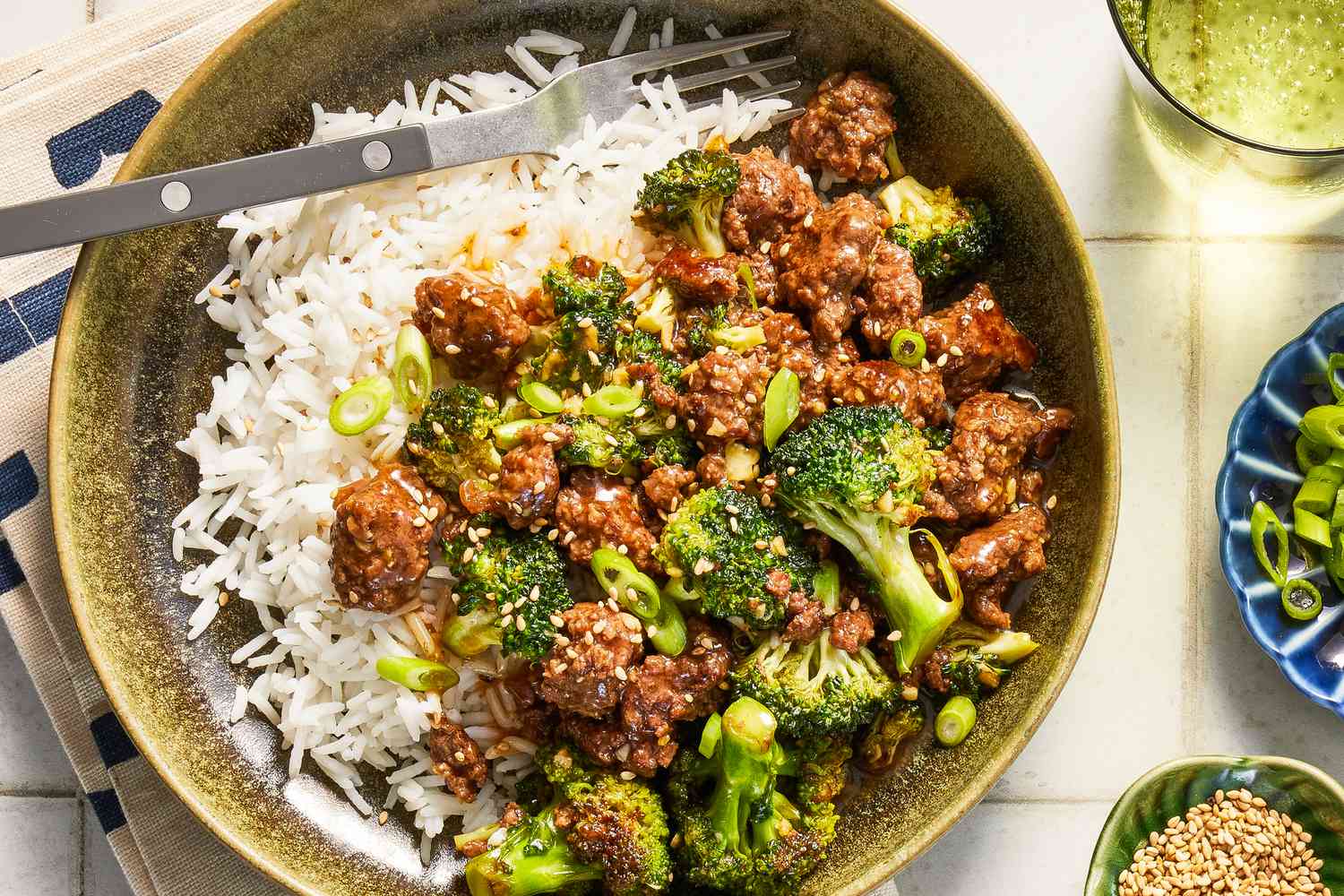
Time is the biggest draw. With ingredients pre-portioned and sauces pre-mixed, weeknight cooking shrinks to 15–30 minutes, freeing up hours for family, fitness, or relaxation.
Variety
Menus rotate weekly, spanning global flavors and seasonal produce. Subscribers can jump from Korean tacos to Mediterranean grain bowls without hunting down specialty spices.
Nutritional Value
Most services publish full nutritionals and offer filters for low-sodium, high-protein, or plant-based choices, making balanced eating almost effortless.
The Science Behind Meal Kits
Food Technology
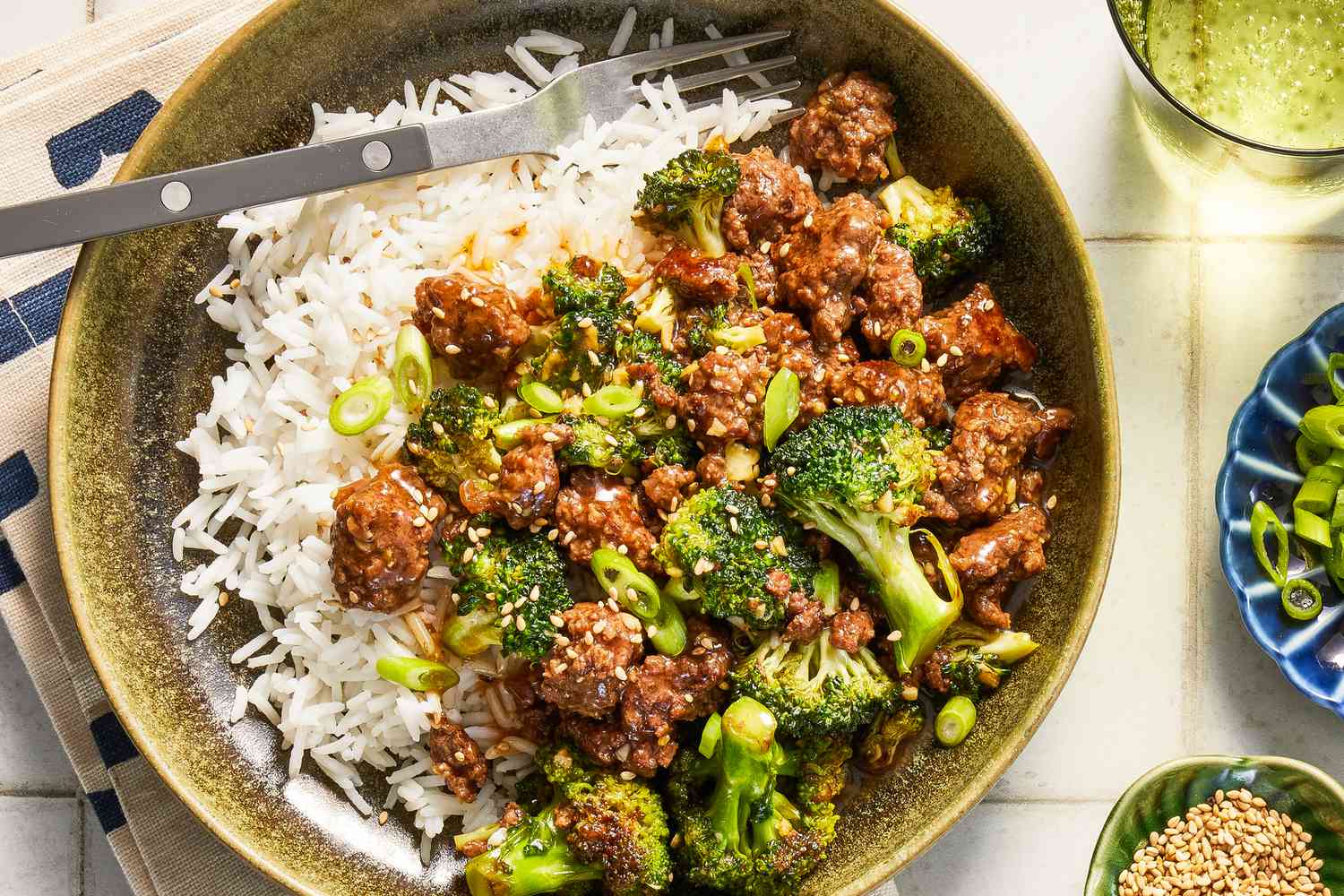
Flash-freezing, vacuum-sealing, and natural preservatives lock in freshness, letting fish or herbs travel hundreds of miles without ice crystals or wilted leaves.
Packaging
Insulated liners made from recycled denim or plant fibers keep contents cold, while recyclable gel packs maintain safe temperatures until the box is unpacked.
Cooking Methods
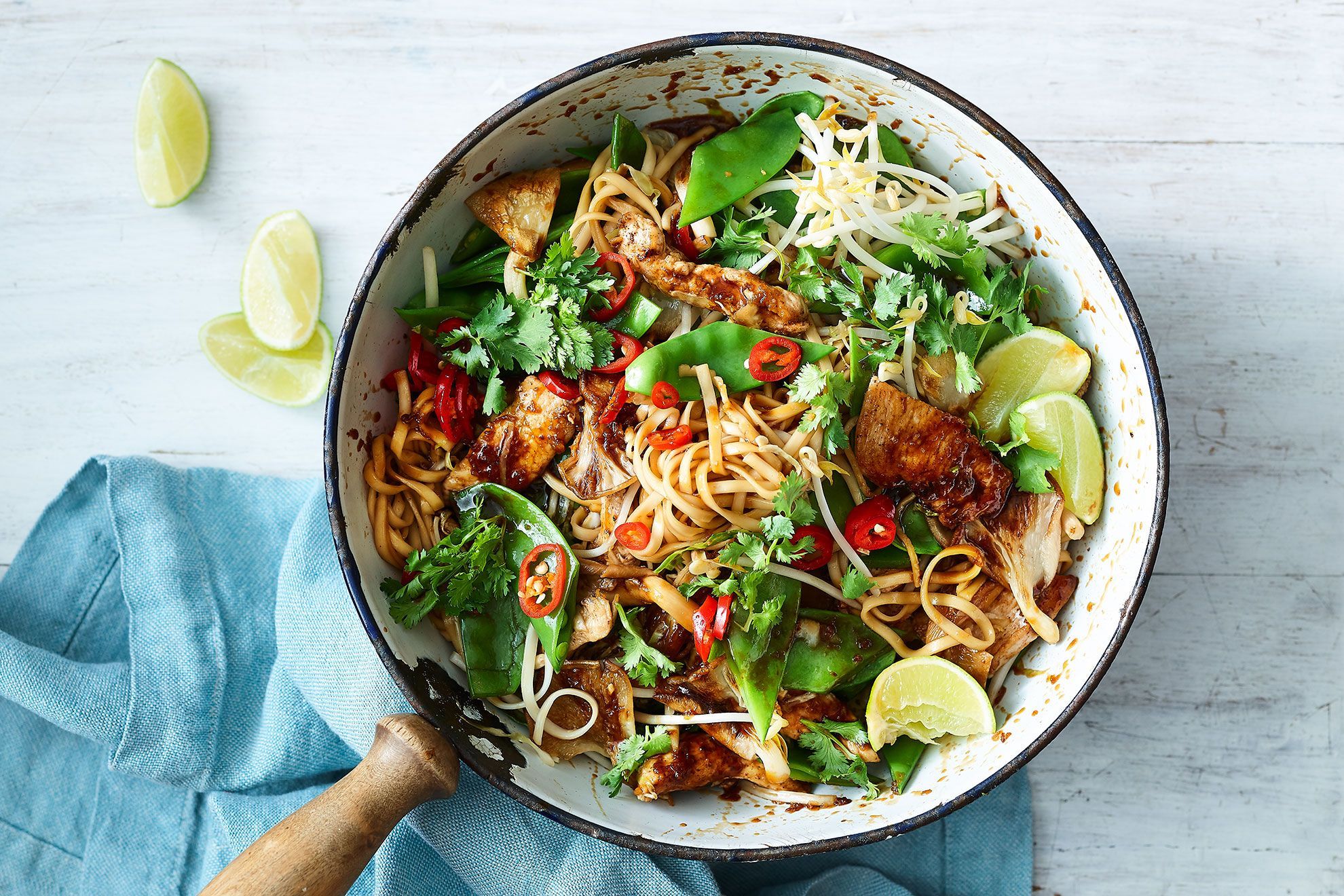
Recipe cards favor one-pan sautés, sheet-tray roasts, or microwave-steam bags, minimizing cleanup and energy use while maximizing flavor.
Challenges and Concerns
Nutritional Quality
Some kits still lean on salt, sugar, or cream for quick taste; checking labels and opting for “light” versions remains wise.
Environmental Impact
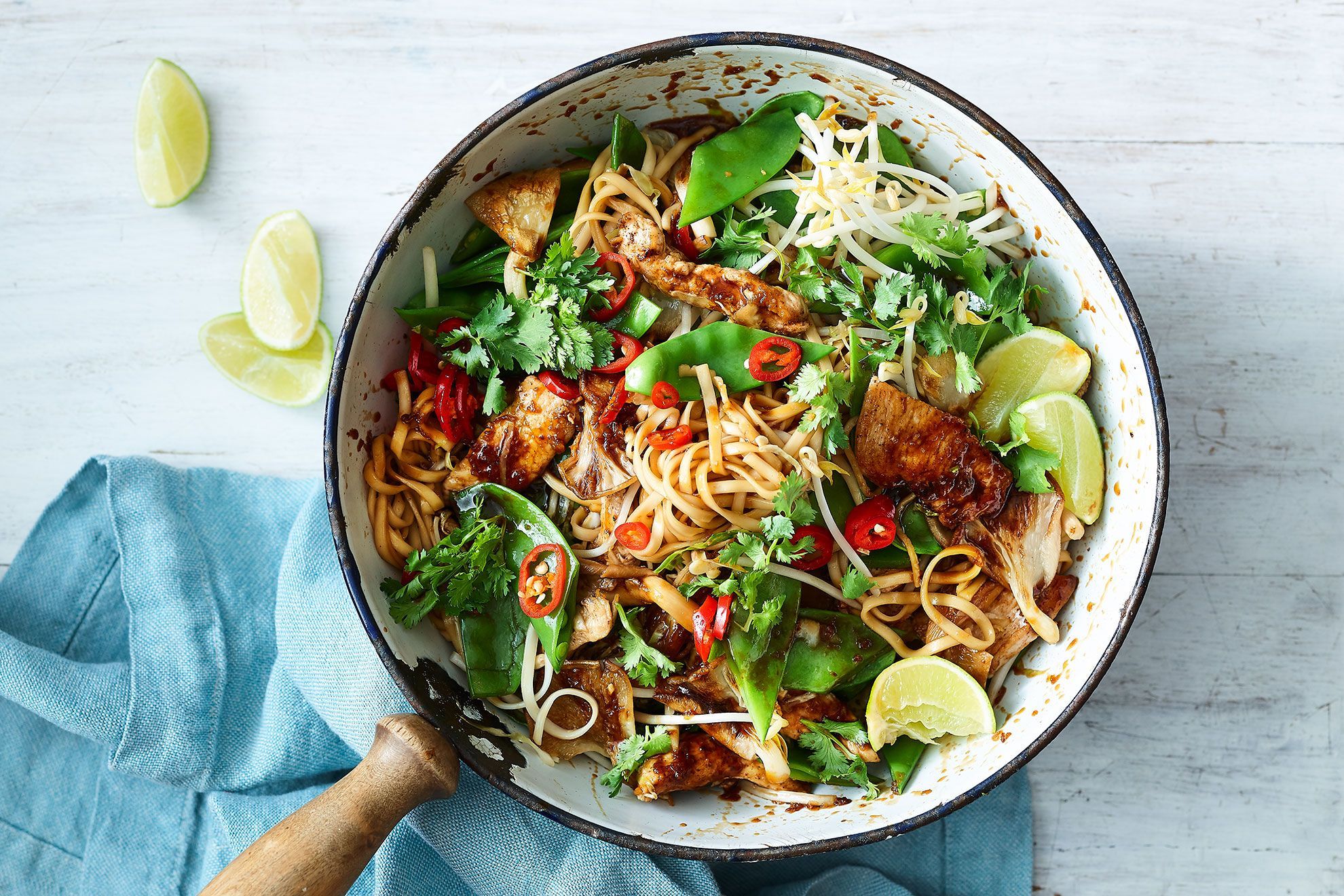
Single-use plastics and nationwide courier routes add carbon miles; many brands now offset emissions and offer return-to-recycle programs.
The Impact of Meal Kits on Daily Life
Time Management
By removing grocery trips and meal planning, households reclaim roughly three hours per week—time often redirected to workouts, hobbies, or bedtime stories.
Social Interaction
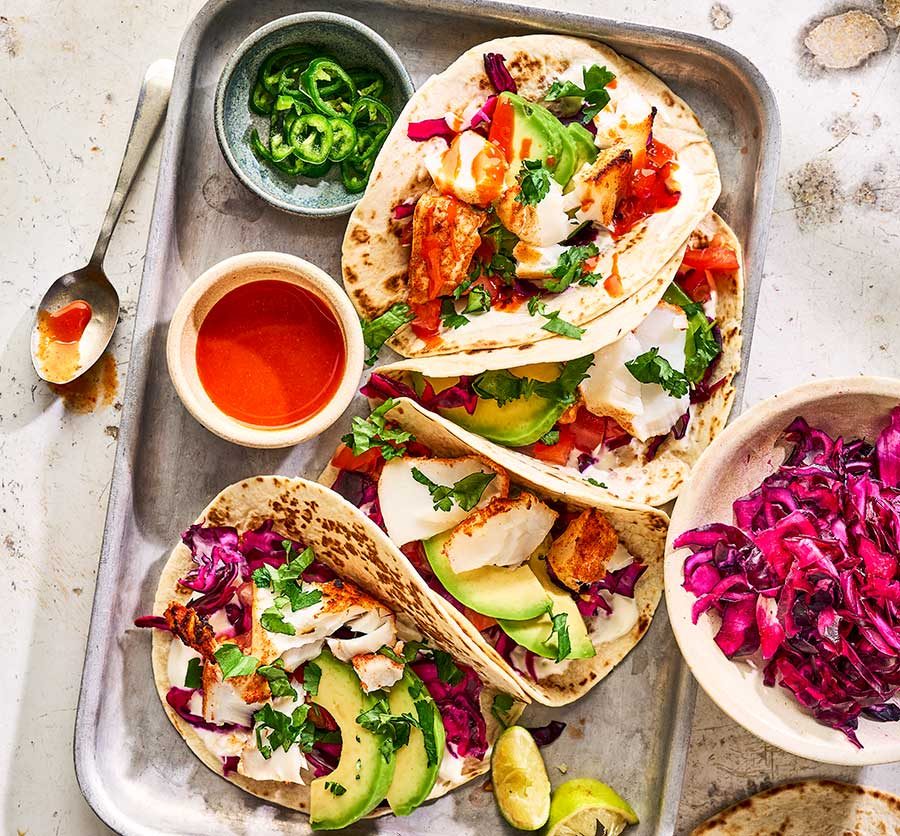
Cooking together from the same kit turns dinner into a shared project, while themed cuisines spark conversations about travel and culture.
Conclusion
Meal kits have woven themselves into modern routines, trading a small premium for big savings in time, stress, and food waste. Continued focus on greener packaging and cleaner labels will decide how enduring that place at the table becomes.
Future Directions
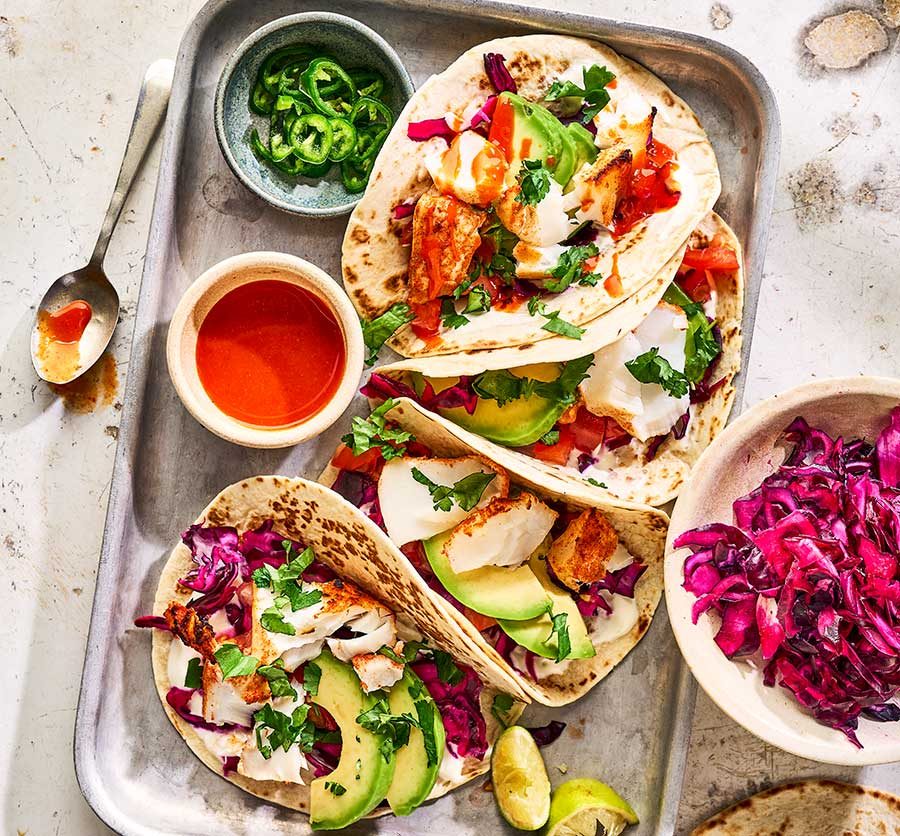
Expect smarter personalization—apps that sync with fitness trackers to adjust macros—and wider adoption of compostable pouches, reusable totes, and local sourcing to keep both bodies and planet healthier.


