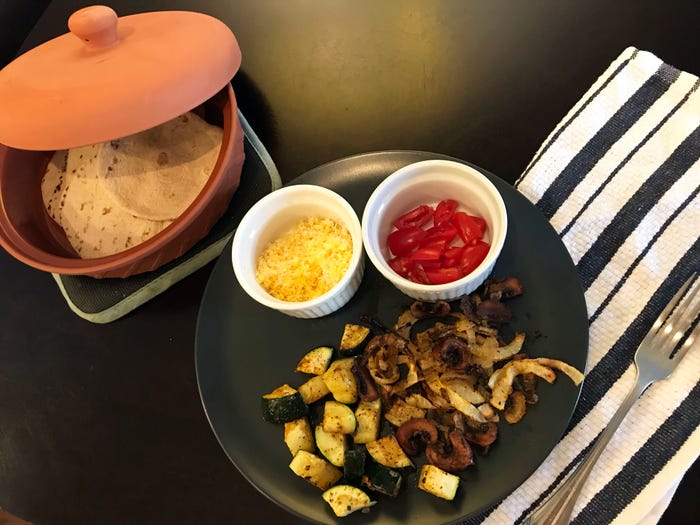
The Rise of Home-Cooked Meals: A New Chapter in Everyday Eating
Introduction
More people than ever are choosing to eat at home, turning kitchens into the new favorite dining spot. The move is fueled by tighter schedules, wellness goals, and a curiosity for global flavors. This piece looks at why home cooking is booming and how it is reshaping the way we think about mealtime.
The Concept of Home-Cooked Meals
Home-cooked meals simply mean food prepared and enjoyed in your own space. It can be a speedy weekday supper or a weekend project that fills the house with inviting aromas. The common thread is full control over ingredients, portions, and creativity.

Convenience: The Main Motivator
Speed matters. Ready-to-cook kits, grocery delivery, and step-by-step video guides have trimmed shopping and prep time, making it realistic to put a balanced dish on the table after a busy day. These services send pre-measured spices and produce, so even novice cooks can plate a comforting meal without extra errands.
Health on the Front Burner
Knowing exactly what goes into each bite encourages lighter seasoning, fresher produce, and mindful portions. When you stand at the stove yourself, it is easier to limit salt, swap in whole grains, or adjust recipes for specific dietary needs.
Flavor Adventures from the Sofa

Streaming tutorials and photo feeds invite home chefs to test Korean bibimbap one night and Middle Eastern falafel the next. Ingredients once labeled “specialty” now sit on regular supermarket shelves, turning the weekly menu into a gentle tour around the world.
Ripple Effects on Dining Out
Households that cook more often still crave restaurant taste, so many eateries now offer take-out or finish-at-home kits. In turn, casual cooking clubs and online classes are thriving, proving that interest in food is shifting rather than shrinking.
Evidence and Research
Recent industry snapshots show a steady climb in the number of dinners prepared at home. Time-use studies also note that the average person now sets aside a little more time for meal prep compared with a decade ago, suggesting that cooking is regaining its role as a daily ritual.
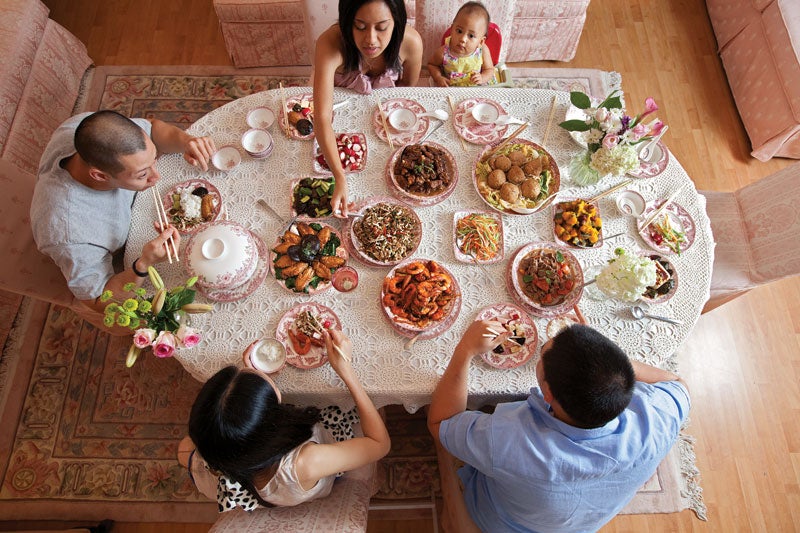
The Role of Technology
Smart ovens that sync with recipe apps, voice-activated timers, and reusable silicone tools lower the effort barrier. Meanwhile, social feeds provide instant feedback and inspiration, turning once-private kitchens into lively, share-worthy spaces.
Conclusion
Home cooking has moved from necessity to lifestyle choice, blending convenience, health, and creativity. As tools and ingredients keep improving, the kitchen will likely remain the heart of modern eating culture.
Recommendations and Future Directions
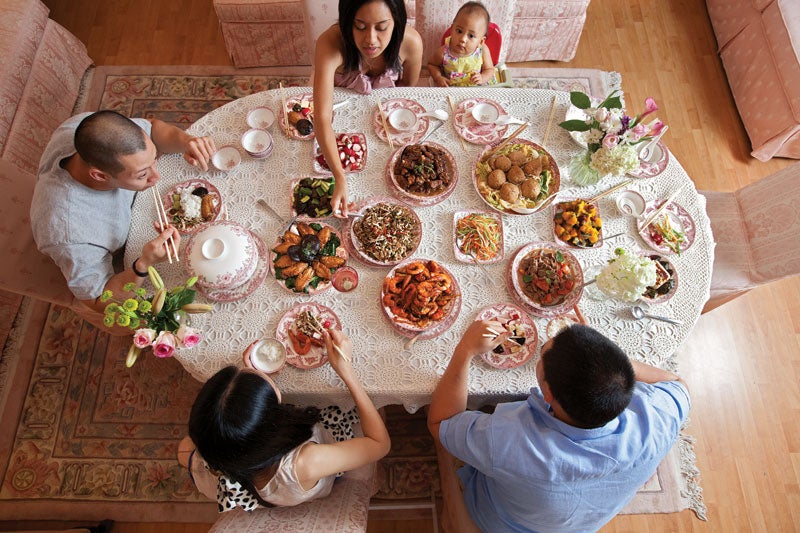
Food businesses can strengthen ties with home cooks by:
1. Expanding flexible delivery and curbside options.
2. Designing clear, quick-cook kits that still feel handmade.
3. Partnering with culinary creators to release rotating, globally inspired menus.
Continued study could explore how sustained home cooking affects overall food spending, waste levels, and community connections in the years ahead.