The Art of Crafting Restaurant Menus: Innovative Ideas for Culinary Excellence
Introduction
A menu is far more than a simple list of dishes; it is the first conversation between kitchen and guest. It frames expectations, guides choices, and quietly tells the story of the restaurant’s personality and the chef’s imagination. This article explores practical yet creative ways to shape that story, from visual layout to seasonal rhythm, so that every diner’s experience feels both personal and memorable.
The Importance of Menu Design
Understanding the Power of First Impressions
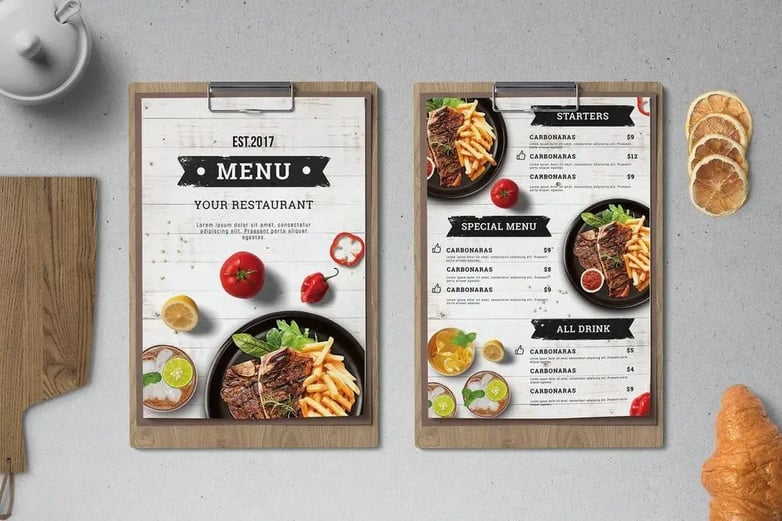
The moment a guest opens the menu, judgment begins. Clean typography, balanced white space, and a clear hierarchy invite curiosity, while cluttered pages or hard-to-read fonts can dampen appetite. A thoughtful first glance builds trust and gently nudges diners toward discovery.
Creating a Visual Appeal
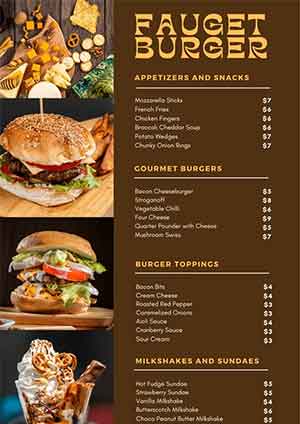
Colors, textures, and imagery should echo the restaurant’s atmosphere. Soft earth tones might suit a farm-to-table café, whereas bold graphics could energize an urban bistro. When visuals harmonize with the cuisine, guests order with confidence and leave with a stronger emotional imprint.
The Role of Trends
Keeping Up with the Times
Food culture moves quickly, yet chasing every fad can feel hollow. The smartest menus weave contemporary touches—fermented accents, plant-forward plates, or globally inspired spices—into a core identity that still feels authentic to the house.
Embracing Seasonality
Rotating produce, fish, and meats according to natural cycles keeps flavors vivid and supports local growers. A short, seasonal insert or a chalkboard of daily harvest specials signals freshness and reduces kitchen waste at the same time.
Strategies for Successful Menu Creation
Identifying Your Target Audience
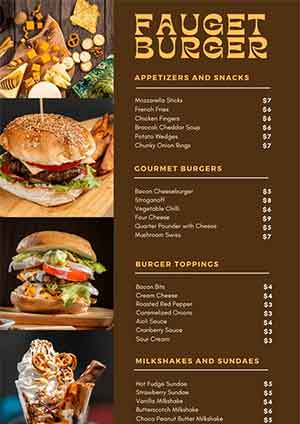
A seaside terrace catering to vacationing families will read differently from a downtown tasting room aimed at adventurous foodies. Language, portion cues, and price anchors should speak directly to the guest’s comfort zone while leaving room for gentle surprises.
Offering a Mix of Dishes
Balance is key: bright starters that awaken the palate, hearty mains that satisfy, and playful desserts that invite sharing. A concise but varied selection prevents decision fatigue and ensures every dietary preference finds a welcoming spot.
Highlighting Signature Dishes
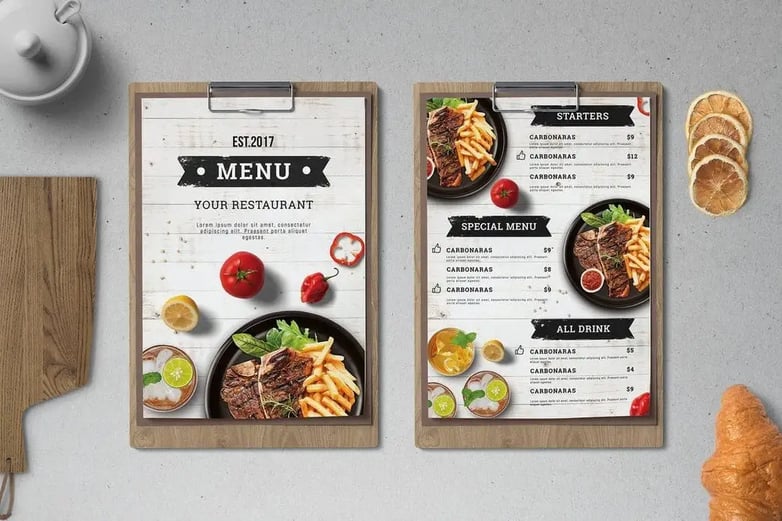
Every restaurant needs a handful of “only here” plates—those recipes that regulars crave and newcomers Instagram. Framing them with subtle visual cues, such as a modest icon or a short chef’s note, turns curiosity into orders and orders into loyalty.
Case Studies
The Case of The Green Table
This neighborhood favorite refreshes its menu monthly around what nearby farms harvest. By weaving vegetables into the center of the plate and offering optional wine pairings, the team keeps repeat guests engaged while lowering food miles.
The Case of The Gourmet Bistro
With a compact open kitchen, this bistro invites diners to watch sous-vide baths and smoking cloches in action. The playful presentation—think edible “soil” made from dehydrated olives—adds theater without overshadowing honest, vibrant flavors.
Conclusion
Great menus evolve like living documents: rooted in clear identity, responsive to the seasons, and tuned to the guest’s heartbeat. When design, narrative, and taste align, the result is not just a meal but a lasting memory that guests carry well beyond the final bite.
Recommendations and Future Research
Operators should schedule quarterly menu audits, tasting through the eyes of both first-time and loyal guests. Continued exploration into sustainable sourcing, portion flexibility, and the psychology of choice will keep the craft advancing, ensuring every printed page or digital screen remains an open door to delight.