Famous Food Dishes: A Culinary Journey Around the World
Introduction
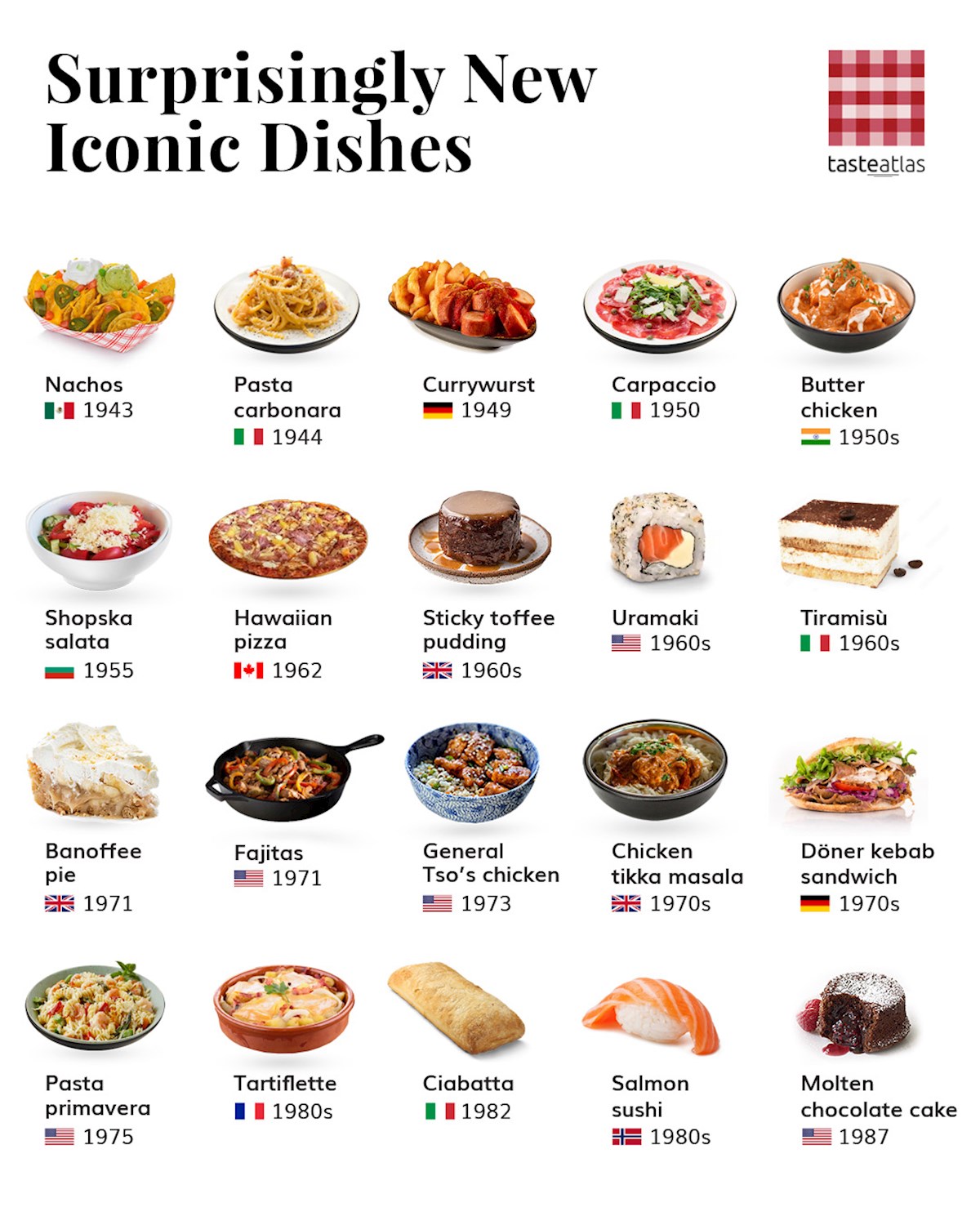
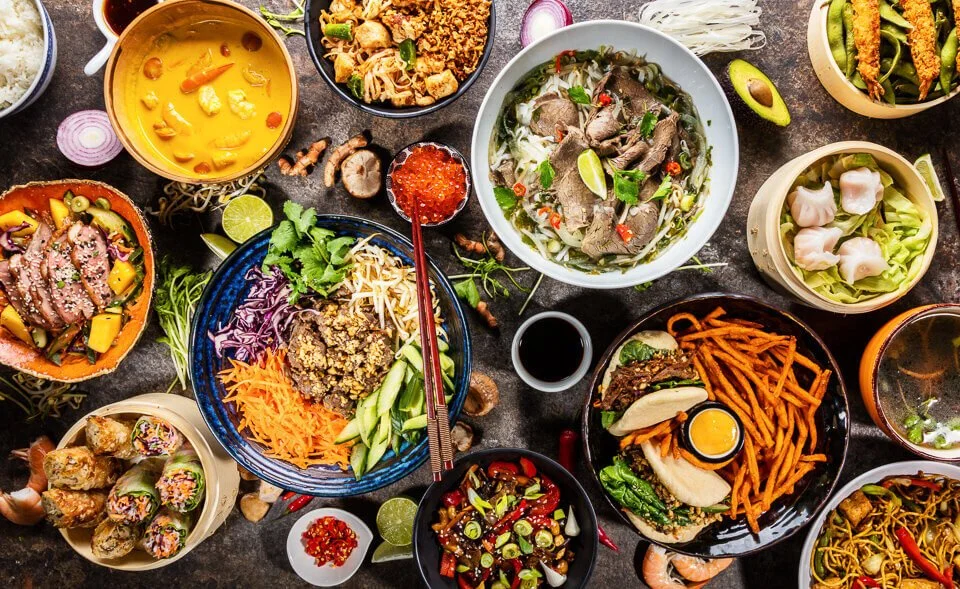
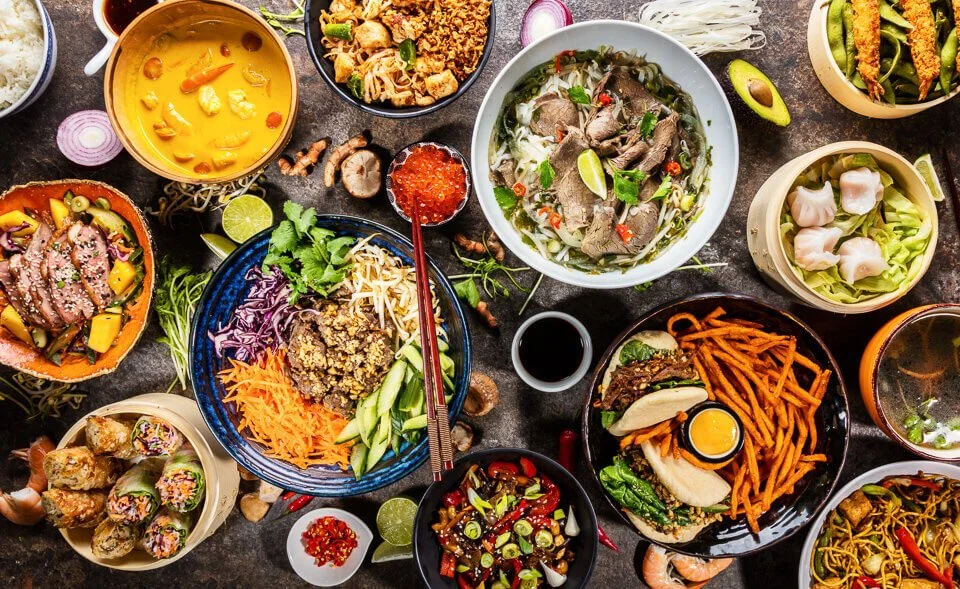
Every corner of the globe offers its own edible signature, a plate that whispers stories of climate, trade, migration, and celebration. These celebrated dishes transcend mere sustenance, acting as edible passports that invite outsiders to taste a culture’s soul while reminding locals of home. The following tour samples a handful of these edible icons, tracing the roots, aromas, and rituals that keep them relevant generation after generation.
The Italian Pasta: A Staple of Italian Cuisine
Italian Pasta: A Staple of Italian Cuisine
From silky strands to quirky shapes designed to cradle sauce, pasta is Italy’s beloved blank canvas. Ancient Mediterranean civilizations already kneaded durum dough, but regional Italy refined it into an art, pairing local produce with whatever the land offered. Today, each province flaunts its own silhouette and sauce marriage.
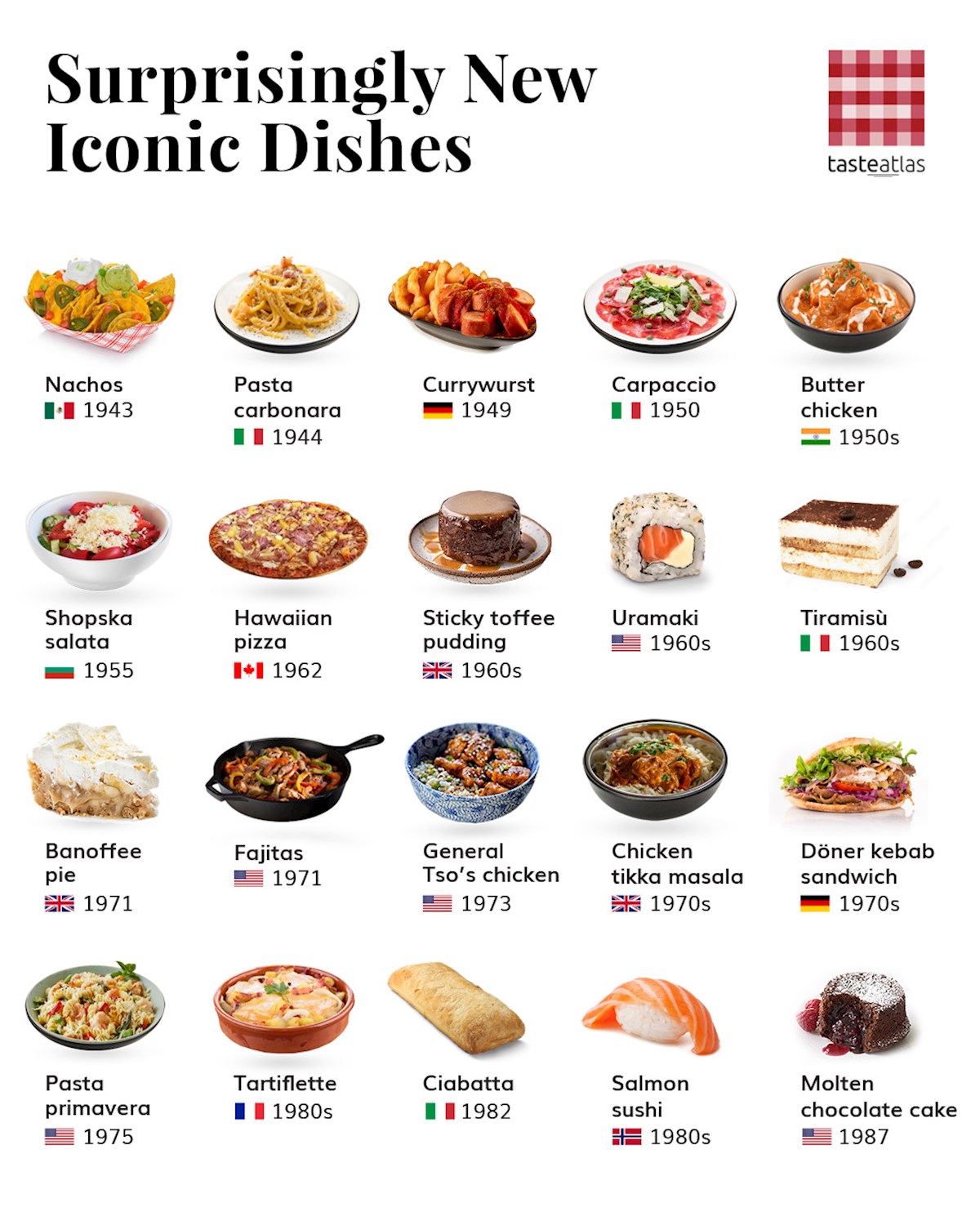
Think of spaghetti carbonara, a Roman classic that balances cured pork, egg, aged cheese, and pepper for a silky finish without cream. Further north, lasagna layers noodles with slow-simmered ragù, béchamel, and grated cheese, baked until bubbling. Both dishes double as weeknight comforts and festive centerpieces, proving that simplicity and conviviality can coexist in one pan.
The French Baguette: A Symbol of French Bread Culture
The French Baguette: A Symbol of French Bread Culture
Long, crackling, and feather-light within, the baguette is more than bread—it is a daily ritual. Urban legends link its elongated form to ease of carrying, yet its true magic lies in fermentation and a steamy oven that creates the signature contrast between shattering crust and airy crumb.
Slice it for a jambon-beurre sandwich, or float a toasted chunk atop French onion soup, where the bread absorbs rich broth under a blanket of melted cheese. Either way, the baguette turns humble ingredients into an experience that feels both rustic and refined.
The Japanese Sushi: A Delicate Art Form
The Japanese Sushi: A Delicate Art Form
Precision, seasonality, and respect for the sea define Japanese cuisine, and sushi distills these values into bite-sized form. Early versions used fermented rice to preserve fish, but over centuries chefs swapped fermentation for vinegar, transforming preservation into refinement.
Nigiri presents a gently pressed oval of rice crowned with a dab of wasabi and the freshest catch, while maki rolls rice and fillings inside a sheet of nori. Beyond flavor, sushi offers theater: the quiet rhythm of blades, the scent of toasted seaweed, the brief conversation between chef and guest across the counter.
The Indian Curry: A Spicy and Complex Flavor Profile
“Curry” may be an umbrella term, but it shelters an entire monsoon of spices, each region layering aromatics to suit local palates and pantries. Turmeric, cumin, coriander, and ginger form the backbone, yet proportions and techniques shift from kitchen to kitchen.
Creamy tomato-based gravies soothe those who favor mild heat, while vinegar-kissed, chili-laden stews ignite adventurous tongues. Paired with fluffy rice or warm flatbread, these sauces turn humble pulses, vegetables, or meats into celebratory feasts that perfume homes and street corners alike.
Conclusion
Iconic dishes act as edible time capsules, preserving the geography, ingenuity, and spirit of the people who created them. Sharing a plate of pasta, breaking bread, lifting sushi, or scooping curry becomes an unspoken dialogue—one that crosses borders without a passport and fosters understanding one bite at a time.
Recommendations and Future Research
Cooking schools, museums, and community centers can deepen appreciation by offering hands-on classes that pair technique with storytelling. Meanwhile, curious chefs can reimagine traditional frameworks, swapping ingredients or methods to reflect modern values such as sustainability or plant-based eating.
Scholars might next explore how migration, social media, and supply chains reshape classic recipes, or investigate the nutritional balance these heritage meals provide. Continued curiosity ensures that tomorrow’s tables still carry the flavors of yesterday, adapted for the palates and planet of the future.