

The Art and Science of Cooking: A Complete Guide to Recipe-Based Cooking
Introduction
Cooking, a daily ritual shared across cultures, has grown into a craft that balances creativity with precise method. From selecting produce to timing the heat, every step shapes flavor, texture, and aroma. This guide looks at why written recipes matter, the science that quietly guides the stove, and how each ingredient adds its own voice to the final dish.
Why Recipes Matter
A recipe is more than a list; it is a tested path that turns raw items into a reliable experience. By following it, home cooks and professionals alike can repeat success, learn underlying principles, and gradually build intuition for future experiments.
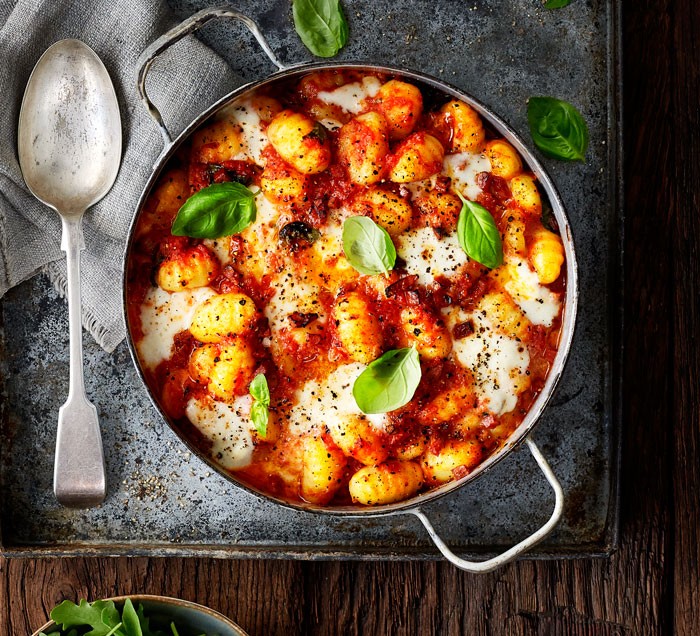
Consistency in Flavor and Appearance
Clear measurements and steps give every batch the same balance of seasoning, color, and mouthfeel. This repeatability is valued not only in restaurants but also at family tables where a favorite dish is expected to taste “just like last time.”
Learning the Hidden Science
Behind every instruction lies a physical or chemical event—proteins unfolding, starches swelling, sugars browning. A good recipe hints at these events, helping cooks understand why meat rests, why dough rises, or why sauces thicken.
Ingredients as Co-Stars

Each component brings acidity, sweetness, fat, or fragrance. Recognizing these traits lets a cook adjust for seasonal variations, dietary needs, or personal preference without losing harmony on the plate.
Core Techniques and the Science Beneath Them
Techniques are the bridge between raw and remarkable. Mastering them starts with knowing how heat moves and how food reacts.
Heat Transfer at a Glance
Energy travels in three ways: direct contact (conduction), moving air or liquid (convection), and waves (radiation). A grilled steak browns through conduction on hot metal, an oven roasts by convection currents, and a microwave vibrates water molecules with radiation.
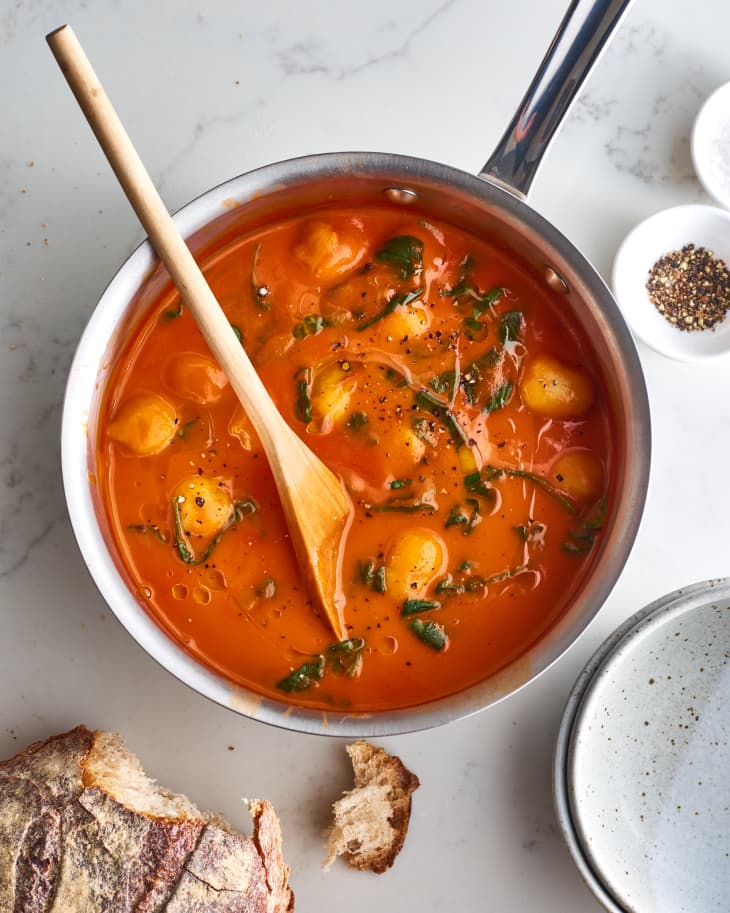
Key Reactions in the Pan
– Maillard browning: amino acids and sugars meet high heat, producing deep color and savory notes.
– Caramelization: sugars alone break down into complex, nutty sweetness.
– Fermentation: microbes convert sugars into acids or alcohol, giving yogurt its tang and bread its airy crumb.
Ingredients in Action
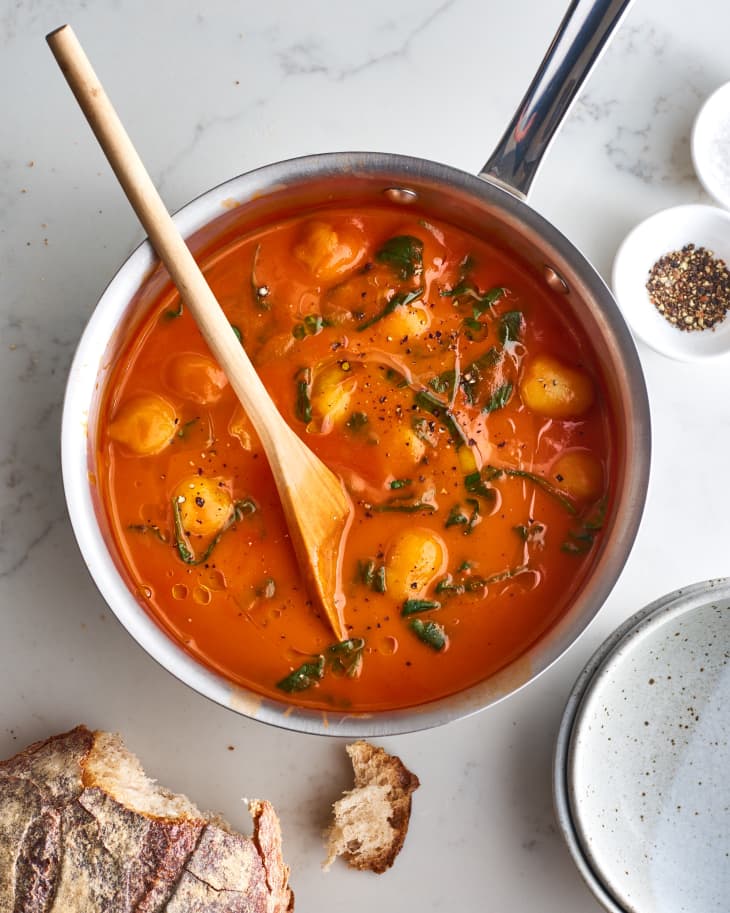
Choosing and combining raw materials decides whether a dish sings or falls flat.
Proteins
Whether from legumes, seafood, or poultry, proteins firm up under heat. Gentle, steady temperatures keep them juicy; too much fire squeezes out moisture and leaves toughness behind.
Carbohydrates
Grains, tubers, and fruits provide body and subtle sweetness. Cooking softens cell walls, releases starch, and creates the comforting texture found in risottos, stews, and pies.
Fats
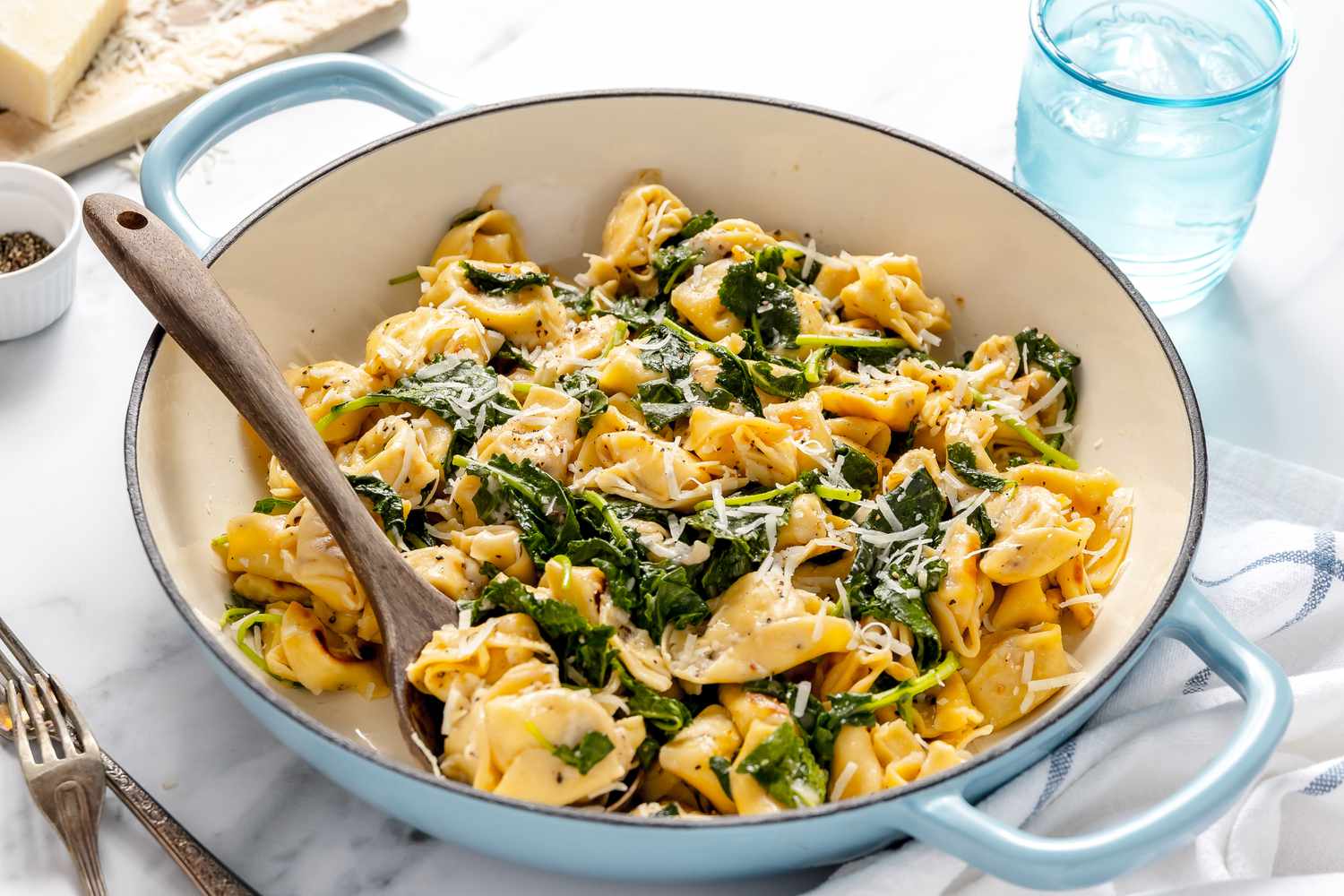
Oils and butters carry flavor, prevent sticking, and keep meats succulent. They also transfer heat evenly, helping spices bloom and surfaces crisp.
Herbs and Spices
Fragrant leaves and seeds act as punctuation marks, sharpening or softening the overall sentence of a dish. Added at the right moment, they brighten sauces, deepen marinades, or finish a plate with aroma.
Conclusion
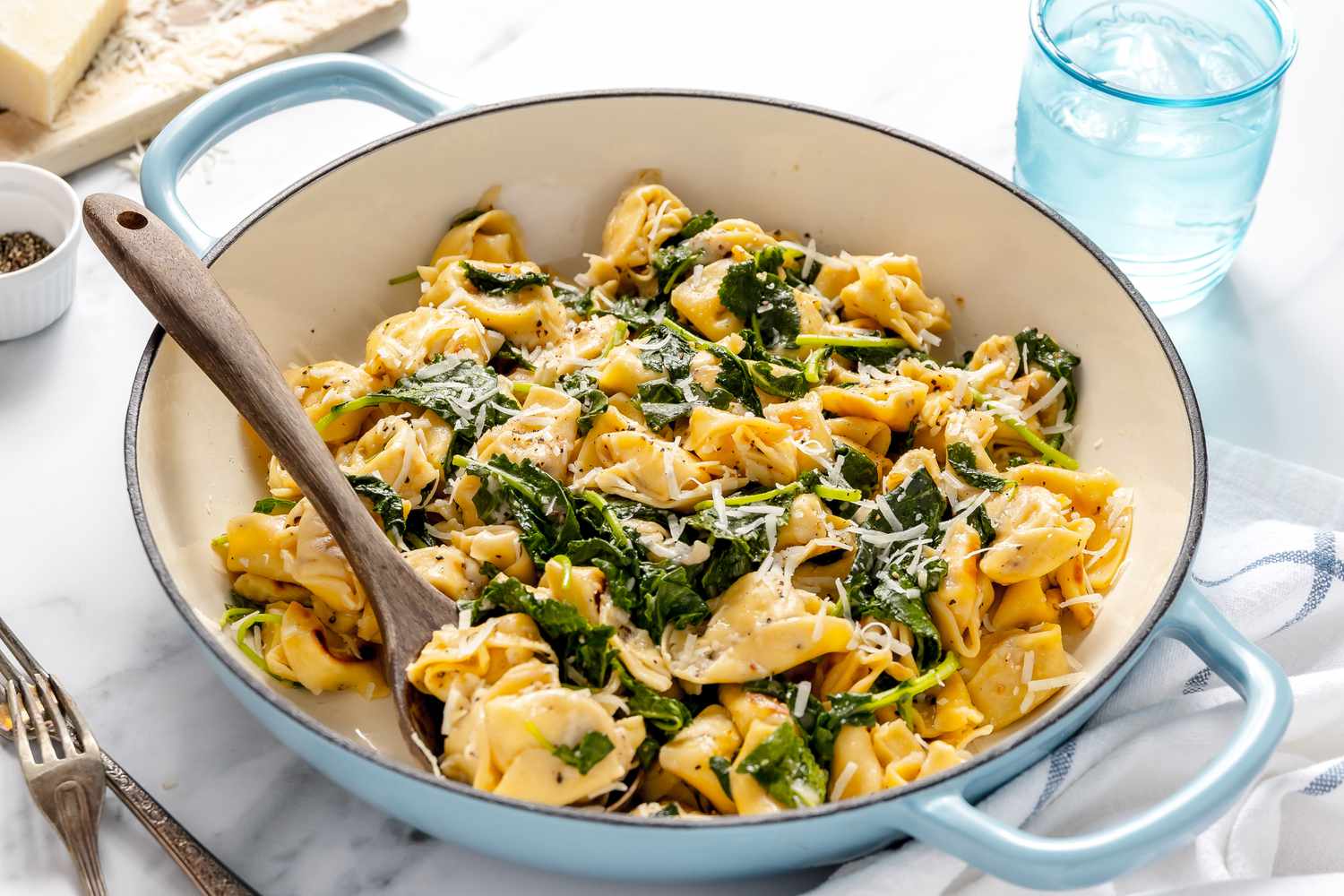
Recipe-based cooking weaves precise guidance with creative instinct. By respecting the instructions while noticing the science they rest on, anyone can turn everyday groceries into meals that comfort, impress, and nourish. As techniques evolve and global flavors mingle, the recipe remains both map and compass for continuous culinary discovery.
Where Exploration Can Go Next
Curiosity in the kitchen never needs to end. Future journeys might include:
– Studying how different heat levels preserve or alter nutrients.
– Inventing faster, energy-saving methods such as pressure steaming or hybrid ovens.
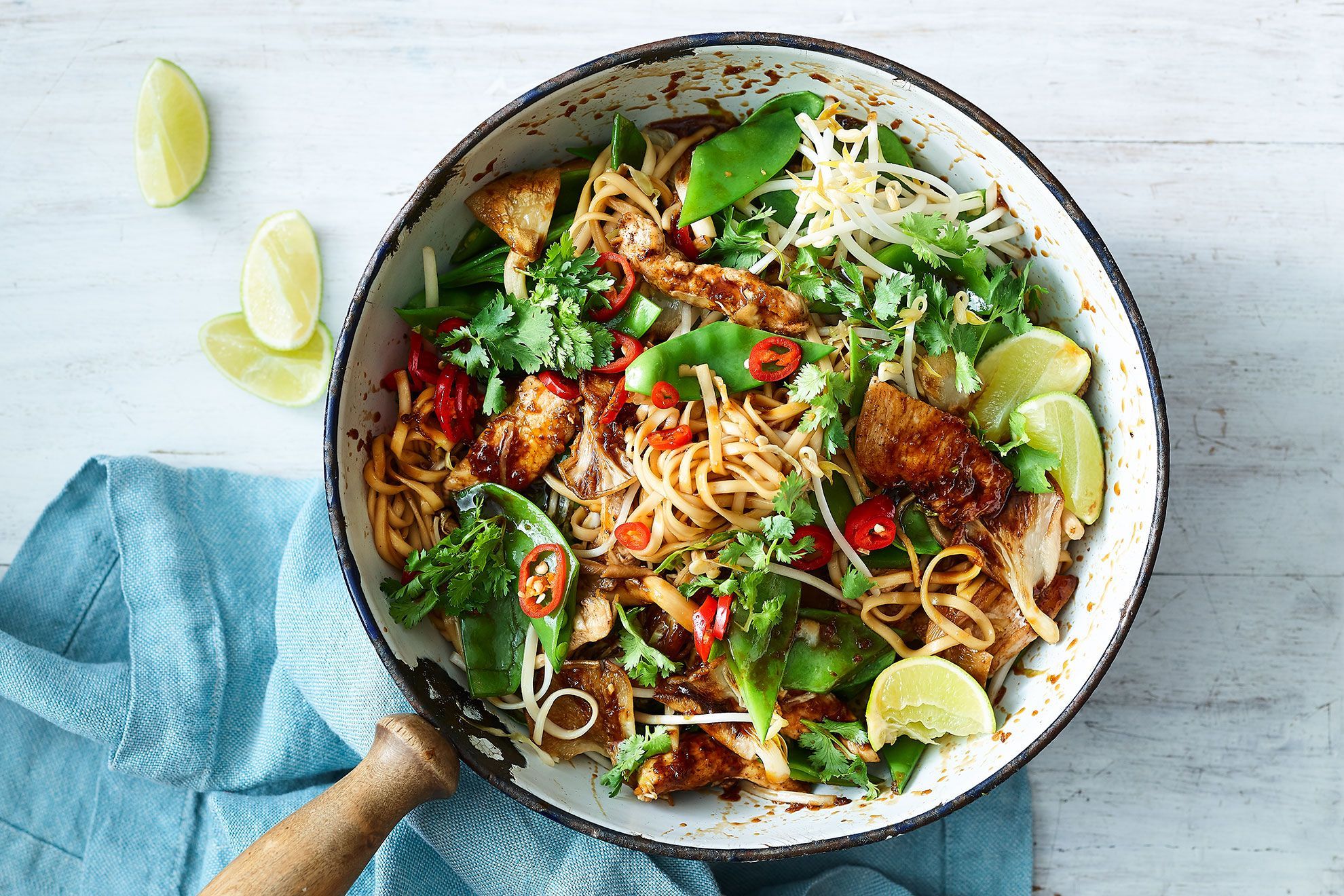
– Embracing smart devices that adjust time and temperature in real time.
– Tracing how historic trade routes shaped the spice blends we shake into pots today.



