

How Online Cooking Videos Are Reshaping Home Kitchens
Short-form videos and step-by-step channels have quietly become the new culinary classroom. By blending instant access, visual guidance, and hands-on practice, these clips are changing the way home cooks build confidence at the stove. This piece looks at why the format matters, how it influences everyday learning, and where it might head next.
The Rise of Cooking Tutorials
Affordable smartphones and faster data plans have turned every countertop into a potential film set. What once required a television crew now needs only a ring light and a steady hand. As a result, countless creators upload daily lessons that range from chopping an onion to folding dumplings, reaching global audiences within minutes.
Accessibility and Inclusivity
Because the only ticket to these classes is an internet connection, geography and tuition fees no longer decide who can join. Cooks on every continent share family dishes, swap substitutions, and celebrate one another’s successes in comment threads that double as support groups.
Recent estimates suggest that recipe content online has grown steadily year after year, reflecting rising curiosity about food culture and technique.
Interactive Learning Experience
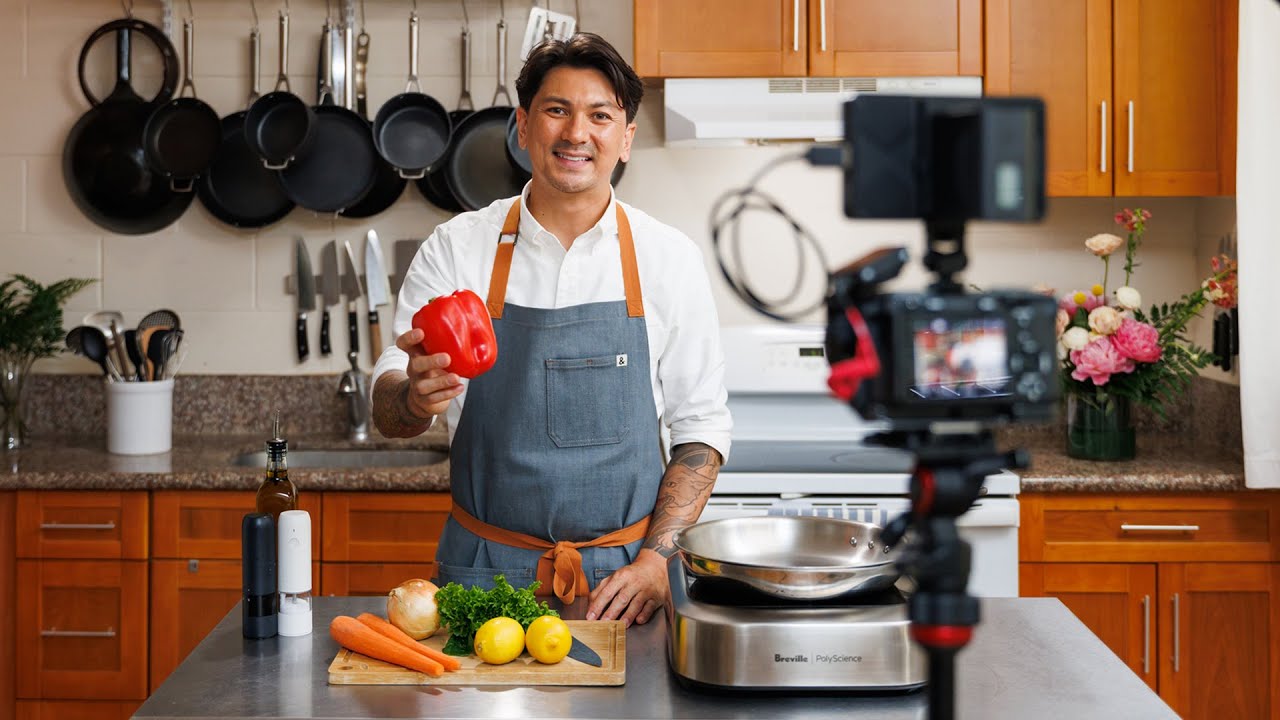
Unlike printed instructions, video allows viewers to pause mid-whisk or rewind to catch the exact sizzle moment. Many creators pin time-stamps, answer questions, and post follow-up clips when something needs clarification. This two-way flow keeps beginners from feeling stranded when a sauce breaks or dough refuses to rise.
Informal polls show that most first-time learners feel more secure attempting a dish after watching someone else nail—or rescue—the same steps.
Practicality and Real-World Application
Good clips go beyond ingredient lists; they explain why onions must sweat before browning, how to rescue over-salted soup, or which pantry staples can stand in for exotic spices. Viewers pick up timing cues, safety habits, and storage tricks that textbooks often tuck into sidebars.
Such grounded advice bridges the gap between theory and the messy reality of actual kitchens.
The Role of Influencers
Charismatic hosts—whether Michelin-starred chefs or chatty home cooks—act as digital mentors. Their personalities keep audiences returning, while their endorsements can turn an obscure utensil into a must-have tool overnight.
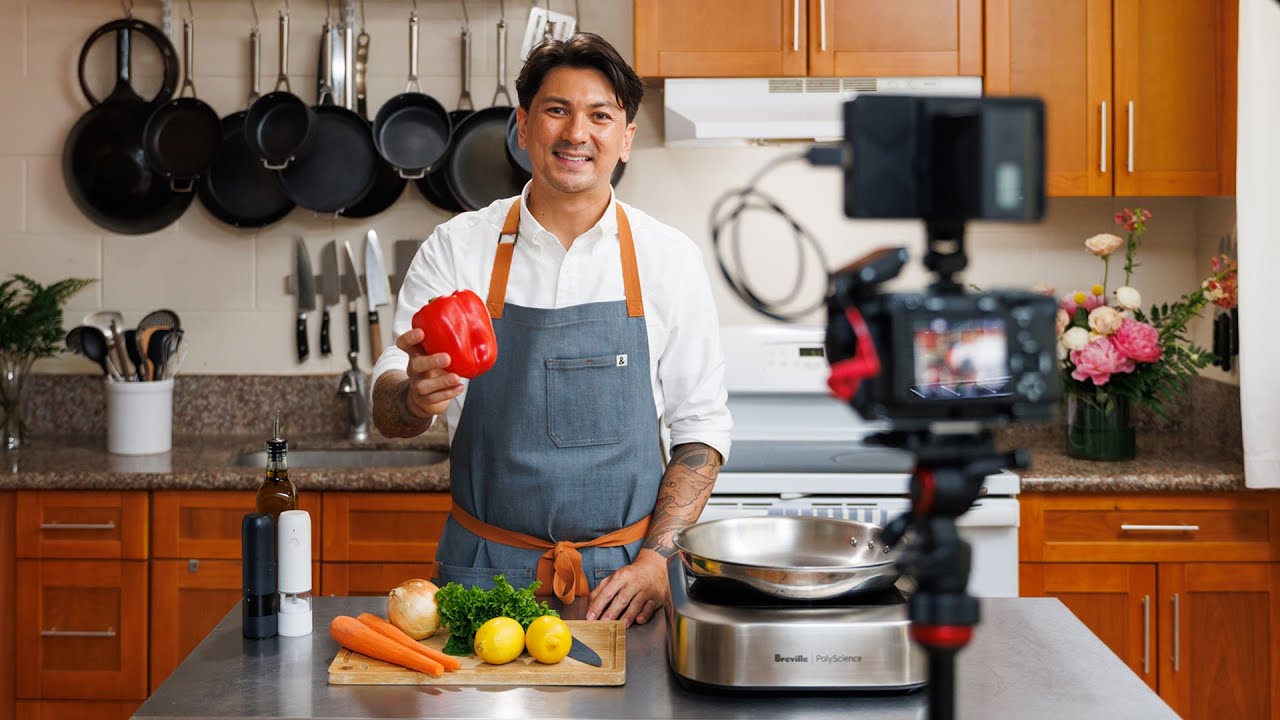
Market watchers note that a sizable share of viewers shop for specific gadgets or ingredients right after seeing them used on camera, underscoring the persuasive pull of trusted voices.
Challenges and Limitations
Recorded lessons cannot taste a viewer’s sauce or correct uneven knife cuts in real time. The sheer volume of uploads also means quality varies wildly; some clips skip key safety steps or misstate temperatures, leaving novices to gamble with dinner.
Discernment—cross-checking sources and reading feedback—has become an unofficial part of the curriculum.
The Future of Cooking Tutorials
As cameras get sharper and platforms experiment with augmented reality, tomorrow’s lessons might overlay timers on a user’s own pot or guide knife angles via smart glasses. Algorithm-driven playlists could adapt to skill level, dietary goals, or even the leftovers waiting in the fridge.
Whatever the tech, the core mission will stay the same: helping more people turn raw ingredients into meals worth sharing.
Conclusion
Online cooking videos have already redefined what it means to “go to culinary school,” trading white toques for phone stands and studio lights. While they will never fully replace in-person feedback, their reach, immediacy, and warmth continue to swell the ranks of confident home cooks.
Far from a fad, this moving-picture cookbook is now a permanent fixture in the modern kitchen, inspiring new dishes and new teachers with every upload.



