

Gourmet Cooking Ideas: A Culinary Journey into Exquisite Flavors
Introduction
Gourmet cooking has long been celebrated as the pinnacle of culinary artistry. It transforms meals into multisensory experiences where color, aroma, texture, and taste harmonize on the plate. Across continents and generations, inventive cooks have refined techniques and blended traditions, continually expanding what “gourmet” can mean. This overview invites you to discover fresh concepts that can lift everyday cooking toward restaurant-level brilliance.
The Evolution of Gourmet Cooking
From the lavish feasts of early empires to today’s chef-driven tasting menus, refined cooking has always mirrored available ingredients and cultural exchange. Spices once carried along trade routes now sit beside heritage grains at neighborhood markets, while centuries-old preservation methods inspire modern plating styles. Each era adds new layers, ensuring the gourmet landscape never stands still.
The Importance of Gourmet Cooking
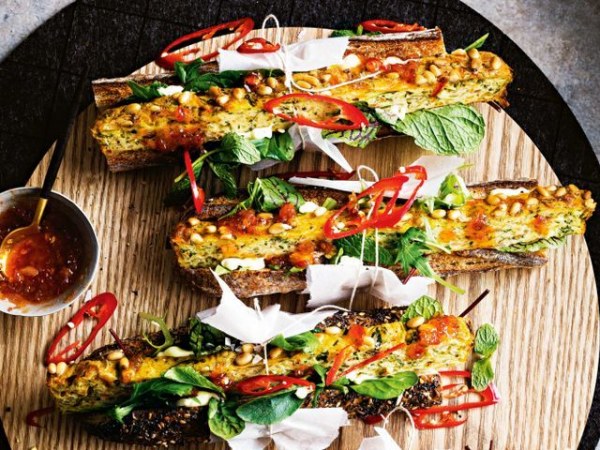
Thoughtfully crafted dishes do more than satisfy hunger; they spark curiosity and foster respect for culinary craft. By celebrating balance, seasonality, and creativity, gourmet approaches encourage both professionals and home cooks to explore unfamiliar produce, revive nearly forgotten techniques, and share stories around the table. This cycle of experimentation keeps cuisine dynamic and culturally rich.
Gourmet Cooking Ideas: A World of Flavors
1. Fusion Cuisine
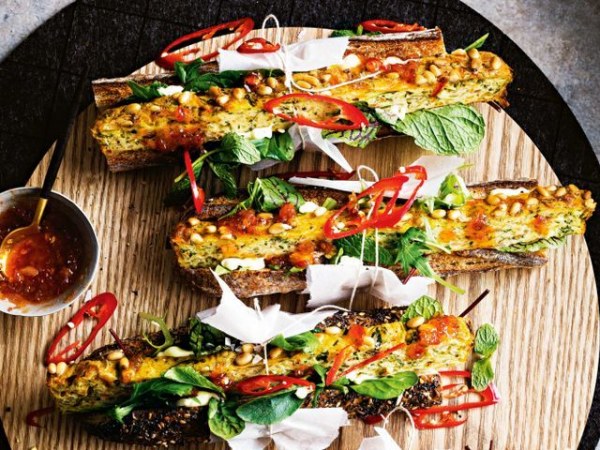
Combining signature elements from two or more food cultures can yield surprising harmonies—think lemongrass-infused risotto or miso-accented tapenade. The key is respecting each tradition while allowing room for playful contrast, letting spices, sauces, and cooking methods converse on a single plate.
2. Molecular Gastronomy
Using tools such as liquid nitrogen or plant-based gelling agents, cooks can reshape texture and temperature in whimsical ways. A silky olive oil “caviar” that bursts on the tongue or a hot gel that slowly releases herb aroma demonstrates how science can deepen both flavor and theater.
3. Seasonal Cooking
Building menus around what is naturally abundant nearby guarantees peak ripeness and minimal transport time. A spring pea velouté followed by a late-summer tomato consommé showcases ingredients when sugars, colors, and nutrients are at their height, resulting in brighter taste and lighter environmental impact.
4. Plant-Forward Cuisine
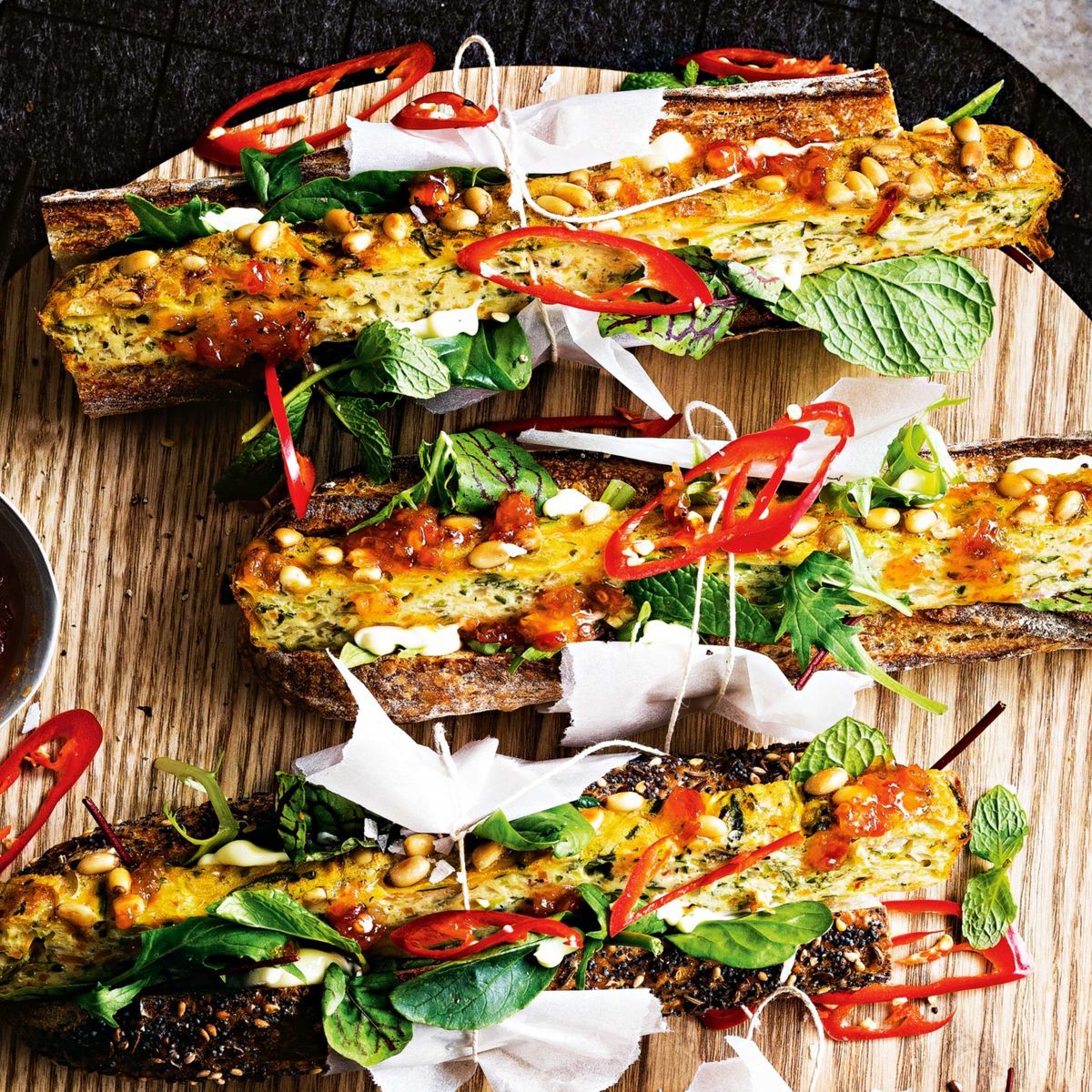
Vegetables, fruits, legumes, and grains can anchor luxurious courses when treated with the same care traditionally reserved for animal protein. Charred cauliflower steak glazed with smoked paprika butter or a silky aquafaba chocolate mousse proves that indulgence and mindful eating can coexist.
The Role of Technology in Gourmet Cooking
Precision cookers, induction surfaces, and digital probes allow exact control over heat and timing, freeing chefs to focus on flavor layering. Meanwhile, high-speed blenders and rotary evaporators unlock extractions and emulsions once limited to laboratories, broadening the palette of possible sauces, infusions, and presentations.
Conclusion
Innovative gourmet concepts—from boundary-crossing fusion to science-driven textures—continue to reshape how we experience food. By welcoming global influences, championing local harvests, and harnessing modern tools, cooks at any level can craft memorable meals that honor both palate and planet.
Future Directions
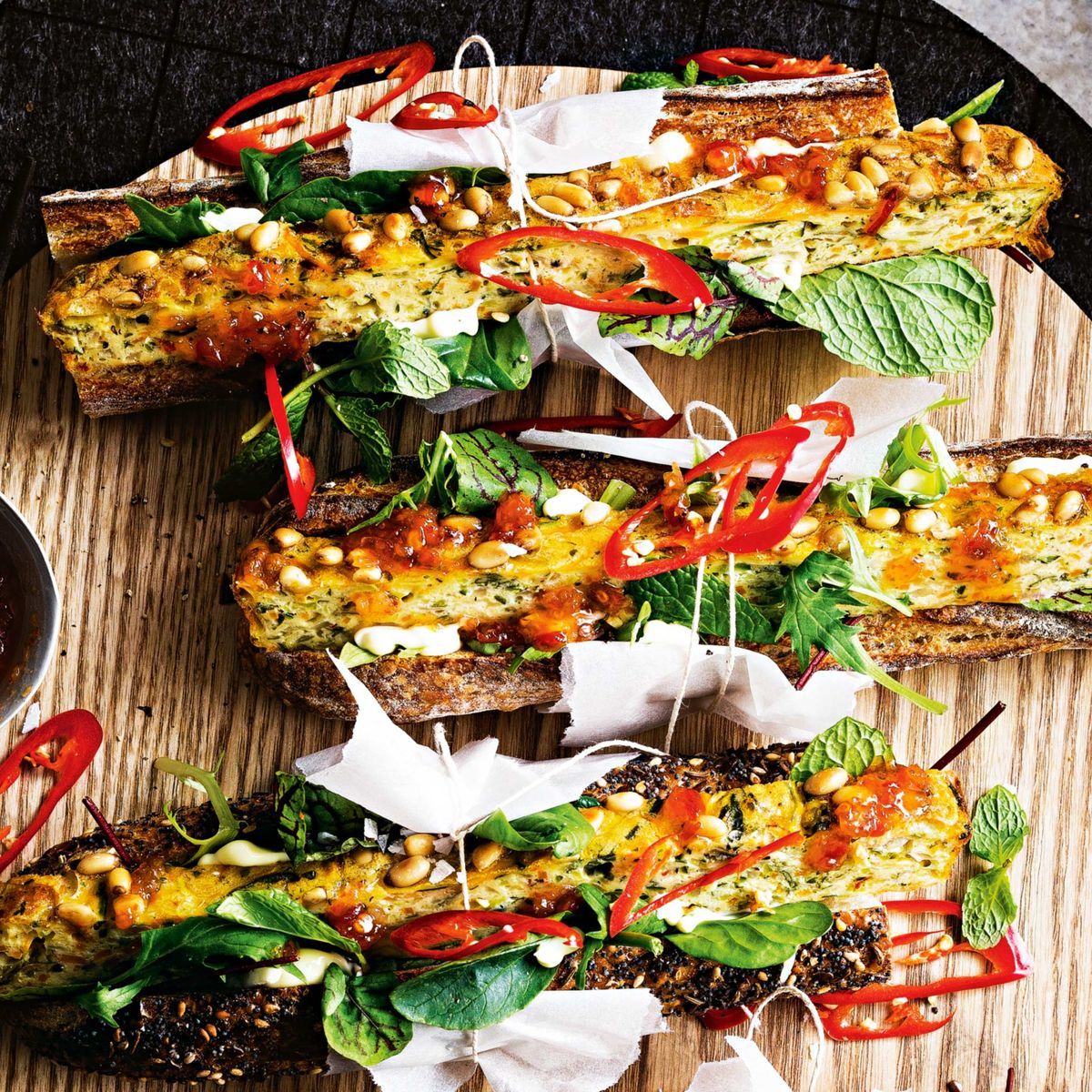
Tomorrow’s refined cuisine will likely revolve around deeper sustainability: zero-waste kitchens, regenerative agriculture partnerships, and energy-efficient appliances. Expect wider celebration of underutilized crops, greater emphasis on plant-centric menus, and seamless blending of ancestral wisdom with cutting-edge technique, ensuring gourmet cooking remains vibrant and relevant for generations to come.


