

The Plate: A Celebration of Cooking
Introduction
The plate, a simple word for the food we share, has shaped human life since fire was first tamed. Whether a modest bowl of grains or an elaborate banquet, what we cook and eat carries memory, sparks conversation, and tells the story of a place and its people. This short journey looks at why the plate matters, how it is made, and the quiet ways it travels across borders.
Why the Plate Matters
A plate is never just fuel; it is a living postcard from home. It carries the climate outside the window, the crops that thrive in nearby soil, and the habits handed down by grandparents. Around a table, strangers become neighbors, and neighbors become friends, simply by passing the same dish.
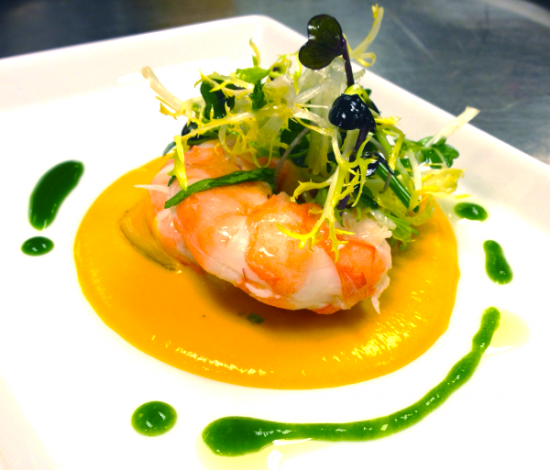
A Sense of Belonging
Recipes often serve as passports. A fragrant stew can recall mountain villages, while a bite of tangy pickles might hint at coastal winds. These tastes become shorthand for who we are and where we come from, even when we move far away.
Stirring Memory
Smell and taste unlock the past faster than any photograph. One spoonful of a childhood soup can return a grown traveler to a small kitchen with checkered curtains, the sound of laughter echoing off tiled walls.
Craft on the Stove
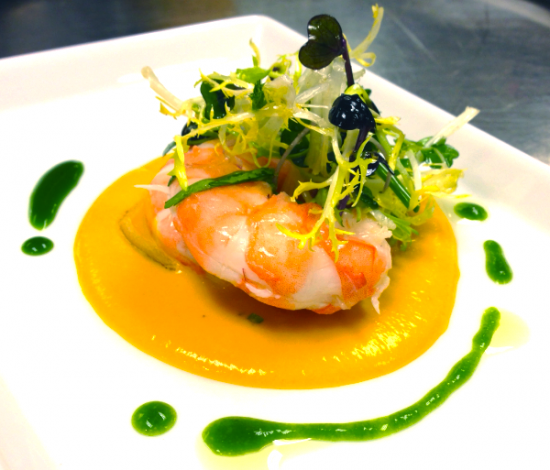
Cooking blends instinct with knowledge. Cooks read the mood of an ingredient—its ripeness, its weight, its scent—then decide whether to coax it gently with steam or shock it into sweetness over high heat.
First Steps
Good cooking begins long before the pan is hot. Washing, trimming, and cutting ingredients to the same size helps them cook evenly and finish together, giving every bite the same tender bite.
Heat and Timing
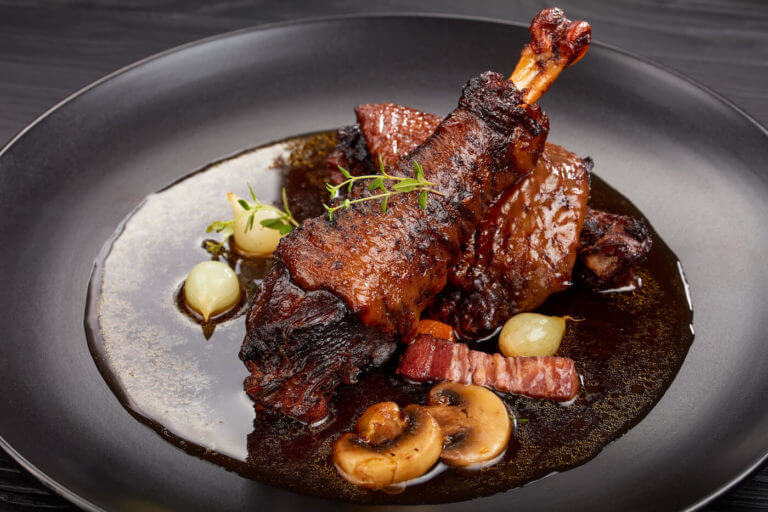
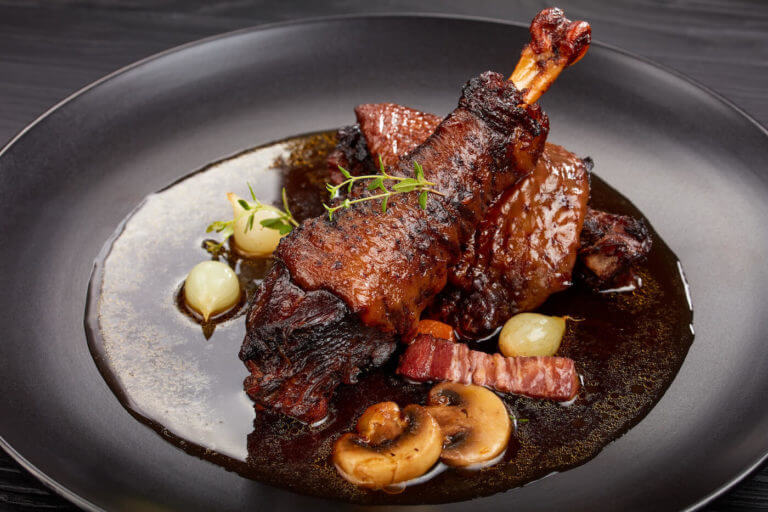
Boiling, roasting, grilling, or a quick toss in a wok—each method writes its own sentence in the final flavor. A slow braise melts toughness into silk, while a flash of flame can keep colors bright and spirits brighter.
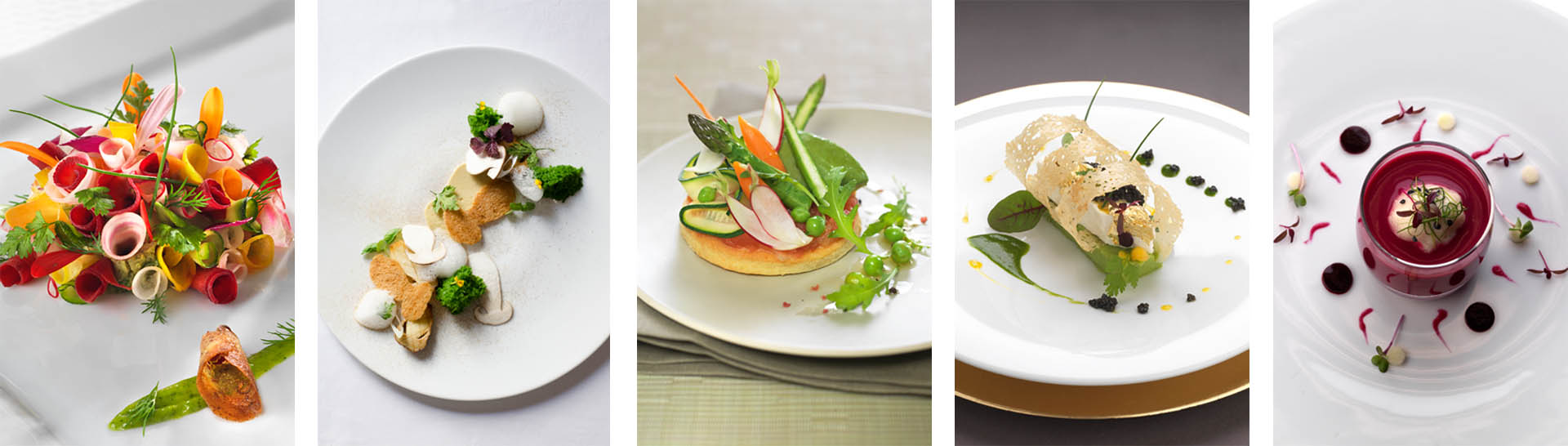
Balancing Taste
Great dishes sing between high and low notes: the bright lift of citrus, the warm hum of toasted spice, the gentle bitterness of charred edges. When these elements listen to one another, the plate feels complete without being crowded.
Plates across the Map
Every region keeps its own vocabulary of ingredients and rhythms of the stove. A few familiar examples show how wide the conversation can be.
Sun-Drenched Classics
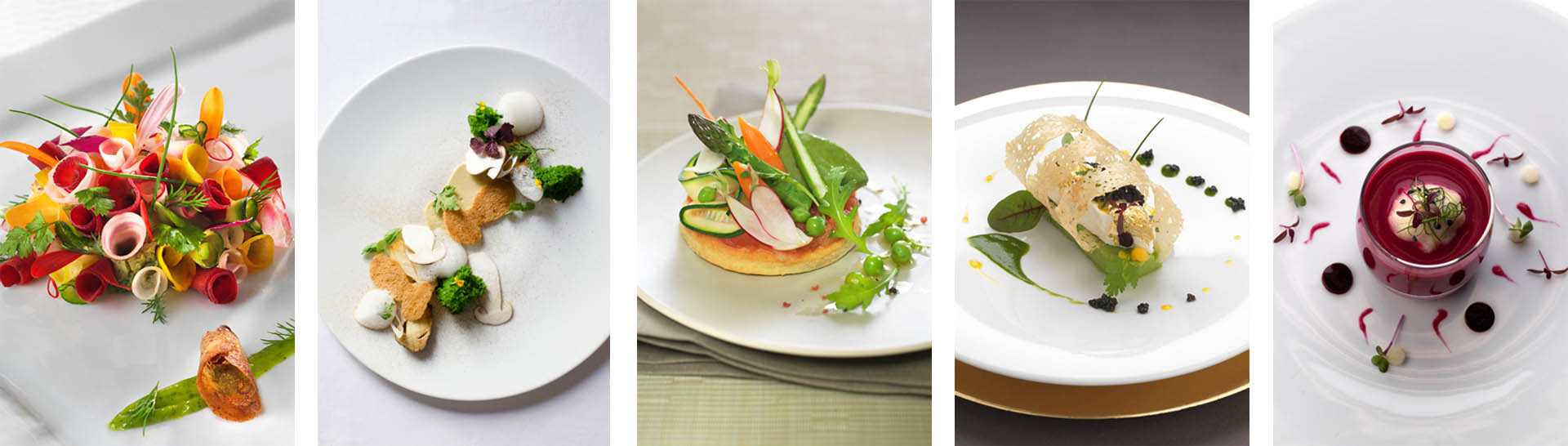
Think of long noodles kissed with tomato, rice stirred until creamy, or dough baked thin and blistered. These comforts rely on a handful of seasonal staples treated with respect and little fuss.
Island Elegance
Some cuisines prize the moment on the tongue: a slice of raw fish cooled by mountain air, broth that has simmered through the night, or pickles that snap like autumn twigs. Presentation is quiet, portions small, flavors deep.
Spice Routes
Elsewhere, markets overflow with color—saffron, rust, gold. Layers of aroma rise from mortars and pestles, turning vegetables or grains into complex tapestries that warm the body and awaken the senses.
Food and Everyday Life
What lands on the plate ripples outward, shaping bodies, streets, and even economies.
Nourishment
A balanced meal can steady energy, lift mood, and guard against illness. Choosing a rainbow of plants, steady proteins, and gentle fats is less a diet than a daily kindness to oneself.
Gathering
Birthdays, weddings, or an ordinary Tuesday—when pots are placed in the middle, talk loosens, hands reach, and stories travel clockwise around the cloth.
Livelihoods
Farmers, drivers, market sellers, cooks, and dishwashers form long chains of work. A single plate keeps countless clocks ticking, turning fields into wages and visitors into admirers who return another season.
Last Bite
From fireside to fine dining, the shared plate remains one of humanity’s gentlest teachers. It shows us where we began, lets us taste the present, and invites us to imagine tomorrow’s flavors. By paying attention to what we cook and how we offer it, we keep the conversation between cultures alive, one meal at a time.
Paths Ahead
Curiosity in the kitchen never needs to end. A few open questions can guide the next round of tasting and thinking:
1. How will shifting weather patterns change the ingredients we can grow and love?
2. Which tools—old or new—can help us waste less and share more?
3. Why do certain meals comfort or energize us, and how can that knowledge serve communities?
4. What happens when flavors travel, mingle, and plant seeds in distant pots?
By wondering, experimenting, and passing spoons across tables, we keep the story of the plate as generous as the hands that first offered it.


