

Exploring the Richness of Different Cuisines
Introduction
Cuisine, the art of cooking, is one of the most diverse and fascinating aspects of human culture. Culinary traditions around the world mirror local flavors, ingredients, and techniques shaped by landscape, history, and social customs. This article invites readers on a journey through several major culinary heritages, highlighting their origins, distinctive traits, and the ways they enrich everyday life. By appreciating these varied food cultures, we gain a deeper respect for the global tapestry of taste.
The Origins of Different Cuisines
Geography, climate, and historical exchange all play vital roles in the birth of a cuisine. Mediterranean shores, with sun-drenched hillsides, naturally fostered olive groves and vineyards, laying the groundwork for dishes that celebrate these staples. Island nations surrounded by nutrient-rich seas developed menus centered on fresh seafood and seasonal produce. Over centuries, trade routes and migration further seasoned local kitchens with new spices, grains, and cooking methods.
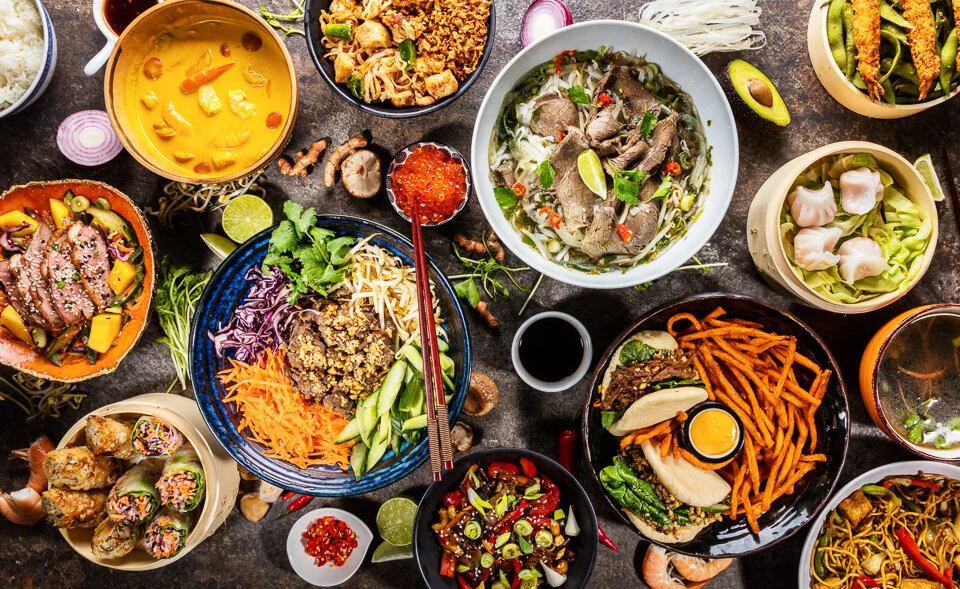
Italian Cuisine: A Melange of Flavors
Italian cooking is loved for its emphasis on freshness, regional variety, and straightforward preparation. From bright tomato sauces in the south to velvety risottos in the north, each area contributes signature dishes that balance simplicity with depth of flavor.
Olive oil stands at the heart of this tradition, lending both taste and nutritional value. Classics such as hand-stretched pizza, al dente pasta, and silky gelato continue to win fans across continents, illustrating how minimal ingredients, when treated with care, create memorable meals.
Japanese Cuisine: A Harmony of Flavors
Japanese food culture prizes seasonality, pristine ingredients, and visual elegance. Meals are often arranged to reflect natural beauty, turning dining into a multisensory experience.
Dishes like delicate sushi, translucent sashimi, and airy tempura showcase a culinary philosophy that lets the ingredient speak for itself, using subtle seasonings and precise technique rather than heavy sauces.
Indian Cuisine: A Symphony of Spices
Indian culinary heritage spans a vast spectrum of aromas, colors, and textures. Regional differences arise from varied landscapes and cultural practices, yielding everything tandoor-baked breads to rice specialties layered with fragrant spices.
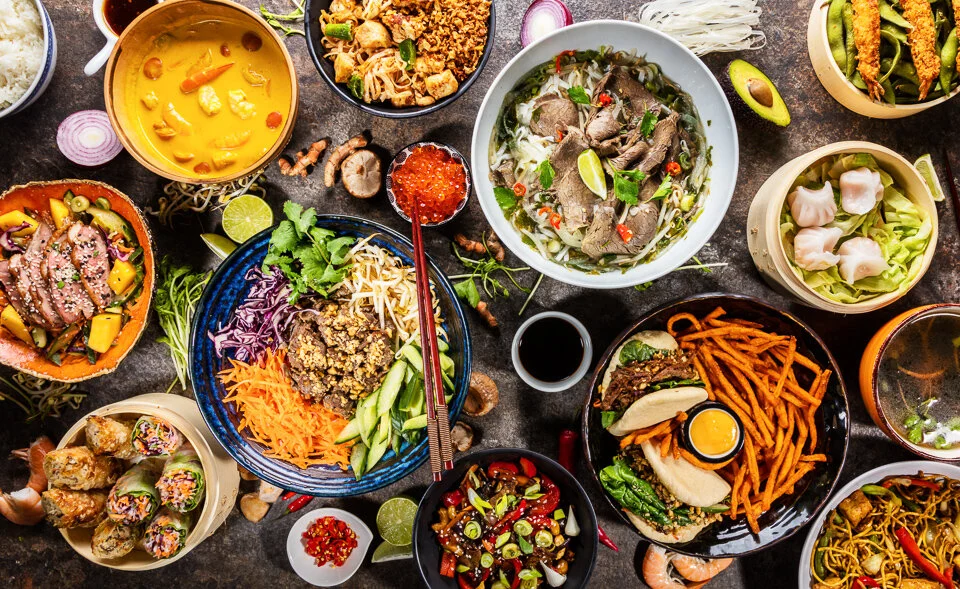
Spices are used both for flavor and balance, with blends crafted to complement main ingredients rather than mask them. The result is a cuisine that ranges from gently aromatic to boldly piquant, offering choices for every palate.
The Impact of Different Cuisines on Global Cuisine
Cross-cultural interaction continuously reshapes what we eat. Ingredients once confined to one region now travel the world, while migration introduces traditional recipes to new neighborhoods. These exchanges inspire fusion dishes that merge techniques and seasonings, creating innovative flavors that feel both familiar and fresh.
The Health Benefits of Different Cuisines
Many traditional diets emphasize whole foods, plant-forward ingredients, and balanced preparation methods. Mediterranean menus rich in olive oil, nuts, and seasonal produce are often linked to heart health. Japanese fare, with its focus on steamed or lightly grilled items, provides nutrient-dense meals with modest calories. Indian spice chests contribute turmeric, ginger, and other seasonings valued for their antioxidant properties.
Conclusion
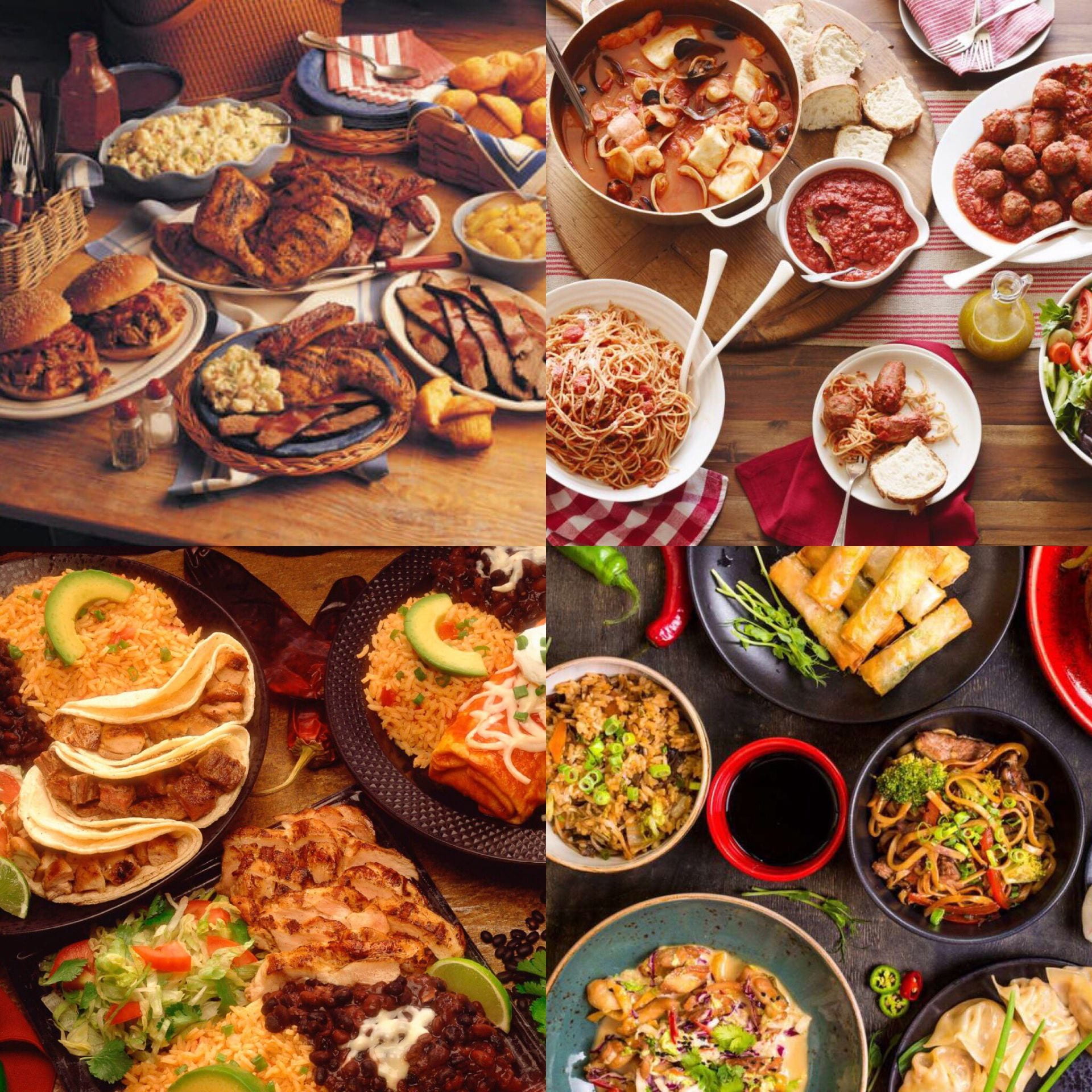
World cuisines celebrate human creativity and adaptability. By learning about their roots, hallmarks, and benefits, we not only expand our recipe collections but also cultivate respect for cultures beyond our own. Sharing food stories fosters connection, reminding us that a well-set table can bridge distances and nurture community.
The value of culinary diversity lies not just in pleasurable tastes but also in its power to preserve heritage and encourage dialogue. As we continue tasting, cooking, and exploring, we contribute to an ever-evolving global kitchen where every tradition has a place.
Recommendations and Future Research
Cooking classes, cultural festivals, and recipe exchanges offer enjoyable ways to deepen appreciation for global foodways. Participating in such activities nurtures curiosity and respect among neighbors old and new.
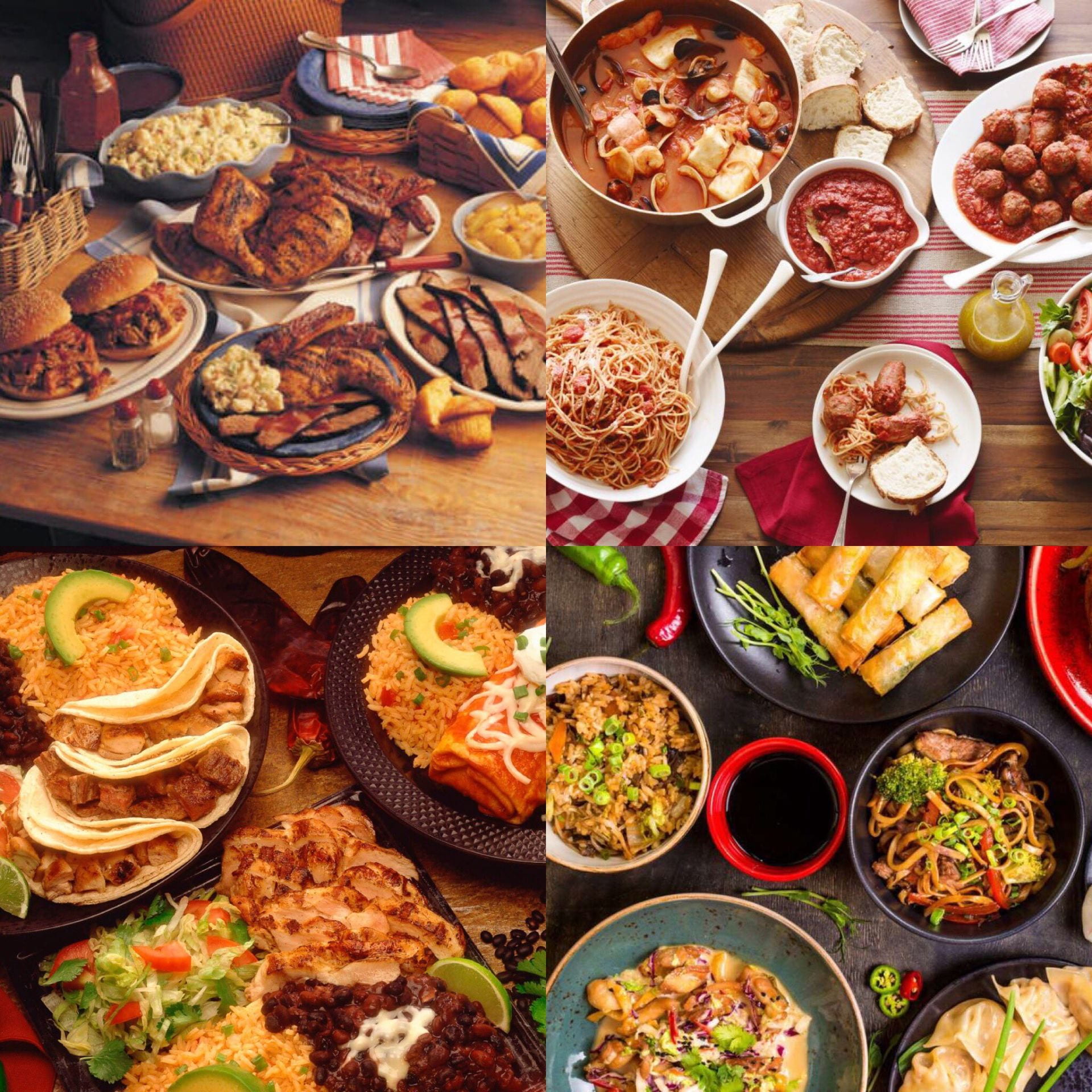
Looking ahead, research into sustainable farming and shifting climate patterns will help safeguard ingredient diversity. Nutritional studies comparing traditional diets can also guide individuals seeking flavorful paths to well-being, ensuring that time-honored cuisines remain vibrant for generations to come.



