

Title: What Do I Cook Today? A Practical Guide to Everyday Meal Planning
Introduction:
Planning meals ahead is a simple habit that supports healthier eating, saves time, and keeps the budget in check. When the daily question “What do I cook today?” pops up, a clear plan turns indecision into action. This guide walks through the basics of building balanced plates, streamlining kitchen time, cutting costs, and keeping meals exciting so that anyone can answer that question with confidence.
Understanding Nutritional Balance
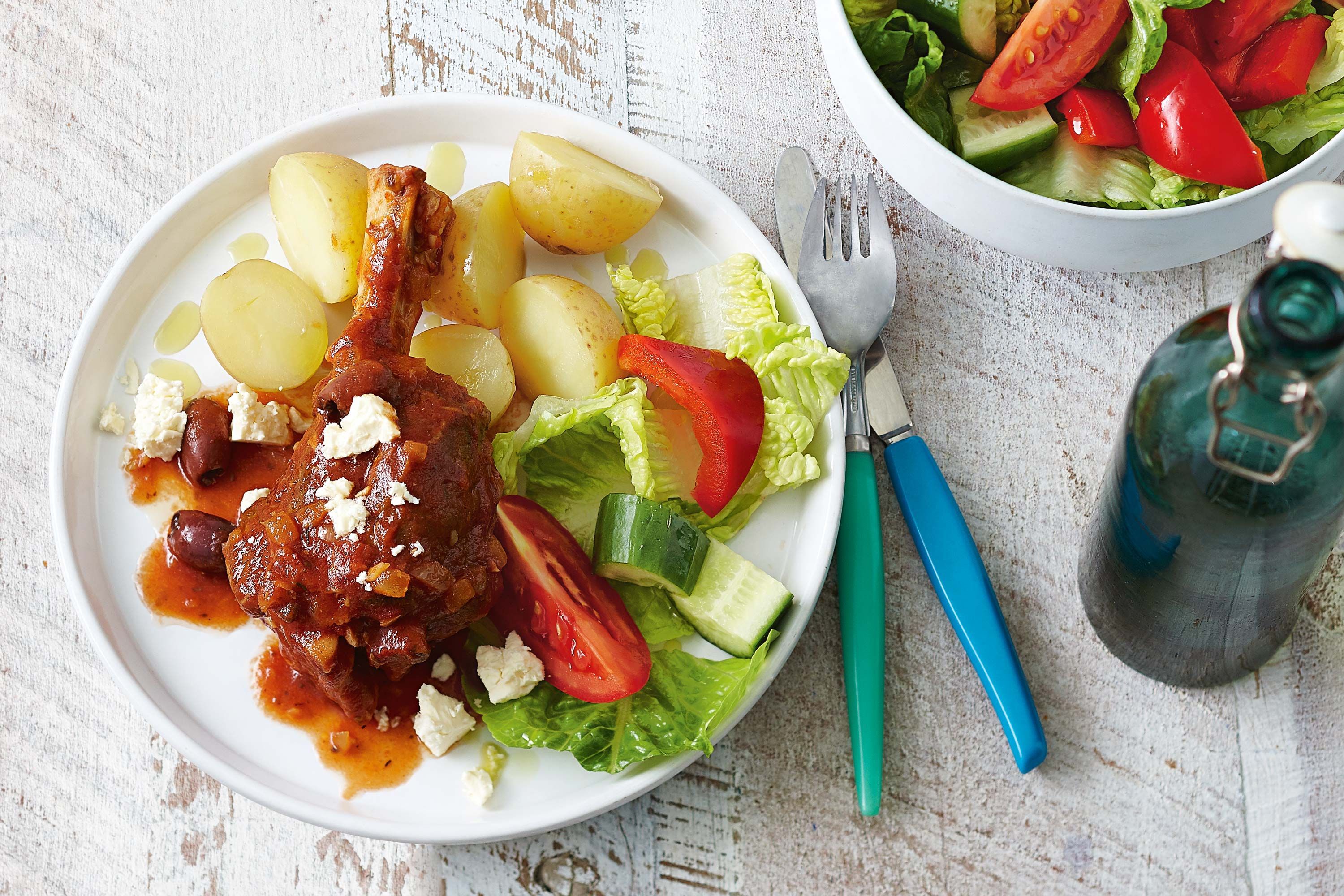
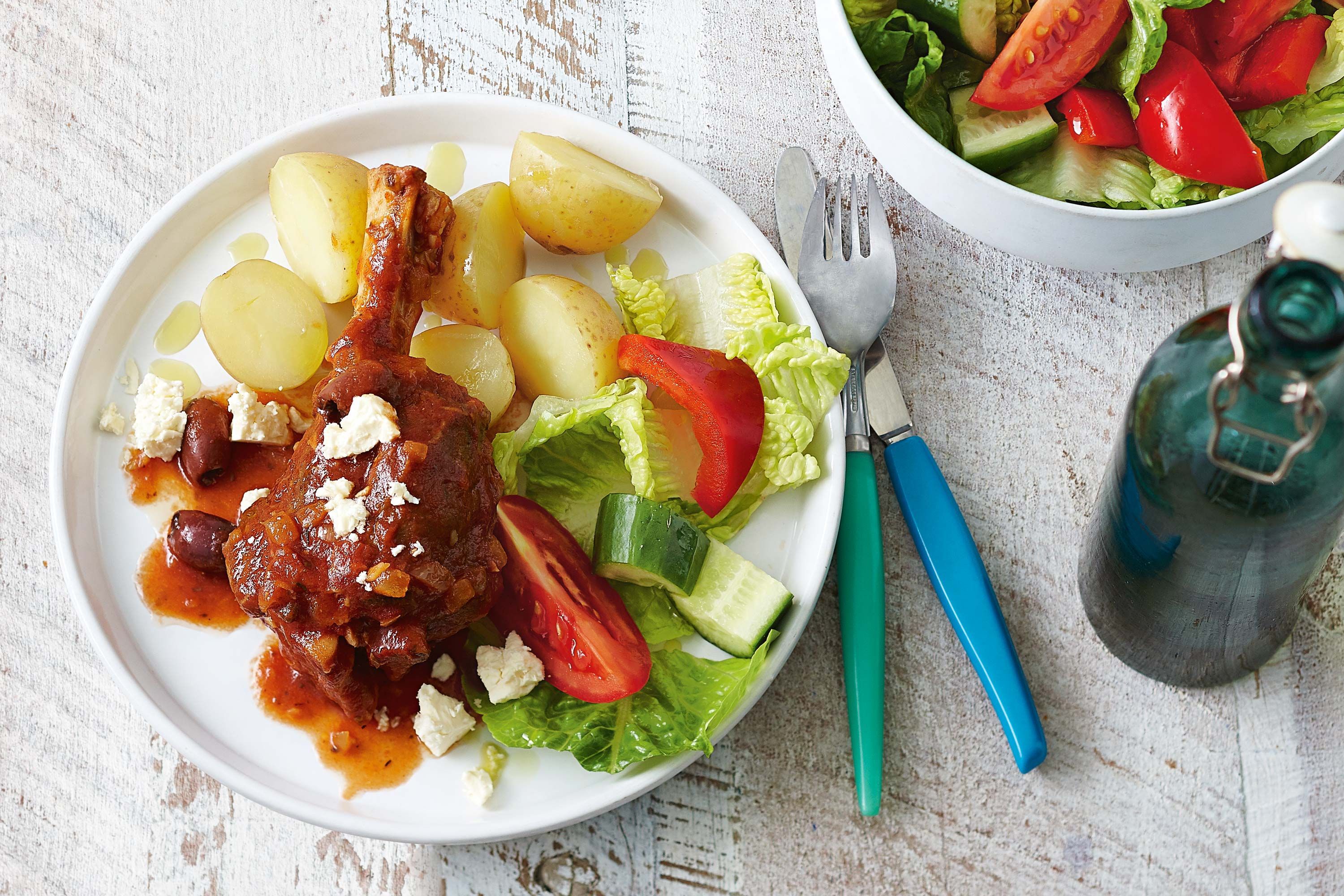
A well-rounded plate is the first step toward answering “What do I cook today?” Aim to include protein, complex carbohydrates, healthy fats, and plenty of produce at each meal. Visualize half the plate filled with colorful vegetables or fruit, one quarter with lean protein, and one quarter with whole grains or starchy vegetables. Add a small serving of healthy fat—perhaps a drizzle of olive oil or a handful of nuts—to complete the picture.
Rotate colors and textures throughout the week: dark leafy greens one day, orange root vegetables the next, followed by berries or citrus. This variety covers a broad spectrum of vitamins and minerals without the need for complicated calculations.
Time Management and Convenience
Busy schedules make the daily dinner decision feel overwhelming. A few habits keep cooking under control:
1. Map out the week in one sitting: jot down five main dinners, note overlapping ingredients, and assign quick meals to the busiest nights.
2. Prep components, not just full dishes: wash greens, roast a tray of mixed vegetables, or cook a pot of grains on Sunday so mix-and-match assembly takes minutes.
3. Reinvent leftovers: turn last night’s grilled vegetables into a wrap filling or blend them into soup for tomorrow’s lunch.
With these small systems in place, “What do I cook today?” becomes a 30-second decision instead of a 30-minute debate.
Cost-Effectiveness
Eating well does not have to strain the wallet. A flexible plan keeps both nutrition and budget intact:
1. Start with a list based on the weekly menu; buy only what is needed to avoid impulse purchases.
2. Choose produce that is in season or on sale—frozen fruits and vegetables are nutritious backups when fresh prices spike.
3. Stock versatile staples such as dried beans, lentils, oats, and canned tomatoes; they form the base of countless low-cost meals.
By shopping with a strategy, home cooks can answer “What do I cook today?” without overspending.
Incorporating Variety and Preferences
Meal fatigue disappears when flavor and personal taste take center stage. Keep the weekly lineup fresh by:
1. Rotating favorite themes: Meatless Monday, Taco Tuesday, Stir-Fry Friday—predictable themes still allow endless ingredient swaps.
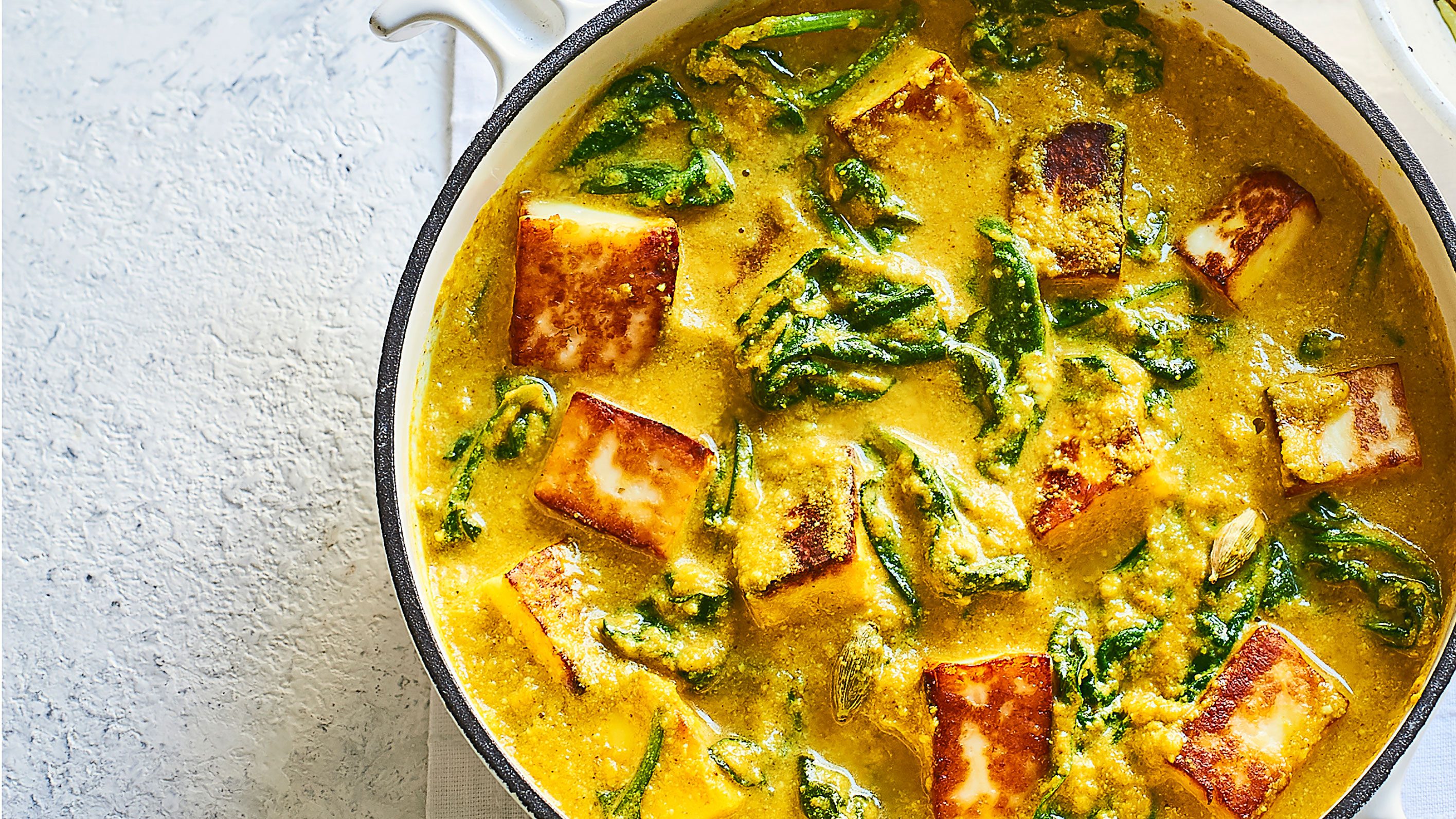
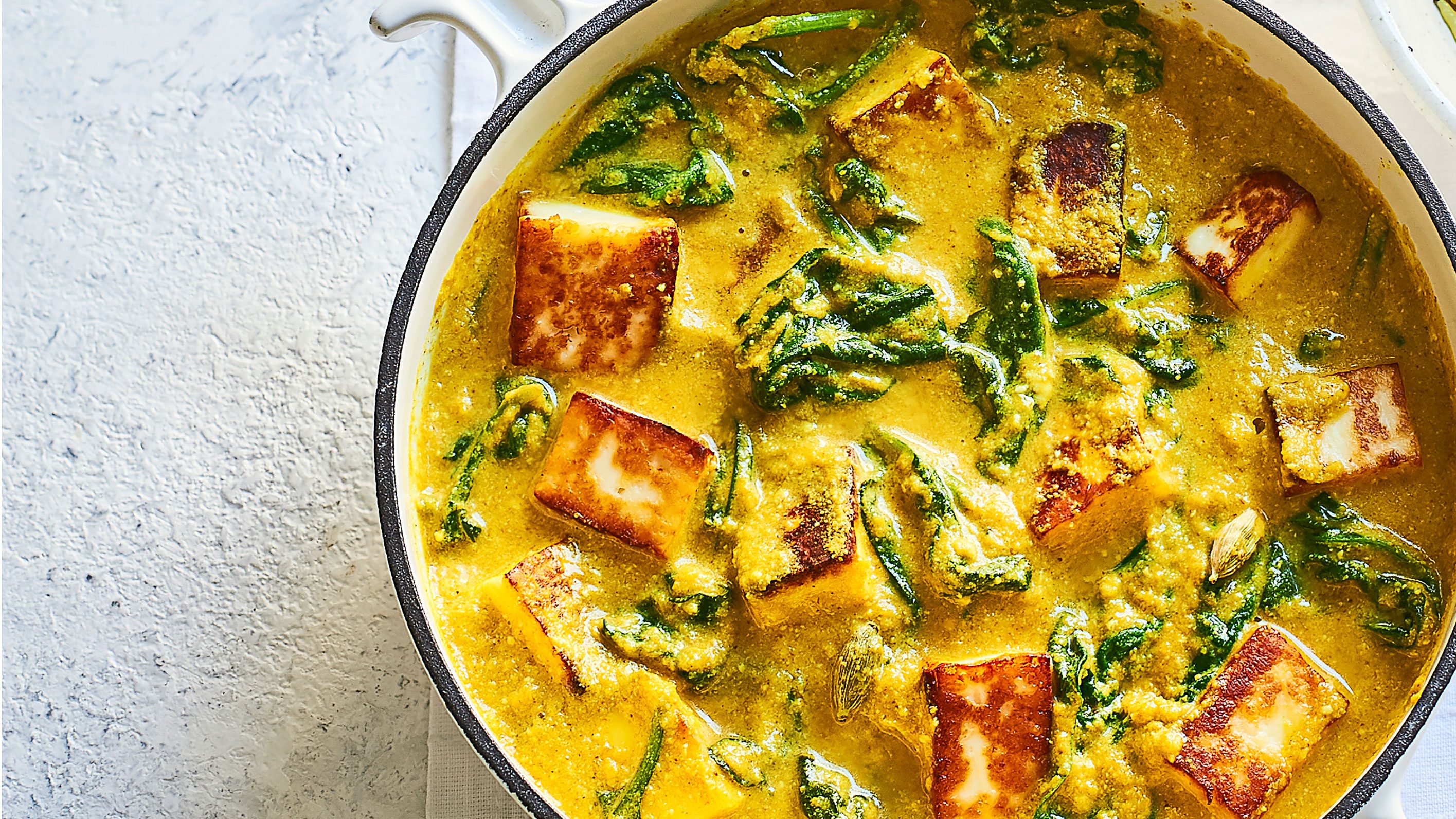
2. Exploring global flavors: introduce one new spice blend or sauce each week to transform familiar ingredients into something novel.
3. Balancing indulgence and nourishment: pair a beloved comfort food with a vibrant side salad or steamed vegetables to satisfy both cravings and nutrient goals.
When meals feel exciting, the question “What do I cook today?” sparks creativity instead of stress.
Conclusion
Answering “What do I cook today?” is less about culinary talent and more about a repeatable system. By aiming for balanced plates, prepping smart, spending wisely, and welcoming variety, anyone can turn the daily dilemma into an enjoyable routine. A little planning up front delivers lasting benefits: steadier energy, lower grocery bills, and more relaxed evenings around the table.
Future Research:
Ongoing studies could examine how consistent meal planning influences mental well-being, family dynamics, and food waste reduction across different households. Exploring adaptable frameworks for various cultural tastes and time constraints will further refine practical guidance for everyday cooks.


