

Title: The Value of Recipe Collections in Culinary Exploration
Introduction:
Modern cooking has been reshaped by digital tools, and among the most useful is the large-scale recipe collection. These compilations give chefs, researchers, and home cooks a shared space to study flavors, methods, and cultural influences. This article looks at how such collections support learning, spark creativity, and keep the food world moving forward.
The Growth of Recipe Collections
What once filled handwritten notebooks and family cards now lives in searchable archives. Early cookbooks were limited to whoever owned a copy, but online platforms quickly turned local favorites into global resources. Websites, forums, and open archives gathered dishes from many regions, letting anyone with an internet connection explore world cuisine.
The demand for organized, easy-to-search recipe banks grew as people wanted quick inspiration and reliable guidance. Cooks needed a single place to compare versions of a dish, discover unfamiliar ingredients, and track how techniques change over time. That need laid the groundwork for today’s expansive digital collections.
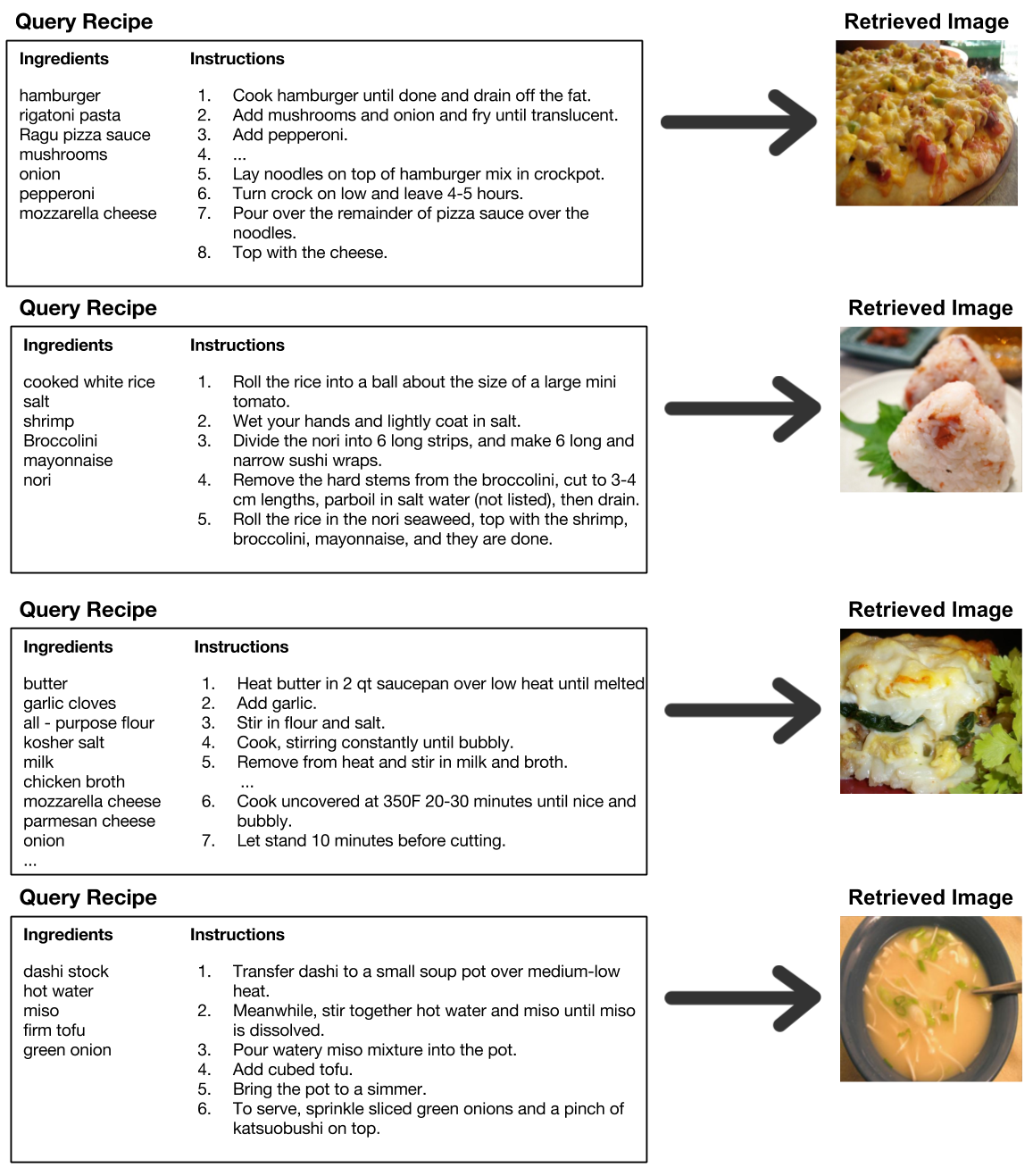
How Researchers Use Recipe Collections
Large recipe sets give scholars a ready-made laboratory. By scanning thousands of entries, they can spot patterns, trace the rise of certain flavors, and see how traditional methods adapt to new settings. Key research angles include:
1. Trend Spotting: Frequency counts reveal which ingredients or styles are gaining traction, offering clues about tomorrow’s menus.
2. Ingredient Mapping: Popularity curves show how staples spread across regions and how local produce earns wider appeal.
3. Technique Tracking: Step-by-step instructions document subtle shifts in preparation, from fermentation times to knife cuts.
4. Cross-Cultural Links: Side-by-side comparisons highlight shared roots and creative fusions between culinary traditions.
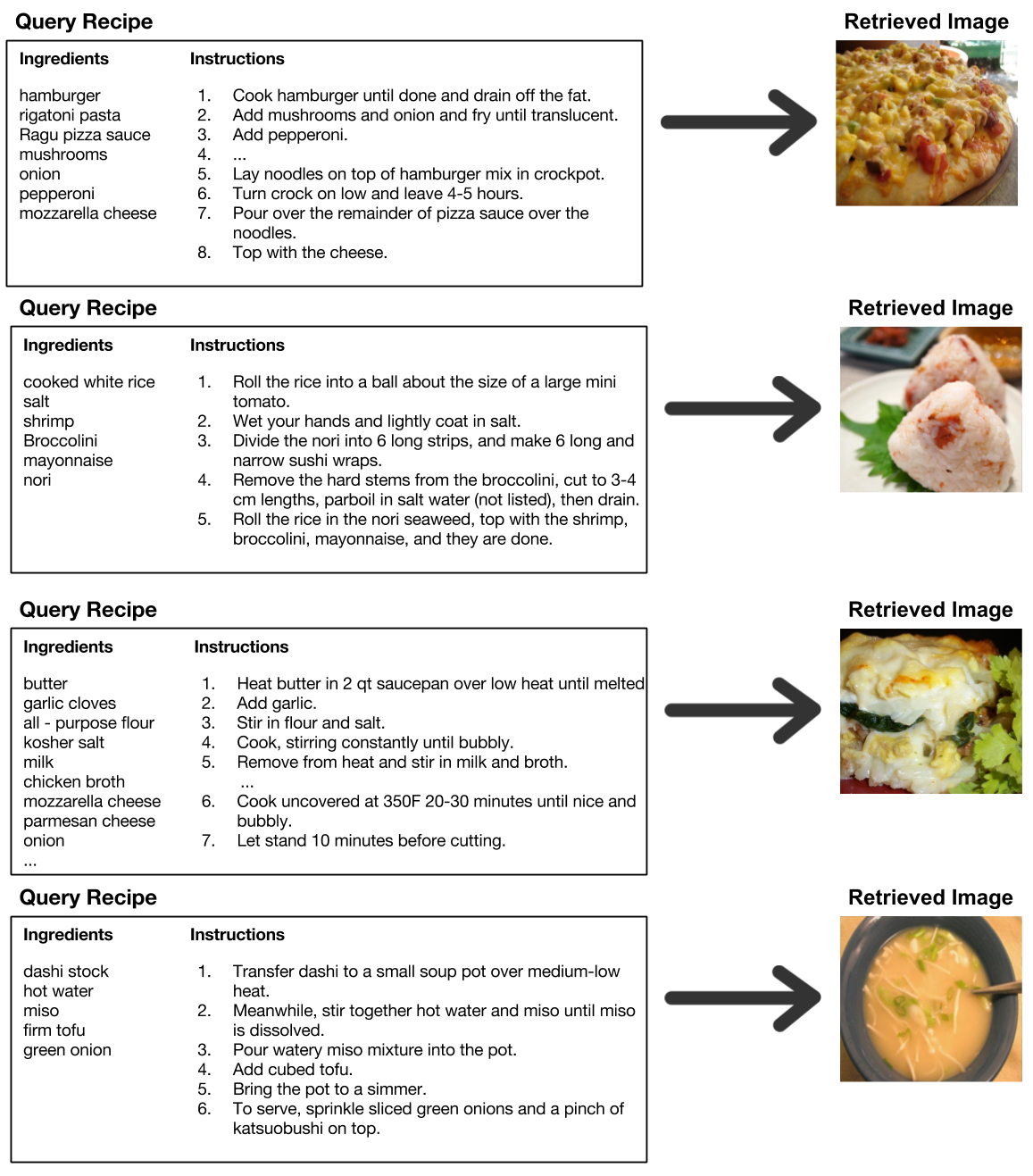
Fueling Creativity in the Kitchen
Beyond research, these collections act as launchpads for new dishes. Cooks at every level draw on them to experiment, swap items, and blend traditions. Practical benefits include:
1. Endless Inspiration: A broad catalog encourages trial of unfamiliar spices, grains, or cooking mediums.
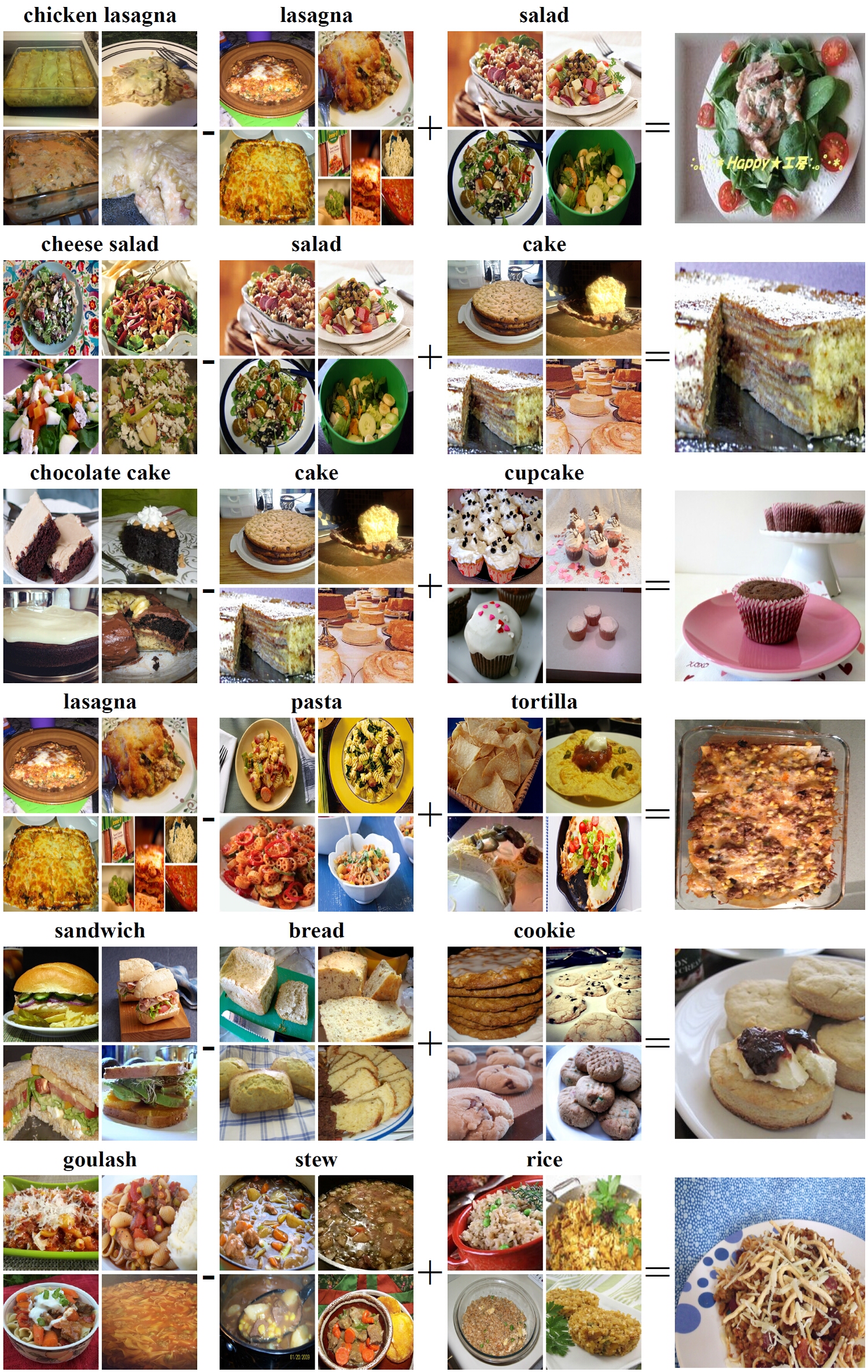
2. Smart Swaps: When an ingredient is out of season or hard to find, similar recipes suggest workable alternatives that keep flavors balanced.
3. Modern Twists: Classic techniques can be re-scaled or paired with contemporary presentations, giving heritage dishes fresh appeal.
4. Shared Development: Online communities built around these collections co-create recipes, refining them through collective feedback.
Looking Ahead
Maintaining quality remains a central task. Recipes must be tested for clarity and accuracy, and metadata needs consistent formatting so search tools can do their job. Agreement on common tags—such as cuisine type, dietary notes, and portion size—will make cross-platform searches smoother.
Future improvements point toward smarter recommendation engines that weigh personal taste, nutrition goals, and local availability. Linking recipe banks to seasonal data, sustainability scores, and nutrient profiles could guide both healthier eating and responsible sourcing.
Conclusion:
Digital recipe collections have become essential reference points for anyone curious about food. They preserve culinary memory, encourage playful experimentation, and knit together a worldwide community of cooks. By refining these resources and embracing new technologies, the culinary world can keep discovering fresh flavors while honoring the heritage that gives each dish its story.


