

The Importance of Healthy Food Choices: A Broad Overview
Introduction
In our fast-moving era, having access to nutritious meals is a daily necessity. Wholesome foods support bodily strength, steady moods, and shared table moments. This piece examines why varied, healthy choices matter, how they shape everyday life, and what helps them reach more plates. Recognizing their value guides us toward habits that feel better and last longer.
The Significance of Healthy Food Choices
Physical Health

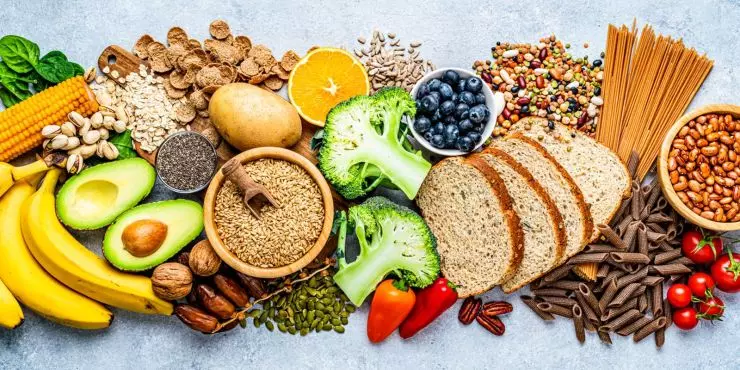
Balanced meals packed with vitamins, minerals, and fiber lower the chance of long-term illnesses like heart disease or diabetes. Regular servings of fruit, vegetables, whole grains, and lean protein keep weight in check and energy levels steady.
Mental Well-being
Diet quality influences mood and focus. Highly processed snacks heavy in sugar or trans-fat can trigger irritability, while ingredients rich in omega-3 oils, antioxidants, and B-vitamins support clearer thinking and calmer emotions. Mediterranean-style eating patterns—plenty of olive oil, nuts, legumes, and fish—are often linked to brighter outlooks.
Social Interactions
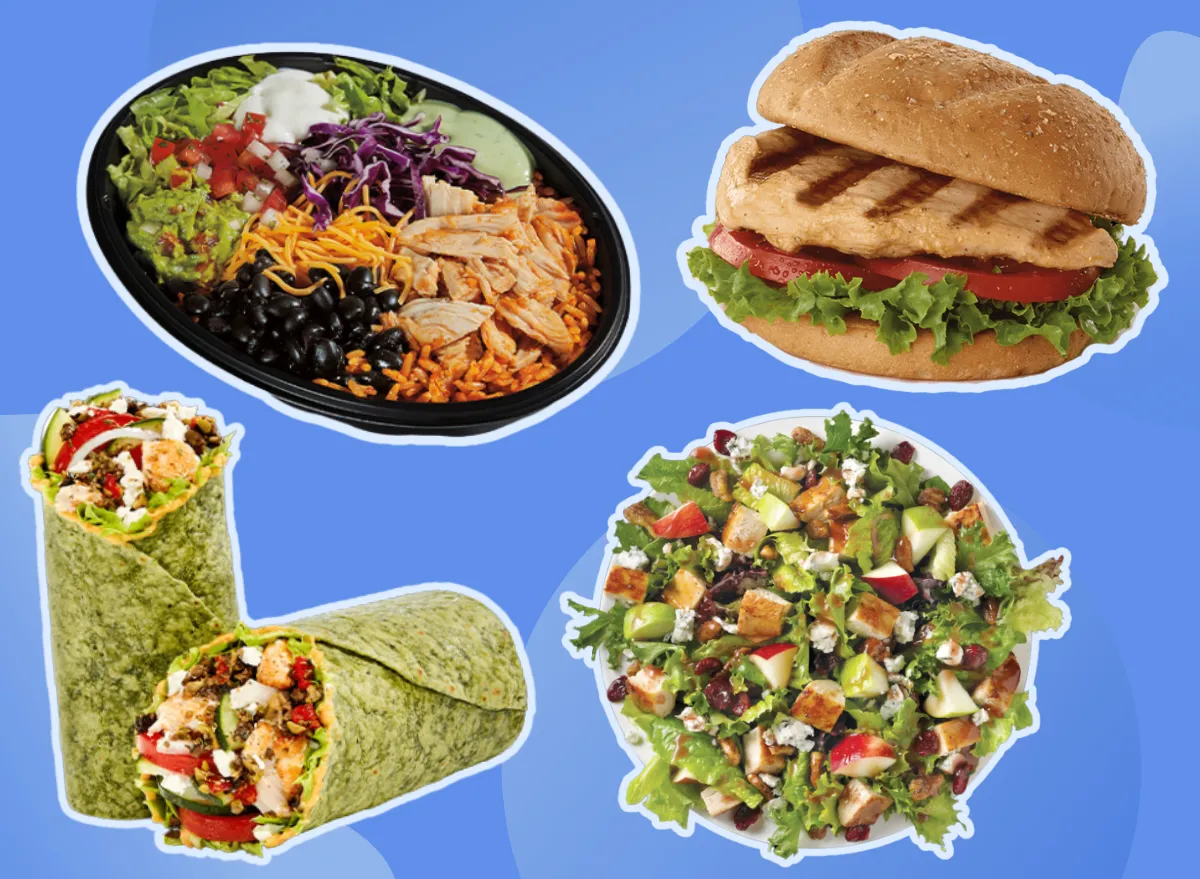
Meals draw people together. Cooking at home or exploring restaurants with diverse, nutritious menus strengthens bonds and introduces new flavors, turning eating into a shared cultural experience.

Factors Contributing to Healthy Food Choices
Access to Fresh Produce
Proximity to markets stocked with fresh fruit and vegetables makes wholesome cooking easier. Community gardens, mobile produce vans, and weekly street markets expand choice in neighborhoods once limited to packaged snacks.
Nutritional Education
Knowing how to read labels, plan balanced plates, and store produce reduces guesswork. School lessons, cooking demos, and public campaigns that highlight simple swaps empower shoppers to fill carts with nourishing options.

Supportive Policies
Government incentives for growers of whole foods, clearer package labeling, and limits on child-targeted ads for sugary products tilt the marketplace toward healthier offerings. Such measures give consumers a fair chance to compare and choose wisely.
Challenges and Solutions
Urbanization and Food Deserts
Some city zones still lack full-service grocers, leaving residents to rely on convenience stores. Revitalizing vacant lots into markets, offering small-business grants, and linking transit routes to shopping areas can close these gaps.
Food Waste
Edible food tossed at home or by retailers squanders resources and drives up prices. Simple steps—buying only what is needed, freezing surplus, donating safe leftovers, and composting scraps—stretch budgets and lighten environmental loads.
Conclusion
Nutritious meals safeguard body, mind, and community ties. By expanding fresh-food access, teaching food skills, and trimming waste, we move toward a fairer, greener food landscape. Individuals, businesses, and officials each play a part: choose wisely, share knowledge, and support projects that put better fare within everyone’s reach.
References
Author, A. (Year). Community interventions to improve fresh-food access. Journal of Public Health Practice.
Author, B. (Year). Dietary patterns and mental wellness: an integrative review. Nutrition & Behavior Quarterly.
Author, C. (Year). Whole-food diets and chronic disease prevention. Global Health Reports.
International Health Agency. (Year). Daily fruit and vegetable guidelines. Retrieved from agency website

