

Different Types of Foods: A Comprehensive Exploration
Introduction
Food diversity has shaped human life for millennia, influencing culture, health, and daily rituals. From humble grains to elaborate dishes, the spectrum of edible choices is vast. This overview examines major food categories, their roots, nutrients, and effects on people and communities.
The Origins of Different Types of Foods
1.1 Cereals and Grains
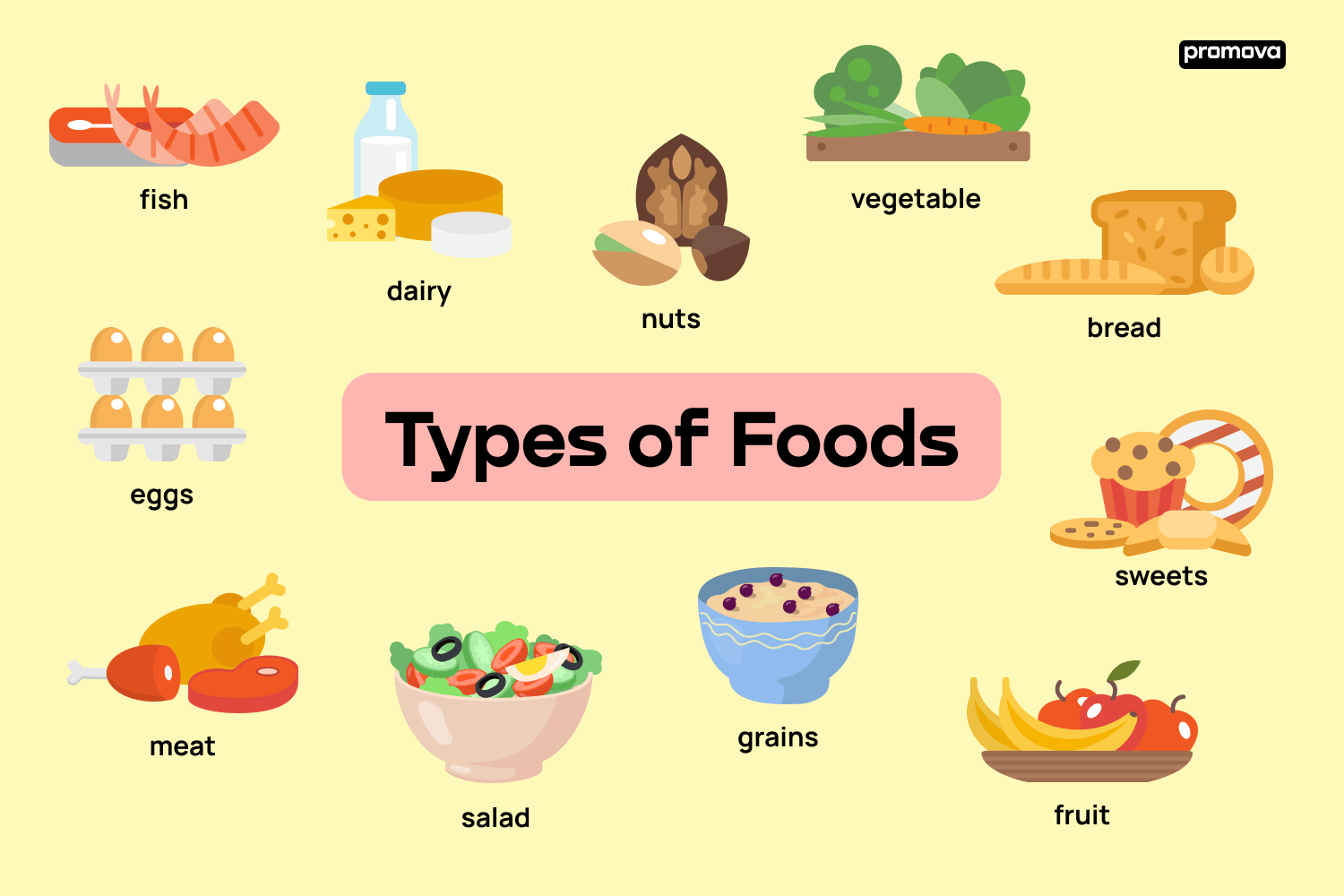
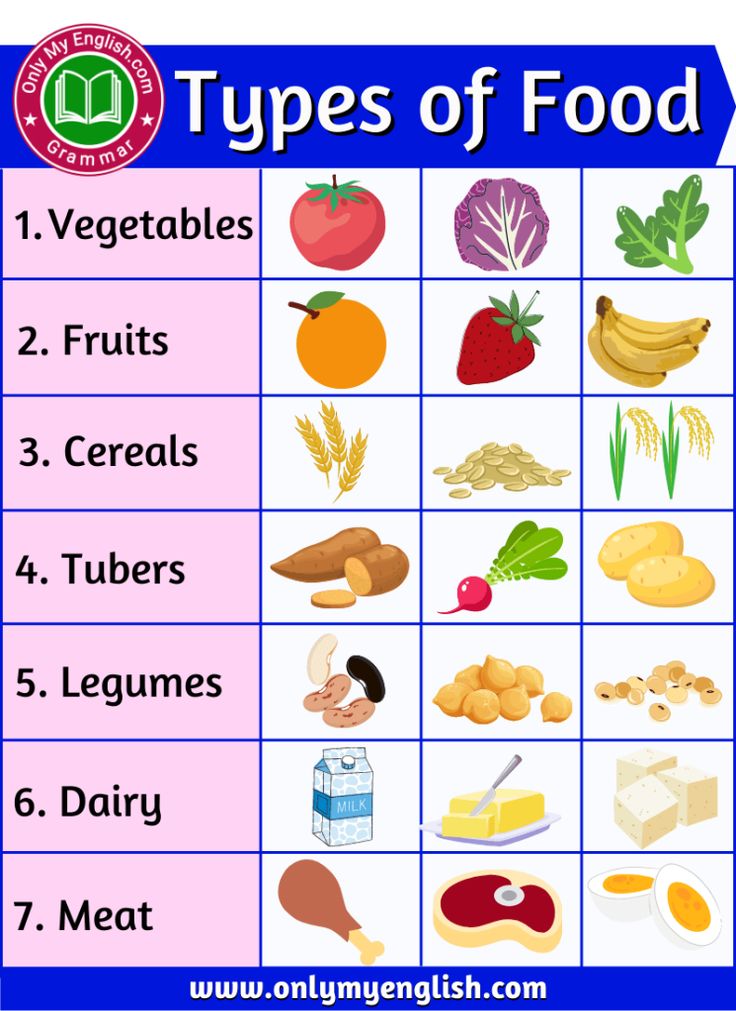
Grains such as wheat, rice, and corn were among the first crops farmers grew. They remain everyday staples worldwide, supplying carbohydrates, fiber, and micronutrients. Early cultivation of these grasses laid the groundwork for settled societies and surplus food.
1.2 Fruits and Vegetables
Colorful produce delivers vitamins, minerals, and protective plant compounds. Wild varieties were gathered long before formal farming; later, orchards and gardens expanded the range of flavors and textures available on the table.
1.3 Meat and Seafood
Animal foods have long provided concentrated protein and key nutrients. Herding and fishing traditions developed alongside agriculture, offering coastal and inland populations reliable sources of sustenance.
1.4 Legumes and Nuts
Beans, lentils, and peas supply plant protein and fiber, while nuts contribute healthy fats and crunch. Both have been valued for generations as nutrient-dense additions to meals and snacks.
Nutritional Values of Different Types of Foods
2.1 Cereals and Grains
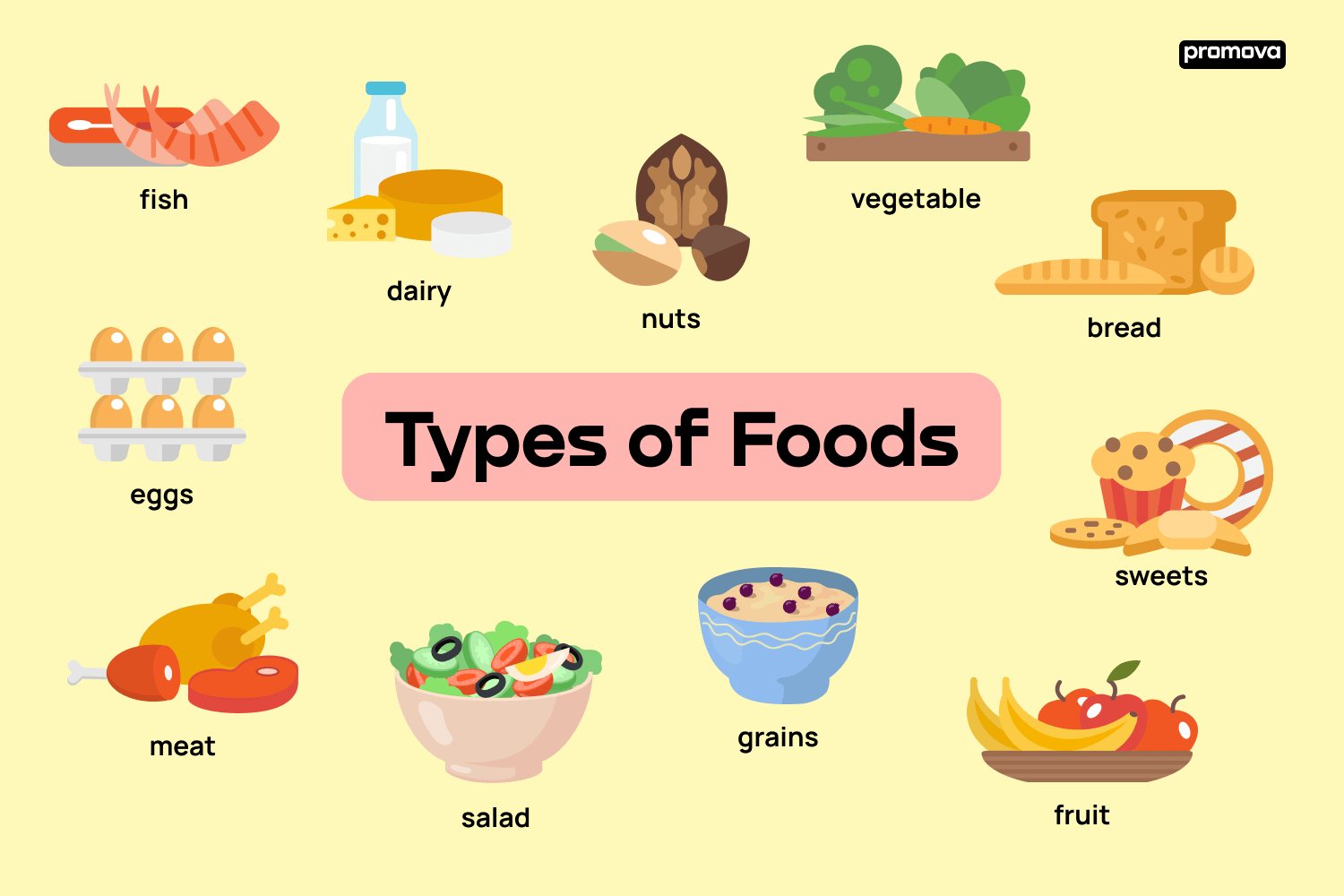
Whole-grain choices deliver steady energy through complex carbohydrates and support digestion with their fiber content. Regular intake is linked to better heart health and stable blood-sugar levels.
2.2 Fruits and Vegetables
These foods are low in calories yet high in protective substances that support immunity and help guard against long-term illness. A rainbow of choices ensures a broad mix of nutrients.
2.3 Meat and Seafood
Lean cuts and fatty fish offer complete protein, iron, and unique fats that assist brain and muscle function. Moderation and variety help balance benefits with overall dietary patterns.
2.4 Legumes and Nuts
Pulses and tree nuts provide satiating protein, beneficial fats, and minerals such as magnesium and zinc. Including them can improve cholesterol profiles and assist weight management.
Impact on Human Health and Society
3.1 Health Benefits
Combining whole grains, produce, lean proteins, and healthy fats lowers the risk of chronic conditions and supports energy balance. Diverse plates encourage gut health and steady mood.
3.2 Cultural Impact
Regional dishes mirror local climates, histories, and values. Shared ingredients like olive oil, spices, or rice become symbols of identity passed down through generations.
3.3 Social Impact
Meals unite families, mark celebrations, and welcome newcomers. The act of eating together strengthens trust and fosters a sense of belonging across cultures.
Conclusion
The variety of foods available continues to influence health, heritage, and human connection. Appreciating where foods come from and how they nourish the body encourages thoughtful choices and sustainable enjoyment.
Recommendations and Future Research
To deepen knowledge of food and well-being, consider the following:
1. Support studies that compare nutrient profiles and health outcomes across dietary patterns.
2. Introduce hands-on cooking lessons in schools to build lifelong appreciation for balanced meals.
3. Promote public messages that highlight simple ways to include diverse, minimally processed foods each day.
Future inquiries could focus on:
1. How modern processing alters the micronutrient content of staple foods.
2. The role cuisine plays in preserving cultural memory and community ties.
3. Farming methods that secure nutritious harvests while protecting natural resources.


