

Can You Eat Mulberries? A Comprehensive Guide
Introduction
Mulberries, celebrated for their jewel-tone hues and sweet-tart taste, have been savored for generations. If you have ever wondered whether these berries are safe to enjoy, this guide walks you through their nutritional value, culinary versatility, and possible concerns. We will look at their background, main varieties, and easy ways to make them part of everyday meals.
The Nutritional Profile of Mulberries
Nutritional Benefits
A single cup of fresh mulberries delivers a light calorie load alongside useful amounts of plant protein, natural carbohydrates, and gentle fiber. They supply notable levels of vitamins A, C, and K, plus the minerals iron, potassium, and calcium, making them a colorful boost to balanced eating.
Antioxidant Properties
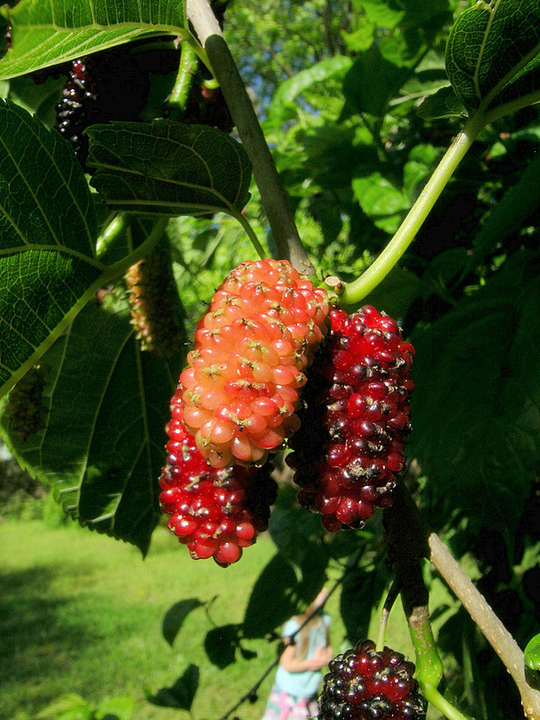
Mulberries stand out for their wide range of antioxidants, including flavonoids, anthocyanins, and resveratrol. These compounds help the body manage everyday oxidative stress and support general cell health, with ongoing studies exploring their anti-inflammatory potential.
Culinary Uses of Mulberries
Types of Mulberries
Three main kinds are most often found at markets and in gardens:
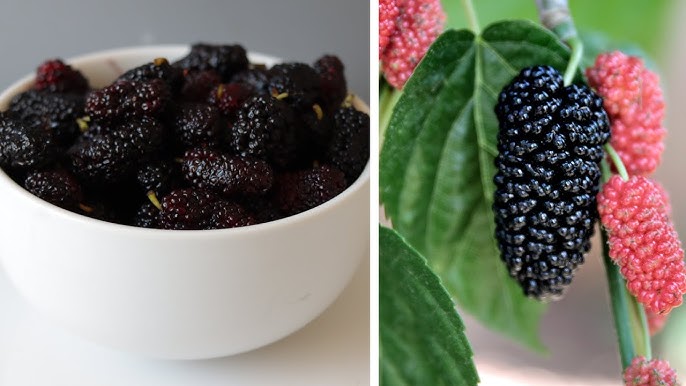
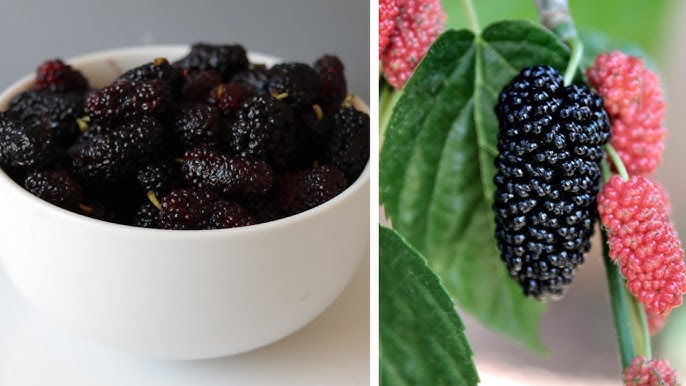
– Black Mulberries: deep purple, richly sweet with a pleasant tang.
– Red Mulberries: bright red, mildly sweet and slightly earthy.
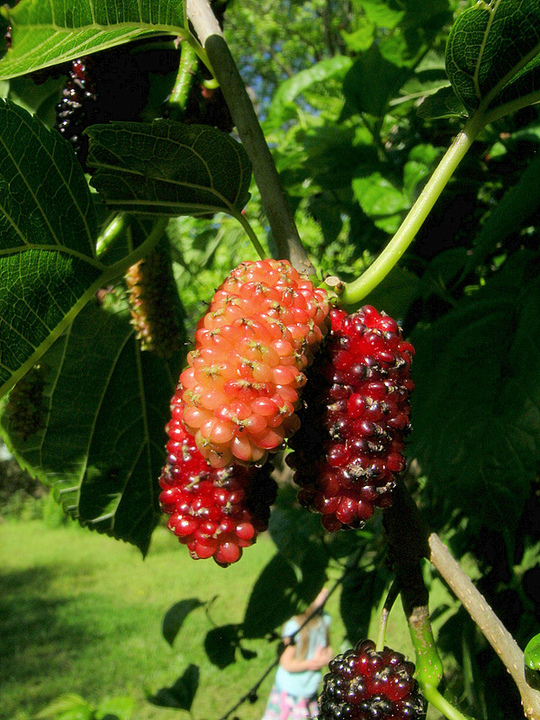
– White Mulberries: pale ivory, delicate and honey-like in flavor.
How to Incorporate Mulberries into Your Diet
Enjoy them in any of these simple forms:
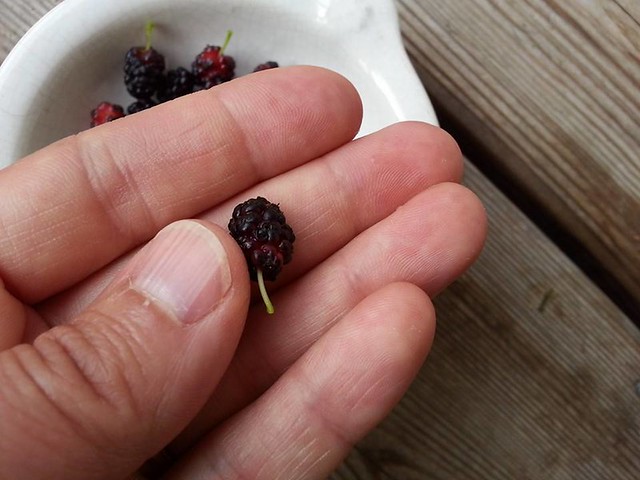
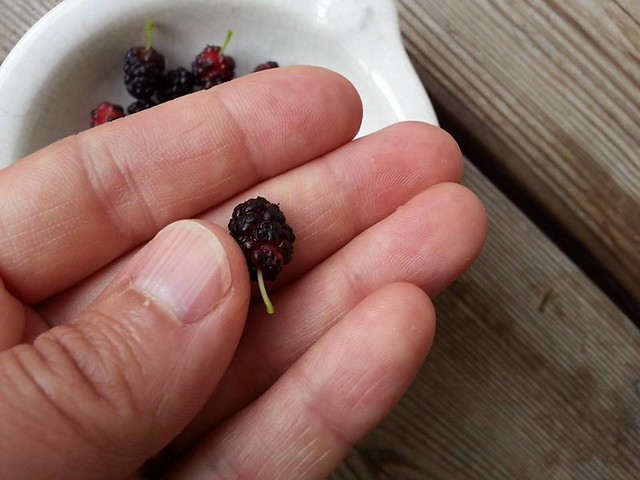
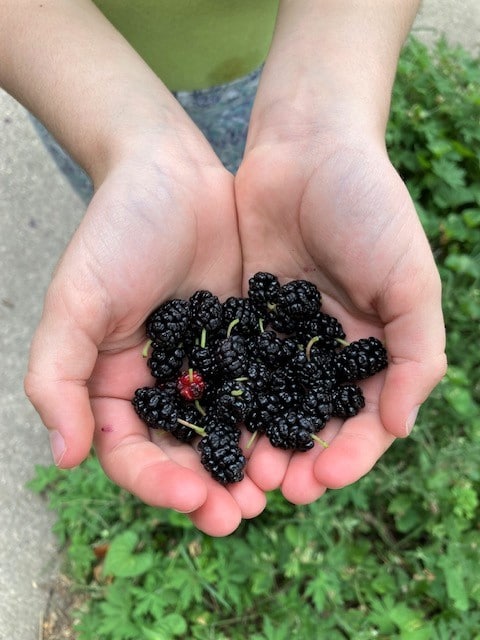
– Fresh: rinse and snack on them straight, or scatter over salads, yogurt, and breakfast bowls.
– Dried: fold into trail mix, granola, muffins, or energy bars for a chewy bite.
– Juice or purée: blend into smoothies, homemade sodas, or salad dressings.
– Jams and sauces: simmer with a little sweetener to create colorful spreads or dessert toppings.
Potential Risks and Allergies
Health Risks
Most people tolerate mulberries well, yet a few points are worth noting:
– Allergies: although uncommon, some individuals may experience itching or mild swelling; discontinue use if symptoms appear.
– Digestive comfort: eating large quantities at once may lead to temporary bloating or loose stools because of the fruit’s fiber load.
Historical and Cultural Significance
History
Mulberry trees have been cultivated for millennia, first treasured in Asia before spreading along trade routes to Europe and later the Americas. In several traditions the fruit symbolized patience and longevity, often appearing in folklore and poetry.
Cultural Uses
Beyond the table, mulberries appear in herbal infusions and regional sweets. In parts of the Middle East and South Asia, the berries are reduced to syrups that flavor rice dishes and desserts, while tea made from the leaves remains popular in East Asian wellness practices.
Conclusion
Mulberries offer a nutritious, low-calorie way to brighten meals and snacks. As with any food, enjoy them in sensible amounts and pay attention to personal tolerance. Adding a handful of fresh or dried mulberries can lend both color and gentle sweetness to a balanced diet.
Future Research Directions
Further Studies
Scientists continue to explore:
– Allergenic potential: identifying specific proteins that might trigger reactions.
– Chronic disease links: clarifying how mulberry antioxidants affect heart health and metabolic markers.
– Sustainable farming: refining cultivation methods to boost yield while reducing environmental impact.
Expanded research will help consumers and growers alike appreciate the full value of this ancient fruit.
References
– General food allergy resources, international health portals.
– Peer-reviewed journals on functional foods and plant antioxidants.
– Botanical reviews covering traditional uses of Morus species.
– Historical horticulture texts and agricultural extension summaries.
– Public nutrient databases for raw mulberries.


