

The Impact of Food Imagery on Consumer Choices
Introduction
In today’s digital landscape, the way food looks has become almost as important as how it tastes. Striking photos of dishes—often shared online—can spark cravings, shape brand perception, and guide purchasing decisions. This article explores how appealing food imagery influences consumer behavior, its role in modern marketing, the psychological reactions it triggers, and the broader consequences for food businesses.
The Role of Food Imagery in Marketing
1.1 Visual Appeal and Brand Identity
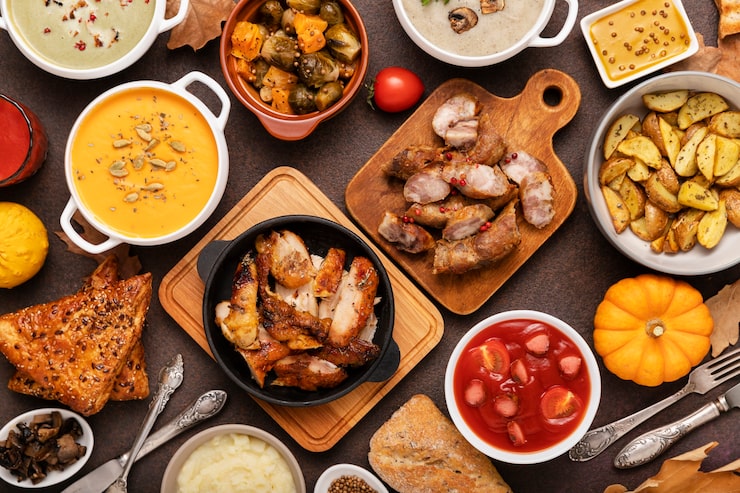
High-quality food photographs are central to building a memorable brand. A single appetizing shot can stop scrolling thumbs, strengthen product recognition, and encourage trial. Research indicates that attractive food visuals can raise perceived product value by a noticeable margin, making them a worthwhile investment for any marketing team.
1.2 Social Media Momentum
Platforms built around images have turned meals into shareable moments. The rise of “foodie” culture means dishes are now styled for the camera as much as for the palate. Eye-catching posts often translate into higher engagement, and studies suggest that consumers are more inclined to buy items they first discover in beautifully composed photos on their feeds.
The Psychological Effects of Food Imagery
2.1 Emotional Triggers
Vivid colors, glistening sauces, and steam rising from a plate can spark instant emotional reactions—comfort, nostalgia, or sudden hunger. These feelings create a bond between viewer and product, increasing the likelihood of a future purchase.
2.2 Cognitive Cues
Images also shape decision-making shortcuts. When people see a clear, fresh-looking picture of a salad, they are more prone to associate that choice with vitality and order it, even if other options are available. Visual cues can therefore nudge consumers toward specific items on a menu or in a store.
The Implications for the Food Industry
3.1 Product Design
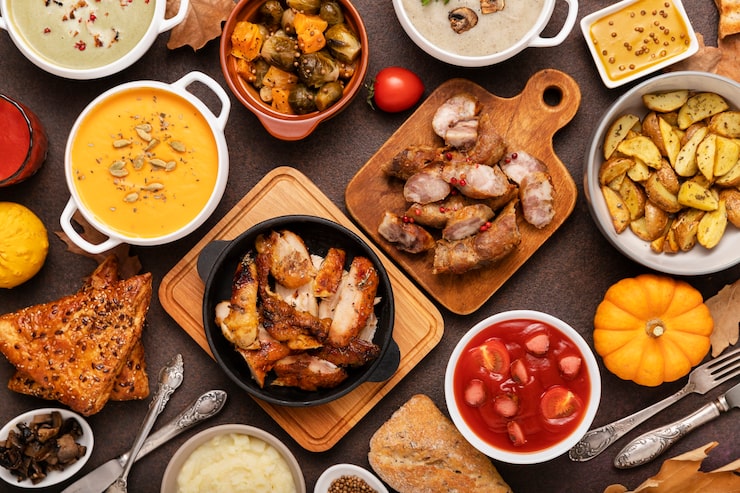
Knowing that a product may be photographed before it is tasted, companies now craft dishes and packaging with camera appeal in mind. Bright toppings, contrasting textures, and bold colors are engineered to stand out both on shelves and in smartphone shots, driving free user-generated publicity.
3.2 Advertising Strategy
Professional food photography has moved from occasional use to a core component of campaigns. Brands allocate larger budgets to styled shoots because compelling visuals consistently lift click-through rates and conversion metrics across digital ads.
The Challenges and Ethical Considerations
4.1 Unrealistic Standards
Heavily retouched photos can set expectations that real servings cannot match, leading to customer disappointment. Critics argue that marketers should disclose when images are enhanced so consumers know what to expect.
4.2 Health and Nutrition
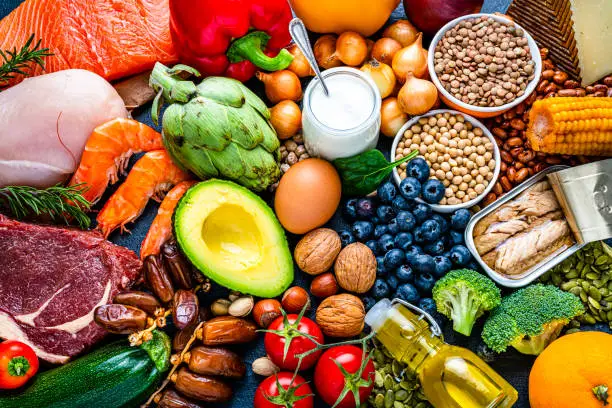
When visual appeal dominates, nutritional quality can fade into the background. Constant exposure to decadent, high-calorie imagery may encourage overindulgence, prompting public-health advocates to request clearer balance between “treat” photos and healthier alternatives.
Conclusion
Appetizing food imagery is a powerful force that steers attention, shapes desires, and ultimately drives sales. As brands continue to leverage this tool, they also carry a responsibility to present food honestly and to promote choices that support long-term well-being. A thoughtful blend of beauty, transparency, and nutritional honesty will define the next era of food marketing.
Future Research Directions
Scholars could examine how prolonged exposure to idealized food photos affects daily eating patterns and overall health. Comparative studies across cultures might reveal differing reactions to visual styles, while investigations into vulnerable populations could clarify whether certain imagery contributes to disordered eating. Such insights will help marketers and health professionals craft imagery that is both compelling and constructive.


