

The term kitsch has long sparked discussion and curiosity. Over the decades it has shifted shape, gathering new shades of meaning. This brief overview traces its roots, outlines its senses, and shows how it has woven itself into everyday English.
Origins of the Word Kitsch
Kitsch began as a German label for art considered gaudy or shallow. English speakers borrowed it in the early 1900s, gradually stretching it to cover anything that feels syrupy, tacky, or playably excessive.
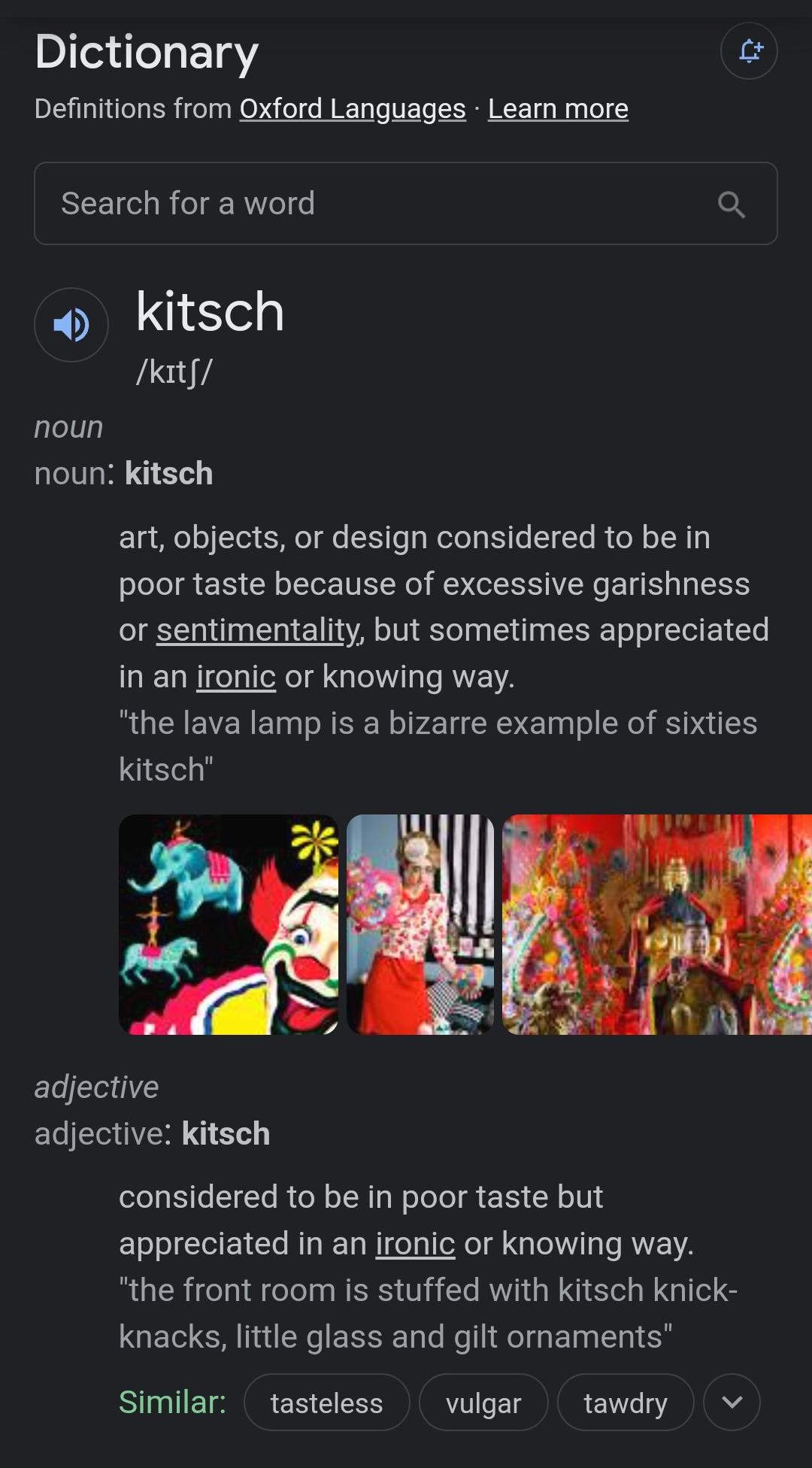
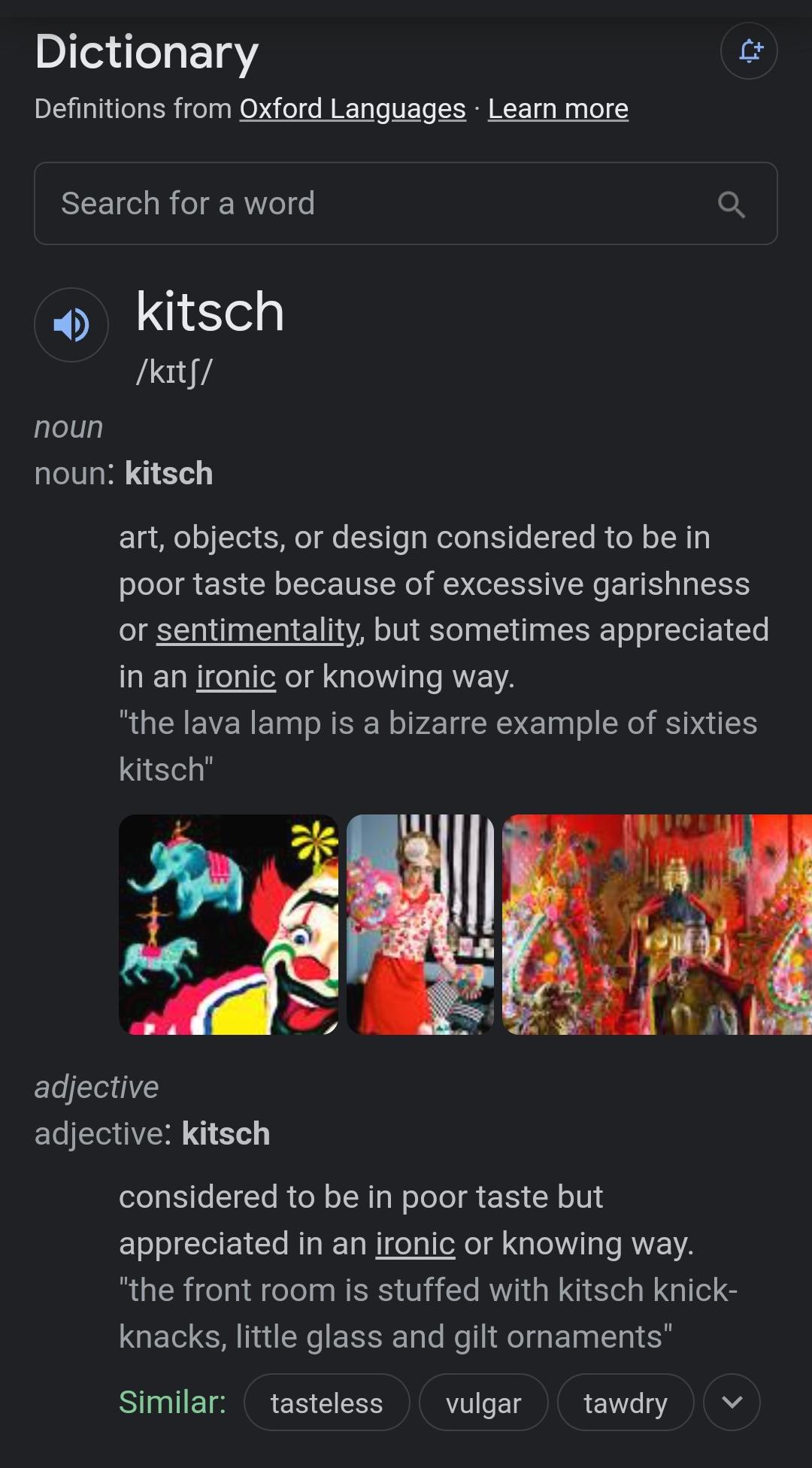
Definitions of Kitsch
Contexts differ, but the word usually points to one of four ideas:
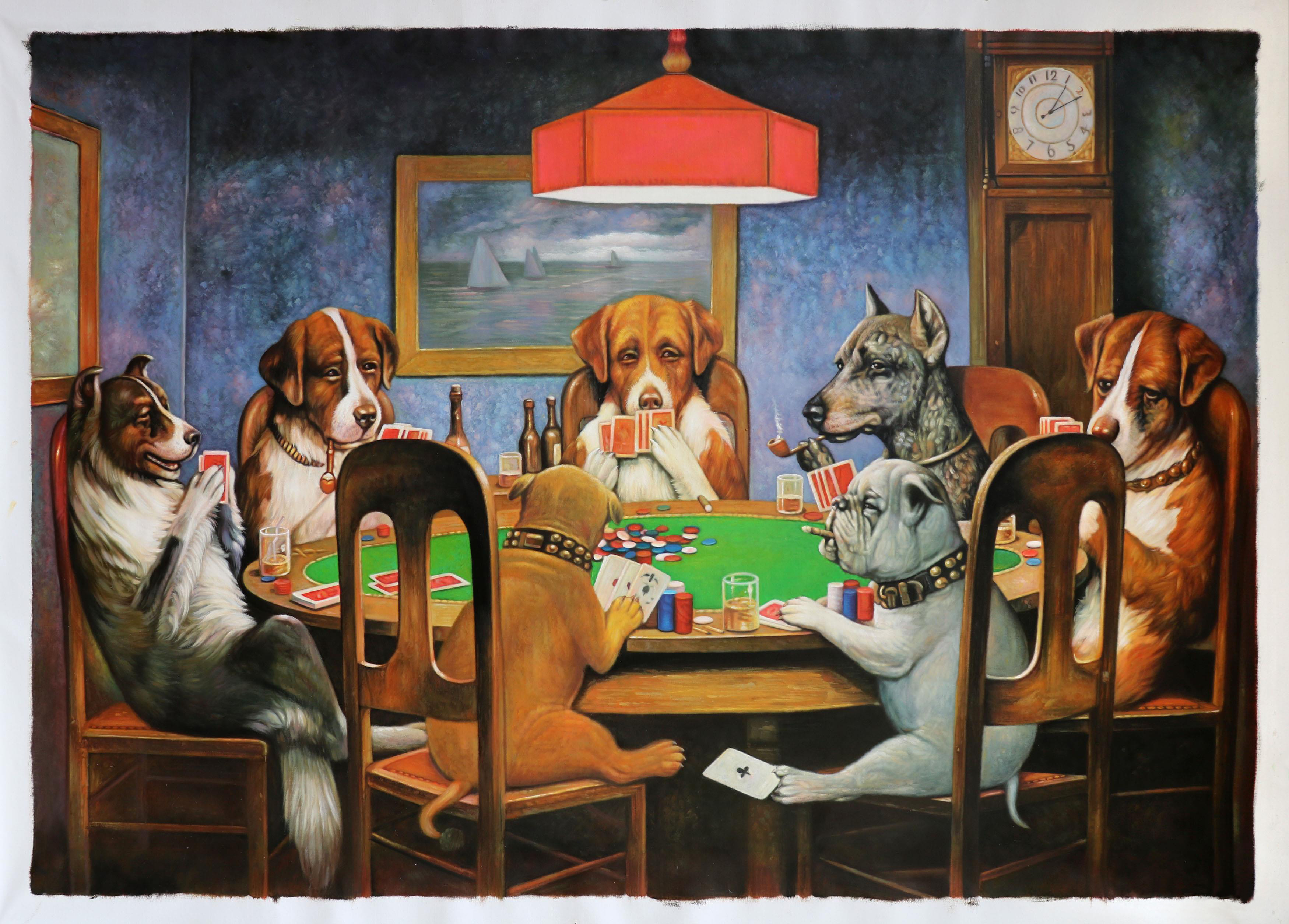
1. Overly Sentimental: a scene, song, or souvenir that lays on emotion so thick it feels sticky.
2. Tacky: an object whose cheap glitter or loud colors grate rather than charm.
3. Playfully Excessive: décor or design that piles on ornament, bright hues, or cute motifs until the effect is comic or absurd.
4. Culturally Ironic: an item once dismissed as low-brow, later reclaimed for its nostalgic or camp value.
Uses of the Word Kitsch
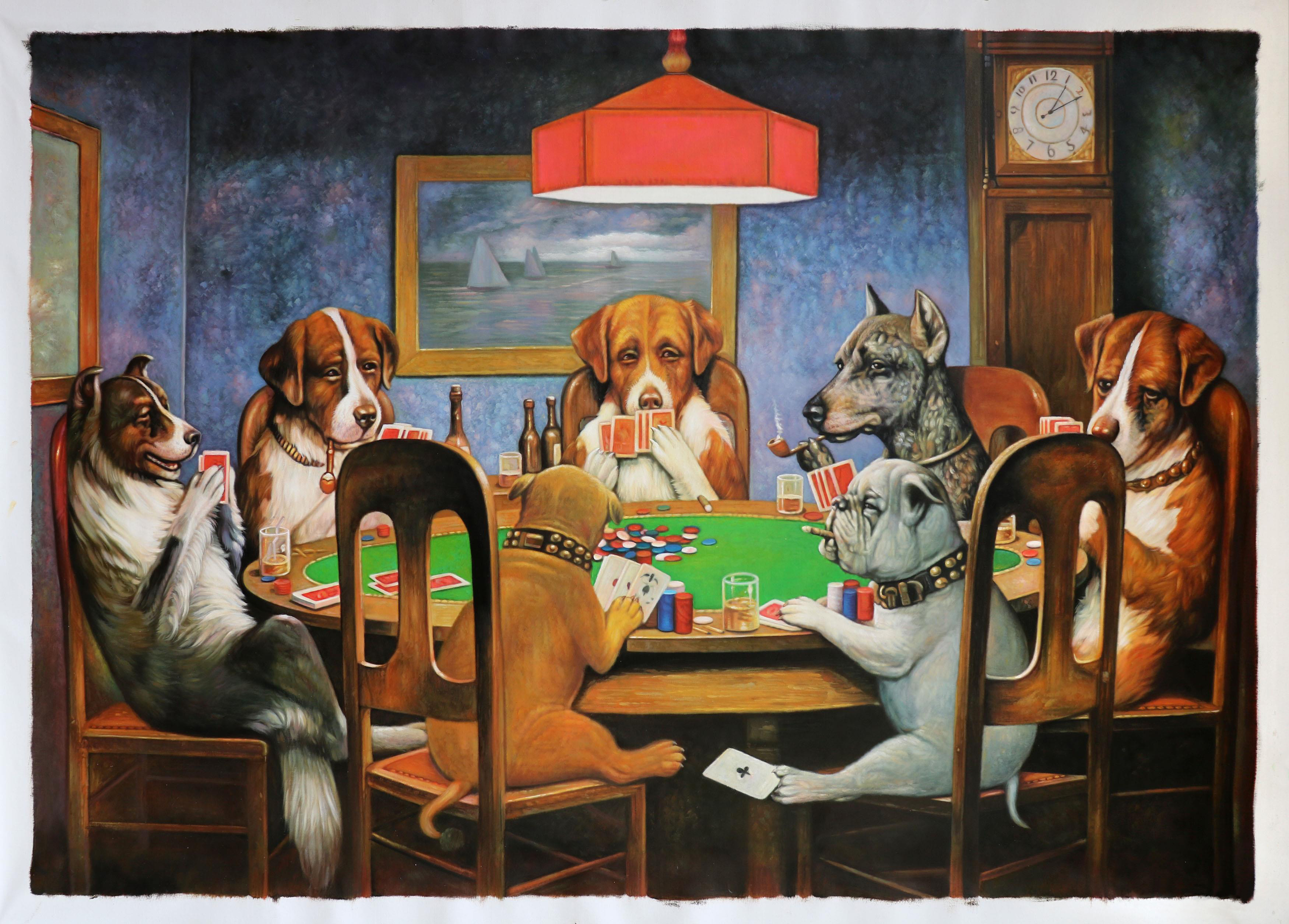
From casual chat to classroom analysis, kitsch pops up everywhere:
1. Fashion: think leopard-print coats, plastic charm bracelets, or sneakers studded with rhinestones.
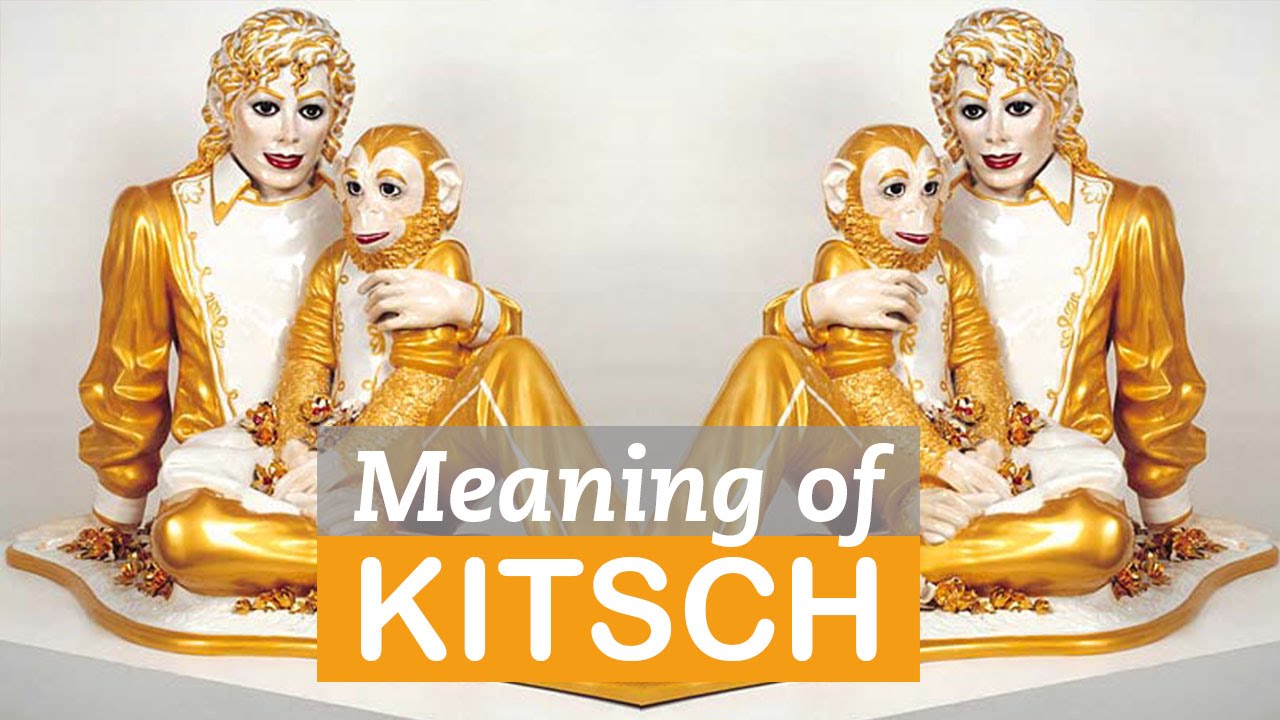
2. Art: velvet paintings, mass-produced sunsets, or sculptures that wink at their own cheesiness.
3. Literature: a subplot stuffed with rose-petal metaphors or a villain who twirls an obviously fake mustache.
4. Screen entertainment: soap-opera revelations, holiday movies that snow artificial sweetness, or game shows flashing neon prizes.
The Debate Over Kitsch
Some critics treat the label as an insult, a quick way to trash popular taste. Others celebrate kitsch for its color, humor, and everyman appeal. Mid-century essays even argued that such “bad taste” mirrors democratic culture—wide-open, unafraid of sparkle, and happy to please.
The Impact of Kitsch on Culture
Once spotted, kitsch is hard to miss:
1. Fashion runways regularly recycle ironic flashes of the past—sequined jackets, souvenir jackets, or bubble-gum pink.
2. Pop artists borrow supermarket colors and advertising punch lines, turning soup cans or comic strips into gallery staples.
3. Novelists weave deliberately mawkish moments to expose character flaws or to tickle the reader.
4. Streaming menus overflow with self-aware rom-coms, retro reboots, and reality contests that thrive on over-the-top sentiment.
Conclusion
Kitsch is neither pure trash nor pure treasure; it is a mirror held up to collective longing for comfort, nostalgia, and fun. Whether greeted with an eye-roll or a grin, it remains a handy word for the sweet, shiny, and slightly too much.
References
– A noted mid-century critic defended kitsch as “the aesthetic of democratized culture.”
– Later studies explore how mass-produced emotion shapes taste.
– Memoirs of pop-art pioneers reveal deliberate flirtations with camp and commercial gloss.


