The Impact of Food-Inspired Design on Consumer Experience
Introduction
In the ever-evolving landscape of consumer goods, borrowing visual cues from the kitchen has become a powerful creative direction. Designers translate edible textures, colors, and silhouettes into everyday items, turning ordinary objects into multisensory experiences. This overview examines how gastronomic references shape shopper impressions, outlines the main advantages and hurdles, and considers where the trend may head next.
The Concept of Food-Inspired Design
Defining Food-Inspired Design
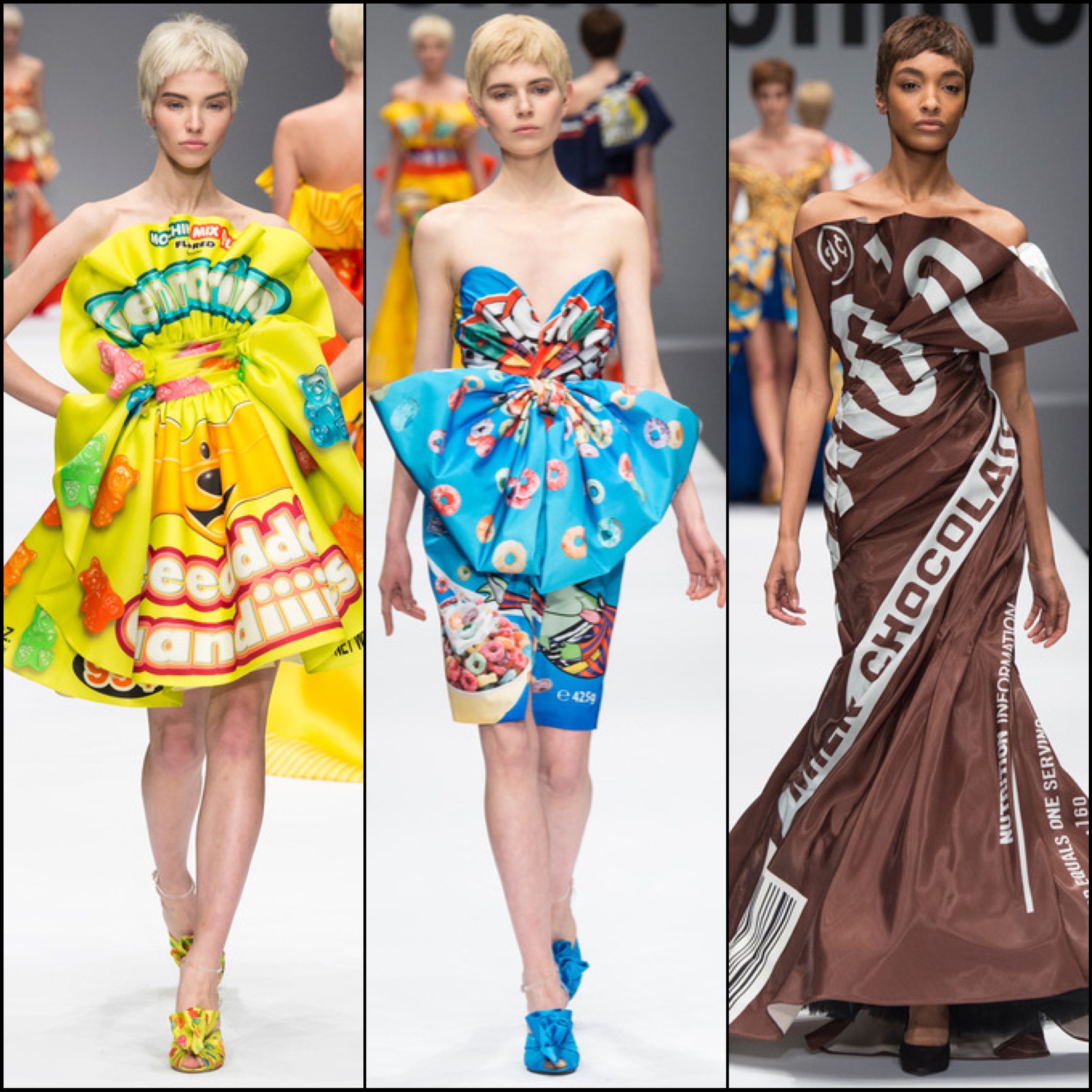
Food-inspired design is a cross-disciplinary practice that imports culinary aesthetics into non-edible products. By echoing ingredients, dishes, or cooking rituals, creators aim to trigger appetite-like curiosity and emotional warmth without the calories.
Key Elements of Food-Inspired Design
The palette usually includes:
– Textures: satin finishes that recall glazed icing, or dimpled surfaces reminiscent of seeded bread.
– Colors: juicy gradients borrowed from citrus, berries, or fresh herbs.
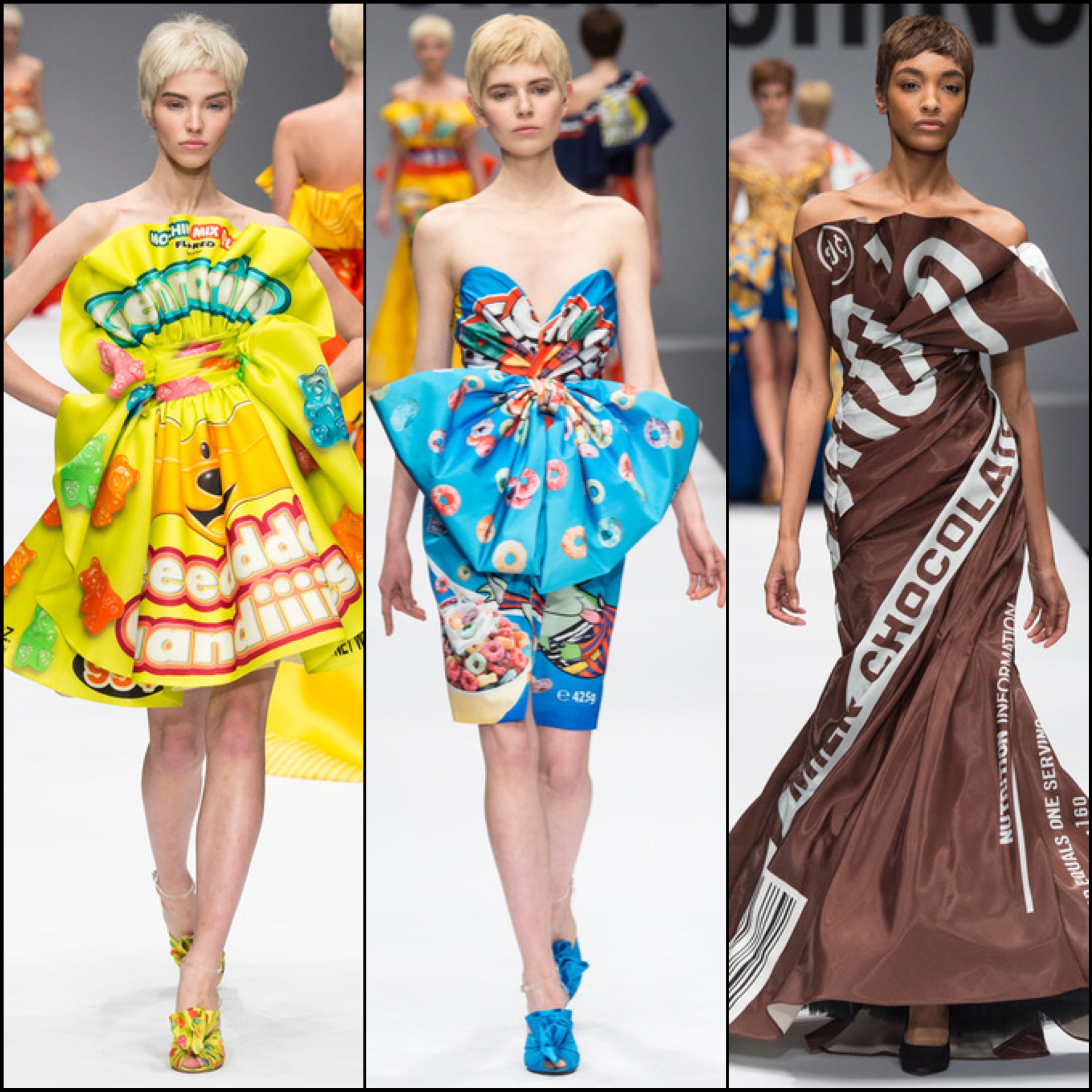
– Shapes: gentle bulges, twists, or folds that mirror produce, pastries, or pasta.
– Scents: subtle aromatic coatings that release comforting vanilla, cocoa, or roasted notes on contact.
The Benefits of Food-Inspired Design
Enhanced Aesthetics
Products that look good enough to eat naturally stand out on crowded shelves, inviting closer inspection and spontaneous purchase.

Emotional Connection
Familiar food references can spark nostalgia or anticipation, turning a simple interaction into a memorable moment and encouraging brand loyalty.
Improved Functionality
Organic contours often fit the hand better, while grippy, food-textured surfaces reduce the chance of drops or slips.
Challenges of Food-Inspired Design

Practicality
Striking the balance between playful form and everyday durability remains tricky; a fragile, dessert-like shell may delight the eye yet fail in real-world use.
Cost
Special molds, layered coatings, or scented additives can raise production expenses, forcing brands to justify premium pricing.
Consumer Perception
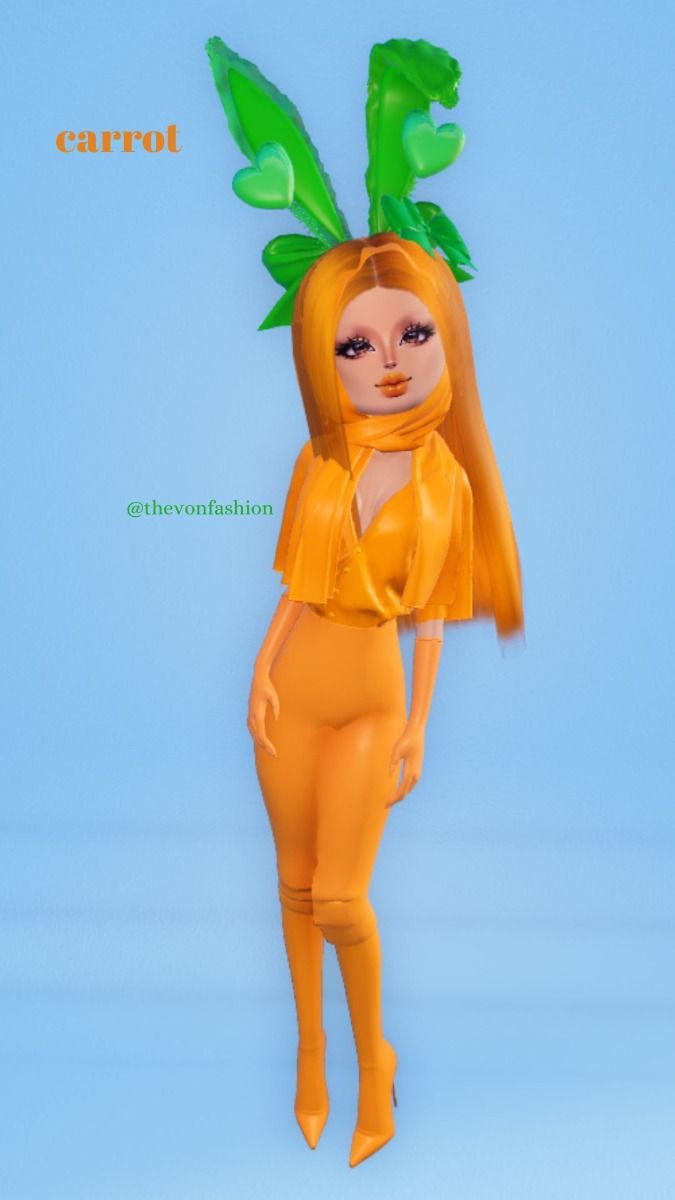
Not every shopper welcomes edible cues on non-edible goods; some may worry about hygiene, temptation, or simply prefer minimalist neutrality.
Case Studies
A Popular Smartphone
A flagship handset pairs glossy, fruit-like curves with a name that hints at orchards, reinforcing freshness and approachability while maintaining technical prestige.
A Flat-Pack Seat
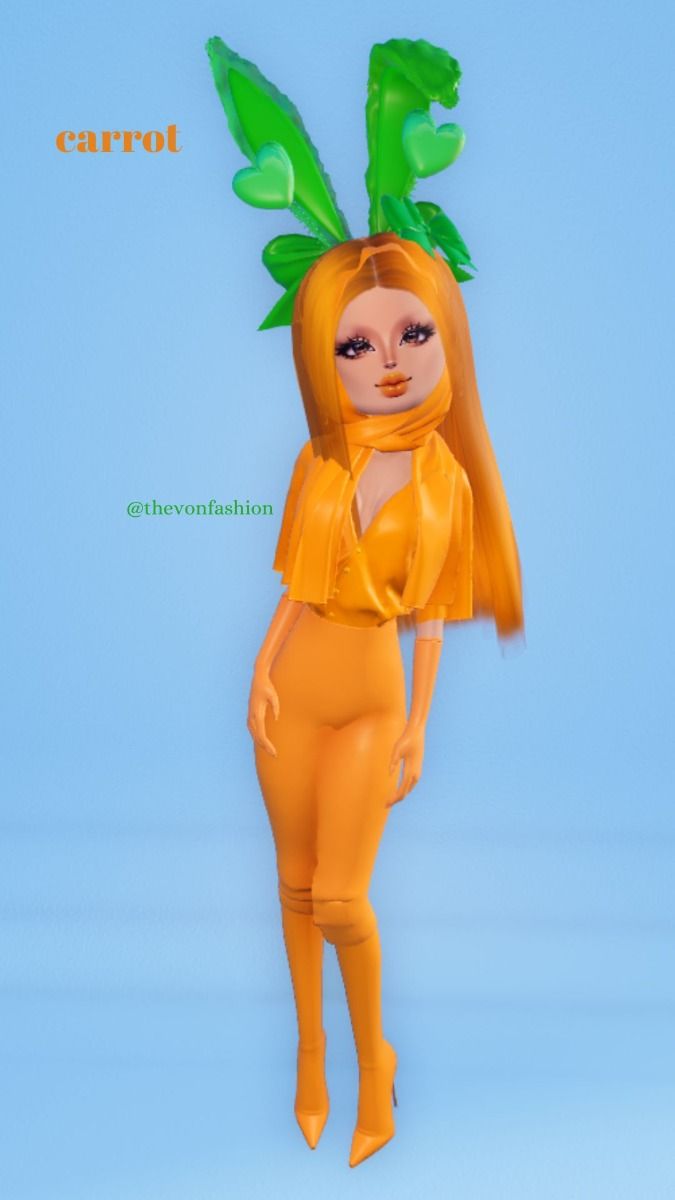
A well-known furniture chain offers a stool whose seat fans out like a lettuce leaf, blending botanical softness with sturdy support and affordable shipping.
The Future of Food-Inspired Design
Technological Advancements
High-resolution 3D printing and programmable scents will allow ever more convincing crusts, peels, or marbling to be embedded directly into surfaces.
Sustainability

Expect wider use of bio-based resins, mycelium foams, and food-waste pigments, letting eco-minded buyers indulge their senses without compromising the planet.
Cultural Diversity
Global cuisines will keep feeding the creative pipeline, introducing unfamiliar spices, street-food silhouettes, and communal dining rituals into mainstream product language.
Conclusion
By tapping into universal cravings for comfort and beauty, food-inspired design enriches visual appeal, deepens emotional resonance, and can even improve usability. Although cost, practicality, and varied tastes pose ongoing challenges, the appetite for sensory, sustainable, and culturally rich objects shows no sign of fading. Designers who master this flavorful toolkit will continue to cook up goods that nourish both function and feeling.