

The Art and Science of Cooking: A Broad Overview
Introduction
Cooking is both a creative craft and a practical science that has shaped human life since prehistoric eras. Beyond satisfying appetite, it expresses identity, imagination, and community. This overview traces the development of cooking, its core methods, health implications, and cultural meaning, offering a rounded portrait of an everyday yet remarkable activity.
The Historical Evolution of Cooking
The Ancient Beginnings
Early communities first controlled fire to transform raw ingredients, unlocking safer, more digestible, and more varied meals. Societies around the Mediterranean, Asia, and the Americas later refined tools, flavors, and preservation skills, laying the groundwork for the regional cuisines we recognize today.
The Middle Ages and the Renaissance
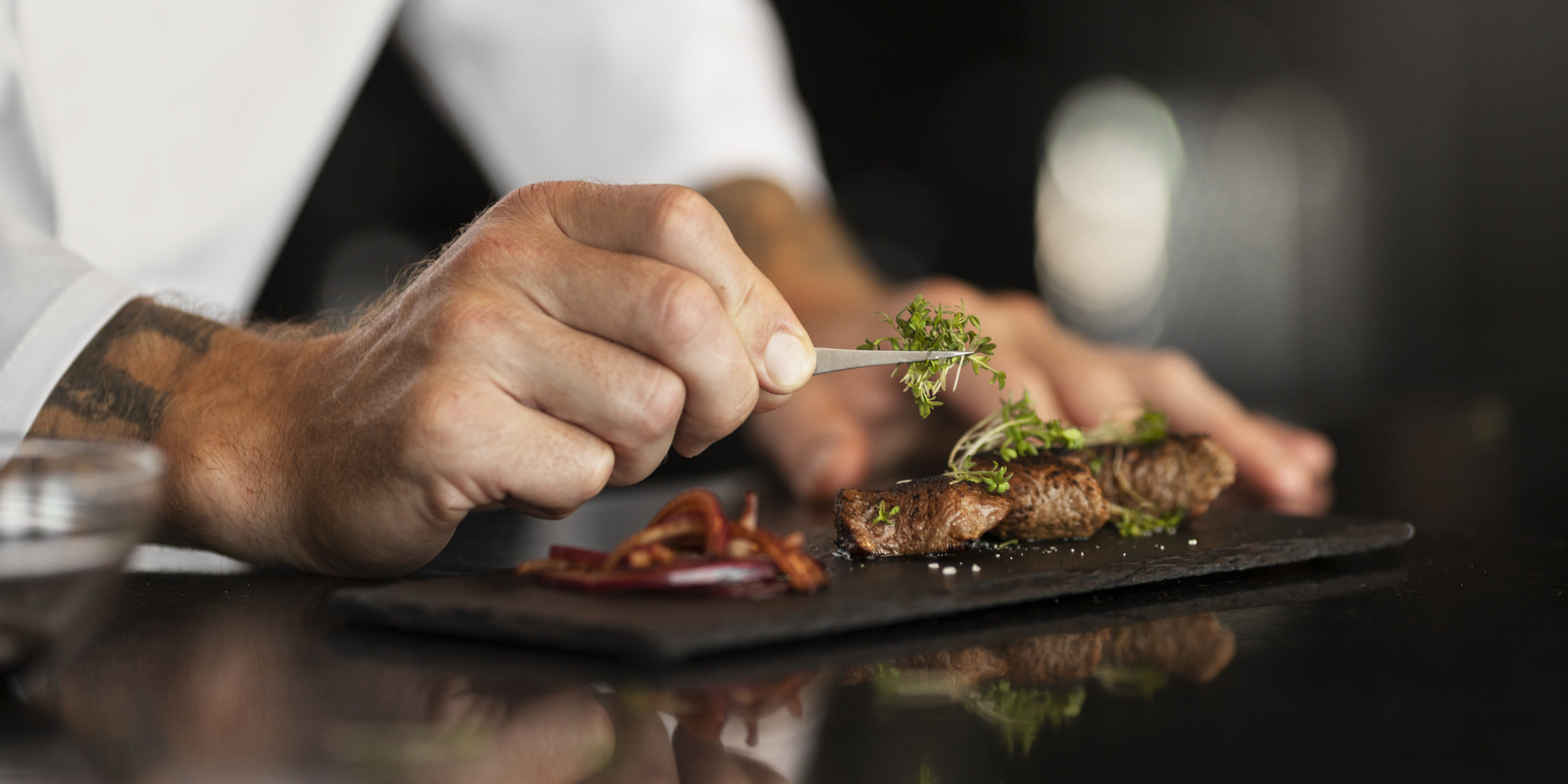
Expanding trade routes circulated spices, grains, and produce, encouraging cooks to experiment with bolder combinations. In Renaissance courts, culinary practice gained prestige, and handwritten recipe collections began to circulate, preserving knowledge for succeeding generations.
Techniques and Methods in Cooking
Basic Cooking Methods
Everyday kitchens rely on a handful of time-tested approaches:
– Boiling: Submerging food in hot liquid until tender; suitable for pasta, legumes, and many vegetables.
– Steaming: Using vapor to cook, retaining color and nutrients; ideal for fish and delicate greens.
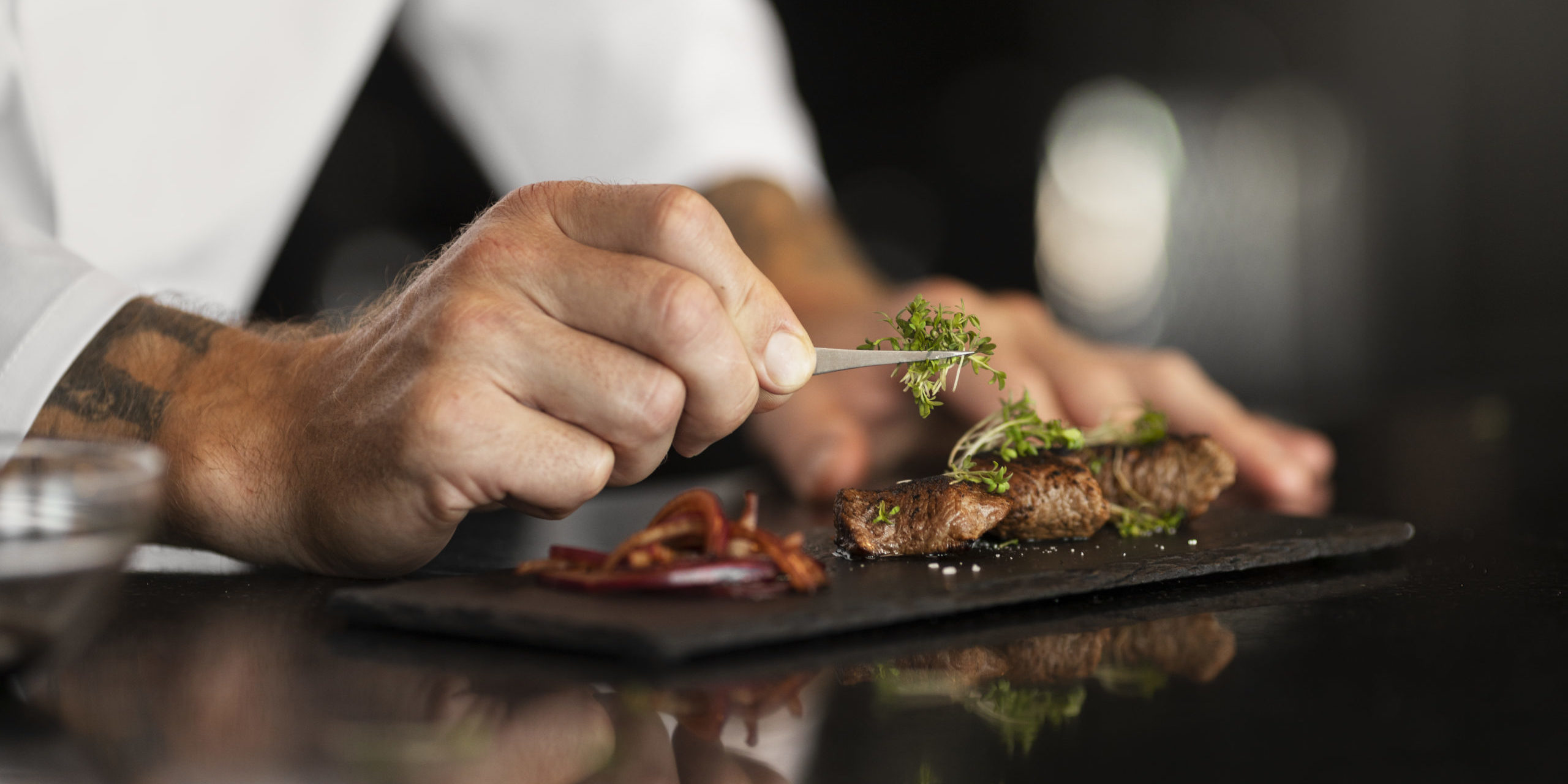
– Baking: Surrounding food with dry oven heat for even cooking and browning; the foundation for breads, casseroles, and desserts.
– Grilling: Applying high, direct heat for charred flavor; works well for meats, plant proteins, and firm produce.
Advanced Techniques
Modern kitchens also employ precision methods:
– Sous-vide: Vacuum-sealing ingredients and cooking them in a temperature-controlled water bath for consistent doneness.
– Dehydration: Removing moisture to intensify flavor and extend shelf life, evident in fruit leathers and vegetable chips.
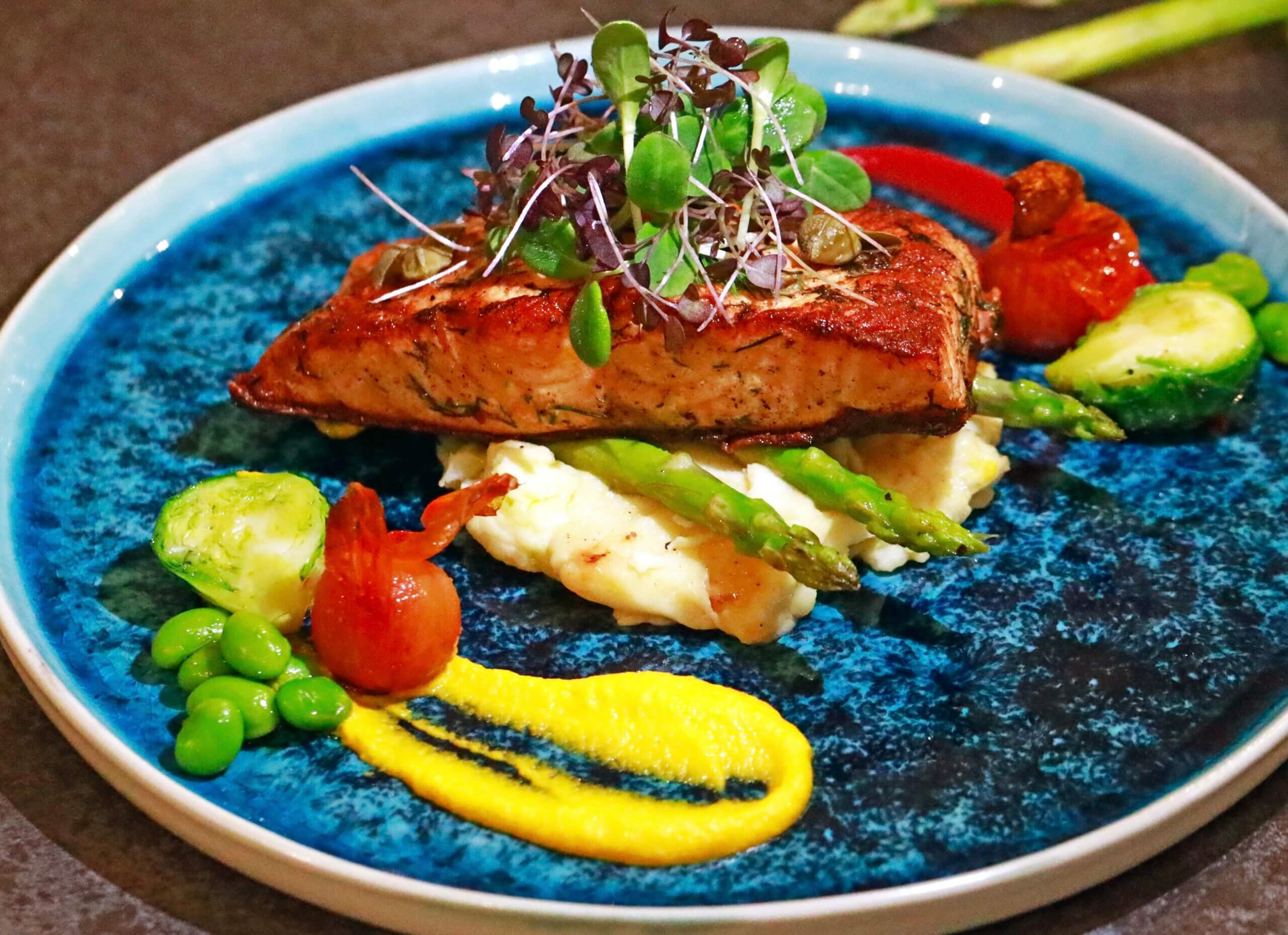
– Emulsification: Blending immiscible liquids such as oil and water into stable sauces like mayonnaise or vinaigrette.
Nutritional Aspects of Cooking
Food as a Wellness Tool
How ingredients are handled affects their nutrient content. Gentle techniques such as steaming or quick stir-frying conserve vitamins, whereas prolonged boiling can diminish them. Mindful preparation turns the kitchen into a space for preventive care.
Balance and Variety
Combining diverse whole foods—grains, produce, proteins, and healthy fats—supports overall health. Traditional eating patterns often model this variety, encouraging plates that are colorful, seasonal, and satisfying.
Cultural Significance of Cooking
Food as Cultural Mirror
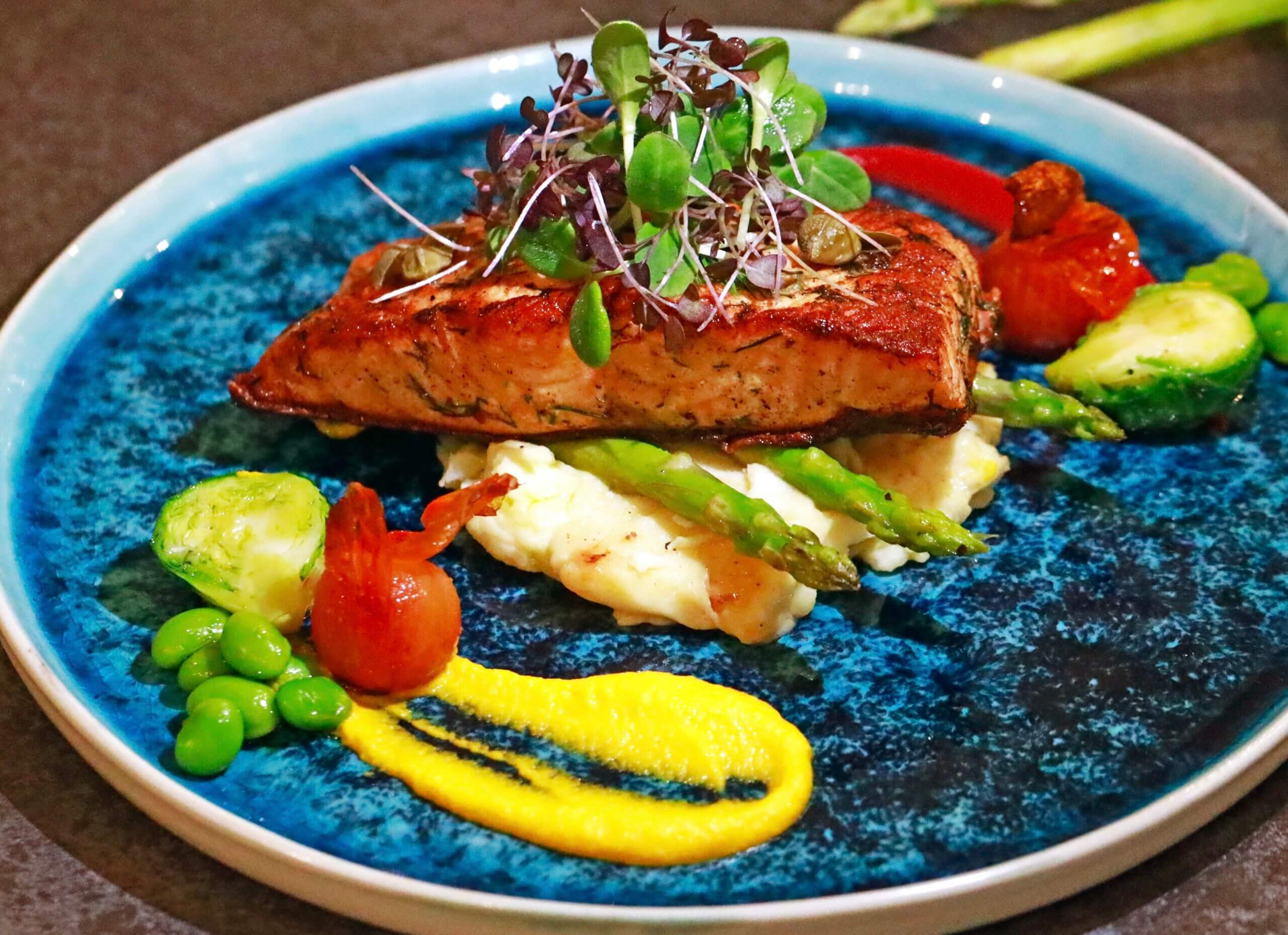
Recipes carry stories of geography, climate, and shared memory. Whether a holiday centerpiece or a weekday staple, dishes communicate values and connect generations, anchoring identity in aroma and taste.
Globalization and Culinary Fusion
Cross-cultural encounters continuously refresh the culinary landscape. Ingredients and ideas travel, leading to creative hybrids that honor multiple traditions while inviting new audiences to the table.
Conclusion
Cooking blends heritage, science, and artistry, enriching daily life and special occasions alike. By valuing thoughtful techniques and diverse flavors, we nurture both body and community, ensuring that the kitchen remains a source of discovery and connection.
Recommendations and Future Exploration
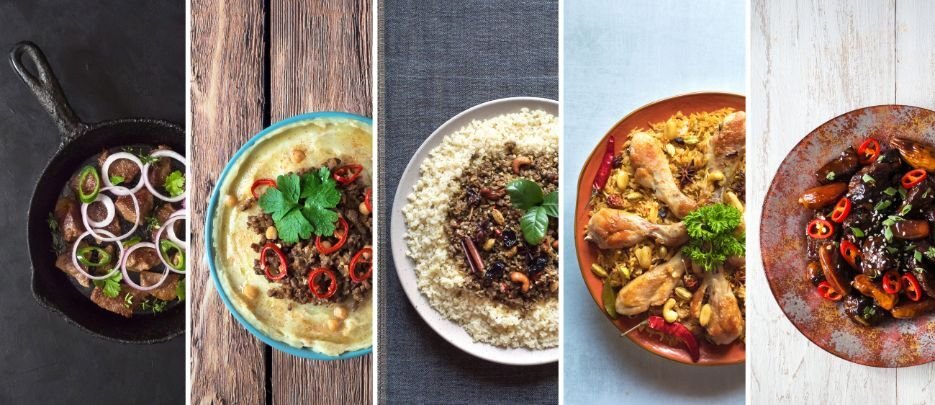
Continued study of how preparation affects nutrients, the role of diet in well-being, and the stories embedded in traditional foods can deepen appreciation. Encouraging hands-on learning and respectful cultural exchange will keep culinary knowledge vibrant for future cooks.


