

How Many Points Can You Eat on Weight Watchers: A Comprehensive Guide
Introduction
Weight Watchers, a widely followed weight-management program, has guided people toward healthier habits for years. Central to the plan is a points-based food tracker that converts nutrition data into an easy daily budget. This guide explains how the system works, how your personal budget is set, and how to use it for steady, sustainable progress.
Understanding the Points System
What are Points?

Every food and drink is assigned a points value that reflects its overall nutritional profile. Protein, calories, saturated fat, and sugar raise the value, while fiber and unsaturated fat lower it. The goal is to nudge you toward nutrient-dense choices without banning any single food.
How are Points Calculated?
The algorithm weighs calories, fat, sugar, and fiber to produce one simple number. You don’t need to do the math yourself; the official app and printed materials list the value for thousands of items.
How Many Points Can You Eat?
Daily Points Budget
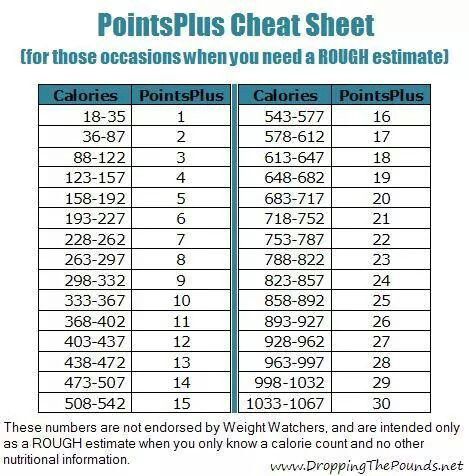
Your daily allowance is tailored to age, sex, height, weight, and typical activity. After a short questionnaire, the program delivers a personalized budget that updates as you lose weight or change activity levels.
Flexibility within the Budget
You may bank a few unused points for a weekend treat or borrow from a weekly stash when life calls for pizza night. As long as the average over seven days stays within range, steady loss is still expected.
Recent Updates
Periodic plan refreshes add zero-point foods—such as skinless chicken, corn, and non-fat yogurt—to give members more filling options without raising the daily tally.

Benefits of the Points Approach
Nutritional Balance
By rewarding lean protein, fruits, and vegetables with lower scores, the system naturally steers meals toward balanced plates rich in vitamins and minerals.
Flexibility
No food is off-limits; portion control and daily budgeting let you enjoy favorites in moderation, reducing the “all-or-nothing” cycle that derails many diets.
Accountability
Logging each bite builds awareness, making it easier to spot hidden calories and adjust habits before small slips become big gains.
Tips for Success
Plan Your Meals
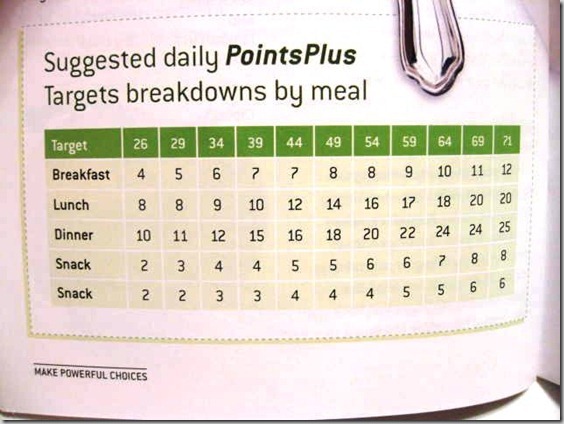
Sketch tomorrow’s breakfast, lunch, and dinner the night before. Entering choices ahead of time keeps you within budget and prevents last-minute takeout temptations.
Use the App
The scanner tool instantly reads barcodes, while the recipe builder converts homemade dishes into exact point totals, saving time and guesswork.
Watch Portions
Even zero-point foods can add up. Stick to sensible servings and pause halfway through each meal to check fullness cues.
Conclusion
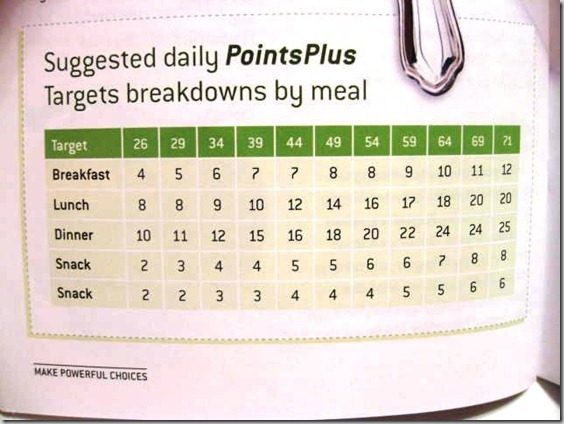
A clear daily points budget, combined with built-in flexibility and simple tracking tools, makes the program a practical roadmap for lasting weight control. Focus on balanced plates, honest logging, and steady tweaks, and the numbers on both the tracker and the scale will move in the right direction.



