

Best Food to Cook at Home: A Comprehensive Guide
Introduction
Preparing meals in your own kitchen is more popular than ever, as people look for healthier habits, lower expenses, and the joy of crafting dishes from scratch. With endless recipes and methods to choose from, deciding what to make can feel overwhelming. This guide highlights the advantages of home cooking, suggests reliable dishes to try, and offers practical advice to help every cook succeed.
Benefits of Cooking at Home
Healthier Eating
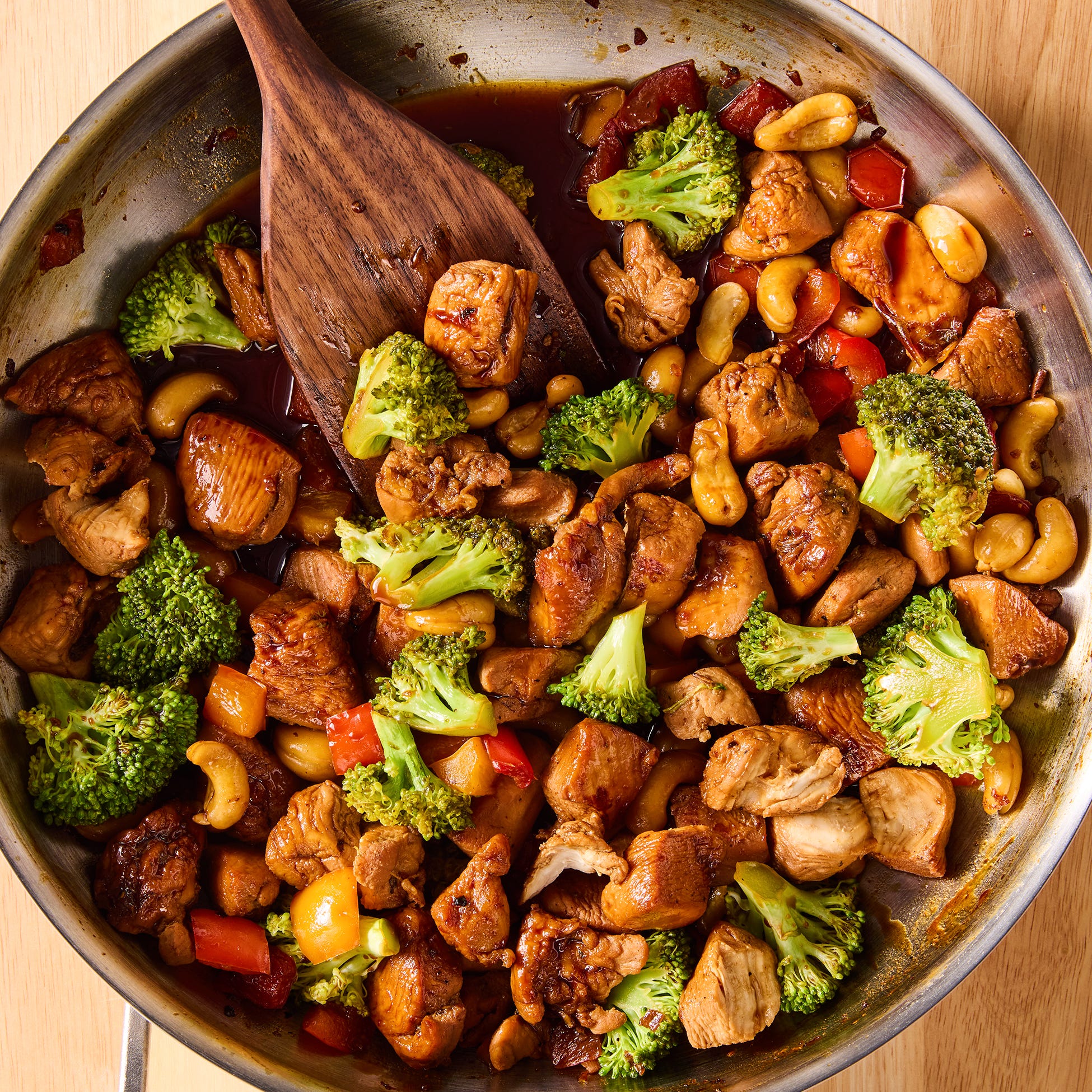
When you cook for yourself, you decide exactly what goes into each dish. Fresh produce, lean proteins, and whole grains can take center stage, while excess salt, sugar, and processed additives stay off the plate. Consistently choosing balanced ingredients supports steady energy and long-term wellness.
Cost-Effective
Buying staples in larger quantities and turning them into several meals is almost always lighter on the wallet than frequent restaurant visits. A single bag of rice, a tray of seasonal vegetables, and a modest portion of protein can stretch into multiple satisfying lunches and dinners for a fraction of the price of take-out.
Increased Satisfaction
There is genuine pleasure in tasting a dish whose flavors you shaped yourself. Whether you follow a recipe or improvise with what is on hand, the creative act builds confidence and turns everyday nourishment into a small celebration.
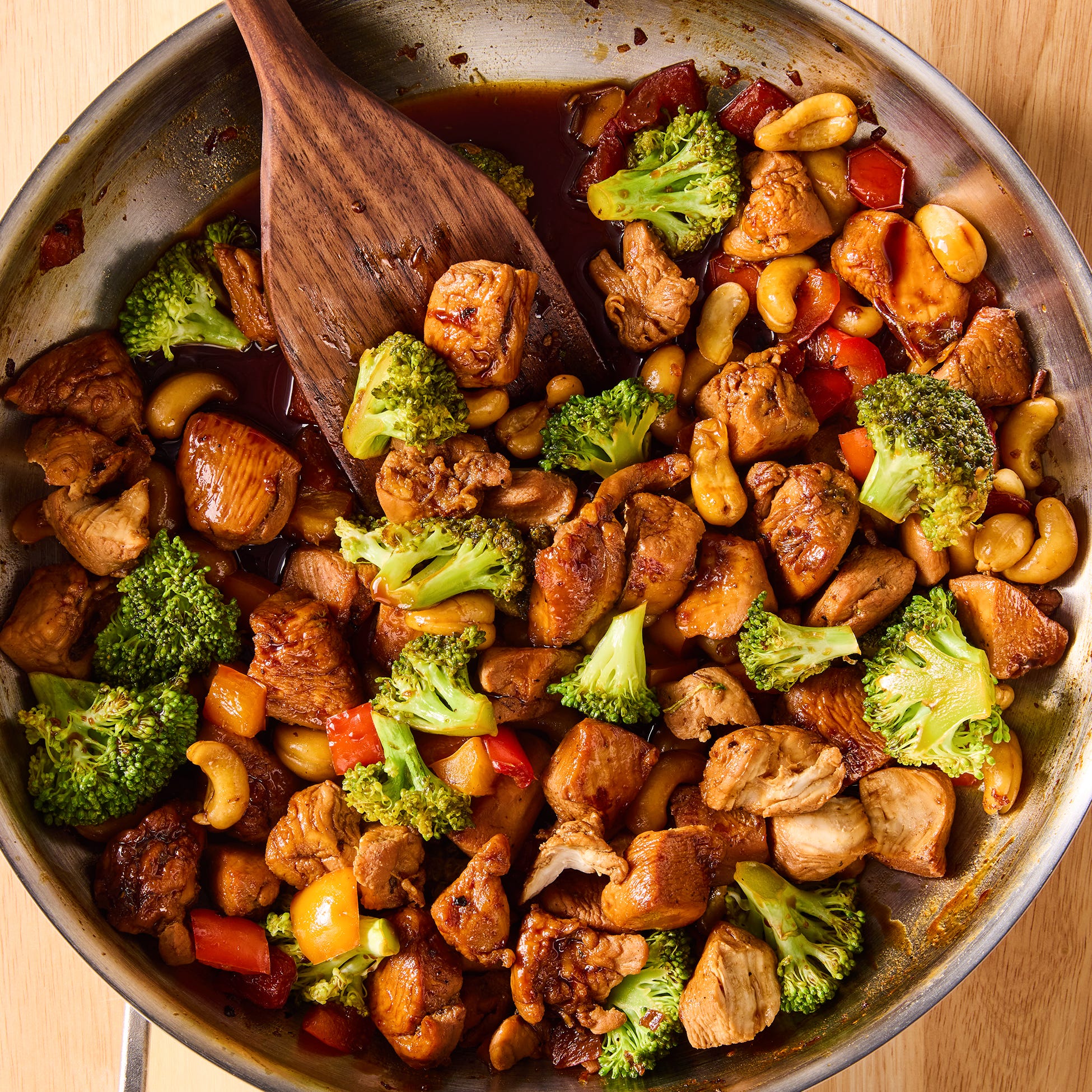
Top Foods to Cook at Home
Soups and Stews
One pot, humble ingredients, and gentle heat yield comforting bowls that taste even better the next day. Lentil soup, minestrone, or a simple chicken stew welcome whatever vegetables or grains you have, making them ideal for reducing waste and boosting nutrition.
Salads
Crisp greens, juicy fruit, toasted nuts, and a bright dressing can be assembled in minutes. Rotate toppings—roasted chickpeas, grilled shrimp, or a soft-boiled egg—to keep salads exciting and complete.
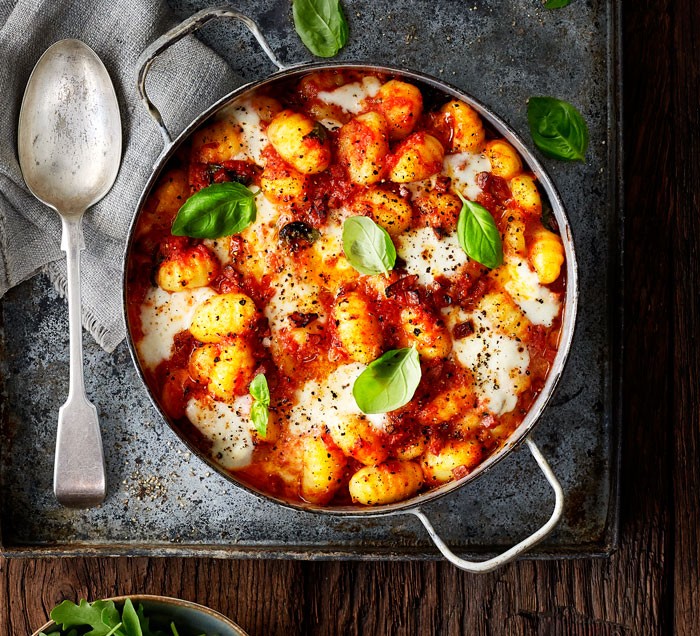
Pasta
From weeknight spaghetti aglio e olio to baked ziti for a crowd, pasta adapts to any craving. Pair whole-grain noodles with plenty of vegetables and a drizzle of good olive oil for a speedy, balanced plate.
Grilled Foods
A hot grill (or grill pan) adds deep flavor without much added fat. Marinate tofu, fish, or skewered vegetables in citrus, herbs, and a splash of oil for a quick main that needs only a side salad or corn on the cob.
Baked Goods
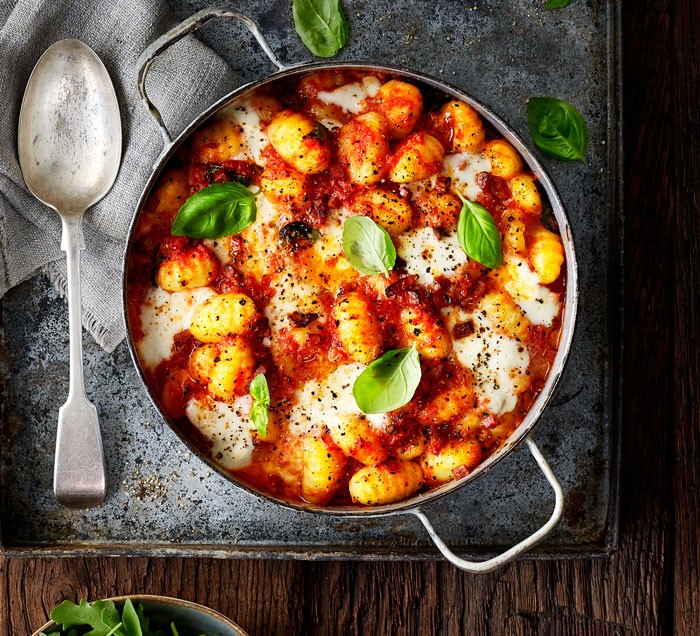
Home ovens turn simple batter into comforting banana bread or flaky scones for weekend mornings. Baking also invites experimentation—swap in mashed sweet potato for part of the fat, or add oats for extra texture.
Tips for Successful Home Cooking
Plan Your Meals
Sketching a loose menu for the week prevents last-minute stress and repetitive dishes. Check what you already have, note upcoming schedules, and choose recipes that share ingredients to save both time and money.
Invest in Quality Ingredients
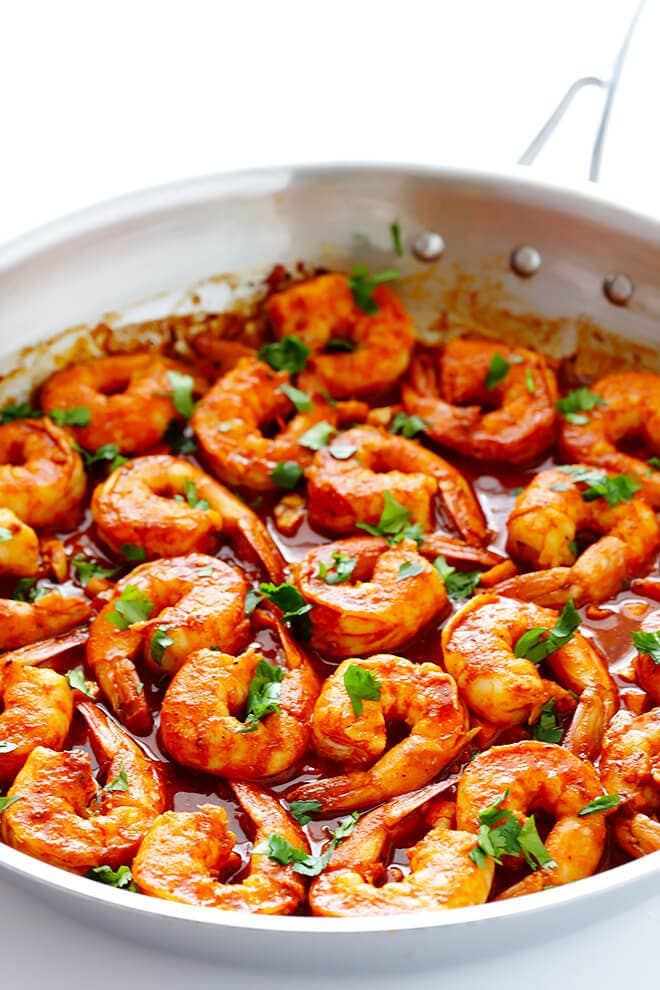
Fresh herbs, ripe tomatoes, or a bottle of fragrant olive oil can elevate even the simplest recipe. Prioritize one or two standout items rather than overloading the cart; small upgrades often deliver the biggest flavor payoff.
Learn Basic Cooking Techniques
Mastering skills like roasting vegetables, simmering grains, and searing protein provides a reliable foundation. Once comfortable with the basics, you can mix and match components to create endless variations.
Take Risks and Experiment
Try a new spice blend, substitute quinoa for rice, or fold wilted greens into scrambled eggs. Treat the kitchen as a playground—tastes evolve, and every experiment teaches something useful for the next meal.
Conclusion
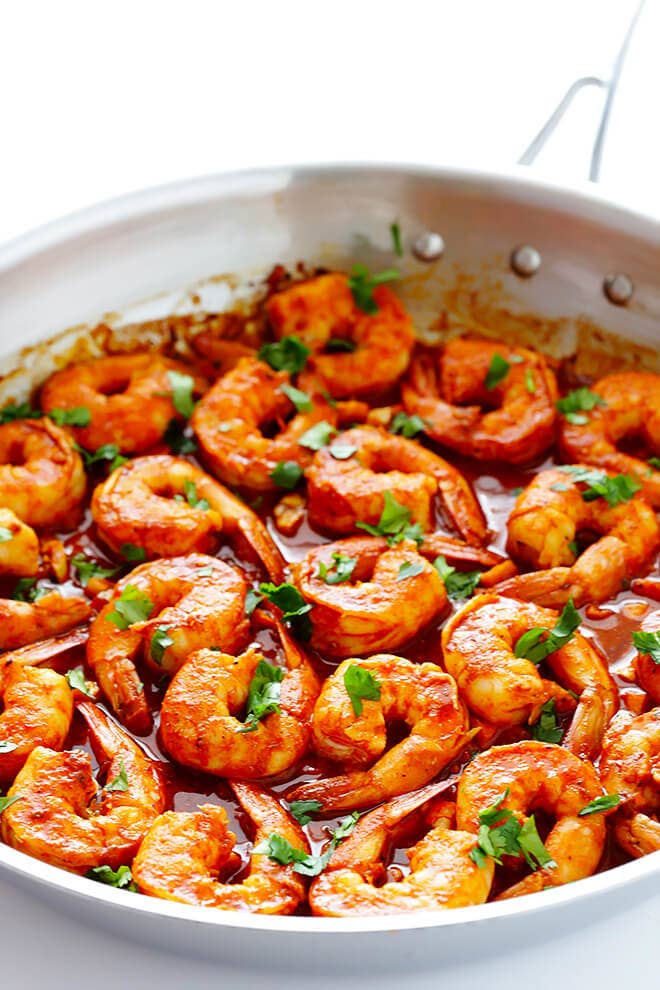
Home cooking rewards you with meals that are kinder to your body, budget, and spirit. By focusing on flexible dishes—soups, salads, pasta, grilled fare, and wholesome baked treats—you can build a repertoire that fits any season or mood. Plan ahead, choose good ingredients, practice core techniques, and stay curious. Over time, the best food to cook at home becomes whatever you feel like creating next, and the kitchen becomes the heart of daily well-being.


