The Impact of Food on Human Health and Society
Introduction
Food, a basic requirement for life, shapes our well-being, traditions, and communities. It ranges from fresh produce to staple grains and proteins, forming the foundation of human nutrition. This article reviews how daily food choices influence health, cultural identity, and social progress, offering a broad perspective on why food matters.
The Nutritional Value of Food
The Importance of Nutrients
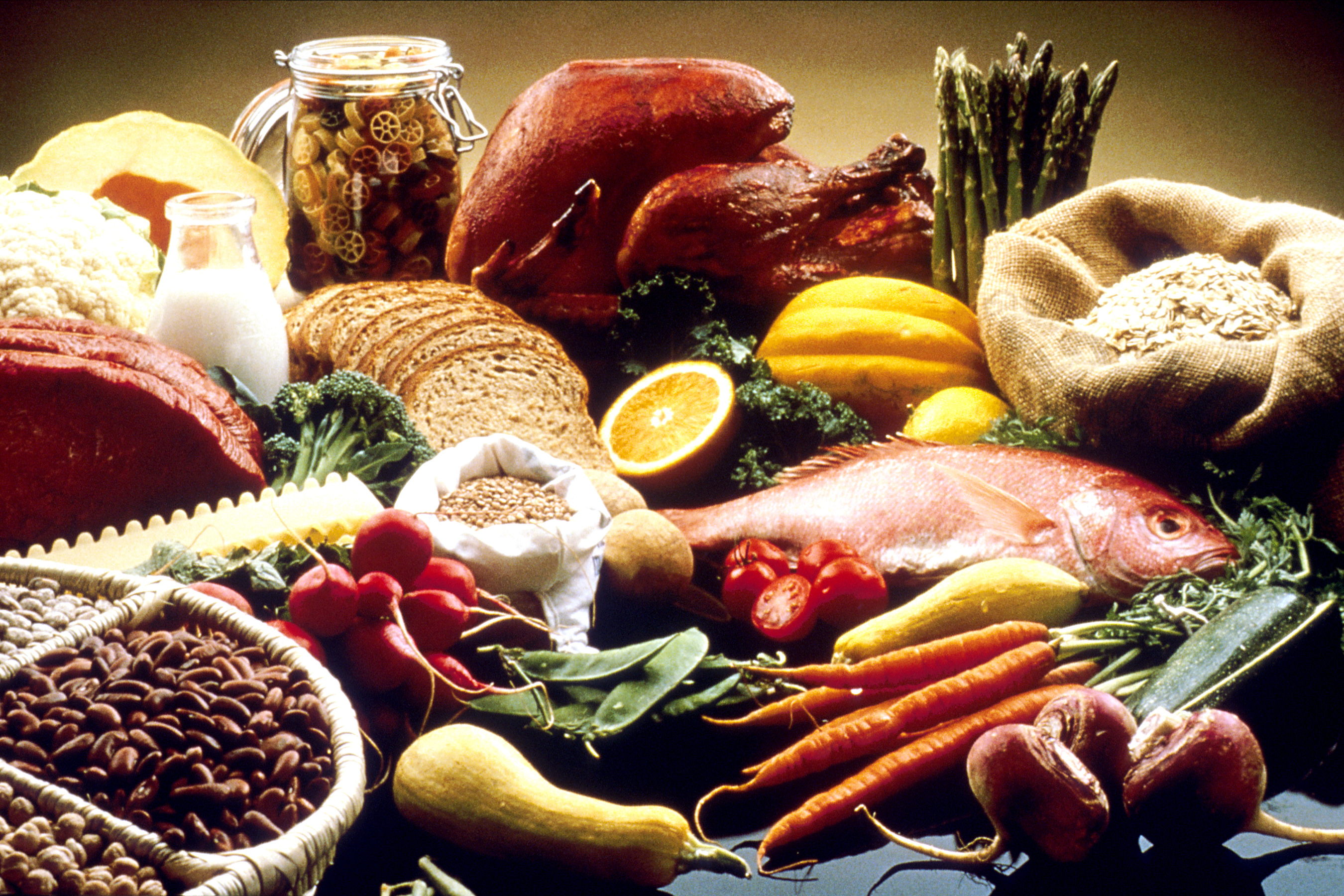
Every bite delivers carbohydrates, proteins, fats, vitamins, and minerals that fuel metabolism, growth, and immunity. A balanced supply of these nutrients keeps organs functioning and supports lifelong vitality.
Carbohydrates: The Body’s Fuel
Grains, fruits, and vegetables provide the glucose needed for brain and muscle activity. Choosing whole, fiber-rich sources helps sustain energy, while refined sweets can raise the risk of weight gain and metabolic disorders when eaten in excess.
Proteins: The Building Blocks of Life
Lean meats, fish, eggs, dairy, beans, and lentils supply amino acids that repair tissue and maintain immune strength. Active individuals and those recovering from illness benefit from consistent, moderate protein intake throughout the day.
Fats: The Essential Fatty Acids
Healthy fats from avocados, nuts, seeds, and oily fish deliver essential fatty acids that protect the heart, support brain development, and modulate inflammation. Balancing these with other nutrient groups keeps cells flexible and hormones in check.
Vitamins and Minerals: The Body’s Co-Factors
Colorful produce, whole grains, and lean proteins offer micronutrients that act as co-factors in countless biochemical reactions. Regular variety on the plate reduces the chance of deficiencies that can impair immunity, bone strength, and mental clarity.
Food and Cultural Practices
The Role of Food in Cultural Identity
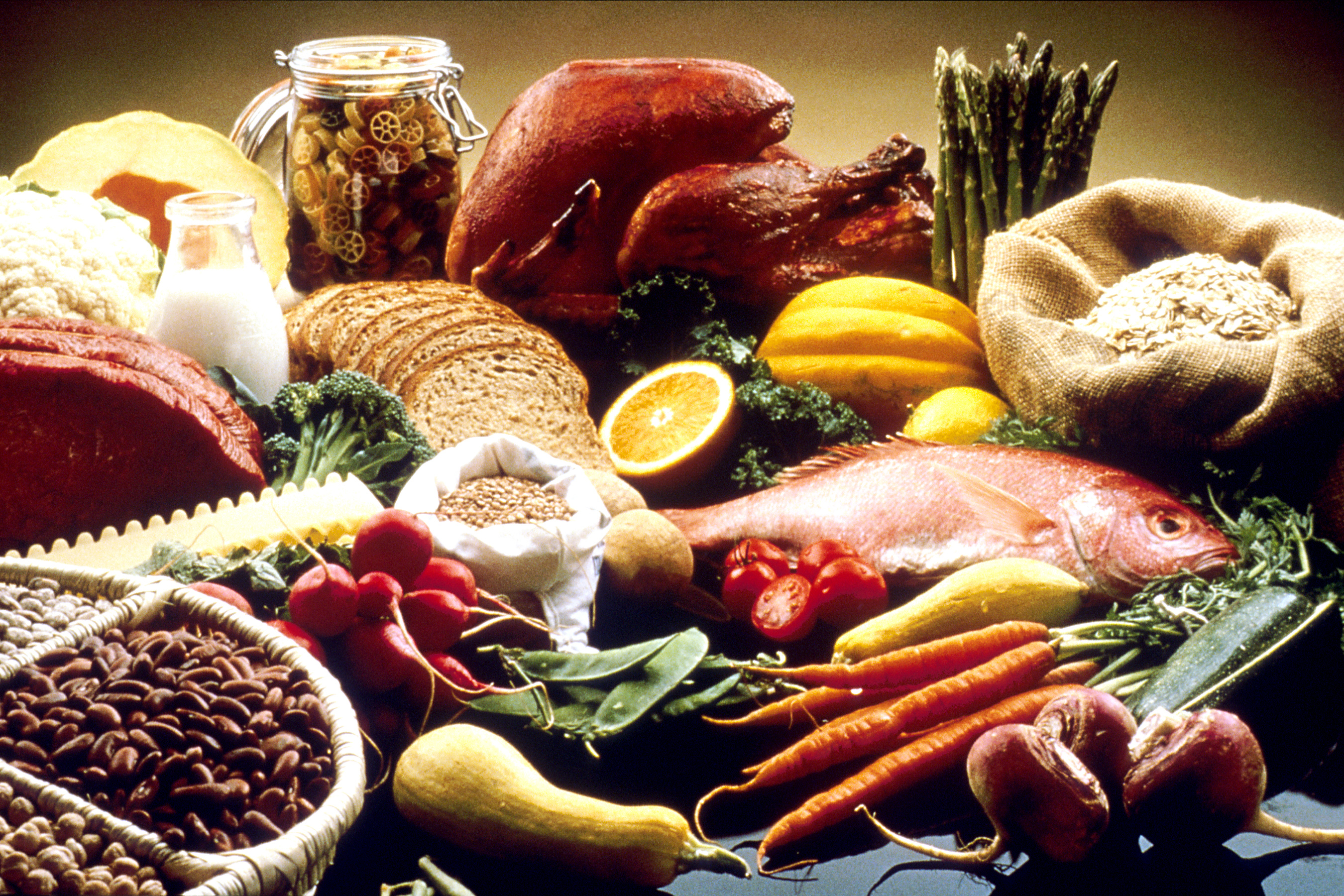
Recipes passed through generations preserve heritage and express values. Regional cuisines—built on local herbs, spices, and staples—tell stories of climate, trade, and celebration, reinforcing a shared sense of belonging.
Food as a Social Connector
Shared meals create space for conversation, storytelling, and bonding. Whether at family dinners or community festivals, the act of eating together strengthens relationships and nurtures social cohesion.
Food and Society
The Global Food System
Production, transport, and consumption networks link farmers, markets, and households worldwide. Balancing affordability, nutrition, and environmental impact remains a central challenge as populations grow and climates shift.
Food Deserts and Food Swamps
Some neighborhoods lack outlets for fresh produce, while others overflow with highly processed snacks. These imbalances often overlap with income and transport limitations, highlighting the need for inclusive retail planning and community food projects.

The Role of Policy and Regulation
Clear labeling, nutrition education, and incentives for wholesome offerings can guide both industry and consumers. Coordinated measures help curb chronic disease, support fair trade, and encourage environmentally sound farming.
Conclusion
Food nourishes bodies, expresses culture, and drives economic and environmental systems. By valuing nutrient quality, cultural diversity, and equitable access, communities can move toward meals that sustain both people and the planet.
Recommendations and Future Research
Recommendations
1. Launch public campaigns that highlight practical ways to add nutrient-rich choices to everyday meals.

2. Invest in local markets, urban gardens, and mobile vendors to bring fresh produce into underserved areas.
3. Align agricultural incentives with health and sustainability goals, encouraging growers and consumers to favor foods that protect soil, water, and public well-being.
Future Research
1. Track long-term health outcomes of diverse eating patterns across different age groups and regions.
2. Examine how traditions, beliefs, and social settings shape food decisions, informing culturally respectful interventions.
3. Design scalable strategies that integrate technology, policy, and community action to improve nutrition security worldwide.