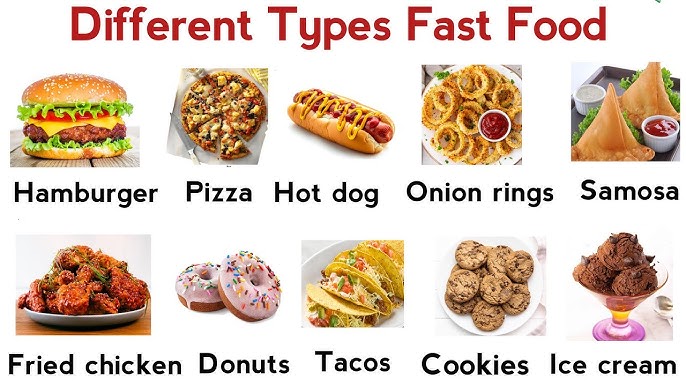
The Diverse World of Foods: A Journey Through Global Flavors
Introduction
Food is a universal language, spoken through countless ingredients, textures, and aromas that reflect the planet’s cultural and ecological diversity. From everyday staples to celebratory specialties, the spectrum of foods available today nourishes both body and spirit. This overview invites readers to consider the variety of foods on offer, their cultural roots, nutritional contributions, and the ways they shape daily life.
Staple Foods: Everyday Essentials
Staple Foods: Everyday Essentials
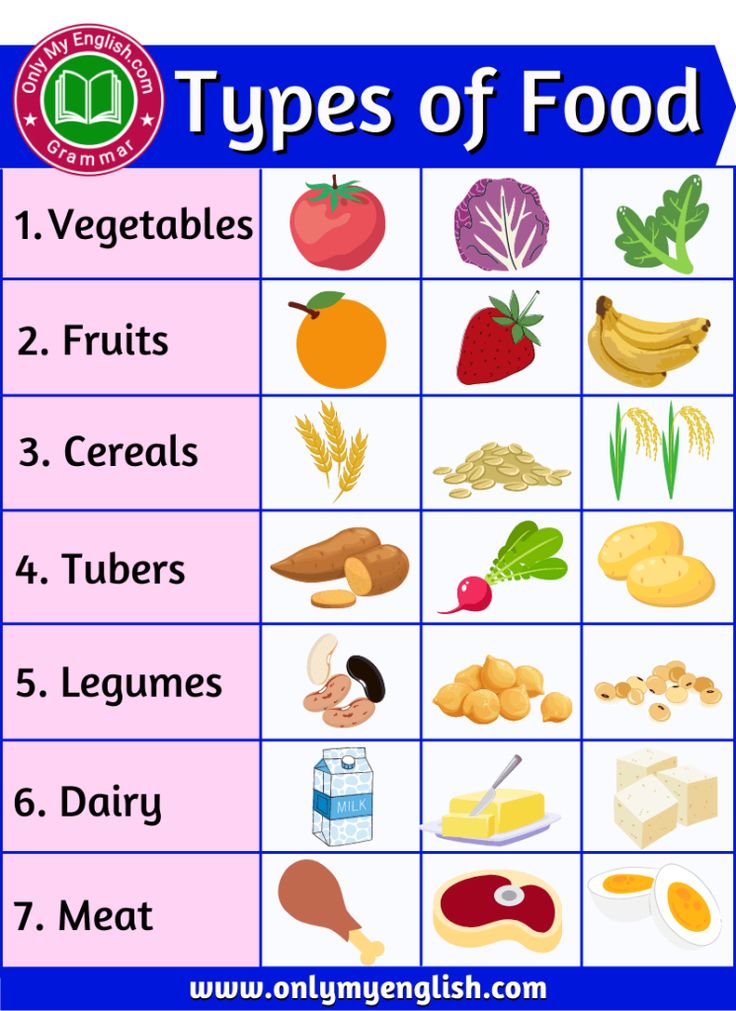
Staple foods form the reliable backbone of meals worldwide, supplying the bulk of energy and basic nutrients for large populations. Grains such as rice, wheat, maize, and root crops like potatoes and cassava fall into this category. Beyond sustenance, these ingredients often carry symbolic weight in festivals, proverbs, and family rituals.
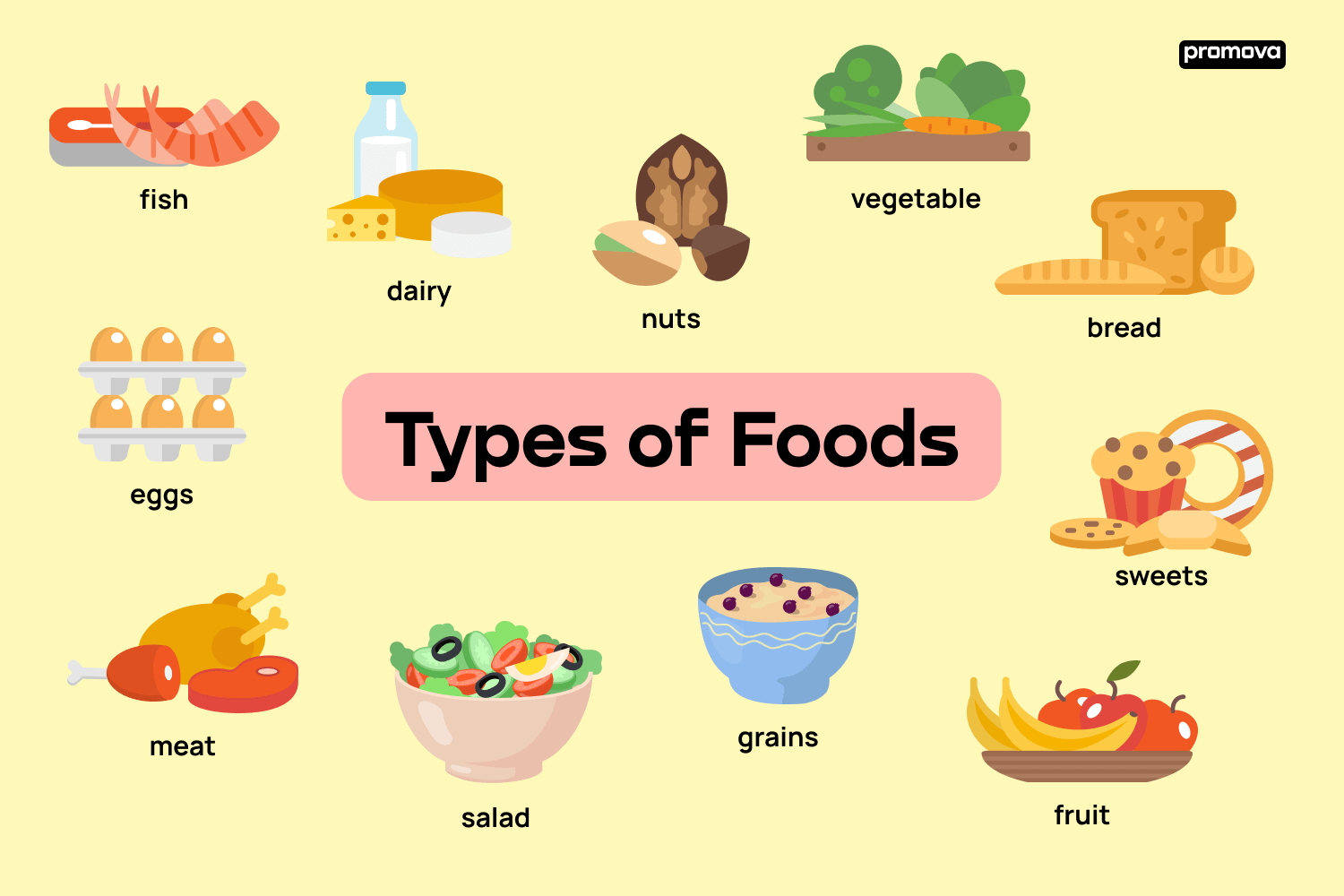
Rice, for example, appears at tables from morning porridge to evening pilaf, while wheat transforms into flatbreads, noodles, and pastries that anchor regional identities. Although nutrient profiles differ, staples generally deliver complex carbohydrates, modest protein, and an array of B vitamins that support daily metabolism.
Protein-Rich Choices: Fuel for Growth and Repair
Protein-Rich Choices: Fuel for Growth and Repair
Protein supports muscle maintenance, immune response, and enzyme production. It can be sourced from animals—meat, fish, eggs, dairy—or from plants such as beans, lentils, nuts, and seeds. Each option brings distinct flavors and textures to the plate.
Animal proteins typically supply all essential amino acids in one package, whereas single plant proteins may fall short in one or two. Strategic pairings—like beans with corn or hummus with whole-grain bread—easily round out the amino-acid profile, making plant-based meals both complete and satisfying.
Fruits and Vegetables: Colorful Nutrient Stores
Fruits and Vegetables: Colorful Nutrient Stores
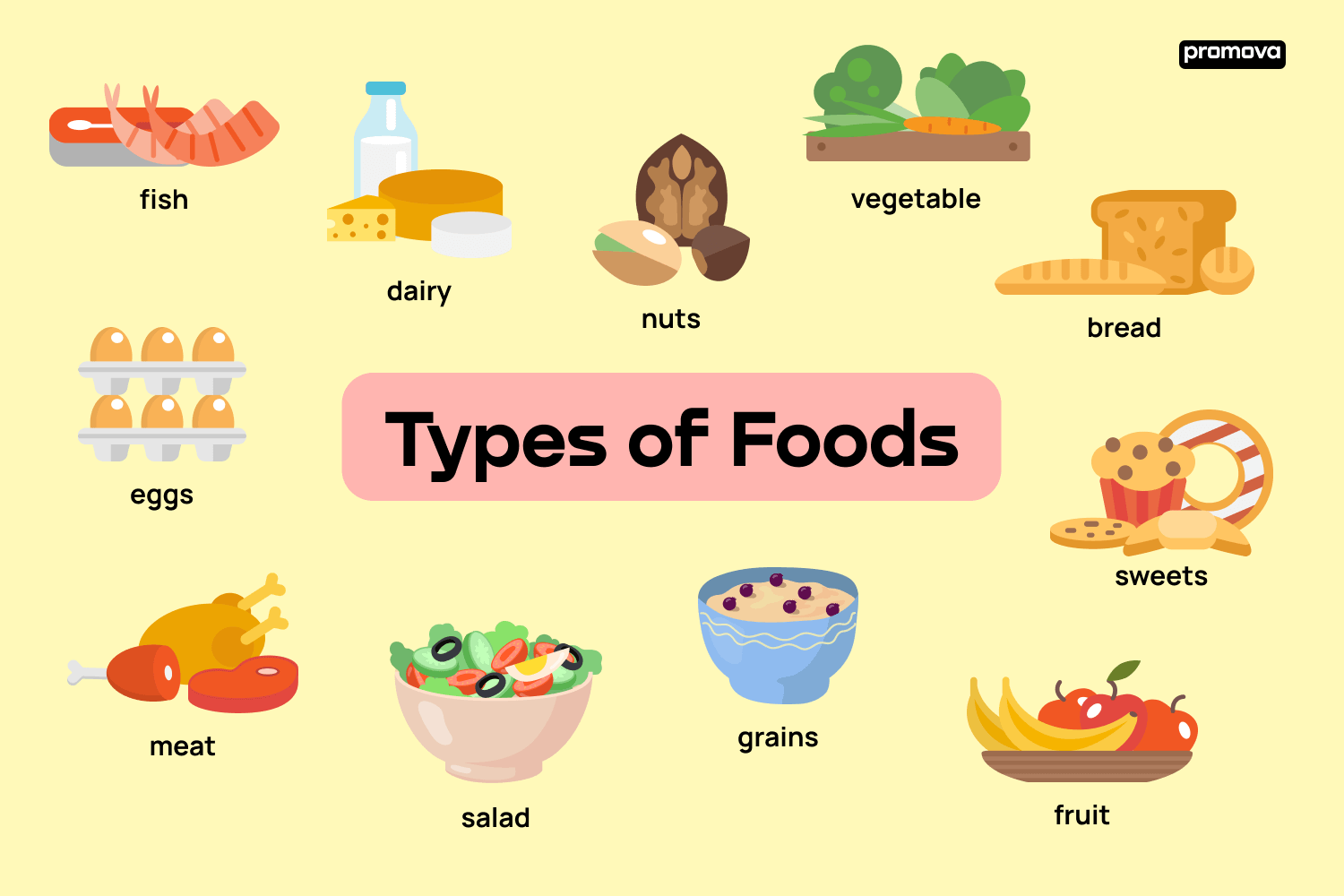
Vibrant produce delivers vitamins, minerals, antioxidants, and fiber in naturally appealing packages. Deep greens, bright reds, sunny yellows, and royal purples signal different phytonutrients that support vision, immunity, and cellular repair.
Regular inclusion of a wide color palette has been linked to lower risk of common chronic conditions. Whether eaten raw in salads, blended into smoothies, or roasted for caramelized sweetness, fruits and vegetables add freshness and balance to any menu.
Grains and Legumes: Plant-Powered Partners
Grains and Legumes: Plant-Powered Partners
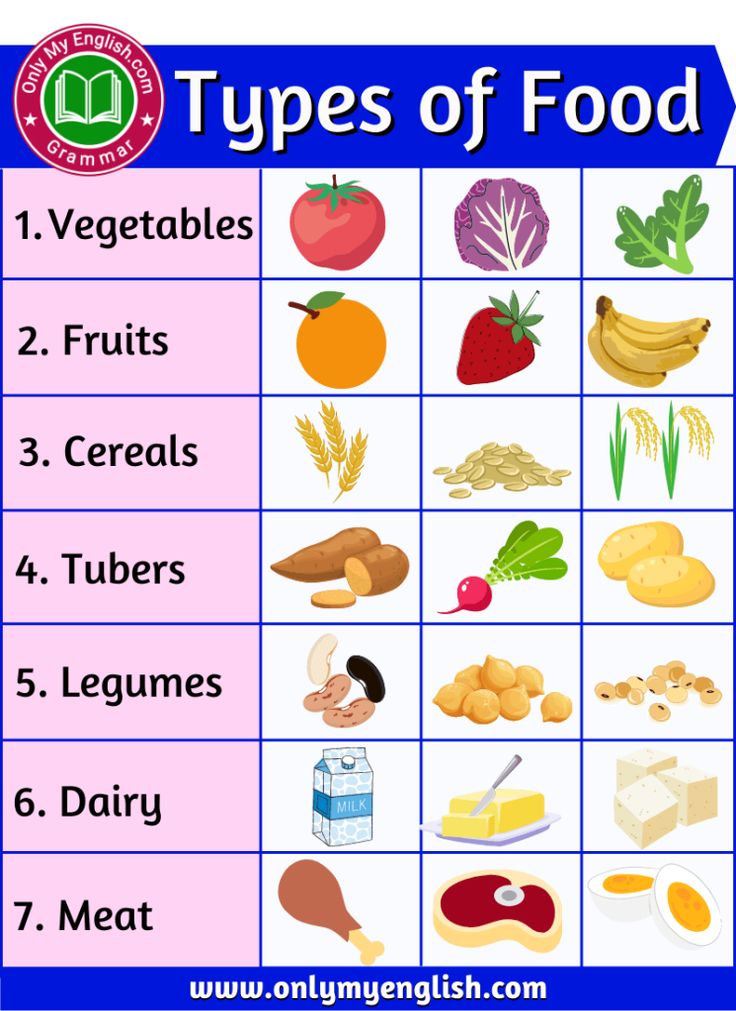
Whole grains—oats, barley, brown rice, quinoa—offer sustained energy through complex carbohydrates, plus fiber that supports digestive health. Legumes, including chickpeas, lentils, and varied beans, contribute protein, iron, and additional fiber.
Eaten together, grains and legumes provide balanced amino acids, making them cornerstones of vegetarian and flexitarian diets. Cultivation of these crops also tends to place a lighter burden on natural resources than many alternatives, supporting more sustainable food systems.
Global Cuisines: Tasting the World
Global Cuisines: Tasting the World
Every region cooks up its own story through signature spices, techniques, and ingredient combinations. Aromatic stews, fiery grills, delicate steamed parcels, and hearty fermented dishes reveal local climates, histories, and values.
Exploring unfamiliar cuisines encourages culinary creativity and introduces novel nutrients. Swapping herbs, grains, or cooking oils can refresh routine meals and broaden nutritional intake without sacrificing comfort or familiarity.
Building Balanced Meals: Practical Pointers
Building Balanced Meals: Practical Pointers
A varied plate is the simplest route to adequate nutrition. Visual cues—half vegetables and fruit, one-quarter lean protein, one-quarter whole grains—help keep portions in check while ensuring a spectrum of vitamins and minerals.
Moderation remains key: enjoying treats alongside nutrient-dense staples sustains both health and pleasure. Listening to internal hunger cues and adjusting ingredient ratios over time supports long-term well-being more effectively than rigid rules.
Conclusion
The edible world is vast, colorful, and ever-evolving. Staples ground us, proteins build and repair, produce protects, and global flavors inspire. By welcoming diversity onto the plate, eaters can craft meals that honor personal taste, cultural heritage, and nutritional needs in equal measure.
Continued curiosity—whether experimenting with a new grain, visiting a neighborhood market, or sharing recipes across generations—keeps the food journey vibrant. Embracing variety not only nourishes the body but also fosters connection, reminding us that every bite tells a story worth savoring.
Looking ahead, attention to both individual health and planetary stewardship will guide food choices. Celebrating variety today lays the groundwork for resilient, enjoyable eating patterns that can sustain communities tomorrow.