

Title: How Online Recipe Hubs Are Redefining Home Cooking and Global Food Trends
Introduction:
The past decade has seen digital recipe collections transform everyday meals into creative adventures. These online spaces now serve as endless sources of inspiration, step-by-step coaching, and friendly conversation for cooks of every level. This piece looks at how such hubs steer modern tastes, knit together food-loving communities, and sharpen kitchen confidence worldwide.
The Evolution of Online Recipe Hubs
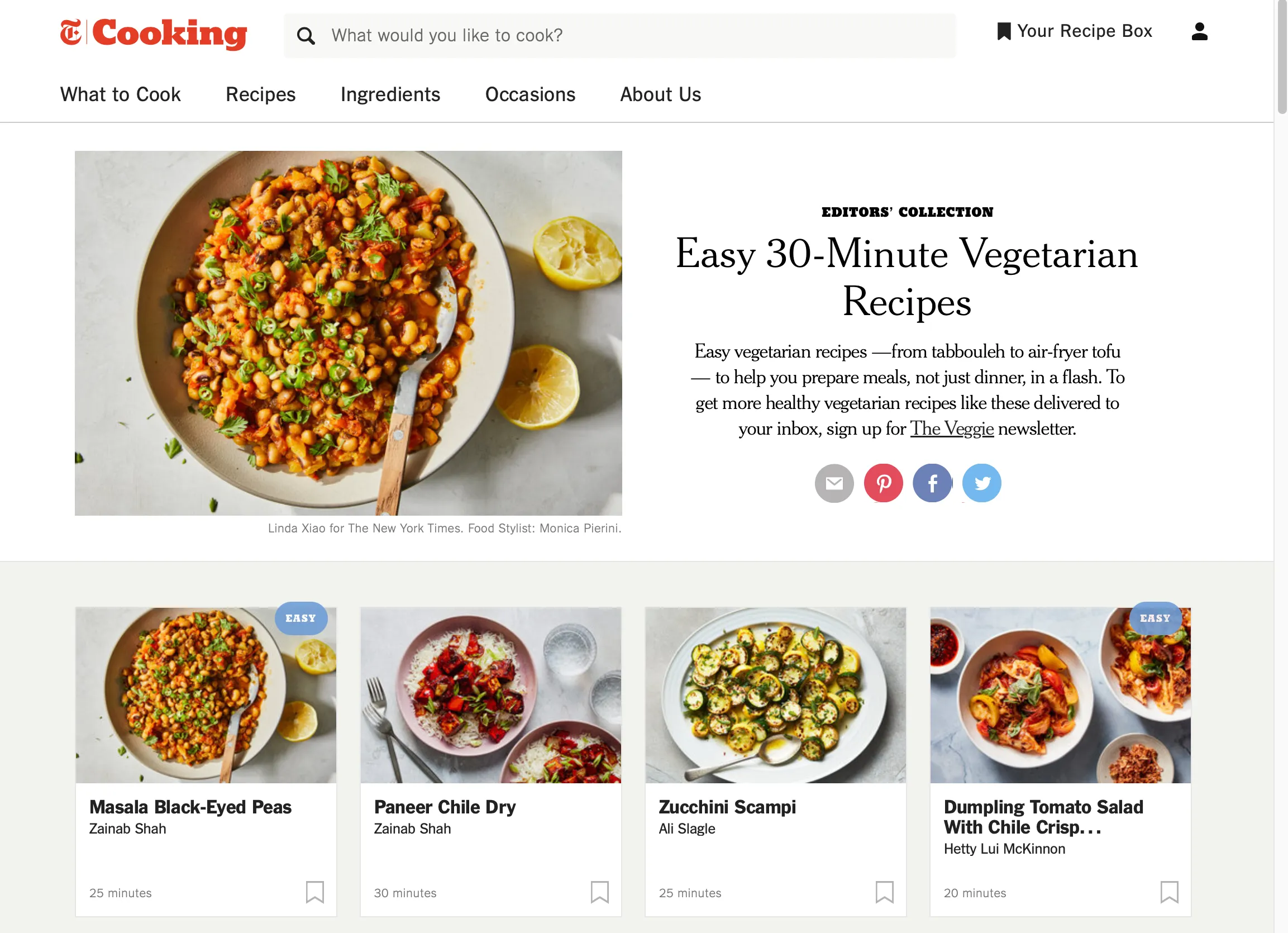
What began as simple lists of ingredients has blossomed into multimedia libraries. Early sites offered plain text instructions, whereas today’s portals pair high-resolution photos, short videos, and comment threads with each dish. Mobile apps, smart speakers, and social feeds further extend the experience, letting users search, save, and share recipes in seconds.
The Role of Online Recipe Hubs in Shaping Culinary Trends
By spotlighting inventive flavor pairings and techniques, these platforms encourage experimentation. Viral posts have accelerated interest in everything from rainbow-colored salads to low-waste cooking. Constant exposure to global dishes also normalizes once-unfamiliar spices, grains, and plant-based swaps, quietly steering mainstream habits toward greater variety.
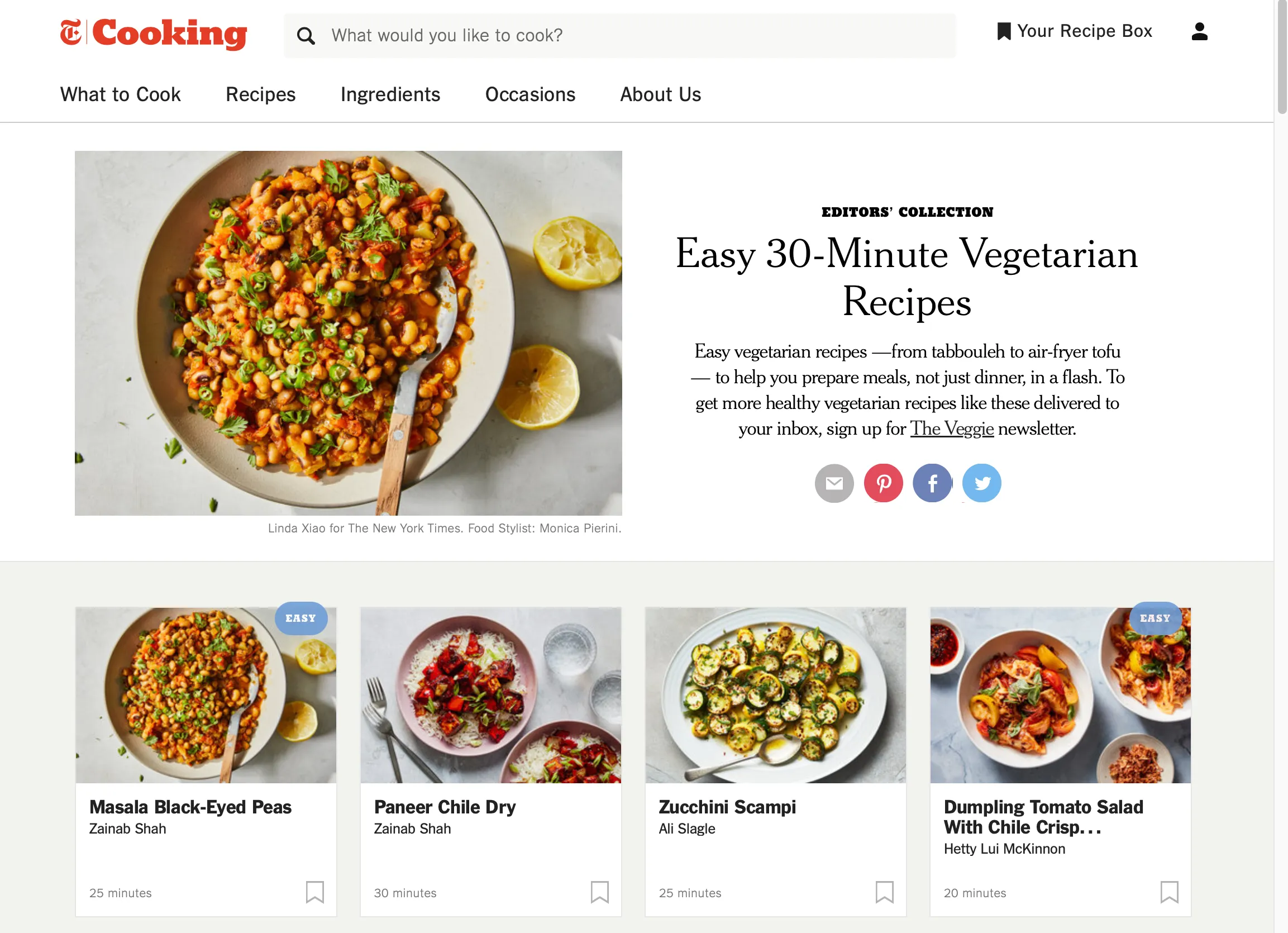
An independent survey of frequent site visitors revealed that simply browsing diverse meals increases the likelihood of trying unfamiliar ingredients at home, suggesting a clear link between online discovery and real-world plates.
Fostering Culinary Communities
Comment sections and themed forums turn solitary cooking into a shared event. Home bakers trade sourdough advice, parents exchange lunch-box hacks, and novices cheer one another on through first attempts at homemade pasta. Hashtags and photo challenges amplify the camaraderie, giving even timid cooks a stage for their proudest moments.
Enhancing Culinary Skills
Step-by-step photos, slow-motion technique clips, and built-in timers demystify everything from knife skills to sugar temperatures. Interactive tools—such as portion converters and allergy-friendly swap lists—let users tailor dishes to dietary needs without guesswork. Over time, repeated exposure to these micro-lessons builds intuitive know-how that lasts long after the screen is off.
The Economic Impact of Online Recipe Hubs
Food bloggers, videographers, and freelance recipe developers now turn passion into livelihood through ads, e-books, and sponsored content. Grocers and kitchen-gadget makers also benefit: a single trending recipe can clear shelves of a once-obscure spice or launch a run on mini tart pans, illustrating how digital buzz translates into tangible sales.
Challenges and Concerns
Open platforms can host instructions that skip key safety steps or misstate cooking temperatures. Users are wise to cross-check guidance and follow basic food-handling rules. Additionally, the ease of copy-paste can blur lines of originality; clear attribution and respectful reposting help keep creative credit where it belongs.
Conclusion:
Digital recipe hubs have moved far beyond digital card files, becoming tastemakers, classrooms, and campfires for food lovers everywhere. As technology evolves, expect even smarter personalization, deeper cultural exchange, and richer storytelling around the dishes we share. By championing safe practices and honoring creative ownership, these platforms can continue seasoning our lives with discovery, confidence, and joy at the table.


