

The Evolution and Impact of Food Genre in Literature and Media
Introduction
The food genre, a rich and varied strand running through literature and media, has delighted audiences for generations. From ancient recipe collections to contemporary culinary novels, stories about meals and mealtimes have become essential to storytelling. This article traces the development of the food genre, considers its cultural influence, and highlights the distinctive insights it offers readers and viewers. By surveying a range of works and ideas, we can better grasp why food narratives matter and how they shape our perceptions of taste, community, and everyday life.
The Early Days of Food Genre
The Rise of the Cookbook
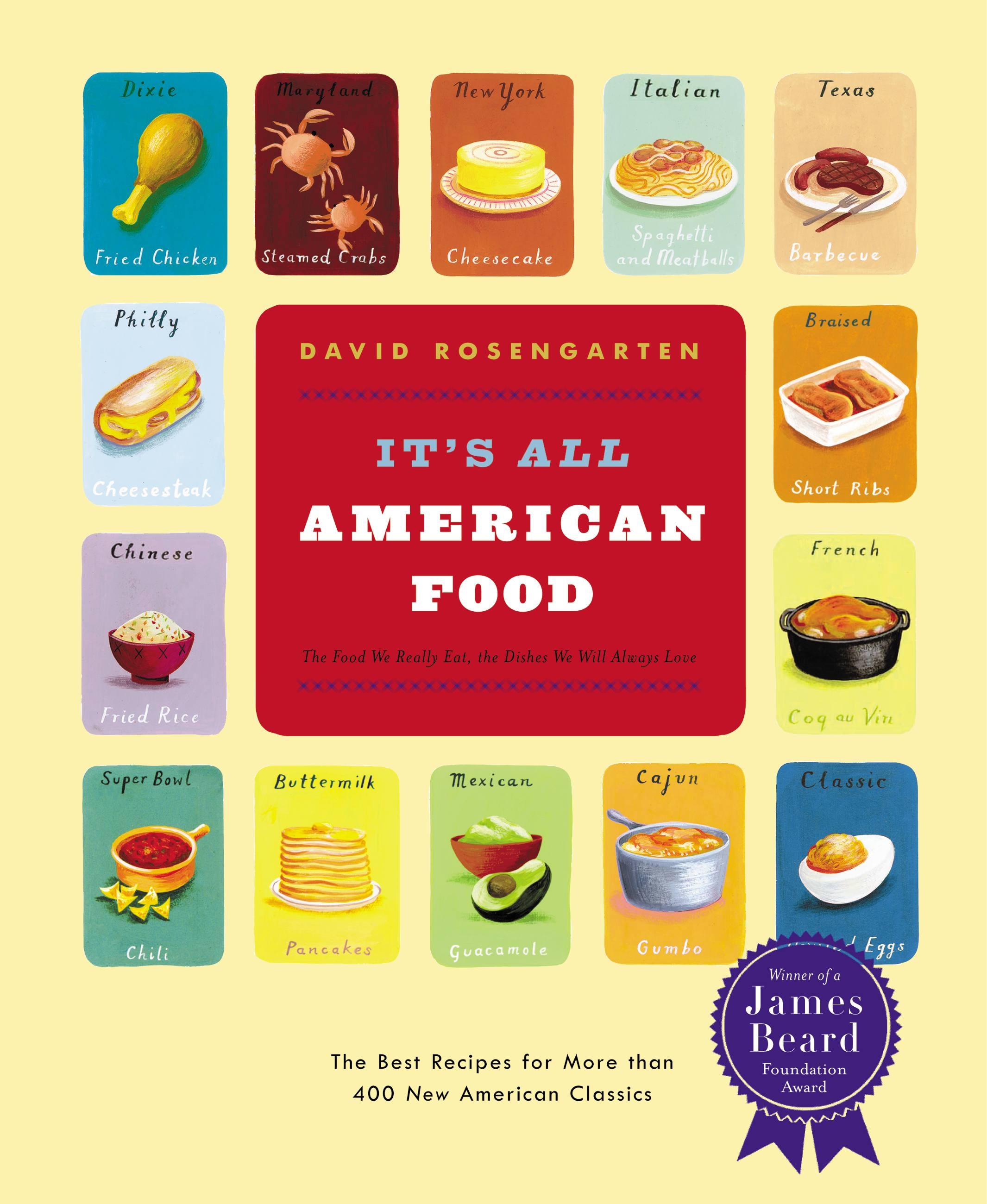
Written guides to cooking appeared early in literary history, with some of the earliest examples emerging from classical societies. These texts, often prepared for affluent households, blended practical instruction with glimpses of social customs and regional ingredients. Though intended for the kitchen, they also preserved prevailing tastes, trade routes, and dining etiquette for future generations.
Food in Religious Texts
Sacred writings across traditions frequently invoke food as symbol and lesson. Shared meals, forbidden fruits, and miraculous feasts serve as powerful metaphors for devotion, temptation, and generosity. Such references transform everyday nourishment into spiritual teaching, reminding readers that the act of eating can carry moral and communal weight.
The Golden Age of Food Genre
The Victorian Era and Food Literature
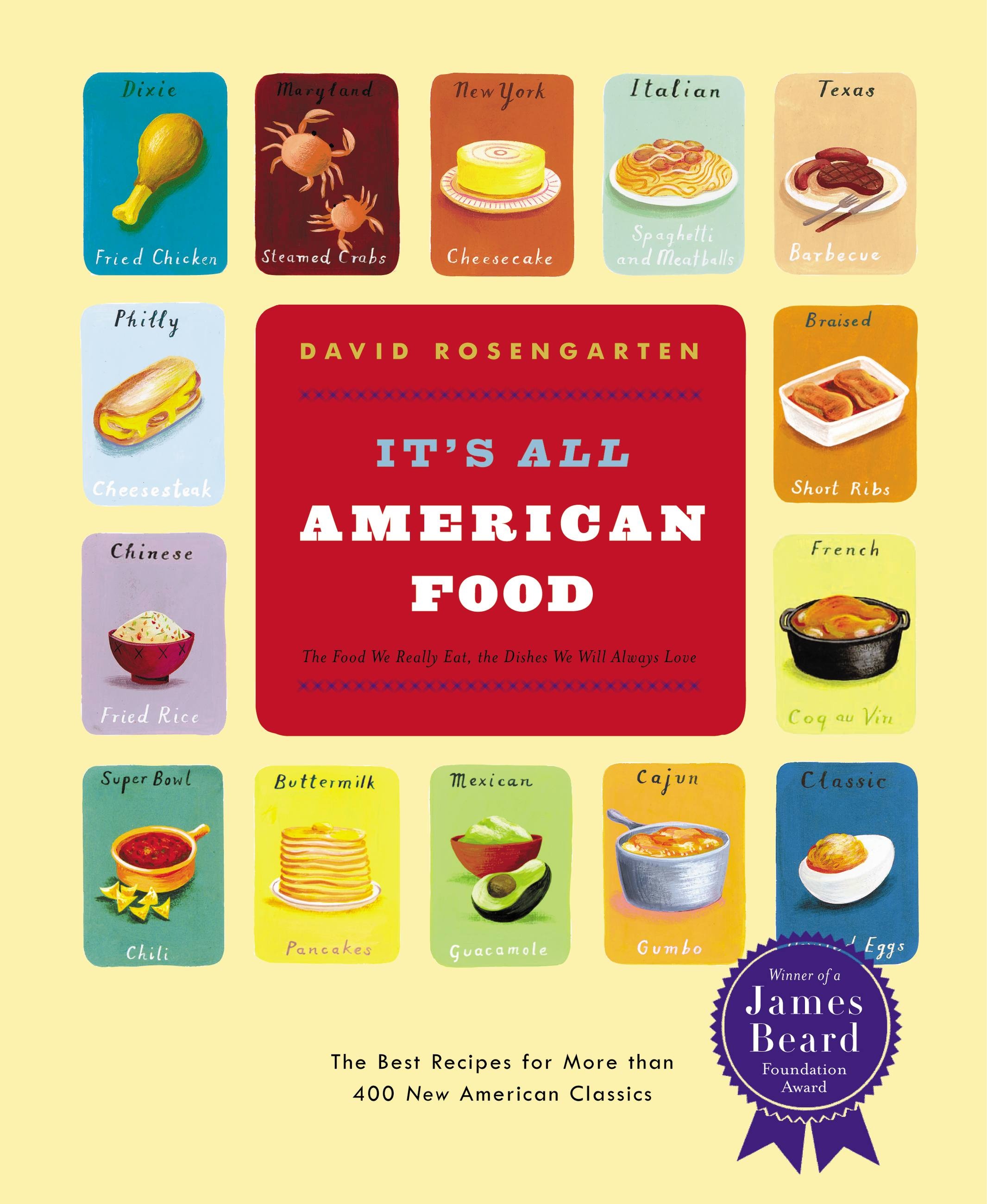
Nineteenth-century fiction embraced culinary detail to illuminate character and class. Writers folded descriptions of lavish banquets or meager breadlines into broader critiques of poverty, ambition, and social mobility. Kitchen scenes revealed personalities: a carefully carved roast might signal refinement, while a hurried bowl of gruel could underscore hardship.
The Birth of Culinary Fiction
In the twentieth century, authors began weaving memoir, travel, and recipe into a single narrative thread. Personal essays celebrated the sensory joy of market visits and the quiet triumph of a perfectly risen soufflé. These works invited readers to savor both story and supper, turning the page and the stove into equal partners in creativity.
The Modern Food Genre
Food as a Cultural Lens
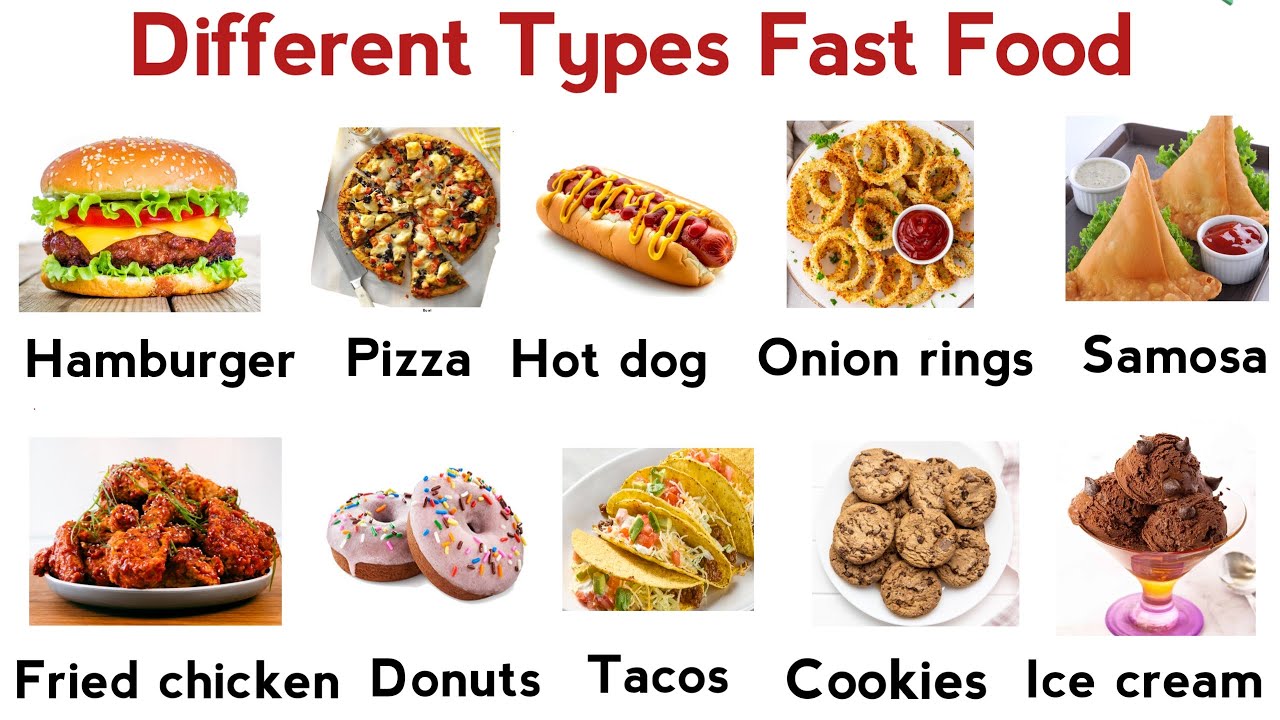
Contemporary books, films, and podcasts use cuisine to explore identity, migration, and environmental stewardship. A single spice route can trace histories of colonization and exchange; a family table can dramatize generational tension and reconciliation. By focusing on ingredients and rituals, creators examine how tradition adapts under globalization.
The Impact of Food Media
Television competitions, online tutorials, and documentary series have moved culinary art from the margins to the mainstream. Audiences who once simply ate now discuss plating techniques, fermentation science, and ethical sourcing. This surge of content has inspired home cooks, boosted culinary schools, and turned local dishes into worldwide trends.
The Psychological and Emotional Aspects of Food Genre
Food as Comfort and Connection
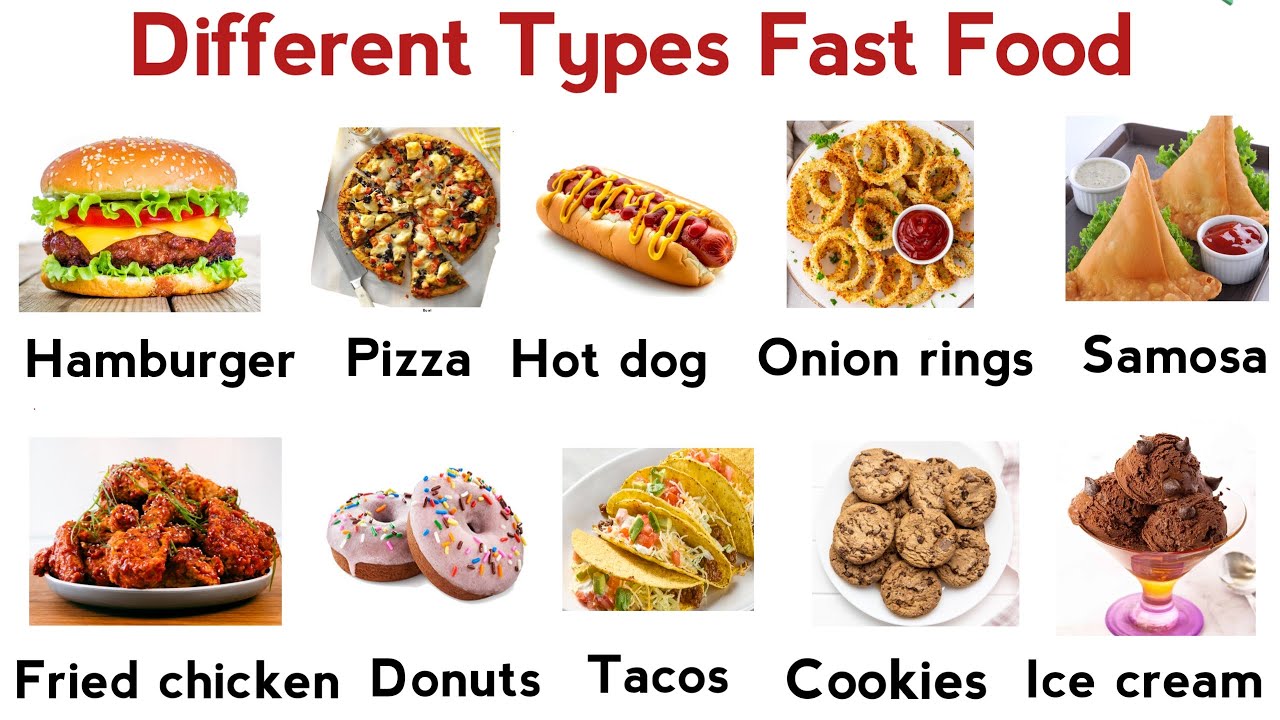
Stories often stage pivotal moments around the stove or the dinner table. A grandmother’s soup may recall safety; a first shared bite can spark romance. By evoking scent, texture, and memory, narratives transform meals into emotional shorthand, allowing readers to feel belonging, grief, or hope without overt exposition.
Food and Identity
What people cook—and how they eat it—can signal heritage, aspiration, or resistance. Characters might cling to ancestral recipes to preserve roots, or fuse flavors to invent hybrid selves. Such portrayals celebrate diversity and encourage audiences to reflect on their own culinary autobiographies.
The Impact of Food Genre on Society
Food as a Reflection of Social Change
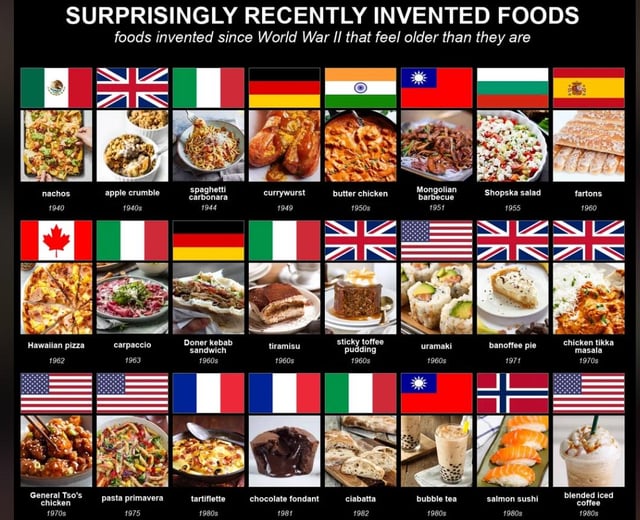
Shifts in diet often mirror larger transformations: urbanization drives street-food popularity; health movements elevate plant-based menus. By chronicling these changes, the genre comments on labor conditions, ecological pressures, and economic inequality, urging consumers to consider the journey from field to fork.
The Role of Food Genre in Education
Vivid narratives can double as informal textbooks, introducing readers to sustainable agriculture, nutrition science, and culinary technique. A coming-of-age tale set in a bakery might spark an interest in pastry arts; a journalistic exposé on supply chains can inspire advocacy for fair trade. Entertainment thus becomes a gateway to lifelong learning.
Conclusion
From ancient recipe tablets to binge-worthy cooking shows, the food genre has expanded into a versatile, influential form of storytelling. It feeds curiosity, preserves heritage, and invites empathy by reminding us that everyone must eat—and that every meal contains a story. As new platforms and voices emerge, the genre will keep evolving, offering fresh ways to understand ourselves and the world one bite, and one page, at a time.
Recommendations and Future Research
To deepen appreciation of the food genre, scholars and enthusiasts might investigate the following themes:
1. How culinary motifs intersect with romance, mystery, or speculative fiction to enrich plot and character.
2. The genre’s capacity to foster cross-cultural dialogue and mutual understanding through shared gastronomic curiosity.
3. Its influence on hospitality training, school curricula, and professional development within food service industries.
4. Storytelling strategies that raise awareness of sustainability, accessibility, and equity across global food systems.
Exploring these avenues will illuminate the continuing relevance of food narratives and their power to nourish both body and mind.


