

The Art and Science of Cooking and Recipes
Cooking and recipes have traveled with humanity from ancient hearths to modern kitchens. They satisfy hunger, celebrate identity, and invite imagination to the table. This article explores how technique, tradition, and curiosity combine every time we pick up a knife or turn on a stove.
The Importance of Cooking and Recipes
Home cooking nourishes body and spirit. Shared meals strengthen families, while handwritten recipe cards link generations. Preparing food ourselves also encourages balanced choices, turning everyday ingredients into vibrant, health-giving dishes.
Research consistently shows that people who cook at home tend to eat more vegetables, lean proteins, and whole grains, supporting long-term wellness.
The Art of Cooking
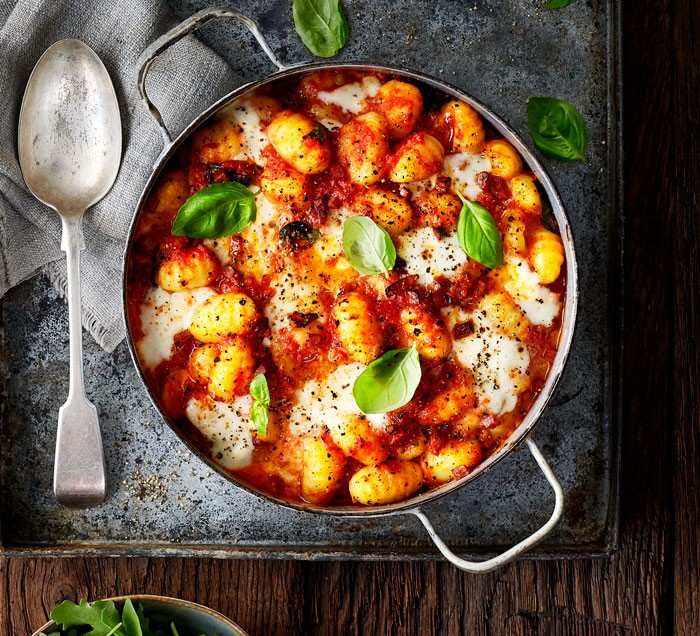
Great cooking begins with the senses: the sizzle of onions, the perfume of fresh basil, the golden crust on a loaf. By tasting as they go, cooks adjust seasoning, color, and texture until the dish feels just right. Sweet, sour, salty, bitter, and umami become notes in an edible melody.
Presentation matters too. A sprinkle of herbs or a swirl of sauce can transform humble fare into a moment of beauty.
The Science of Cooking
Heat changes food at the molecular level. Proteins unwind, starches swell, and sugars caramelize, creating flavor, aroma, and color. The Maillard reaction, for example, gives roasted coffee, toasted bread, and seared steak their deep, complex taste.
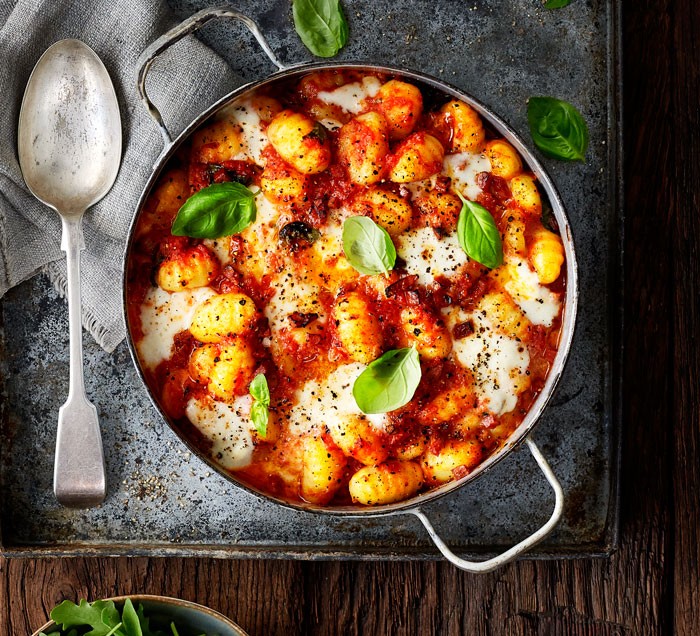
Acids tenderize, salts draw out moisture, and fats carry aromatic compounds. Understanding these reactions helps cooks control timing, texture, and nutrition.
The Role of Recipes
Recipes act as road maps, guiding novices and reminding experts. They record ratios, temperatures, and sequences, ensuring a dish can be recreated or reinvented. Passed between friends or archived in cookbooks, they preserve regional flavors and family stories.
Yet recipes also invite improvisation. A missing spice can spark a new favorite version, proving that rules are starting points, not cages.
Cooking Techniques
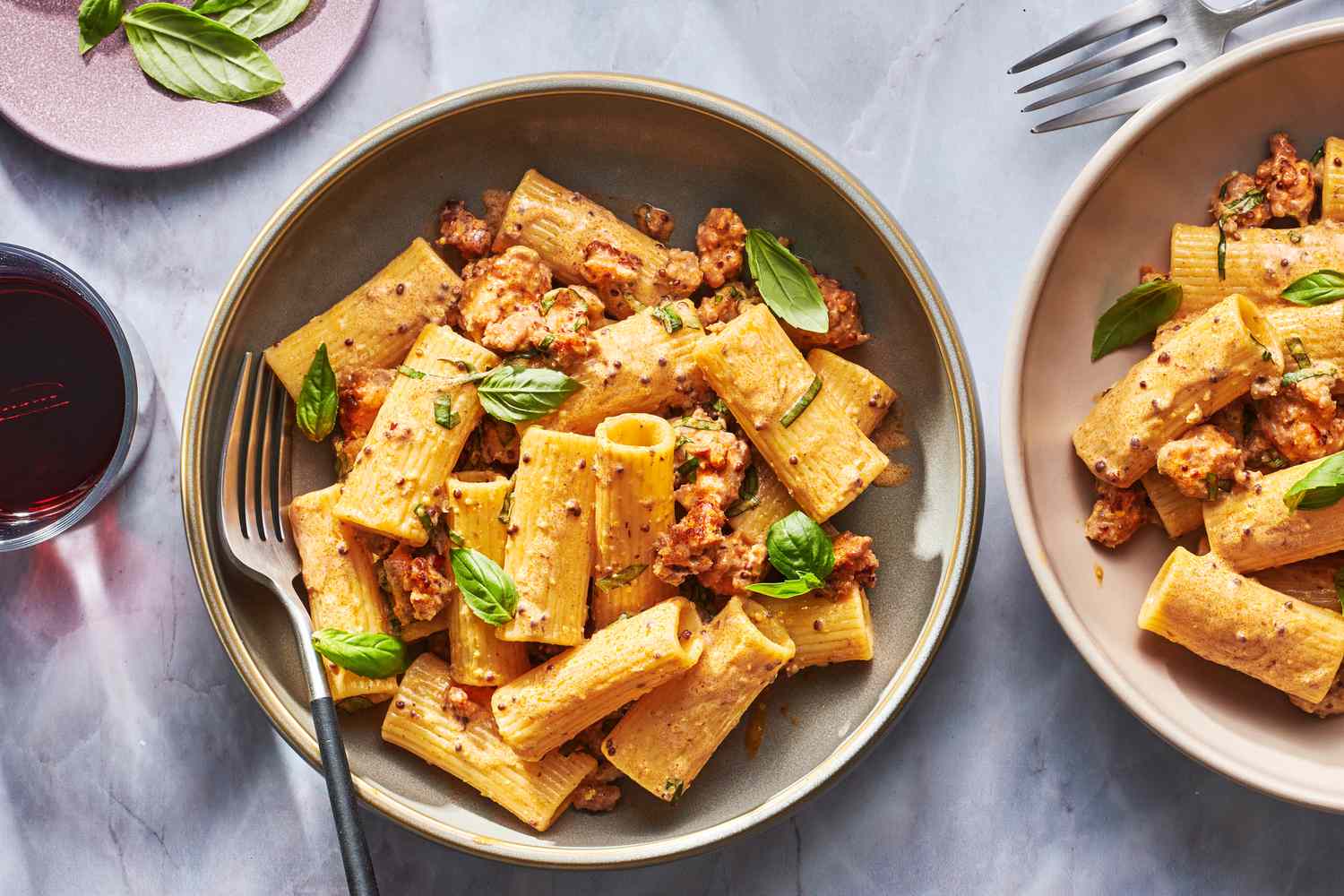
Mastering a handful of methods opens endless possibilities:
– Sautéing: Quick, high-heat cooking in a thin film of fat, perfect for week-night vegetables.
– Roasting: Surrounding food with dry, hot air to deepen flavor through caramelization.
– Boiling: Submerging ingredients in bubbling liquid for even, rapid heat transfer.
– Baking: Gentle, enclosed heat that sets batters and doughs into breads, cakes, and pastries.
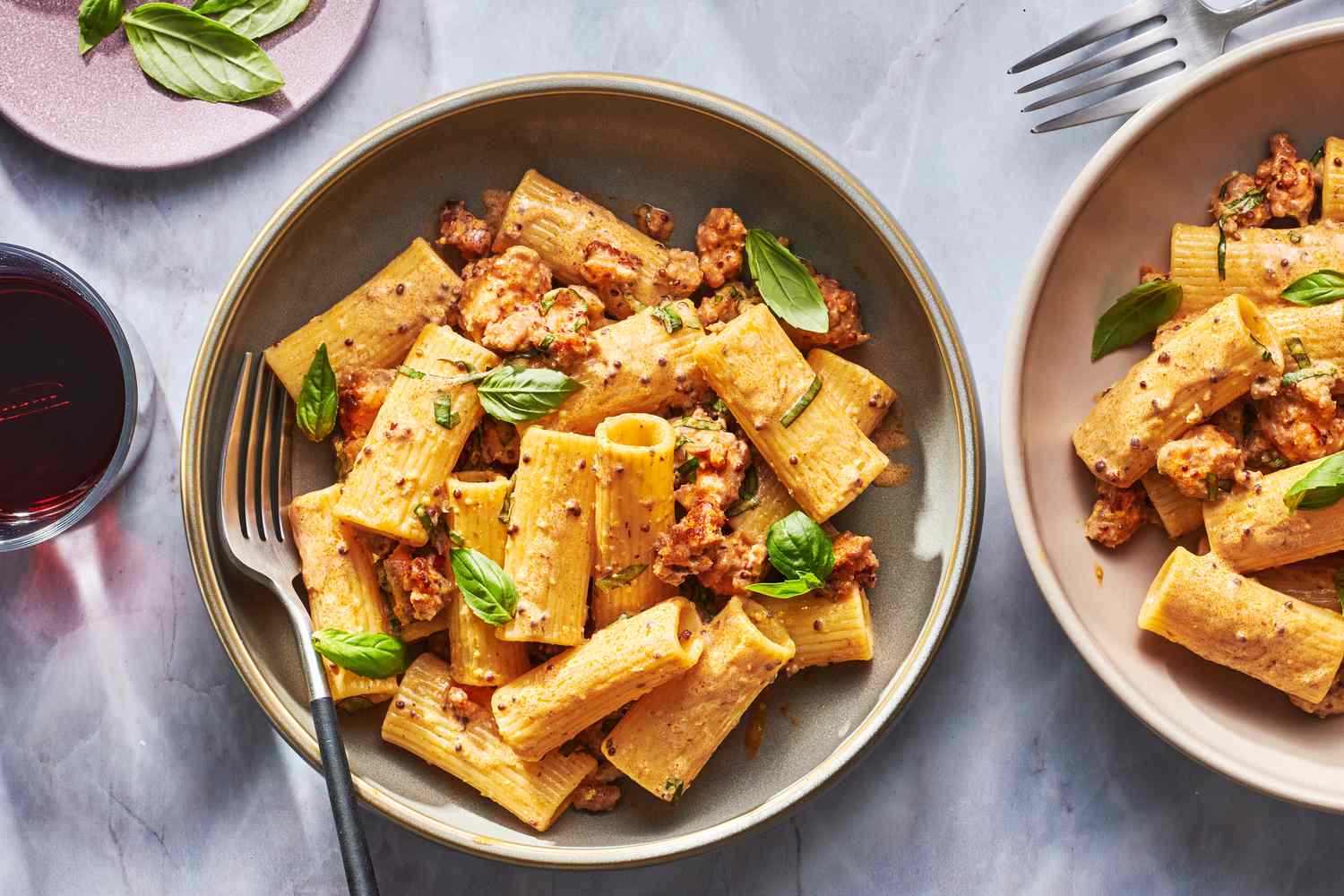
Practice refines instinct, turning recipes into personal signature dishes.
The Future of Cooking and Recipes
Technology is entering the kitchen quietly: induction burners that boil water in seconds, apps that adjust oven temperatures remotely, and precision cookers that hold water baths within a tenth of a degree. These tools free cooks to focus on creativity rather than constant vigilance.
Meanwhile, plant-forward menus, shorter supply chains, and zero-waste techniques reflect growing environmental awareness. Tomorrow’s recipes will likely celebrate grains, legumes, and imperfect produce as much as any prime cut.
Conclusion
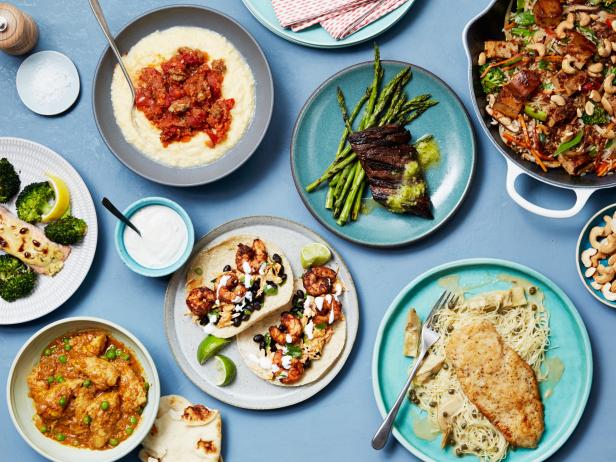
Cooking bridges art and science, memory and innovation. Each meal is both a personal statement and a communal act, sustaining bodies while telling stories. As ingredients, tools, and tastes evolve, the fundamental pleasure of sharing good food remains unchanged, inviting every generation to claim its place at the stove.
By honoring tradition and welcoming experimentation, we keep the kitchen a living workshop where flavor, health, and culture continue to unfold.



