

The Impact of Quick-Recipe Apps on Everyday Cooking
In today’s busy world, time is scarce, and home cooking can easily slip off the to-do list. Quick-recipe apps have stepped in to change that dynamic, giving even the busiest people a realistic way to put tasty meals on the table fast. This overview looks at how these apps are reshaping daily cooking, highlighting their strengths, limitations, and likely next steps.
The Rise of Quick-Recipe Apps
Over the past few years, smartphone recipe guides have surged in popularity because they are always within reach. They collect thousands of dishes—ranging from five-minute snacks to weekend projects—and let users filter by ingredient, cooking time, or dietary goal, turning last-minute “What’s for dinner?” moments into quick decisions.
User-friendly Interface

Clean layouts, bright photos, and simple search bars invite even tech-shy cooks inside. Built-in timers, auto-generated shopping lists, and swipe-through instructions remove guesswork, while adjustable serving sizes keep portions realistic for any household.
Benefits of Quick-Recipe Apps
These pocket-sized sous-chefs deliver several clear wins:
Time Efficiency
With ideas ready in seconds, users can match meals to the minutes they actually have. A 20-minute window becomes a stir-fry night; a free Sunday afternoon turns into a slow-roast experiment, all without browsing heavy cookbooks.

Access to Diverse Recipes
One tap opens doors to global flavors—think Korean veggie bowls, Mediterranean grain salads, or gluten-free desserts—encouraging cooks to rotate ingredients and avoid food boredom.
Cost-effectiveness
By suggesting dishes built around items already in the pantry, the apps curb impulse purchases and cut waste. Leftover-friendly filters and “use-it-up” tips stretch groceries further, saving money over time.
Challenges of Quick-Recipe Apps

Yet the experience is not flawless:
Quality of Recipes
Because anyone can upload content, instructions sometimes skip key steps or assume expert skills. Checking comments, ratings, and preview photos helps separate reliable dishes from flashy flops.
Overreliance on Technology
Constant screen-swiping can dull intuitive cooking instincts. Balancing app guidance with classic techniques—tasting as you go, adjusting seasoning by hand—keeps creativity alive.

The Future of Quick-Recipe Apps
Several trends point to smarter, more seamless help:
Integration with Smart Kitchen Appliances
Expect deeper links to connected ovens, multicookers, and scales that pre-heat, weigh, or stir at the exact moment the recipe dictates, turning written steps into automatic actions.
Personalization
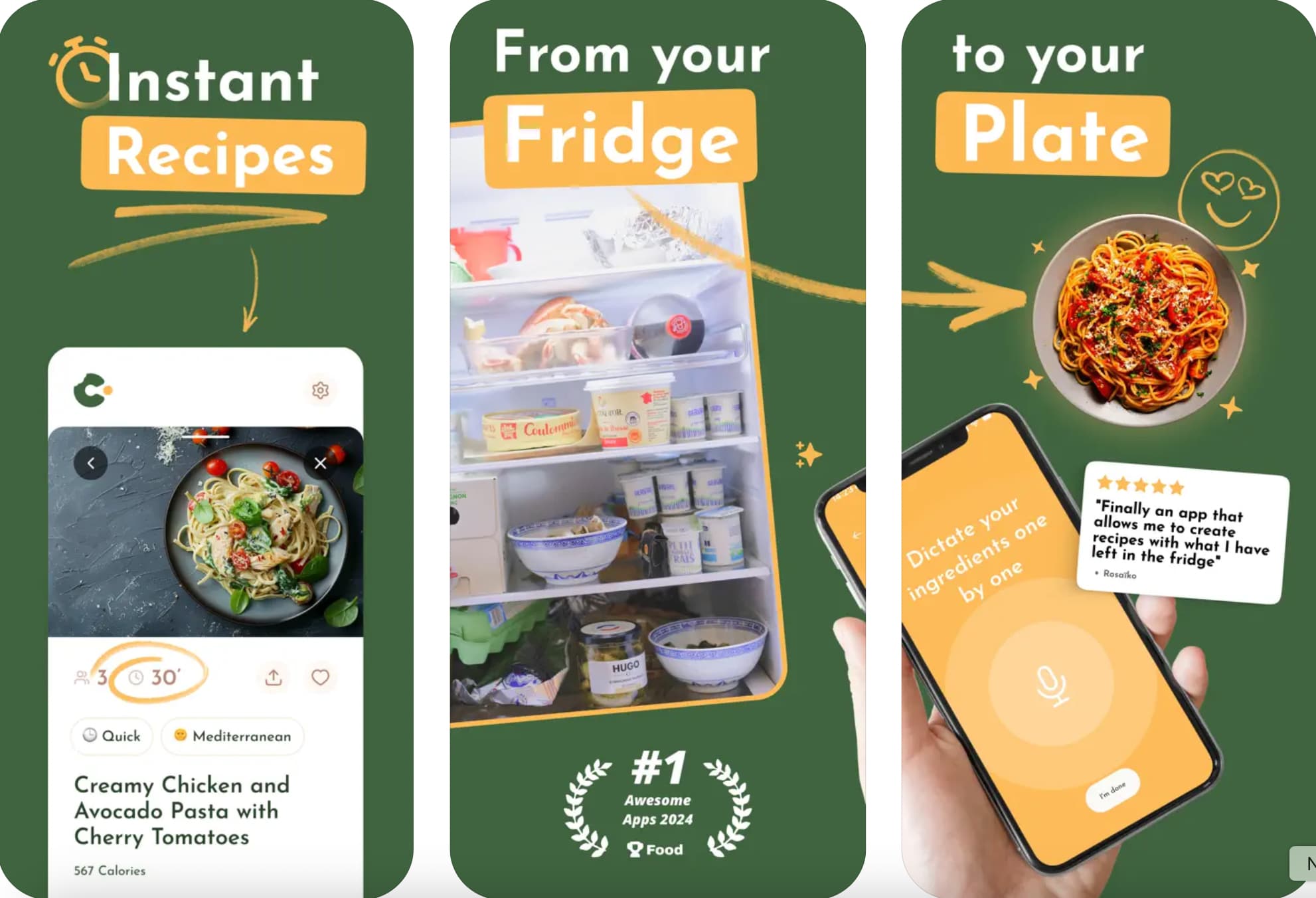
Machine-learning engines will study past likes, allergen flags, and local weather to suggest tonight’s ideal comfort dish or tomorrow’s high-protein lunch, making meal planning feel almost telepathic.
Conclusion
Quick-recipe apps have already redefined what’s possible in a cramped schedule, offering speed, variety, and savings while asking for caution and curiosity in return. As the software grows sharper and kitchens grow smarter, these tools will keep pushing home cooking toward faster, fresher, and more personalized territory.
In short, pocket recipe guides have turned the question “Who has time to cook?” into “What shall we try tonight?”—and that shift promises to keep mealtimes exciting for years to come.


