

The Art and Science of Picture-Perfect Plates: A Comprehensive Overview
Introduction
In today’s digital world, the way we look at and enjoy food has changed dramatically. One clear shift is the growing focus on picture-perfect plates—meals designed first to be photographed and shared. This article explores the rise of visually driven cooking, tracing its roots, its effects, and the psychological and social forces behind its popularity. By unpacking the topic from several angles, we aim to offer a clear picture of this modern culinary trend.
The Concept of Picture-Perfect Plates
Definition and Origins
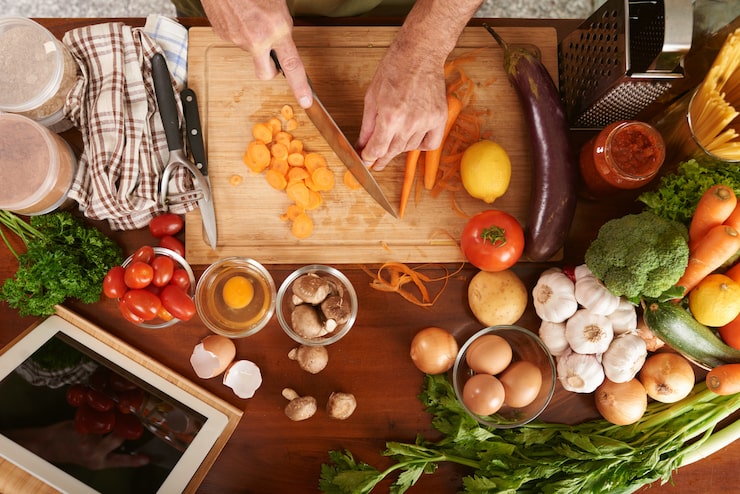
Picture-perfect plating, often called social-media cooking, is the practice of styling food so it looks stunning on camera, primarily for online sharing. The trend has accelerated alongside image-friendly platforms where users broadcast their edible creations to wide audiences.
Its roots lie in traditional food photography once reserved for cookbooks and ads. Smartphones and social networks have now placed the same creative power in everyday hands, turning home cooks into potential visual artists.
Key Characteristics
This style of cooking is marked by a few common features:
1. Eye-catching Presentation: Bright colors, careful layering, and artistic garnishes take center stage.
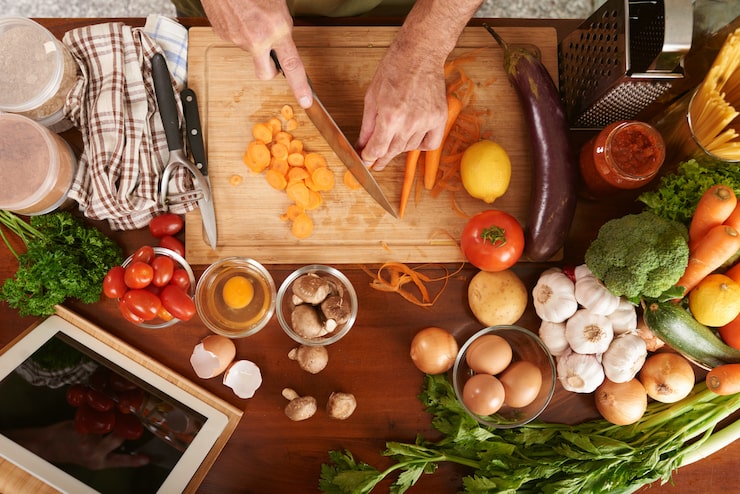
2. Polished Photography: High-resolution shots, gentle editing, and thoughtful lighting amplify the dish’s appeal.
3. Inventive Ingredients and Techniques: Cooks often experiment with new textures, hues, and modern methods to craft camera-ready results.
4. Online Sharing: The main goal is to spark engagement, likes, and conversation across digital communities.
The Impact of Visually Driven Cooking
Psychological Aspects

Emphasizing looks over flavor carries several psychological effects:
1. Expectation vs. Reality: A striking photo can raise hopes so high that the actual taste feels disappointing.
2. Social Validation: Posting beautiful dishes can satisfy the human desire for praise and recognition.
3. Aesthetic Focus: Attention may drift from nourishment and flavor toward how “Instagrammable” a meal appears.
Sociological Aspects

The trend has also reshaped the wider food scene:
1. Creative Push: Chefs experiment with colors, shapes, and service ware to keep their feeds fresh.
2. New Business Niches: Prop stylists, content creators, and photography workshops now serve this visual economy.
3. Cultural Shift: Dining out or cooking in is increasingly judged through a lens—literally—encouraging a more sight-centered food culture.
The Role of Technology

Photography and Editing Tools
Affordable phone cameras and user-friendly editing apps have made pro-level styling attainable for anyone. Simple sliders for brightness, contrast, and saturation help a humble salad look magazine-ready in seconds.
Social Media Platforms
Image-first networks act as both gallery and marketplace. Hashtags, reels, and stories allow creators to reach global audiences, swap tips, and set new visual standards almost overnight.
Case Studies and Examples

Innovative Restaurants
Several modern eateries have built reputations by designing dishes that “break the internet.” Neon broths, edible flowers, and dramatic dry-ice effects encourage patrons to snap before they sip.
Digital Creators
Home cooks and travelers with a flair for styling have turned daily meals into viral content, inspiring followers to recreate plated rainbows and gravity-defying desserts.
Challenges and Criticisms
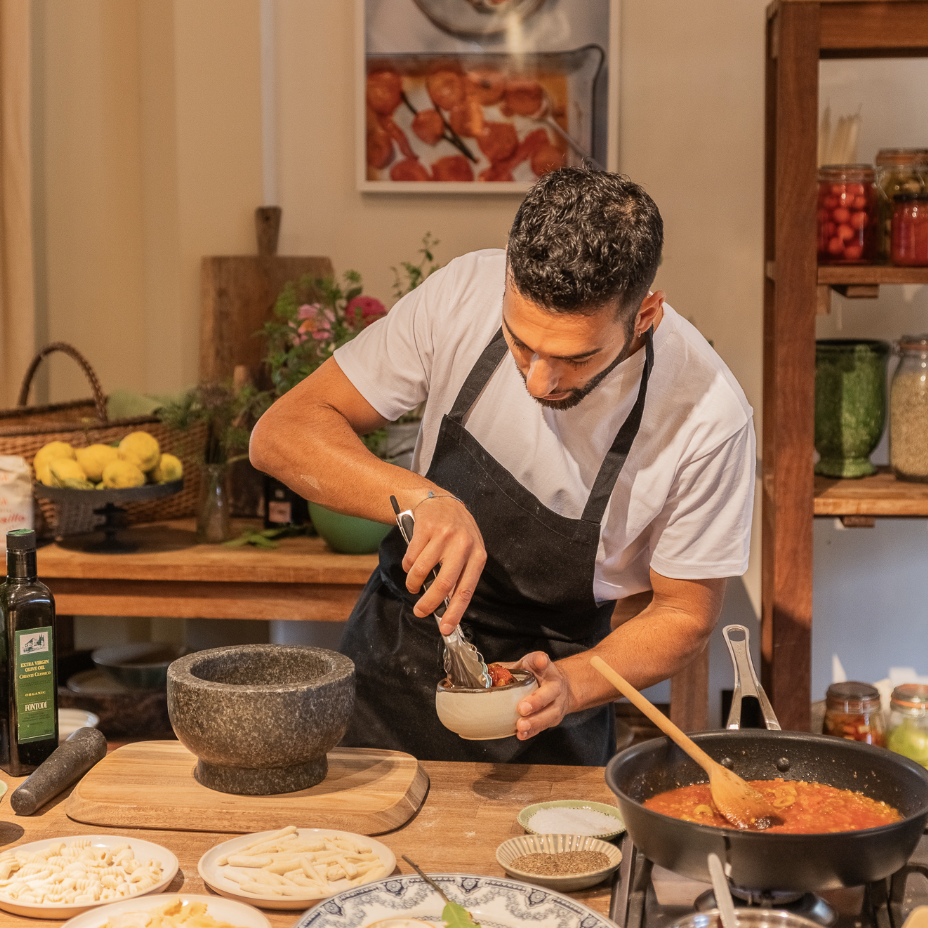
Unrealistic Expectations
When appearance eclipses taste, diners may feel let down, and cooks may prioritize gimmicks over balanced flavor.
Commercialization of Food
Some worry that chasing shares can commodify cuisine, turning meals into props and chefs into content factories.
Conclusion
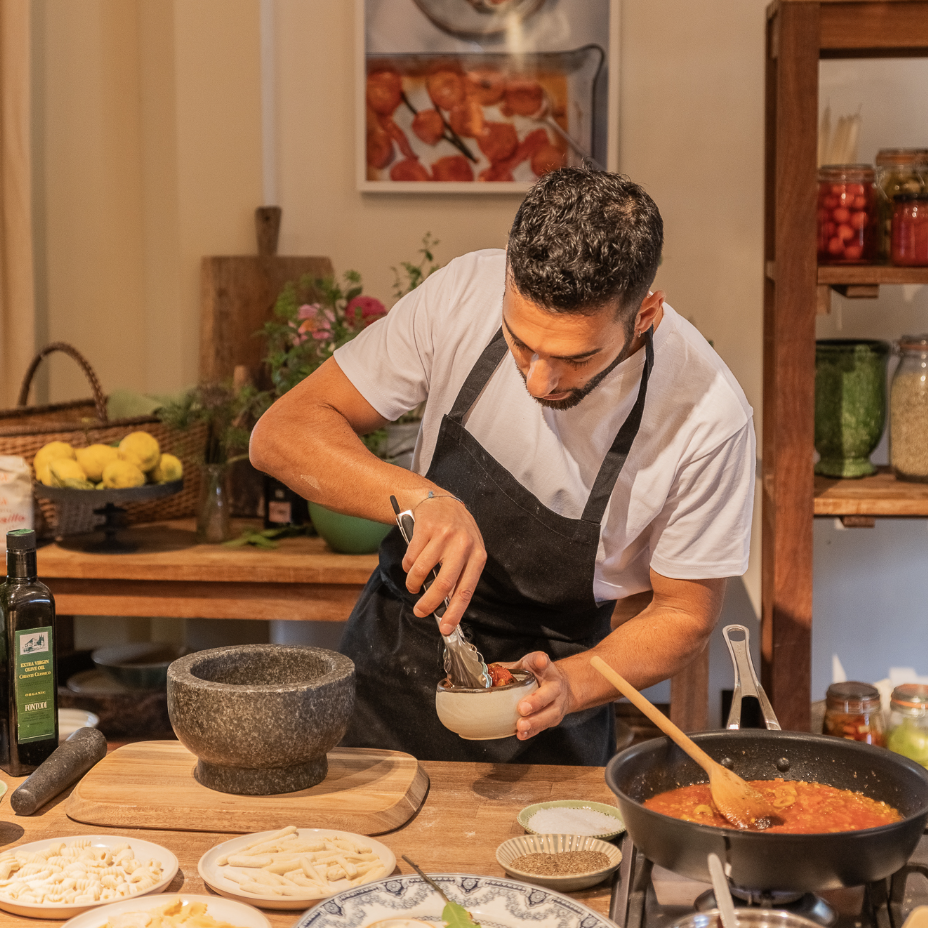
Picture-perfect plating is now woven into contemporary food culture, influencing how dishes are conceived, served, and received. While it sparks creativity and new opportunities, maintaining harmony between visual flair and genuine culinary quality remains essential for a rewarding dining experience.
Recommendations and Future Research
Further study could explore:
1. Long-term psychological effects of constant exposure to idealized food images.
2. Whether visually appealing presentations can encourage healthier choices.

3. Ethical questions around waste, authenticity, and the pressure on creators to deliver ever-more-dramatic content.
By investigating these areas, scholars and industry professionals can better understand how the quest for the perfect shot will continue to shape what lands on our plates.


