

The Impact of Culinary Imagery on Eating Habits and Nutrition
Introduction
Culinary imagery—how food looks during preparation and on the plate—has quietly become one of the strongest forces guiding what people choose to eat. In an era dominated by photo-sharing and constant visual stimulation, the way a dish appears can outweigh its price, ingredients, or even its taste in the minds of consumers. This article explores how these visual cues shape daily food decisions and, by extension, public-health outcomes, by unpacking the psychological and social triggers that make certain meals irresistible.
The Power of Visual Appeal
Visual Appeal and Food Choice
Attractive food photos stimulate appetite almost instantly. Research shows that when people see a vibrant, well-arranged dish, they report higher cravings and often serve themselves larger portions, even before smelling or tasting anything. Color contrast, glossy finishes, and artful layering all amplify desire, while dull or monotone presentations can suppress interest regardless of actual flavor.

Beyond color, texture cues such as visible grill marks, steam, or glistening sauces signal freshness and amplify appeal. Simple garnishes—herbs, citrus zest, or a deliberate drizzle—act like visual seasonings, convincing the brain that the eating experience will be memorable.
Culinary Imagery and Nutrition
The Role of Culinary Imagery in Nutrition
Images can steer choices toward healthier options. When salads, grain bowls, or fruit platters are photographed under bright, natural light with plenty of greens and varied produce, viewers instinctively rate them as more nutritious and are likelier to select similar meals later. Conversely, muted lighting or cluttered backgrounds can make even balanced dishes appear less wholesome.
Perceived healthiness is equally malleable: a lightly dressed salad shot in sharp focus against a simple backdrop is judged as lower in calories than the same salad pictured with heavy sauces or fried sides in frame, influencing how much of it people decide to eat.
The Social Aspect of Culinary Imagery
Social Influence and Culinary Imagery
Food photos carry social weight. Meals presented as homemade or shared among friends generate stronger positive reactions than identical dishes shown in isolation or branded as restaurant fare. The implied presence of company nudges viewers to imagine communal enjoyment, increasing willingness to try the recipe themselves.

Contextual details—checkered picnic blankets, family-style serving bowls, or hands reaching in—reinforce the idea of togetherness, subtly encouraging larger or repeated servings because eating is framed as a bonding activity rather than an individual act.
The Role of Culinary Imagery in Marketing
The Marketing Potential of Culinary Imagery
Brands invest heavily in stylized photography because a single appetizing image can boost sales more than lengthy descriptions. Fast-food chains and wellness startups alike rely on saturated colors, strategic lighting, and close-up angles to trigger immediate cravings and shorten purchase decisions.
Yet the same tools can be leveraged for public benefit. When marketers highlight fresh produce, whole grains, and lean proteins in their visuals, they normalize these choices and can shift collective preferences toward nutrient-dense foods, illustrating the double-edged power of visual persuasion.
Conclusion
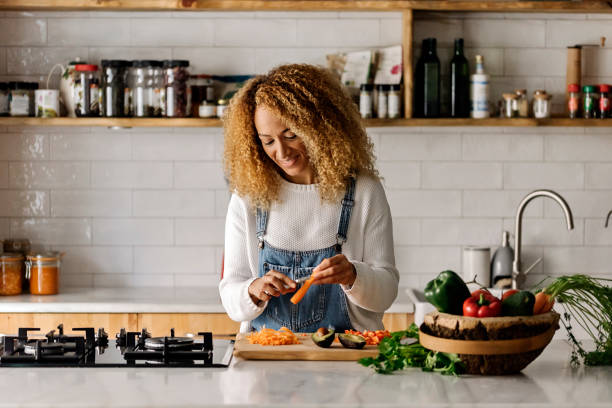
Culinary imagery is far more than decoration; it is a silent decision-maker on plates worldwide. By understanding how color, composition, and social cues operate, health professionals, educators, and businesses can steer visual narratives toward choices that support well-being without sacrificing pleasure.
Recommendations and Future Research
To harness culinary imagery for healthier societies, several avenues deserve attention:
1. Identify which visual elements—lighting angle, plate color, portion visibility—most effectively nudge consumers toward nutrient-rich foods across age groups.
2. Compare reactions to similar food images in diverse cultural settings to craft context-sensitive health campaigns.
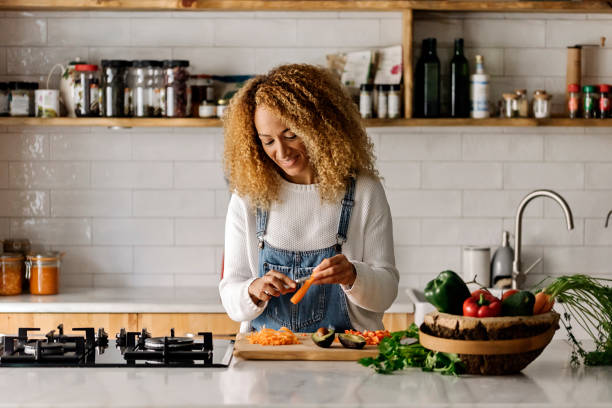
3. Test whether sequential exposure to appealing healthy images can reduce cravings for energy-dense snacks over time.
4. Establish ethical guidelines encouraging brands to depict balanced meals responsibly, ensuring persuasive imagery aligns with public-health goals.
Pursuing these lines of inquiry will deepen our grasp of how what we see shapes what we eat, paving the way for visual environments that make the healthy choice the easy—and enticing—choice.



