

Exploring World Flavors: A Culinary Journey
Introduction
Food is a universal thread that weaves through every culture and community. Beyond satisfying hunger, it fosters connection, marks celebration, and expresses identity. Across continents, distinctive tastes, aromas, and traditions have created a vibrant global table. This article invites you to sample that diversity, examining signature dishes, cultural roles, and general wellness insights tied to what we eat.
Global Cuisine: A Taste of the World
Every region offers edible stories told through local ingredients and time-honored techniques. Below are a few celebrated culinary styles and the philosophies behind them:
1. Italian Cuisine
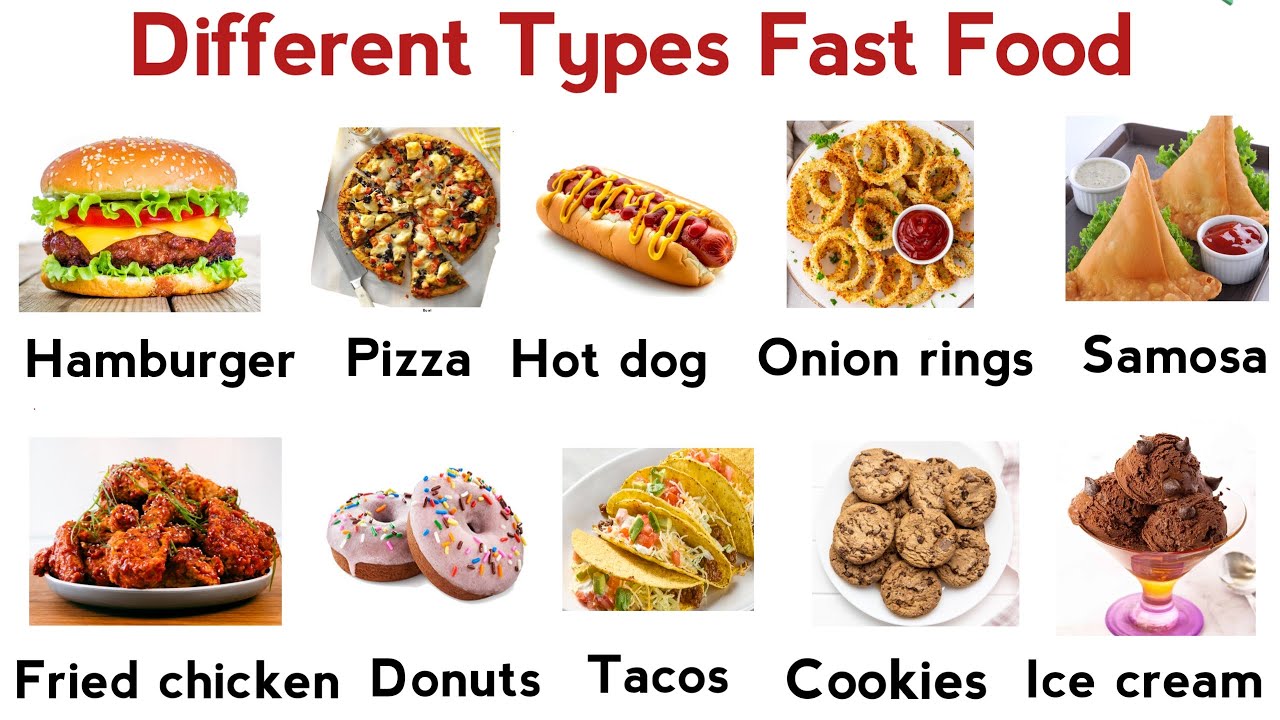
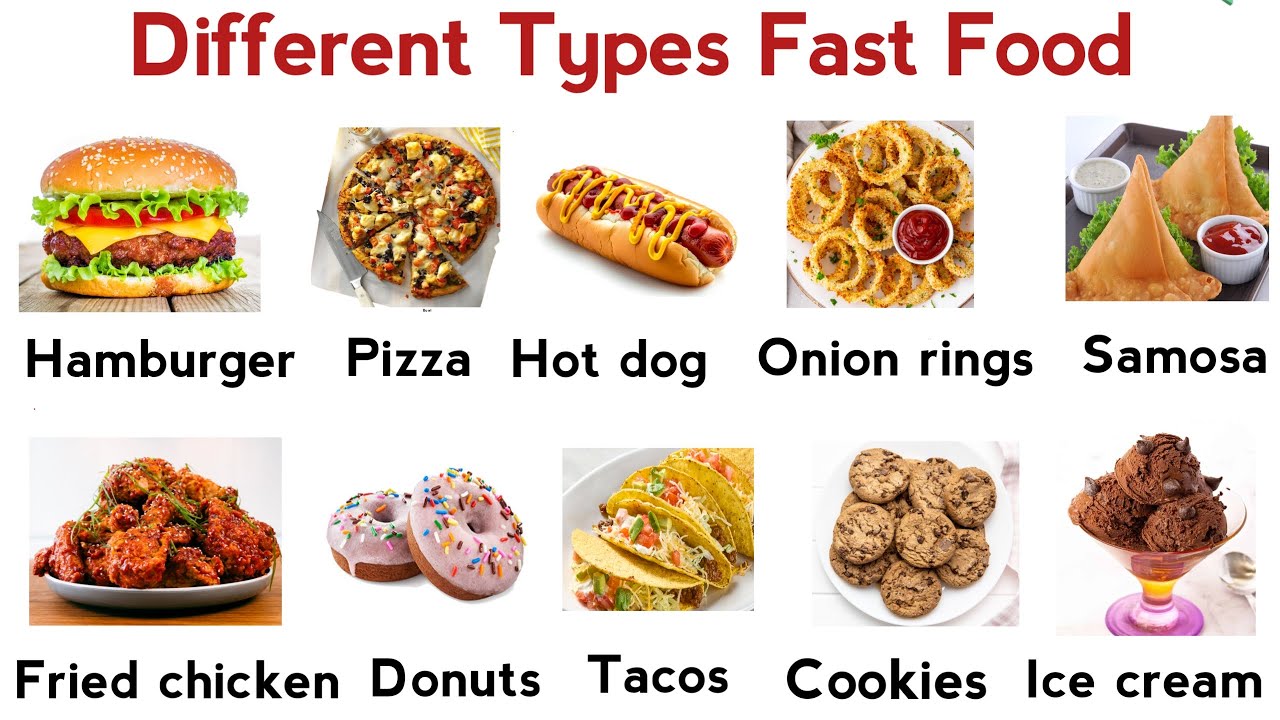
Italian cooking prizes freshness and balance. Staples such as pasta, wood-fired pizza, and creamy risotto rely on seasonal produce, fragrant herbs, and quality olive oil. Meals are often leisurely, encouraging conversation and appreciation of simple, well-prepared ingredients.
2. Japanese Cuisine
Japanese dishes highlight natural flavors and artful presentation. Sushi, sashimi, and lightly battered tempura showcase pristine seafood and vegetables. Portion control, seasonal eating, and an emphasis on visual harmony reflect a broader cultural respect for nature and moderation.
3. Indian Cuisine
Indian kitchens are famous for layered spice blends that transform lentils, vegetables, and meats into aromatic curries, biryanis, and tandoori specialties. Many traditional spice mixtures contain turmeric, cumin, and coriander—ingredients long valued for both taste and potential wellness properties.
Nutritional Value of Different Types of Food
While no single diet suits everyone, certain eating patterns repeatedly align with positive health outcomes:
1. Mediterranean Diet
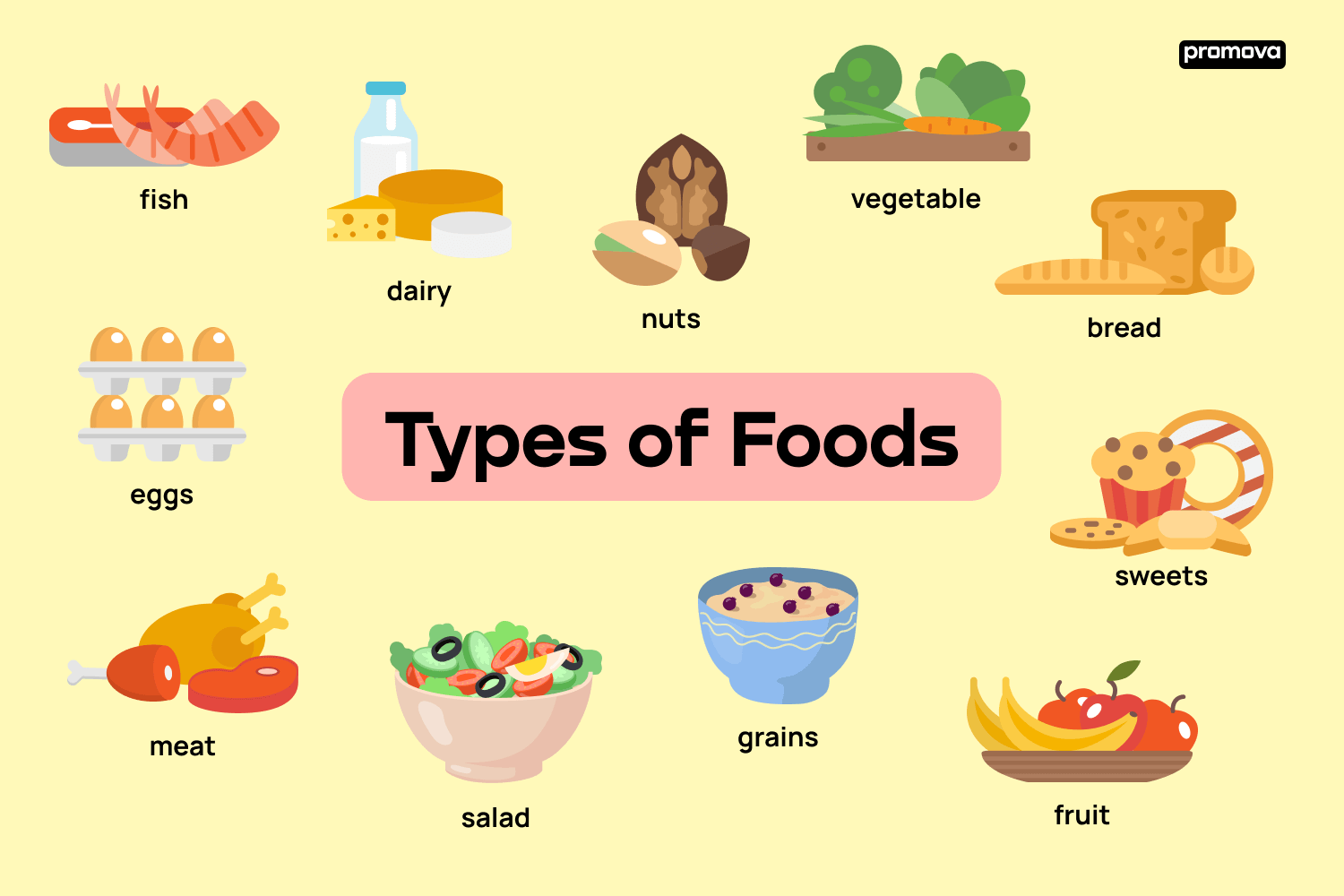
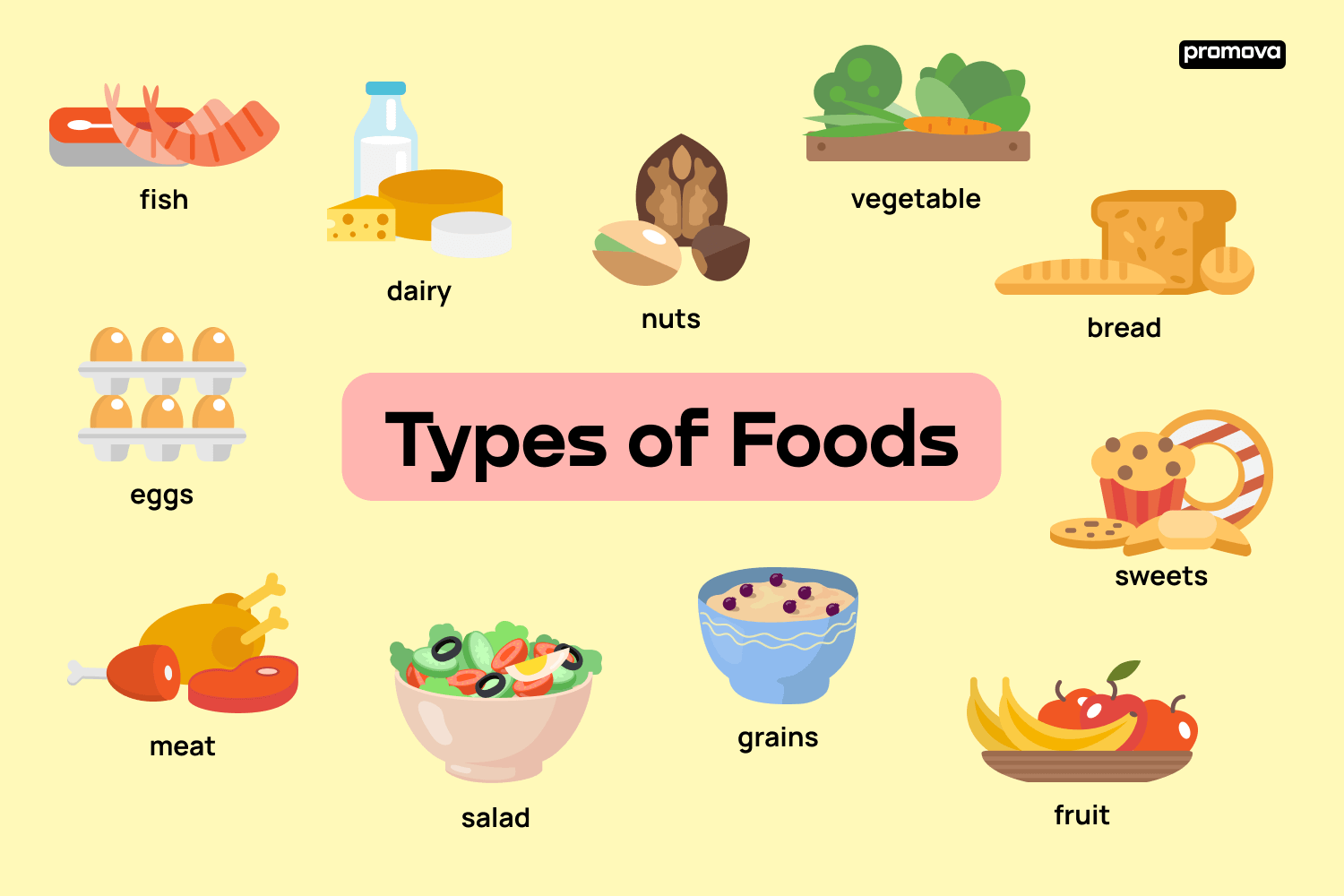
Built around fruits, vegetables, whole grains, legumes, nuts, and olive oil, this sunny-weather way of eating also includes moderate fish and dairy. Generous produce intake provides fiber and antioxidants, while healthy fats may support cardiovascular well-being.
2. Asian Diet
Traditional East-Asian plates often pair rice or noodles with small servings of fish or tofu and plenty of vegetables. Fermented foods like miso and kimchi add probiotics, and green tea offers gentle stimulation along with protective plant compounds.
3. Plant-Based Diets
Whether fully vegetarian or simply plant-forward, diets centered on beans, grains, nuts, seeds, fruits, and vegetables can supply ample protein, vitamins, and minerals. Higher fiber loads may aid digestion and steady blood sugar, while reduced saturated fat can benefit heart health.
Cultural Significance of Different Types of Food
Meals do more than nourish the body; they anchor memory, belief, and belonging:
1. Festivals and Celebrations
Special occasions worldwide are marked by iconic treats—sweet dumplings for Lunar New Year, fragrant spice cookies at Christmas, or colorful sweets during Diwali. These foods evoke nostalgia and transmit heritage to new generations.
2. Social Interaction
Sharing food breaks down barriers. From Ethiopian injera platters meant for communal eating to Italian Sunday dinners that stretch for hours, the act of passing dishes fosters conversation and strengthens bonds.
3. Identity and Belonging
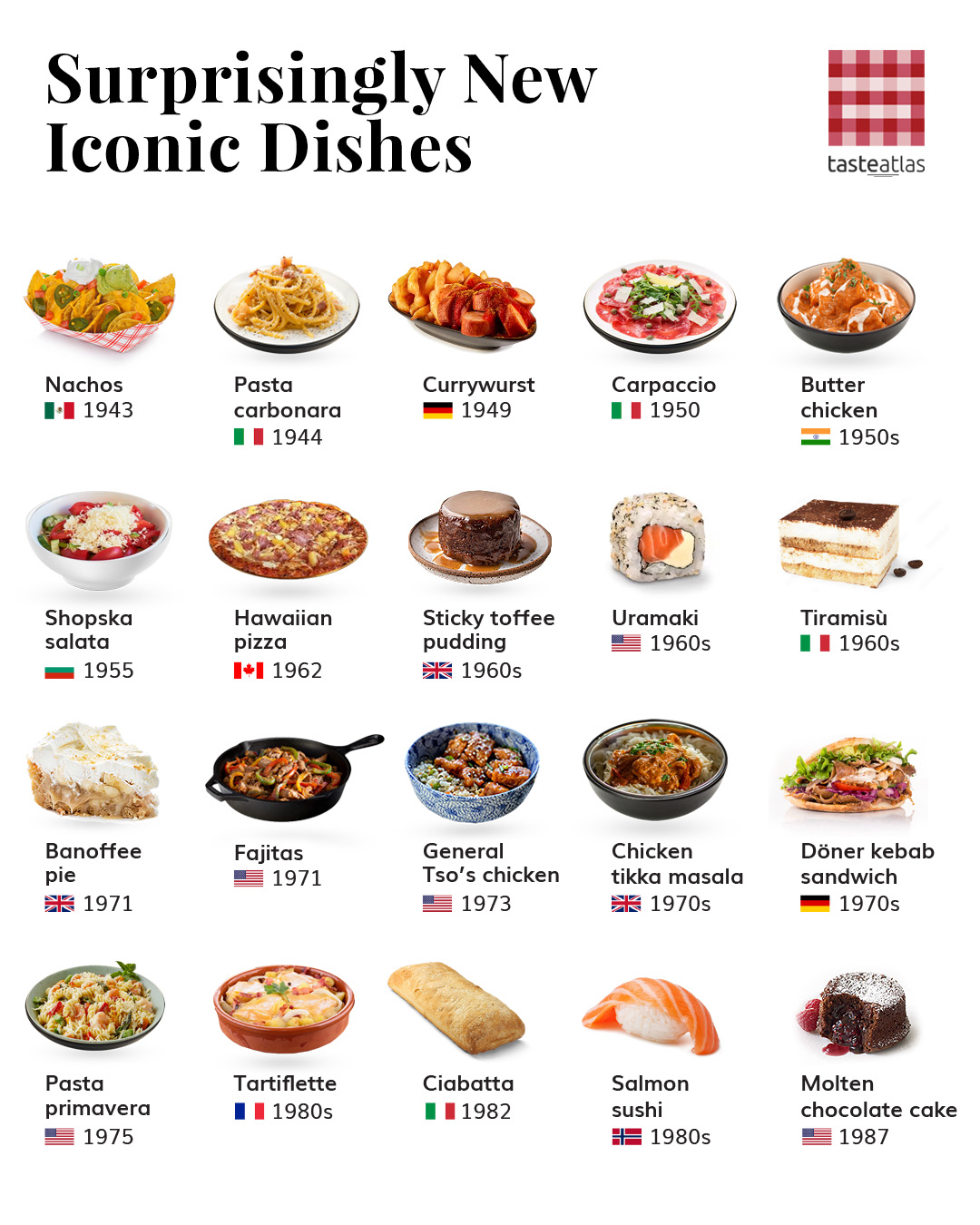
Recipes carried across borders preserve stories of migration and resilience. Cooking traditional dishes allows communities away from home to maintain a sensory link to their roots, reinforcing shared identity in multicultural settings.
Conclusion
The world’s kitchens offer endless variety, each plate a small lesson in geography, history, and human ingenuity. By tasting mindfully and respecting the cultures behind each flavor, we enrich our own tables and promote mutual understanding. Continuing to explore balanced, sustainable ways of eating ensures that future generations can enjoy this delicious diversity for years to come.


