

The Evolution and Impact of Meal Kit Services
In recent years, the way people cook at home has changed dramatically, largely thanks to the rise of meal kit services. These offerings bring together convenience, choice, and restaurant-grade quality, allowing households to prepare flavorful dishes without lengthy planning or shopping trips. This article traces the growth of such services, examines their influence on the wider food ecosystem, and considers where the trend may head next.
The Rise of Meal Kit Services
Definition and Overview
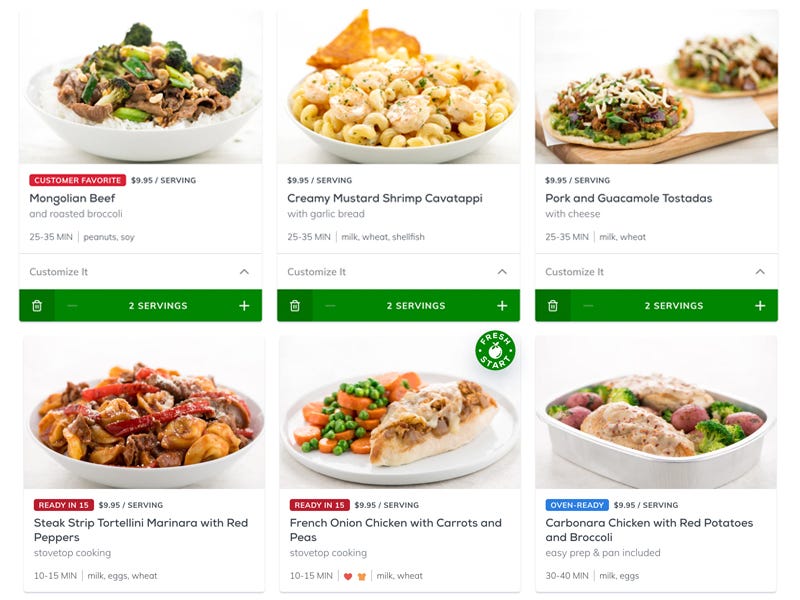
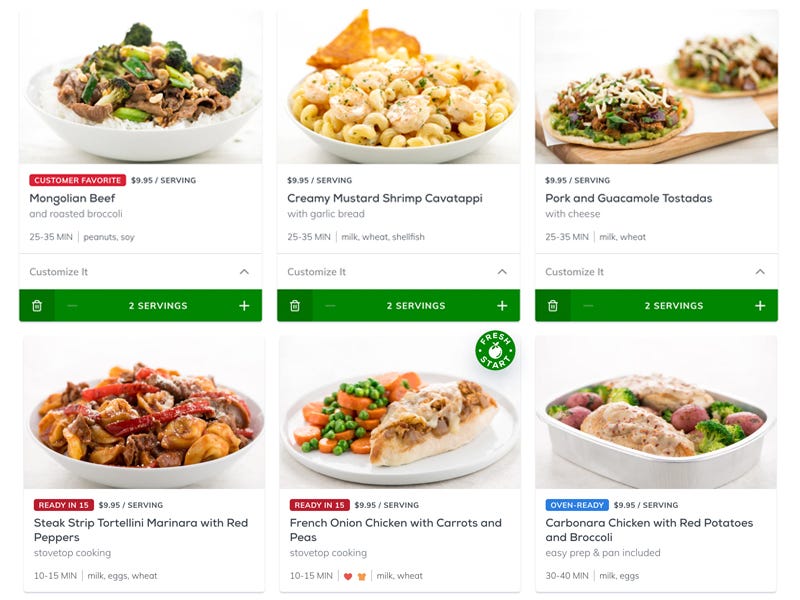
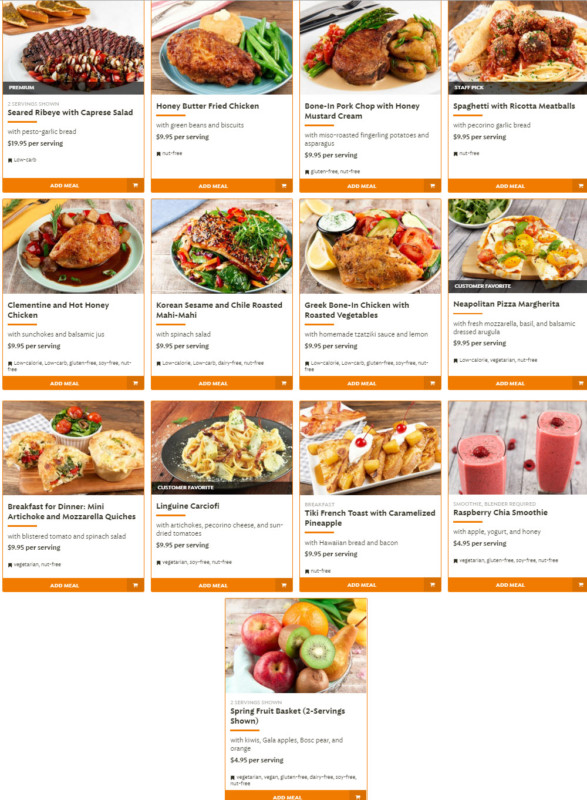
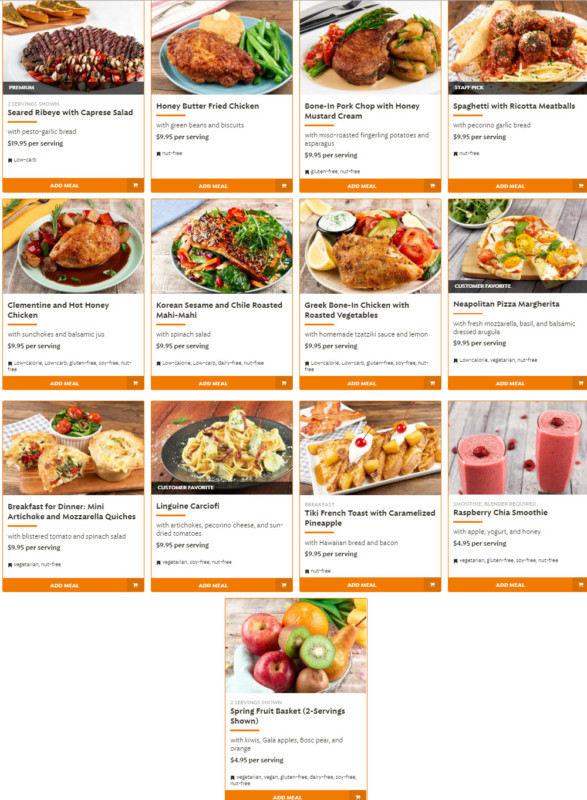
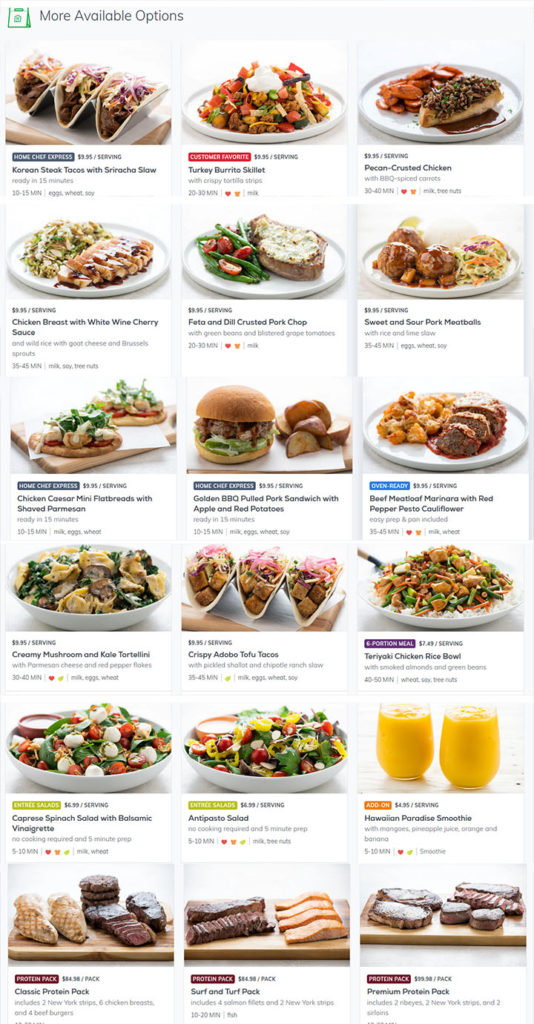
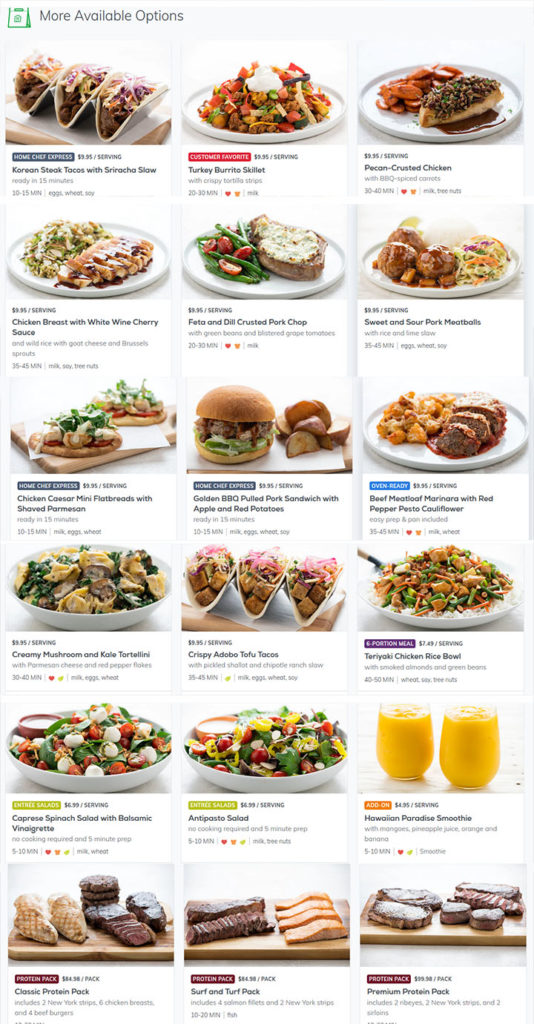
Meal kit services deliver pre-measured ingredients alongside step-by-step recipes, enabling customers to cook balanced meals in their own kitchens. Most platforms provide a rotating menu that accommodates vegetarian, vegan, gluten-free, low-carb, and other common eating styles, making it simple for individuals to match meals to personal preferences.
Factors Contributing to the Growth
Several forces have fueled rapid adoption:
– Busy Lifestyles: Hectic schedules leave little time for menu planning or grocery runs. Ready-to-cook kits shorten prep time and reduce decision fatigue.
– Health Awareness: Diners increasingly seek fresh, nutrient-dense foods. Portion-controlled kits help curb overeating and highlight wholesome produce.
– Digital Convenience: User-friendly websites and mobile apps streamline browsing, scheduling, and delivery tracking, turning cooking into an on-demand activity.
The Impact of Meal Kit Services on the Food Industry
Increased Demand for Fresh Ingredients
As customers expect vibrant produce and responsibly raised proteins, suppliers have expanded organic acreage, strengthened local grower networks, and adopted greener packaging to keep pace with demand.
Job Creation and Economic Growth
From agricultural pickers and warehouse packers to culinary developers and last-mile couriers, the meal kit boom has generated new employment opportunities across the supply chain.
Competition and Innovation
Traditional grocers and restaurants have responded by launching their own ready-to-cook lines, sharpening recipe creativity, and shortening delivery windows, ultimately benefiting consumers through greater variety and value.
Challenges and Concerns
Food Waste
Although ingredients arrive pre-portioned, unexpected schedule changes can leave boxes unused. Providers are countering this trend by offering flexible delivery dates, smaller portion choices, and compostable insulation to lessen environmental impact.
Nutritional Quality
Relying solely on kits may limit exposure to diverse cuisines or seasonal produce. Leading services address this by rotating menus weekly and sharing nutrition education tips that encourage balanced eating beyond the box.
Privacy and Data Security
Online accounts store dietary preferences and payment details, making data protection essential. Reputable companies invest in encryption, routine audits, and transparent privacy policies to maintain customer trust.
Future Developments
Personalization and Customization
Advances in analytics will allow platforms to suggest meals aligned with individual health goals, allergy profiles, and flavor likes, deepening customer loyalty.
Expansion into International Markets
Success at home is paving the way for tailored menus that celebrate regional tastes and native ingredients, introducing global consumers to the convenience model.
Integration with Other Services
Expect tighter links with grocery apps, smart appliances, and wellness trackers, creating an end-to-end ecosystem that supports menu planning, automated reordering, and progress monitoring.
Conclusion
Meal kit services have reshaped home cooking by blending convenience with culinary exploration. While waste and data security require ongoing attention, continuous innovation promises to keep the sector vibrant, influencing how future generations shop, cook, and eat.

