

The Diverse World of Food: A Journey Through Global Flavors
Introduction
Food is far more than fuel; it is a living expression of identity, memory, and community. From everyday meals to festive banquets, what we eat connects us to place, season, and one another. This brief tour highlights major food groups, their cultural roles, and the nutrients they bring to the table. By sampling the variety available worldwide, we gain a deeper respect for both tradition and innovation on the plate.
Food Groups at a Glance
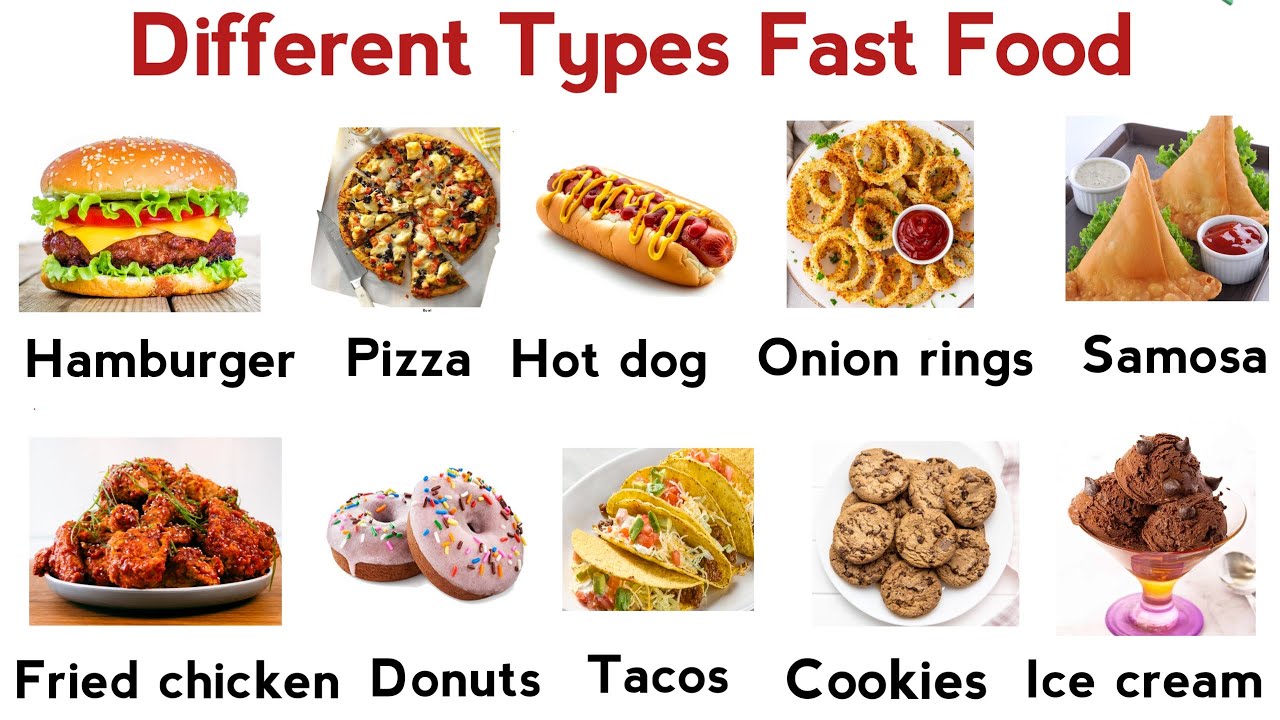
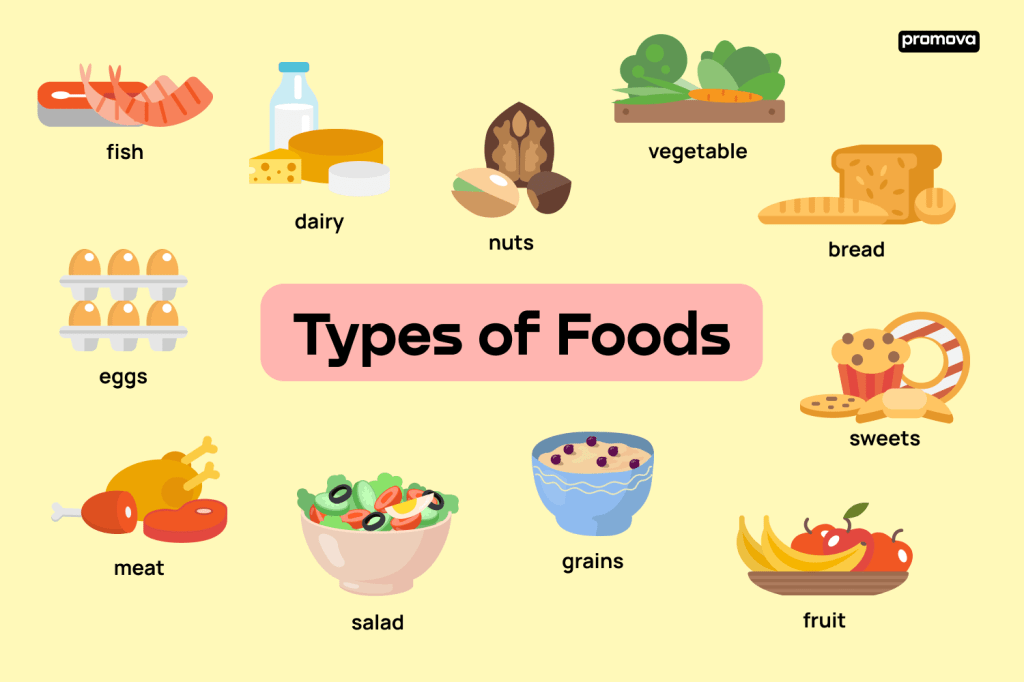
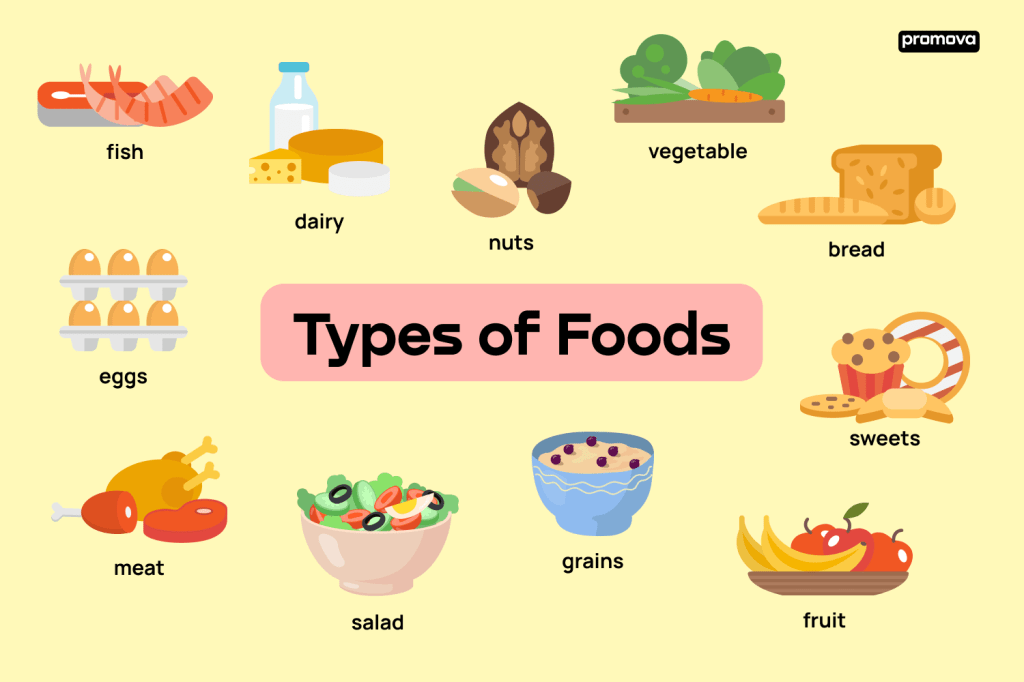
Most diets revolve around a handful of core categories:
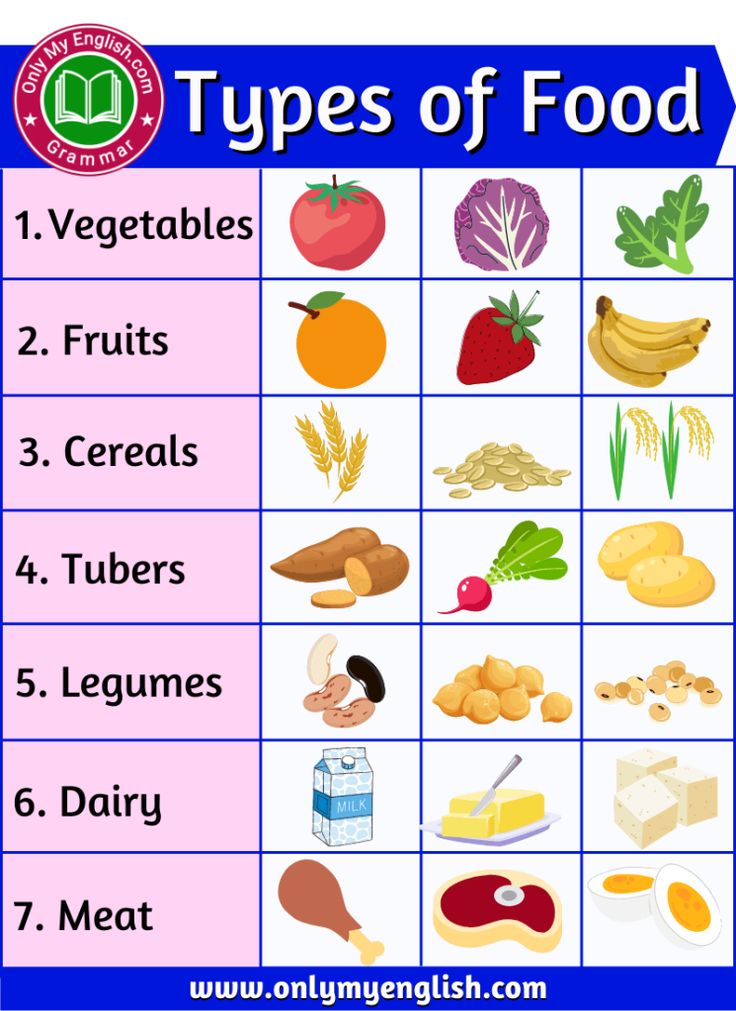
– Grains and cereals
– Protein sources
– Vegetables and fruits
– Dairy and alternatives
– Legumes and pulses
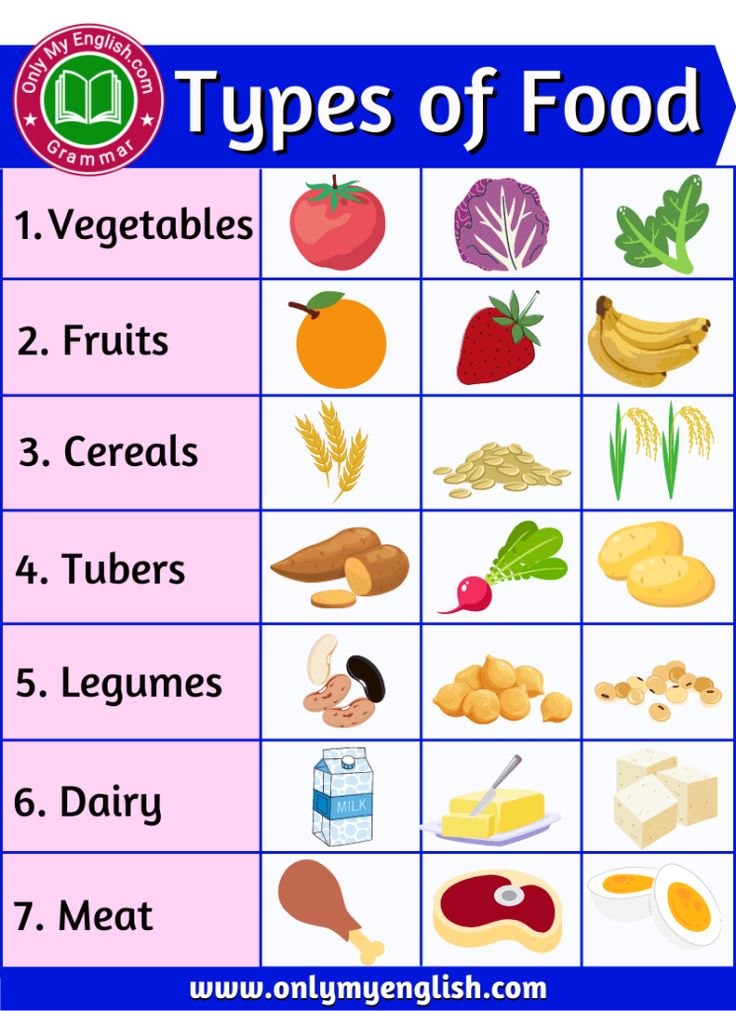
– Treats and snacks
Each group offers distinct flavors, textures, and health benefits that support balanced eating.
Grains and Cereals: Everyday Energy
Starchy seeds have nourished civilizations for millennia, supplying steady energy, fiber, B-vitamins, and minerals. Common staples include:
– Rice: prized for its versatility, it forms the heart of countless dishes across continents.
– Wheat: ground into flour, it becomes bread, noodles, and pastries that grace tables worldwide.
– Oats: celebrated for soluble fiber, they warm up breakfast bowls and enrich baked goods.
Protein Foods: Building and Repair
Proteins maintain muscle, skin, enzymes, and hormones. Rich sources span both land and sea:
– Lean meats: beef, pork, and poultry deliver complete protein plus iron and zinc.
– Seafood: fish and shellfish offer lean protein and heart-friendly fats.
– Plant staples: beans, lentils, and peas provide protein, fiber, and micronutrients with a smaller environmental footprint.

Vegetables and Fruits: The Color Spectrum
Bright produce signals an abundance of vitamins, antioxidants, and water. Highlights include:
– Leafy greens: spinach, kale, and chard supply vitamins A, C, and K alongside minerals.
– Berries: blueberries and their cousins are tiny powerhouses of protective compounds.
– Citrus: oranges, lemons, and limes refresh the palate while boosting vitamin C intake.
Dairy and Alternatives: Calcium and Beyond
Milk-based foods and their plant-based counterparts contribute protein, calcium, and probiotics:
– Milk: cow, goat, or fortified soy and nut drinks support bone health.
– Cheese: aged or fresh, it adds flavor depth to everything from sandwiches to soups.
– Yogurt: live cultures in yogurt may aid digestion and add creaminess to both sweet and savory recipes.
Legumes: Plant Protein Champions
Affordable and shelf-stable, legumes combine protein, complex carbs, and fiber:
– Beans: kidney, black, and pinto varieties thicken chilis, salads, and wraps.
– Lentils: quick-cooking red, green, or brown lentils enrich curries and stews.
– Chickpeas: roasted for crunch or blended into dips, they star in dishes from hummus to hearty tagines.
Sweets and Snacks: Occasional Pleasures
While not dietary essentials, small indulgences add joy and social fun:
– Confections: dark chocolate, fruit jellies, and mints satisfy sweet cravings.
– Baked treats: cookies, muffins, and pastries often mark special moments.
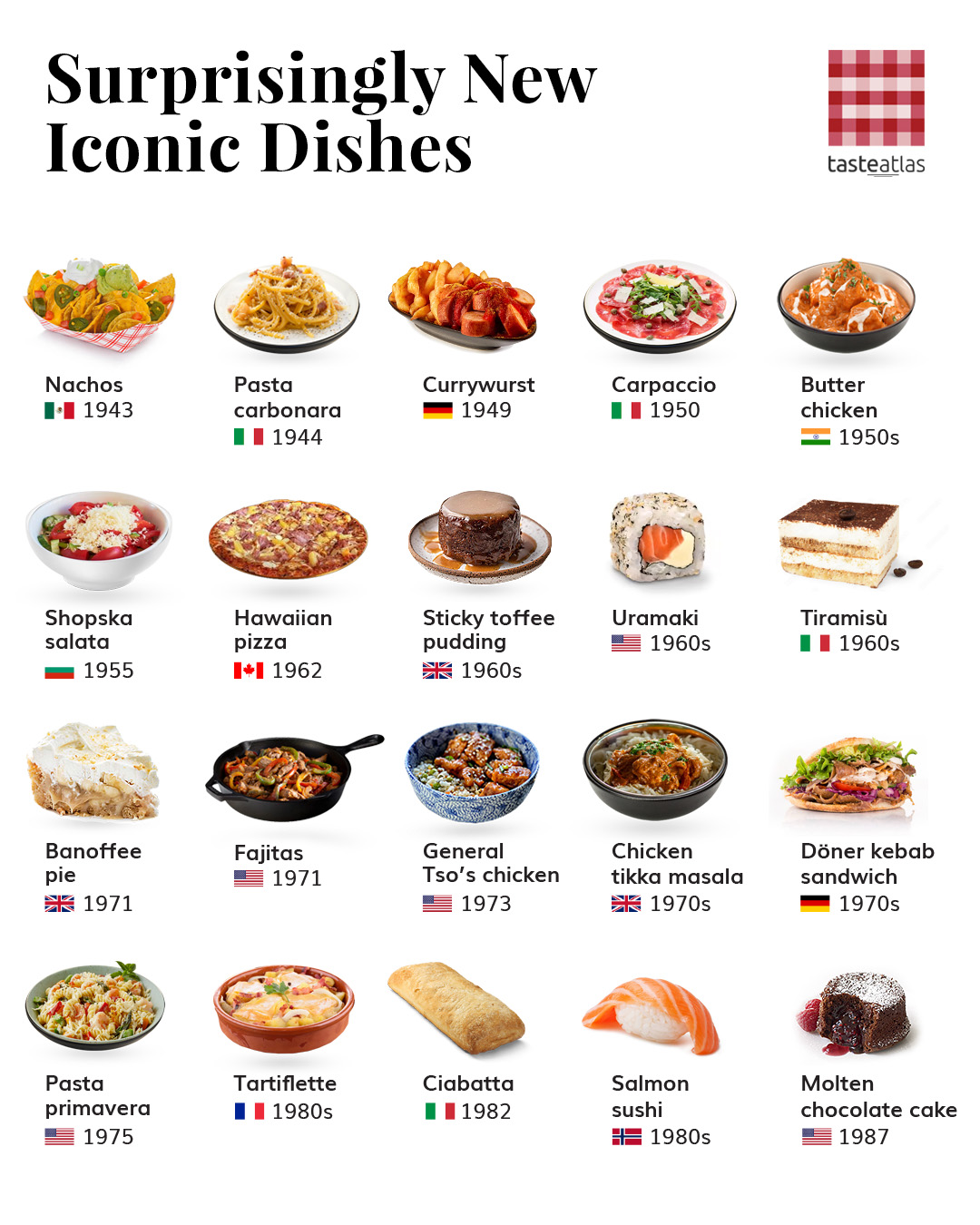
– Savory bites: popcorn, trail mix, and whole-grain crackers offer crunch when hunger strikes between meals.
Conclusion
From staple bowls to celebratory sweets, the edible world is vast, colorful, and ever-evolving. Recognizing the strengths of each food group encourages balanced choices and invites culinary curiosity. By blending tradition with modern knowledge, we can craft meals that nourish both body and spirit while honoring the planet that feeds us.
Looking ahead, continued exploration of sustainable farming, mindful consumption, and cultural exchange will keep our global pantry vibrant and resilient for generations to come.


