

The Role of Food and Dish in Culinary Art and Culture
Introduction
Food and the vessels that hold it are central threads in the tapestry of culinary art and culture. Beyond simple nourishment, they offer a stage for storytelling, social bonding, and personal identity. This article explores how what we eat—and what we eat it from—shape history, heritage, and daily well-being.
The Role of Food in Culinary Art
1.1 Historical Perspective
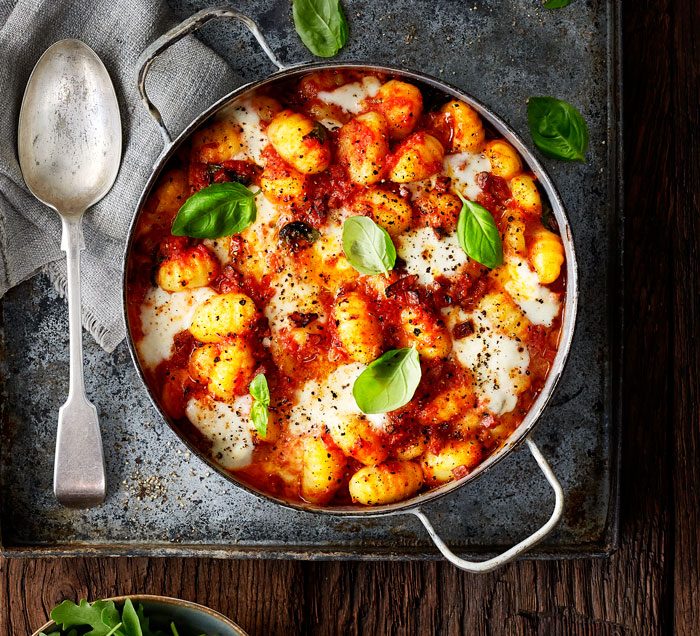
From the first controlled fire to modern sous-vide baths, food has mirrored human progress. Each epoch—agricultural, industrial, digital—has left its own flavor profile, turning meals into edible time capsules of technology and taste.
1.2 Cultural Significance
A single ingredient can whisper the climate of a coastline or shout the spirit of a festival. Regional cuisines evolve as living records of geography, trade, and tradition, inviting diners to travel without moving.
1.3 Artistic Expression
In the hands of cooks, ingredients become paint; plates become canvases. Color, aroma, texture, and form combine to create fleeting galleries that disappear bite by bite, proving that art need not last to be memorable.
The Role of Dish in Culinary Art
2.1 Historical Evolution
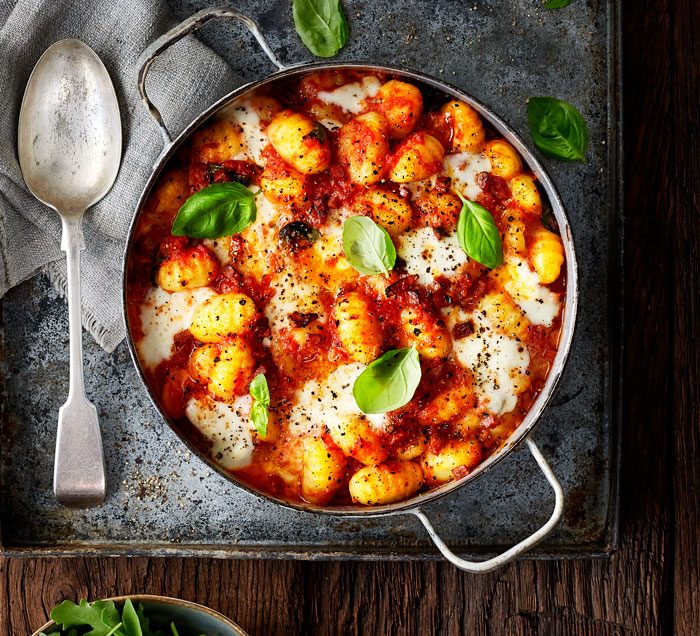
Clay, bronze, porcelain, glass—each material once signaled new possibilities for heat retention, portability, or sheer spectacle. The silent partner to every recipe, dishware co-authors the diner’s experience.
2.2 Cultural Significance
A shallow bowl can encourage communal scooping; a tall stem can keep wine at polite distance. Shapes and materials quietly teach us how to belong at the table, translating unspoken rules of sharing and ceremony.
2.3 Artistic Expression
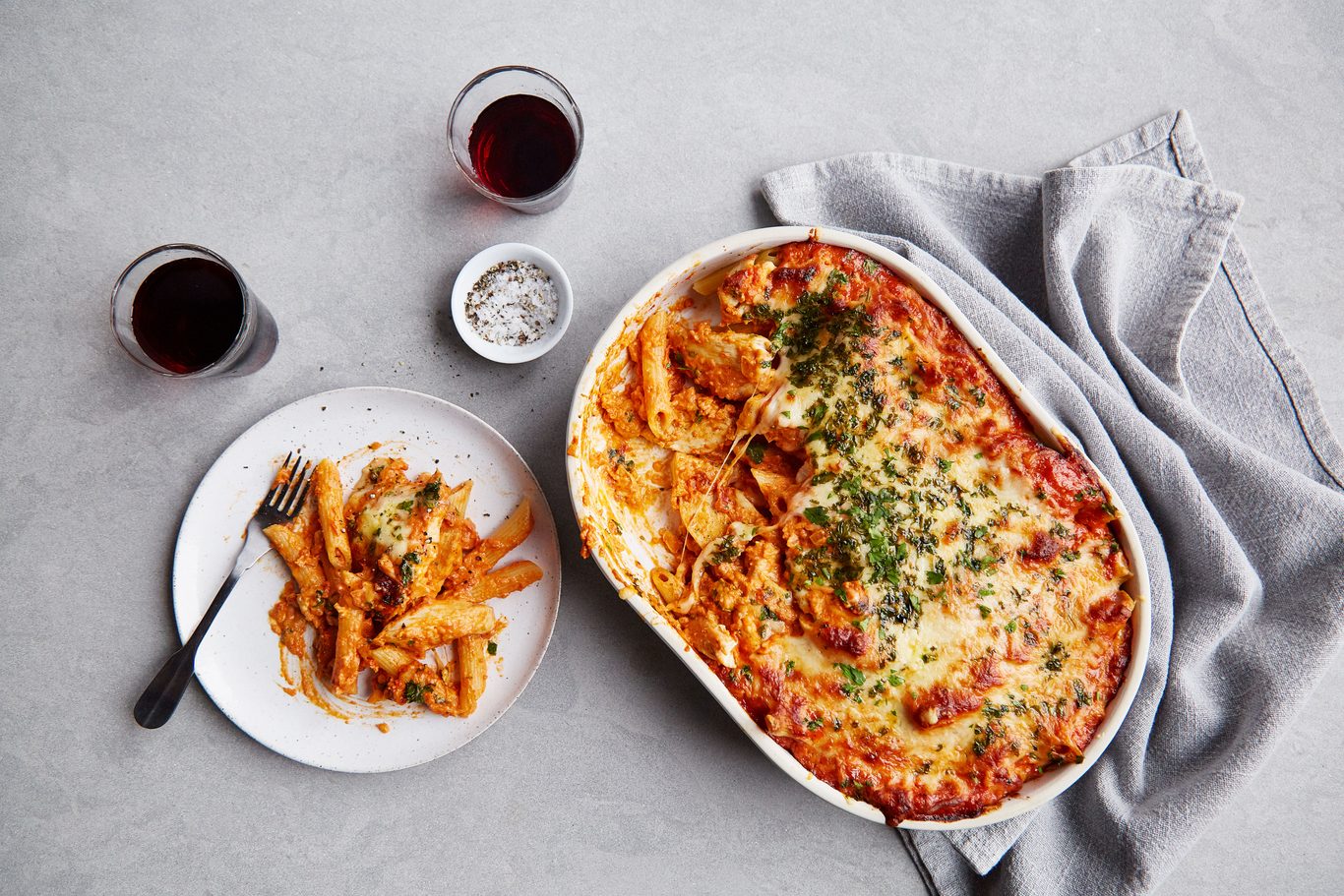
A chef finishes a dish long before it reaches the pass, selecting the plate that will cradle sauce like a tide pool or lift a garnish toward the light. In that choice, ceramics become co-creators of flavor anticipation.
The Intersection of Food and Dish in Cultural Heritage
3.1 Preservation of Cultural Identity
Grandmother’s recipe card and the cracked terracotta pot she used are twin heirlooms. Together they keep dialects of flavor alive, ensuring that tomorrow’s eaters can still taste yesterday’s identity.
3.2 Globalization and Cultural Exchange
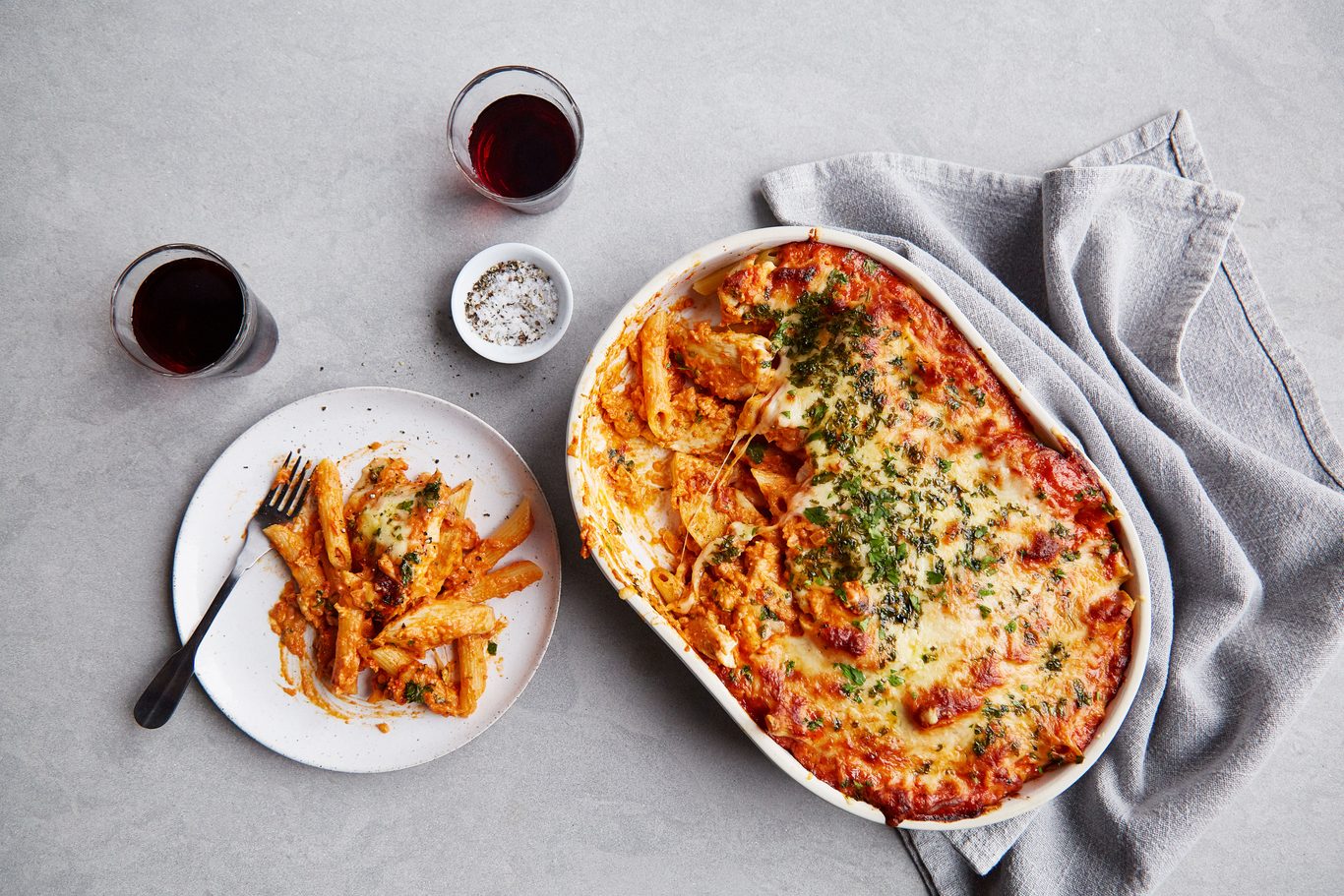
As spices travel and plates cross oceans, fusion becomes conversation. What emerges is neither copy nor original but a respectful remix that widens every palate’s vocabulary.
3.3 The Role of Food and Dish in Festivals and Rituals
Round mooncakes on mid-autumn nights, painted bowls of colored rice at spring festivities—specific edible artifacts anchor collective memory, turning seasons into shared sensory chapters.
The Psychological Impact of Food and Dish
4.1 Emotional Connection
A single aroma can collapse decades, returning us to a childhood kitchen faster than any photograph. Flavor operates as a private time machine, operated by scent and taste.
4.2 Social Interaction
Passing a platter breaks barriers more gracefully than most speeches. The simple act of reaching across a table extends an invitation to trust, taste, and talk.
4.3 Personal Well-being
Stirring, seasoning, and plating can steady a racing mind. The rhythmic rituals of cooking offer moving meditation, while the final bite delivers a moment of mindful closure.
Conclusion
Meals and their settings are daily textbooks on history, art, and empathy. Recognizing their layered roles deepens appreciation for every shared table and encourages us to cook, serve, and eat with wider awareness.
Recommendations and Future Research
To further explore the role of food and dish in culinary art and culture, the following recommendations are proposed:
1. Record oral histories alongside heirloom recipes, capturing both ingredients and the voices that carry them forward.
2. Integrate sensory tasting workshops into general education, letting students learn geography, chemistry, and art through one bite.
3. Support interdisciplinary studies that measure how communal plating and mindful eating rituals influence mood and social cohesion.
In conclusion, food and dish are essential elements of human life, deeply rooted in our cultural heritage and personal identity. By recognizing their importance, we can appreciate the art of culinary traditions and the power of food to bring people together.


