

The Impact of Store Opening Hours on Customer Experience and Business Success
Introduction
In the competitive retail environment, the timing of store operations has become a key driver of customer satisfaction and commercial performance. Opening hours define the window during which shoppers can explore and buy products on the spot. This article examines why well-planned hours matter, how they shape the shopper journey, and what they mean for overall business health. By looking at customer expectations, operational efficiency, and competitive positioning, we offer a clear overview of the strategic value of thoughtful scheduling.
The Significance of Store Opening Hours
Customer Expectations
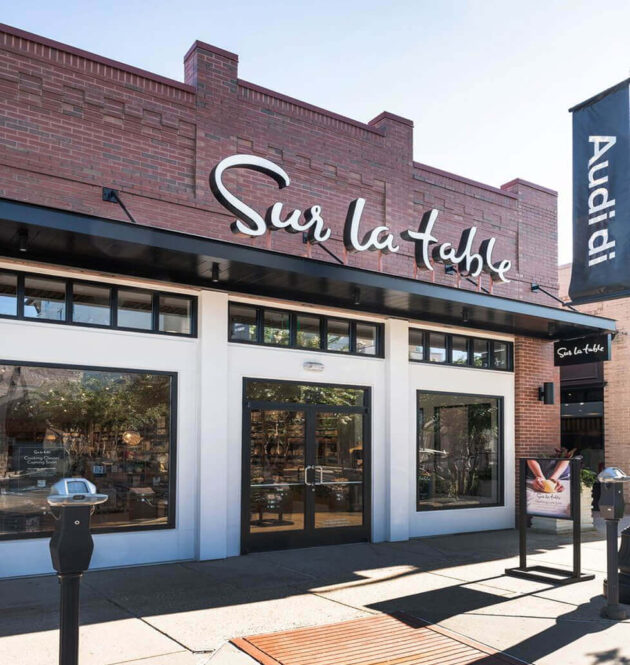
Modern consumers value convenience and flexibility. When a store aligns its hours with varied lifestyles—early commuters, late-shift workers, busy parents—it signals respect for customers’ time. This simple adjustment boosts satisfaction, encourages repeat visits, and nurtures long-term loyalty.
Operational Efficiency
Smart scheduling matches staff levels to actual foot-traffic patterns. Peak periods receive adequate coverage, while quieter times avoid over-staffing. The result is a smoother workflow, lower labor waste, and more meaningful interactions on the sales floor.
Competitive Advantage
In a crowded market, generous or uniquely timed hours can set a retailer apart. A reputation for being open when others are closed becomes a reason to choose one store over another, reinforcing a brand image that puts shoppers first.
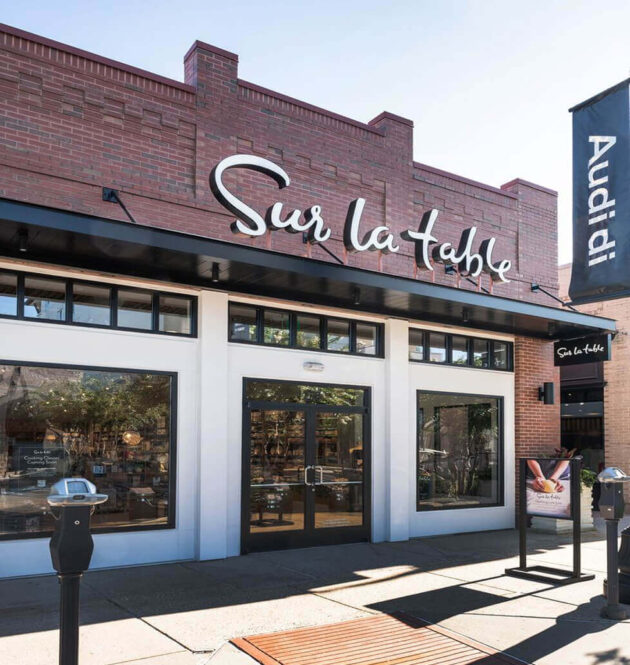
The Impact of Store Opening Hours on Customer Experience
Enhanced Accessibility
Extended or shifted hours open the door to customers who otherwise struggle to shop—night-shift nurses, caregivers, or students in daytime classes. An inclusive timetable widens the potential audience and fosters goodwill across diverse groups.
Improved Customer Service
When staff are neither rushed nor overstretched, they can offer thoughtful guidance, answer questions, and suggest complementary items. Relaxed, well-staffed periods translate into personalized attention that shoppers remember.
Increased Customer Engagement
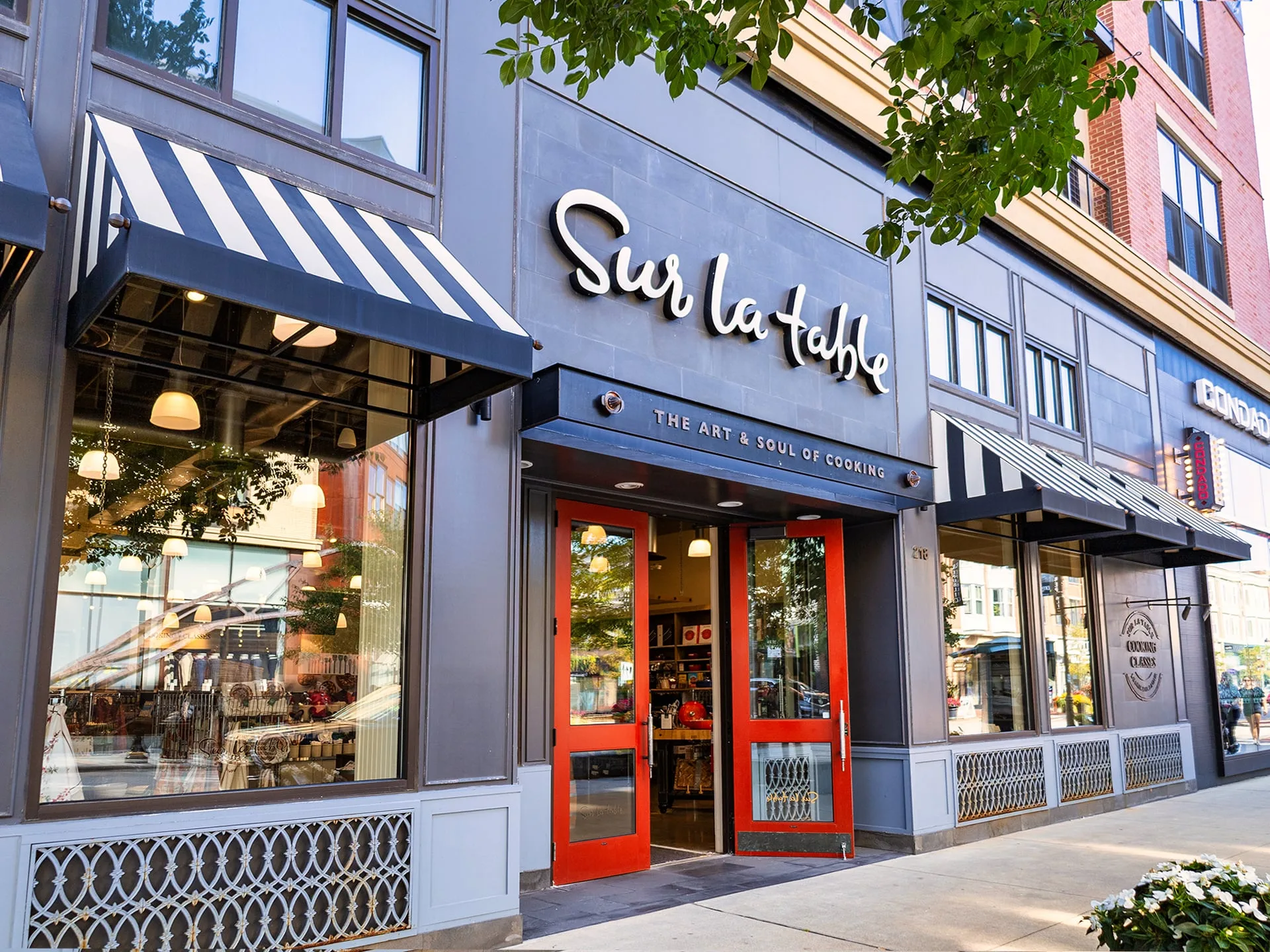
Evenings or weekend mornings can host demonstrations, tastings, or mini-workshops. These events turn routine trips into experiences, sparking conversations on social media and strengthening emotional ties to the brand.
The Role of Store Opening Hours in Business Success
Increased Sales
Capturing high-traffic moments—and adding extra slots for impulse visits—lifts daily revenue. Shoppers who discover they can drop by after dinner often add unplanned items to their baskets, driving incremental sales.
Enhanced Brand Image
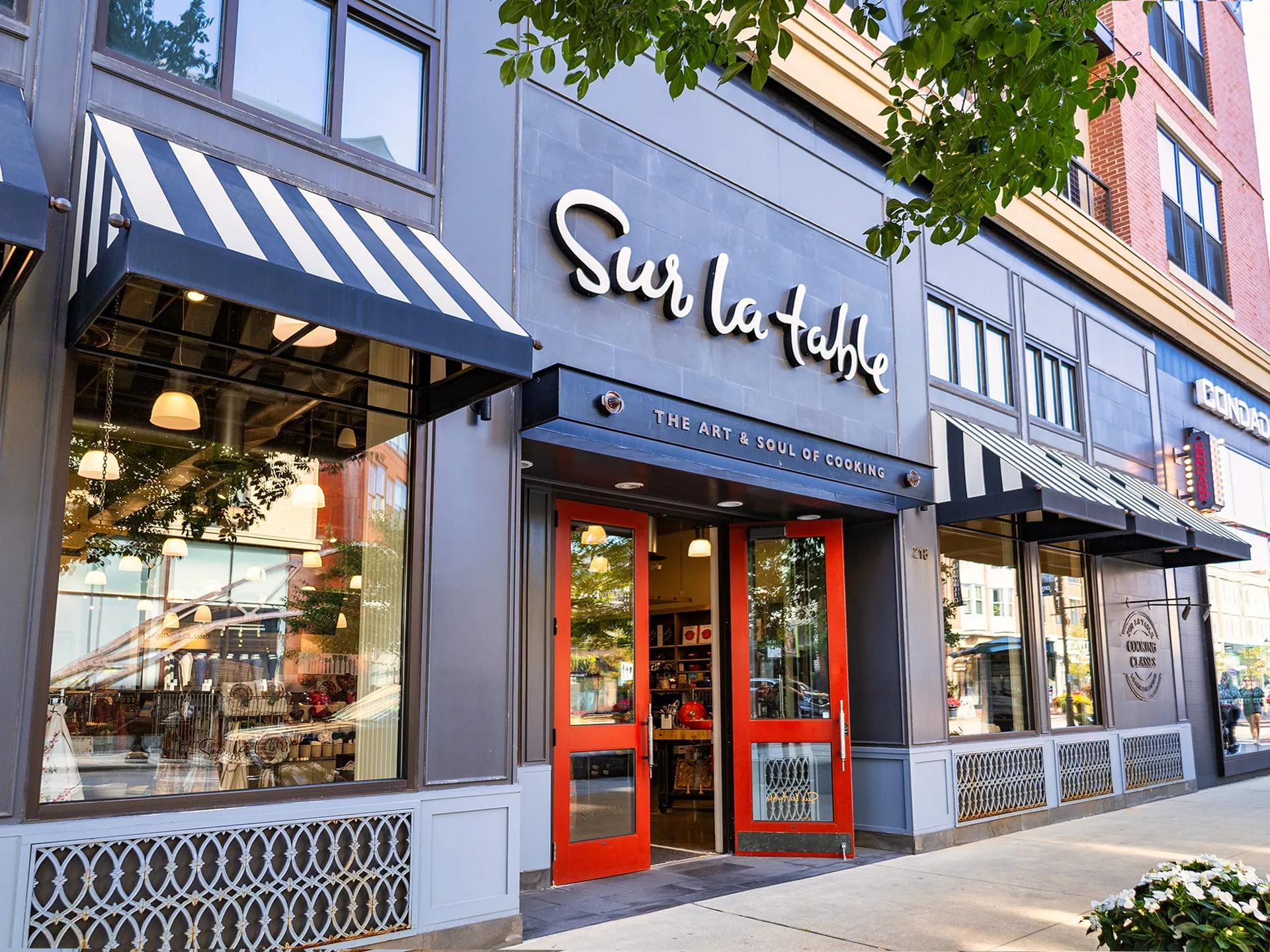
A store known for “always being there when I need it” earns trust. Positive word-of-mouth spreads, online reviews improve, and the brand becomes synonymous with reliability and customer care.
Improved Customer Retention
Consistently convenient hours reduce the temptation to switch to competitors. Familiar, repeatable experiences encourage routine returns, laying the groundwork for lifelong customer relationships.
Conclusion
Strategically planned opening hours are a quiet yet powerful lever for retail success. They meet modern demands for flexibility, streamline operations, and differentiate a brand in a saturated marketplace. As consumer habits evolve, retailers who continually refine their schedules will stay relevant, profitable, and firmly focused on shopper needs.
Recommendations and Future Research
To maximize the benefits of well-chosen hours, retailers should consider the following steps:
1. Survey local shoppers regularly to uncover preferred shopping windows.
2. Adopt dynamic rostering tools that adjust staffing to real-time demand signals.
3. Integrate inventory systems so popular items remain well-stocked during extended periods.
4. Invite feedback after special-hour events to fine-tune future programming.
Future studies could explore:
1. How consistent convenience influences long-term loyalty metrics.
2. The interplay between physical hours and digital channel traffic.
3. Sector-specific or regional differences in optimal scheduling strategies.
By treating opening hours as a living strategy rather than a static fixture, retailers can keep pace with change and continue delivering standout experiences.



