Dinner Recipe of the Day: A Culinary Journey Through Time and Culture
Introduction
Dinner, the day’s final shared meal, carries a quiet magic across continents. It is more than sustenance; it is memory, identity, and a gentle pause that gathers people around one table. Today’s recipe invites us to travel through centuries and continents, tasting how simple ingredients become storytellers.
The Evolution of Dinner Recipes
The Ancient Beginnings
Long before printed cookbooks, early communities roasted game over open flames, fermented grains into flatbreads, and stirred wild herbs into stews. Archaeological hints suggest that clay pots bubbled with spiced lentils along trade routes, while coastal villages cured fish with sea salt and citrus, laying the groundwork for dishes still loved today.

The Middle Ages and the Renaissance
Medieval hearths divided meals by rank: grand halls boasted towering pies of swan and peacock, cottage hearths relied on barley porridge and foraged greens. The Renaissance brought sugar, cinnamon, and saffron to market squares, encouraging cooks to paint plates with color and perfume, turning supper into edible art.
The Modern Era
Steamships and satellites shrank the planet. A home cook can now fold Korean chili paste into Italian noodles, or simmer East African berbere into French-style stews. The daily dinner plate has become a quiet passport, stamped by every culture it meets.
The Cultural Significance of Dinner Recipes
Family Traditions
Grandmothers guard handwritten cards for holiday braises; fathers teach sons the exact flip of a Sunday pancake. These unwritten rules turn kitchens into classrooms where love is measured in pinches and patience.
Community and Identity
A single aroma—smoke from a clay tandoor, sweetness from plantain leaves—can announce neighborhood and ancestry faster than any greeting. Recipes travel in memories, not suitcases, anchoring migrants to hometowns they may never see again.

The Science of Flavors
Flavor Profiles
Taste is a five-note chord: sweet, salty, sour, bitter, and the lingering bass line of umami. When tomatoes collapse into garlic, their glutamates mingle, deepening into savoriness that makes diners close eyes and sigh.
Spices and Herbs
A pinch of crushed coriander can lift a stew from flat to bright; a bay leaf quietly infuses braises with forest-like calm. Beyond taste, many botanicals carry antioxidant whispers, small daily shields stirred into the pot.
The Dinner Recipe of the Day: A Case Study
Recipe: Golden-Crusted Chicken with Herbed Marinara
Tonight’s centerpiece begins with chicken nestled in crisp crumbs, kissed by oven heat until it crackles. A blanket of slow-cooked tomato sauce, fragrant with basil and a trace of oregano, drapes the golden cutlets. A final snowfall of melted cheese seals the dish until it bubbles like laughter.
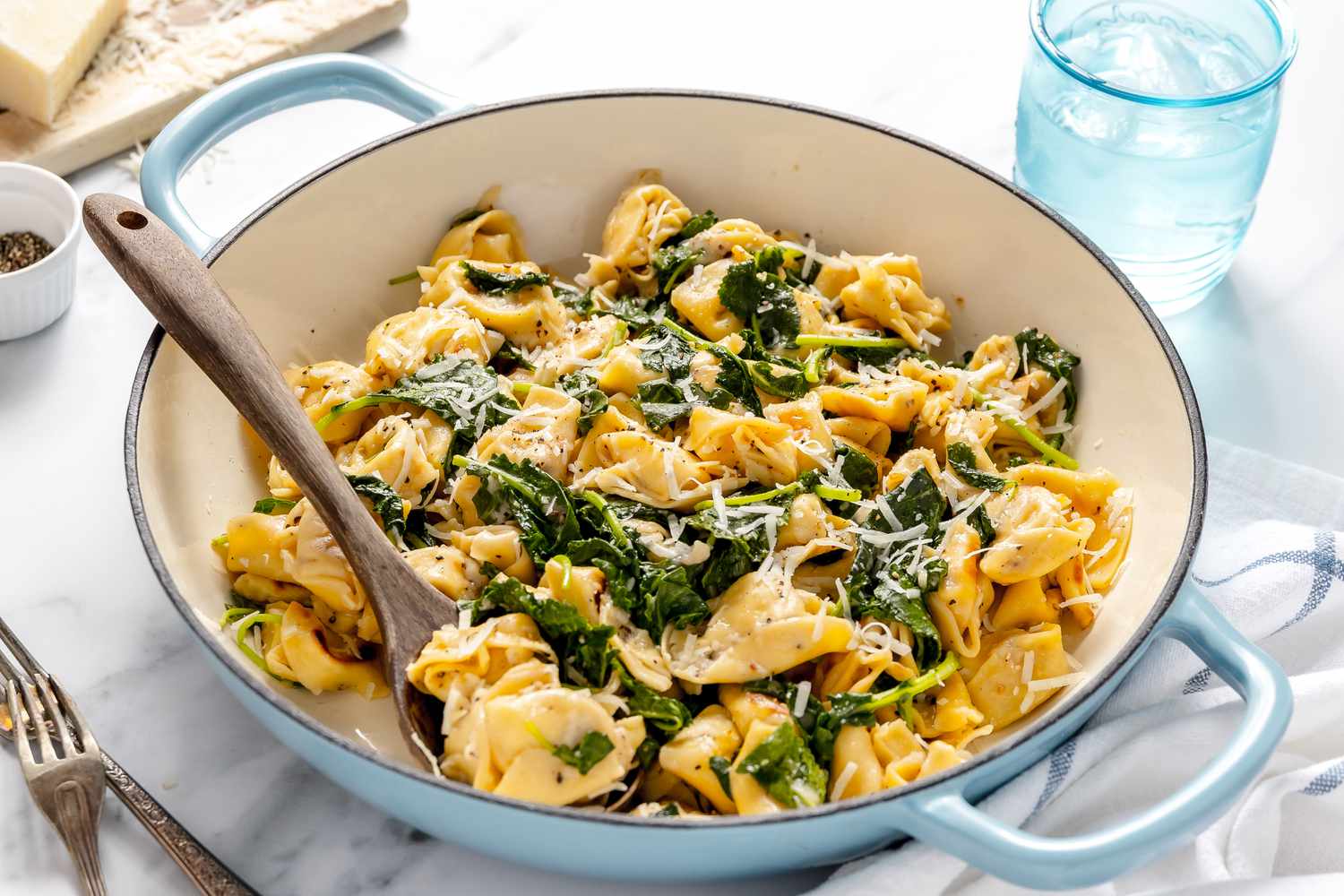
The method is simple: dredge, sear, sauce, bake. Yet the result feels festive enough for birthdays and soothing enough for rainy Tuesdays.
Flavor Analysis
The crust shatters, releasing nutty aromas from toasted crumbs. Tomatoes lend bright acidity, balanced by the mellow sweetness of long simmering. Cheese stretches into silky threads, wrapping each bite in gentle salt and cream. Together, they compose a melody both familiar and exciting.
Conclusion
Every dinner recipe is a time capsule: it preserves the hands that stirred, the voices that laughed, and the landscapes that grew its ingredients. By honoring these stories, we turn ordinary weeknights into quiet celebrations of human connection.
Recommendations and Future Research
Curious cooks might explore:
1. How migrating communities adapt ancestral dishes to new soils and seasons.
2. Digital archives that safeguard fading family recipes before they disappear.
3. Balanced adaptations that keep tradition alive while meeting modern nutritional insight.
Through such gentle inquiry, tomorrow’s dinner can remain both a comfort and a discovery.