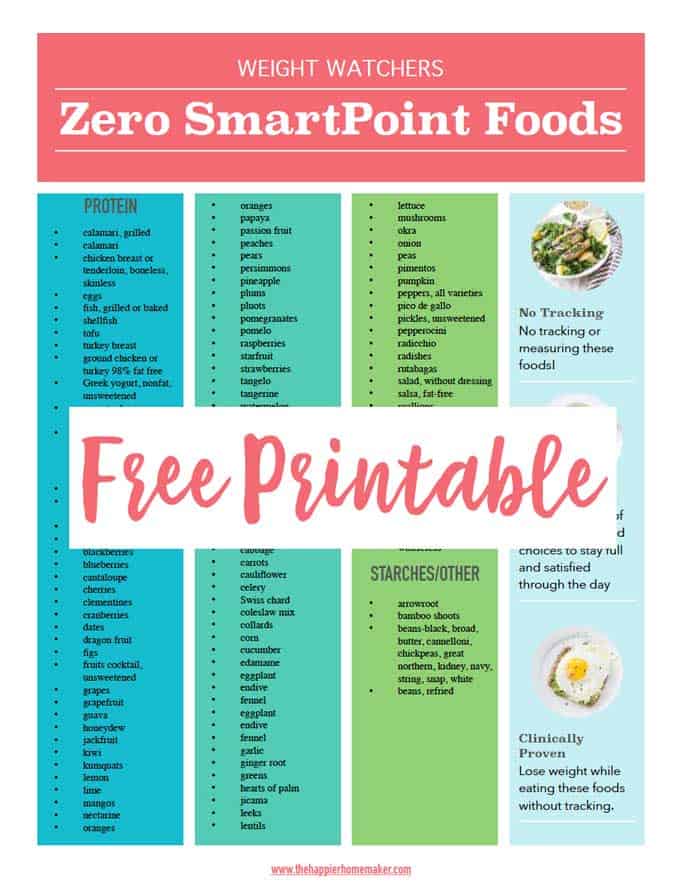
Zero-Point Foods Guide: A Practical Path to Balanced Eating
Introduction
Many structured wellness plans highlight certain foods that can be enjoyed freely while still supporting weight goals. These items—often called zero-point foods—form the backbone of flexible, nutrient-dense eating. This guide explains what these foods are, why they matter, and how to weave them into everyday meals for lasting results.
What Are Zero-Point Foods?
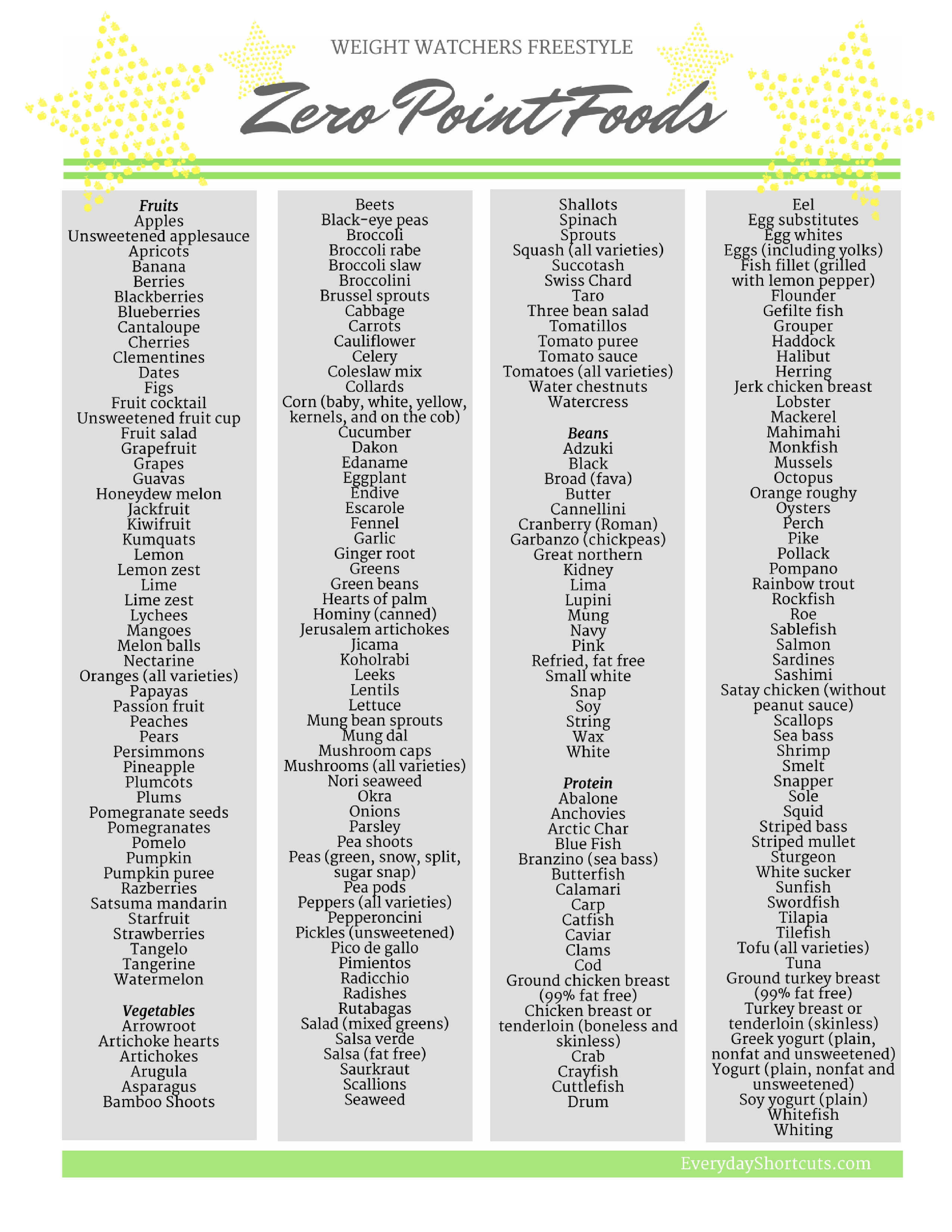
Zero-point foods are everyday ingredients assigned no tracking value within popular wellness programs. They are naturally low in calories and sugar yet rich in fiber, vitamins, or lean protein. Think fresh produce, skinless poultry, tofu, and whole grains eaten in their simplest forms.
Key Benefits
1. Encourages Nutrient-Dense Choices
By spotlighting fruits, vegetables, and lean proteins, the approach nudges eaters toward minimally processed options that deliver more nutrition per bite.
2. Simplifies Portion Awareness
Because these foods are gentle on the calorie budget, people can fill half the plate with them, leaving less room for higher-calorie extras.
3. Adds Mealtime Variety
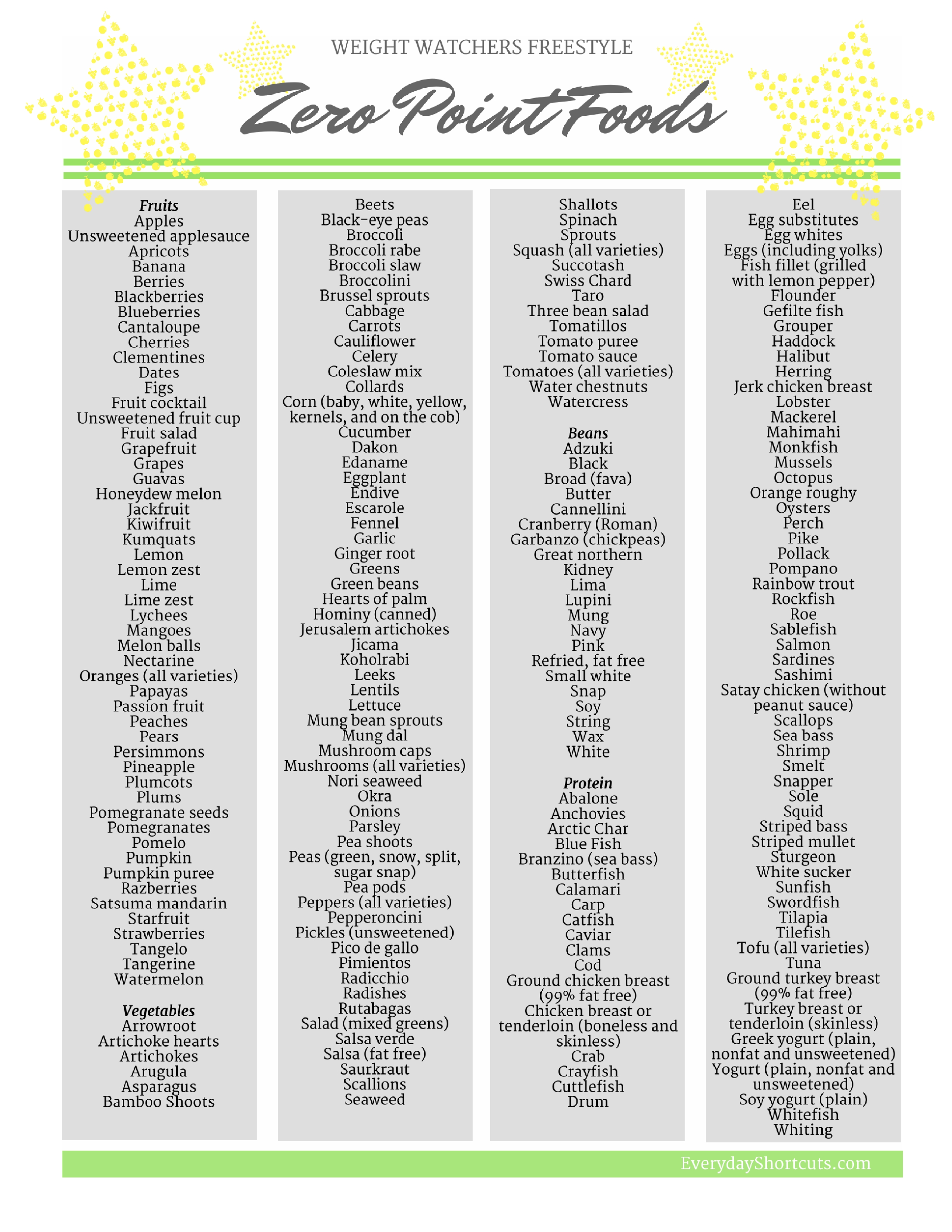
A long list of colorful produce and versatile proteins keeps menus lively, reducing the “diet fatigue” that can derail long-term progress.
Zero-Point Foods at a Glance
Fruits
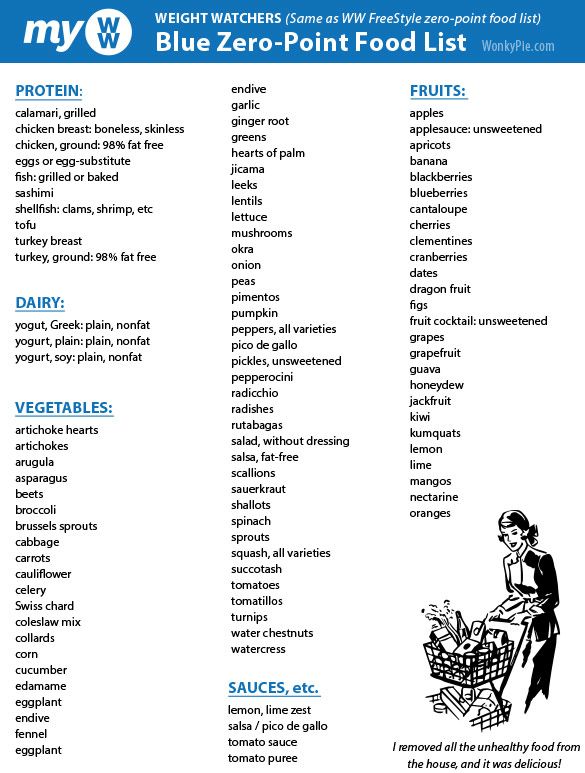
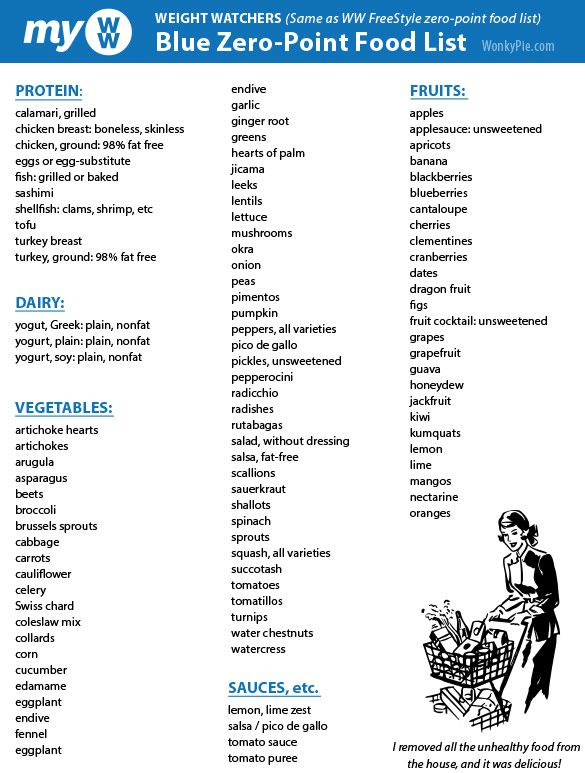
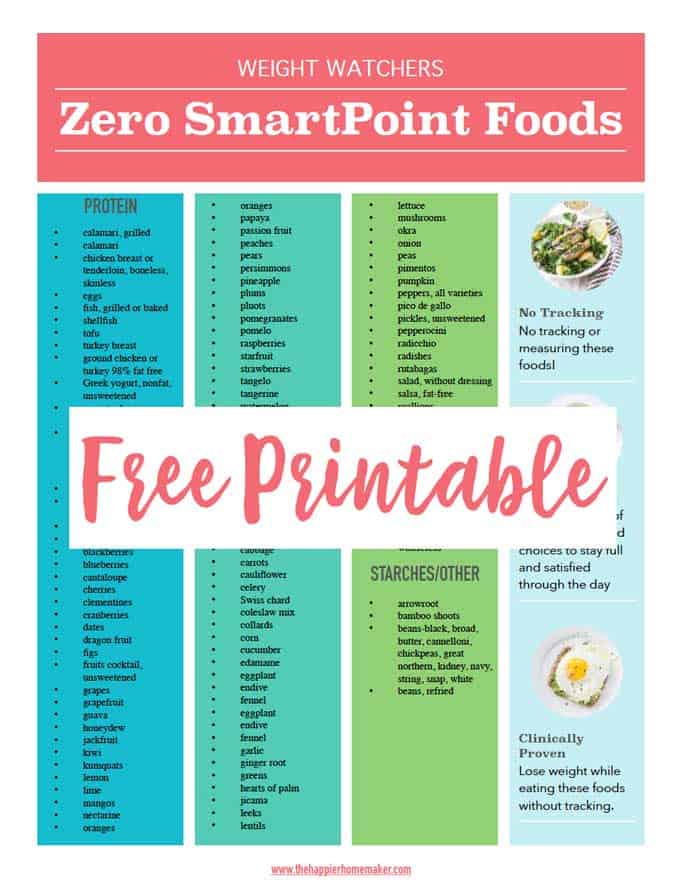
Apples, berries, citrus, and melon can be eaten whole, sliced into salads, or blended into smoothies. Aim for fresh or frozen versions without added syrup.
Vegetables
Leafy greens, cruciferous veggies, bell peppers, and carrots can be roasted, steamed, or eaten raw with herbs and spices for extra flavor.
Lean Proteins
Skinless chicken or turkey breast, eggs, tofu, and legumes supply satisfying protein that supports muscle maintenance and steady energy.
Whole Grains
Plain oats, brown rice, quinoa, and whole-wheat pasta count when served without butter or heavy sauces; they provide fiber that helps curb hunger.
How These Foods Support Weight Goals
Building meals around zero-point items can:
– Lower overall calorie density, making it easier to create the gentle deficit needed for gradual weight loss.
– Boost satiety thanks to high water and fiber content, so natural fullness sets in sooner.
– Raise daily intake of vitamins, minerals, and antioxidants linked to better energy and recovery.
Conclusion
Zero-point foods offer a straightforward strategy for anyone seeking balanced, sustainable eating habits. By filling your cart with colorful produce, lean proteins, and wholesome grains, you create meals that are satisfying, nutritious, and easy to enjoy for the long haul.
Future Research Directions
Studies could examine how consistent emphasis on zero-point foods influences dietary patterns, long-term weight maintenance, and markers of metabolic health across diverse populations.