

The Impact and Importance of Cooked Food in Human Nutrition
Introduction
Applying heat to ingredients has shaped human diets since prehistoric eras. This shift from raw to heated fare improved digestibility, safety, and flavor, laying the groundwork for countless culinary traditions. The following discussion outlines why cooked meals remain central to nourishment, highlights their advantages and possible drawbacks, and considers how they fit into contemporary eating patterns.
The Evolution of Cooking
The Historical Perspective
Early communities learned that grains, roots, and meats became softer and tastier when placed near fire. This simple observation reduced chewing time, lowered the risk of food-borne illness, and freed energy for brain development. Over millennia, techniques such as roasting, stewing, and fermenting spread across continents, giving rise to the rich diversity of cuisines enjoyed today.
The Nutritional Benefits of Cooking
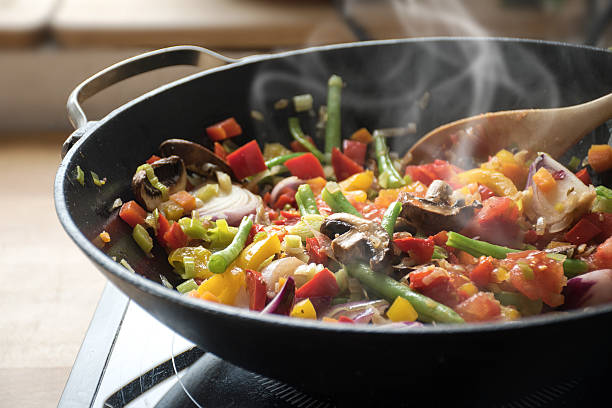
Heat can break down plant cell walls and neutralize natural toxins, allowing the body to access more minerals and antioxidants. Gentle simmering also kills many micro-organisms, making meals safer, especially for young children and older adults.
Improved Digestion and Nutrient Absorption
Warmth softens starch granules and unwinds complex proteins, easing the workload of teeth, stomach acid, and gut enzymes. As a result, people can obtain energy and amino acids more efficiently than from the same ingredients eaten raw.
Challenges and Concerns
Overcooking and Nutrient Loss
Extended exposure to high temperatures can degrade water-soluble vitamins and certain beneficial plant pigments. Choosing shorter cooking times, lower heat, or methods that retain liquid helps preserve these sensitive compounds.
Modern Cooking Techniques and Health Risks
Frequent consumption of heavily charred or deep-fried dishes may introduce compounds linked to oxidative stress. Balancing flavor goals with gentler techniques such as steaming or baking supports long-term wellness.
The Role of Cooked Food in Modern Diets
Adapting to Changing Lifestyles
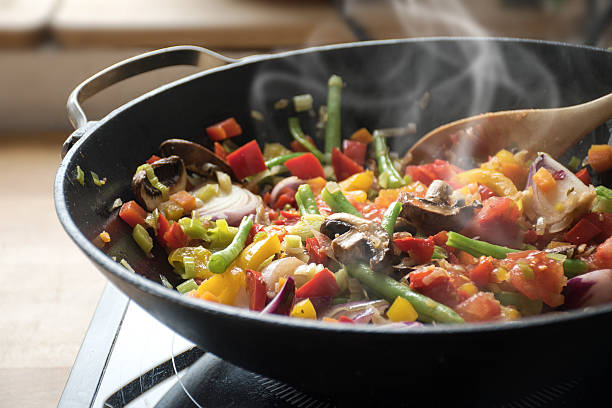
Urban routines often favor speed, leading many to rely on take-out or highly processed entrées. Reclaiming simple home cooking—batch soups, sheet-pan vegetables, or one-pot grains—can restore control over salt, fat, and overall nutrient density.
The Importance of Balanced Meals
A plate that pairs colorful produce with whole-grain carbohydrates, lean protein, and healthy fats delivers a spectrum of vitamins, fiber, and essential fatty acids. Variety remains the simplest insurance against hidden deficiencies.
Conclusion
Cooked food continues to underpin human health by enhancing safety, palatability, and nutrient availability. Mindful technique selection and thoughtful ingredient combinations allow modern eaters to enjoy these age-old advantages while minimizing potential downsides.

Recommendations and Future Research
To maximize benefits and reduce risks, consider the following guidance:
1. Favor gentle methods—steam, poach, or stir-fry—to limit vitamin loss and excess fat.
2. Rotate a wide assortment of vegetables, legumes, and whole grains to cover the full nutrient spectrum.
3. Limit very high-heat browning; pair it with plenty of plant-based sides rich in protective antioxidants.

4. Support continued study into how various culinary approaches influence both nutrient retention and chronic-disease risk.
In summary, cooked meals remain a cornerstone of balanced nutrition. By blending traditional wisdom with current evidence, individuals can craft enjoyable, health-promoting menus for everyday life.


