Title: The Meaning and Influence of Signature Dishes Across Cultures
Introduction:
Every society treasures dishes that appear only at certain moments—holidays, births, harvests, or prayers. These plates carry stories, values, and even hopes for good fortune. This article looks at why such foods matter, how they shape identity, and what happens when modern life speeds past them.
1. Sacred Flavors
In many faiths, meals become rituals. Sweets shared after dusk during a festival of lights symbolize the victory of brightness over darkness. A simple loaf and cup shared in remembrance keep an ancient act of love alive. When the daily fast ends at sunset, families gather around steaming bowls that do more than fill the stomach—they reaffirm community. Through taste, belief is passed to the next generation.
2. Foods That Gather People
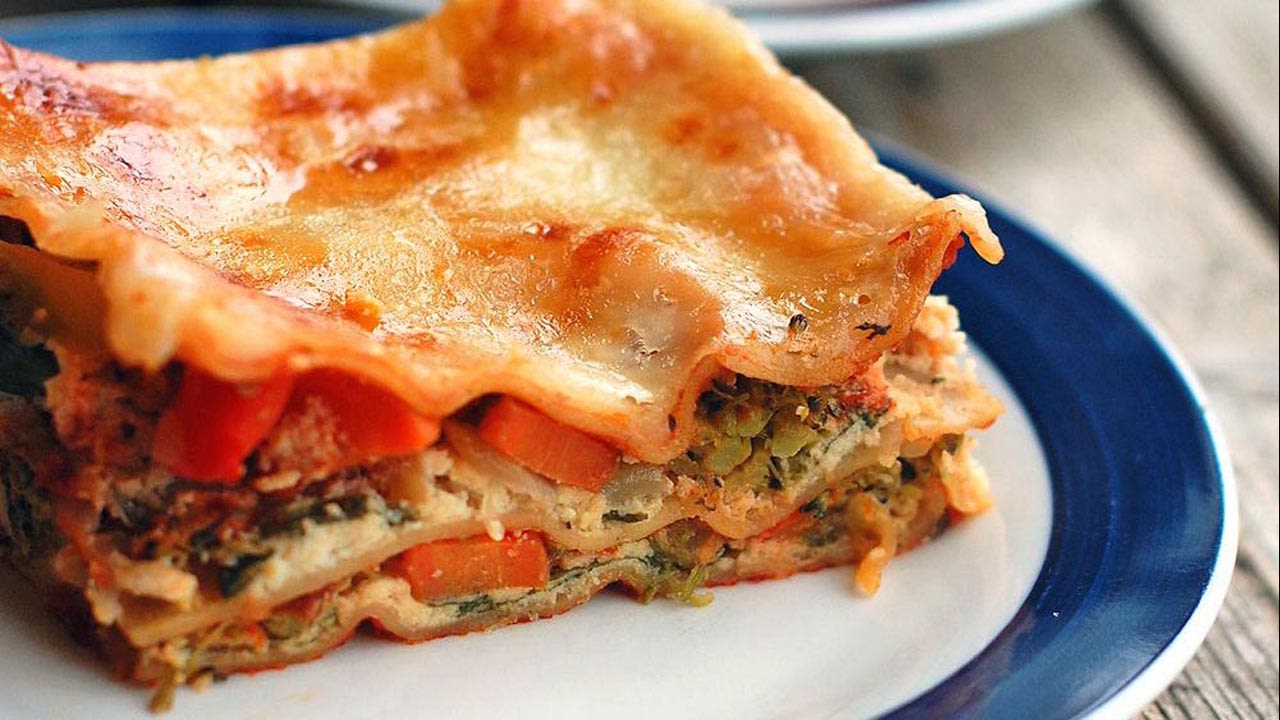
Birthdays need cake, weddings need layered pastries, and harvest moons need round desserts stamped with good wishes. These treats turn private joy into public celebration. In one village, a slow-baked pasta dish means “we made it through winter together”; in another, tiny round cakes say “may we reunite next year.” The recipe itself is a guest list, inviting ancestors and newcomers to the same table.
3. Nourishment Beyond Calories
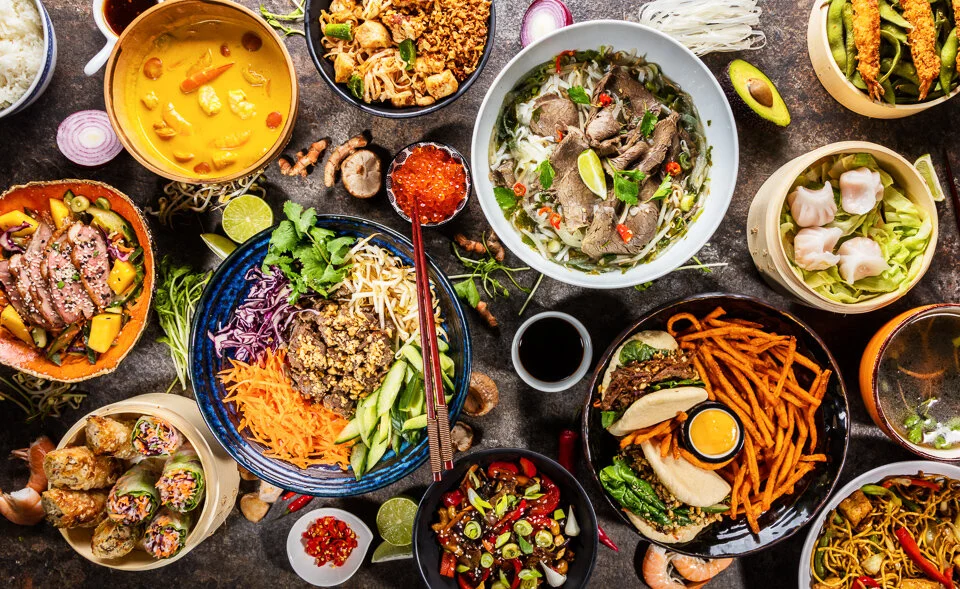
Traditional plates often balance grains, vegetables, and spices in ways modern science now praises. Fermented sides aid digestion; bright herbs supply antioxidants; fish cooked in gentle oils protects the heart. Cooking together also calms the mind: chopping, stirring, and sharing aromas lower stress and lift mood. A meal can be medicine long before it reaches the plate.
4. Global Bites and Vanishing Tastes
As burgers and instant noodles cross borders, grandma’s stew can feel slow and out of step. Younger diners reach for speed, risking the loss of flavors that once defined home. Yet chefs, teachers, and village elders are recording old methods, hosting pop-up dinners, and teaching schoolchildren to grind spices by hand. Each saved recipe is a small victory against forgetting.
5. Conclusion
Signature dishes are edible diaries. They remind us who we were during harvest, prayer, or reunion, and they show us who we wish to become. Protecting them is not about refusing change; it is about keeping choice alive—so that tomorrow’s lunch can still carry yesterday’s love.
By savoring these foods, we keep diversity on the tongue and, more importantly, in the stories we tell our children while the pot simmers.
Next Steps
Curious minds can:
1. Map local festival foods and compare their symbolic roles across regions.
2. Design school projects where students cook ancestral recipes and film the stories behind them.
3. Partner with health workers to document nutritional profiles of traditional meals.
4. Support small eateries that cook heritage dishes, ensuring recipes stay in daily life rather than museums.
Every shared bite is a quiet act of cultural conservation—and a promise that tomorrow’s tables will still taste of home.