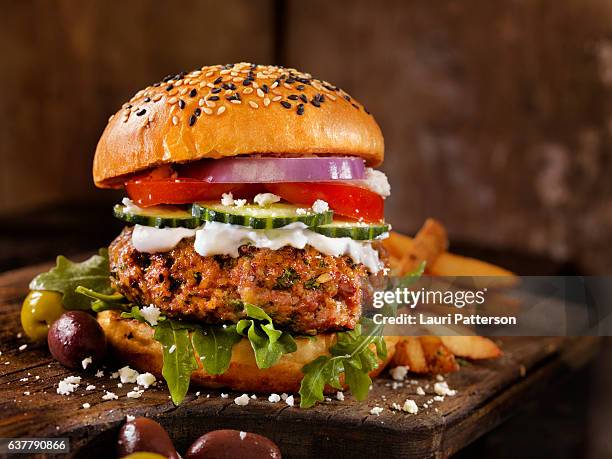
The Allure of Appetizing Food Photos: A Visual Feast for the Senses
Introduction
Culinary creativity has long fascinated people everywhere. Among its most magnetic features is the way dishes look, an appeal amplified by skilled photography. Mouth-watering food photos now flood social feeds, blogs, and ads. This piece examines why these images matter, how they guide choices, and the trends they inspire.
The Power of Visuals in Food Culture
The Impact of Food Photography on Consumer Perception
Images of food can spark emotion and awaken the senses. Research confirms that sight shapes how we anticipate flavor. A colorful, well-lit plate often seems tastier than the same dish poorly presented, because the brain links visual cues to sensory reward.
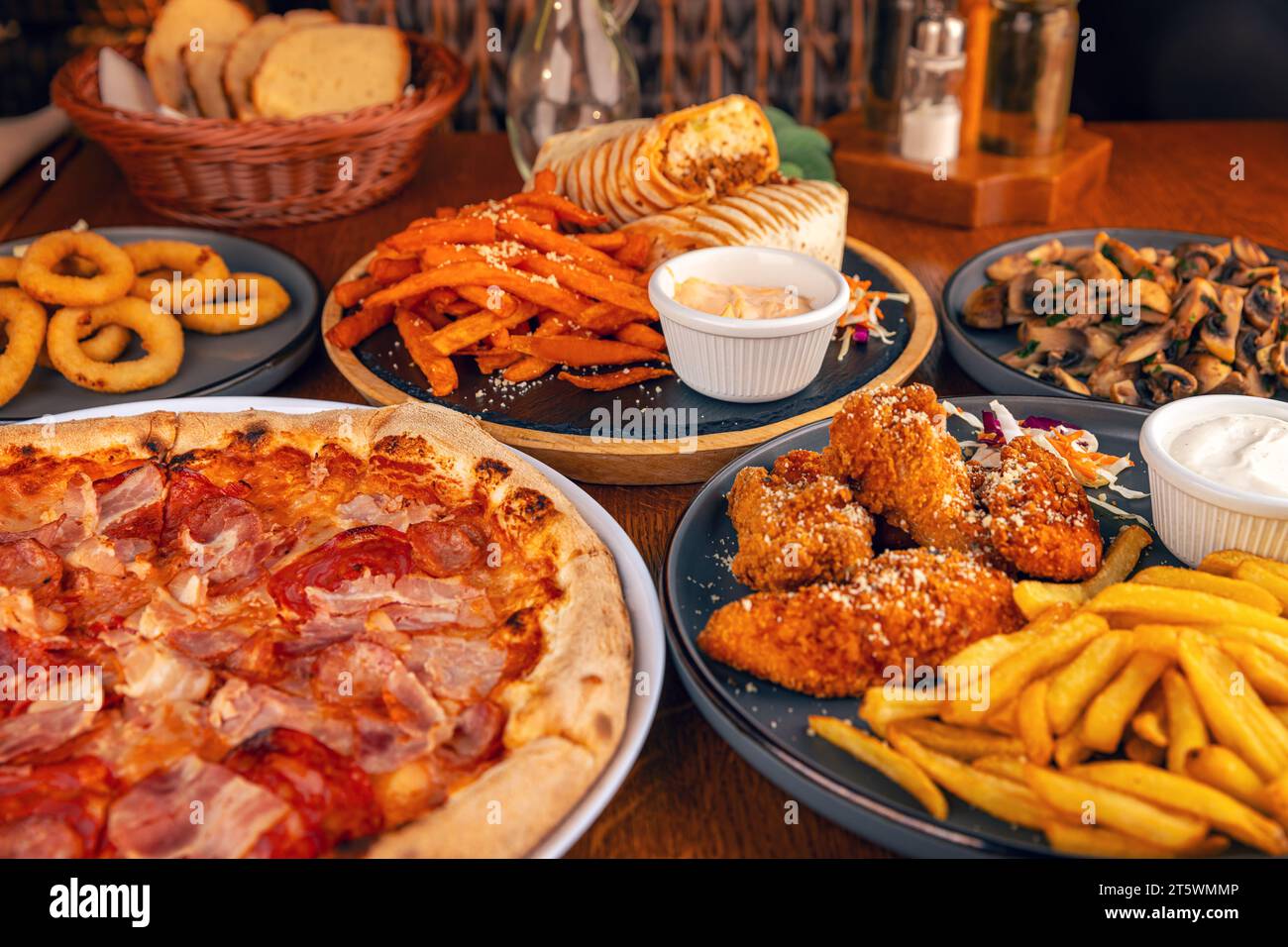
Experiments show that hue and surface texture sway expectations. A glossy red apple, for instance, is commonly judged sweeter than a dull green one of identical variety, illustrating how photos can steer preference.
The Role of Social Media in Food Photography
Platforms built for imagery have turned into global galleries of cuisine. Home cooks, travelers, and chefs post their creations for millions to admire. This visibility has nurtured countless content creators who specialize in crave-worthy shots.
Industry forecasts suggest that interest in food and drink content on major networks will keep climbing, underscoring the persuasive reach of a single frame.
The Influence of Food Photography on Culinary Trends
Shaping Culinary Aesthetics
Striking photos now set the pace for what appears on plates. Cooks experiment with bold colors, playful shapes, and modern plating so their offerings stand out in an endless scroll. These visual experiments quickly ripple into mainstream kitchens.
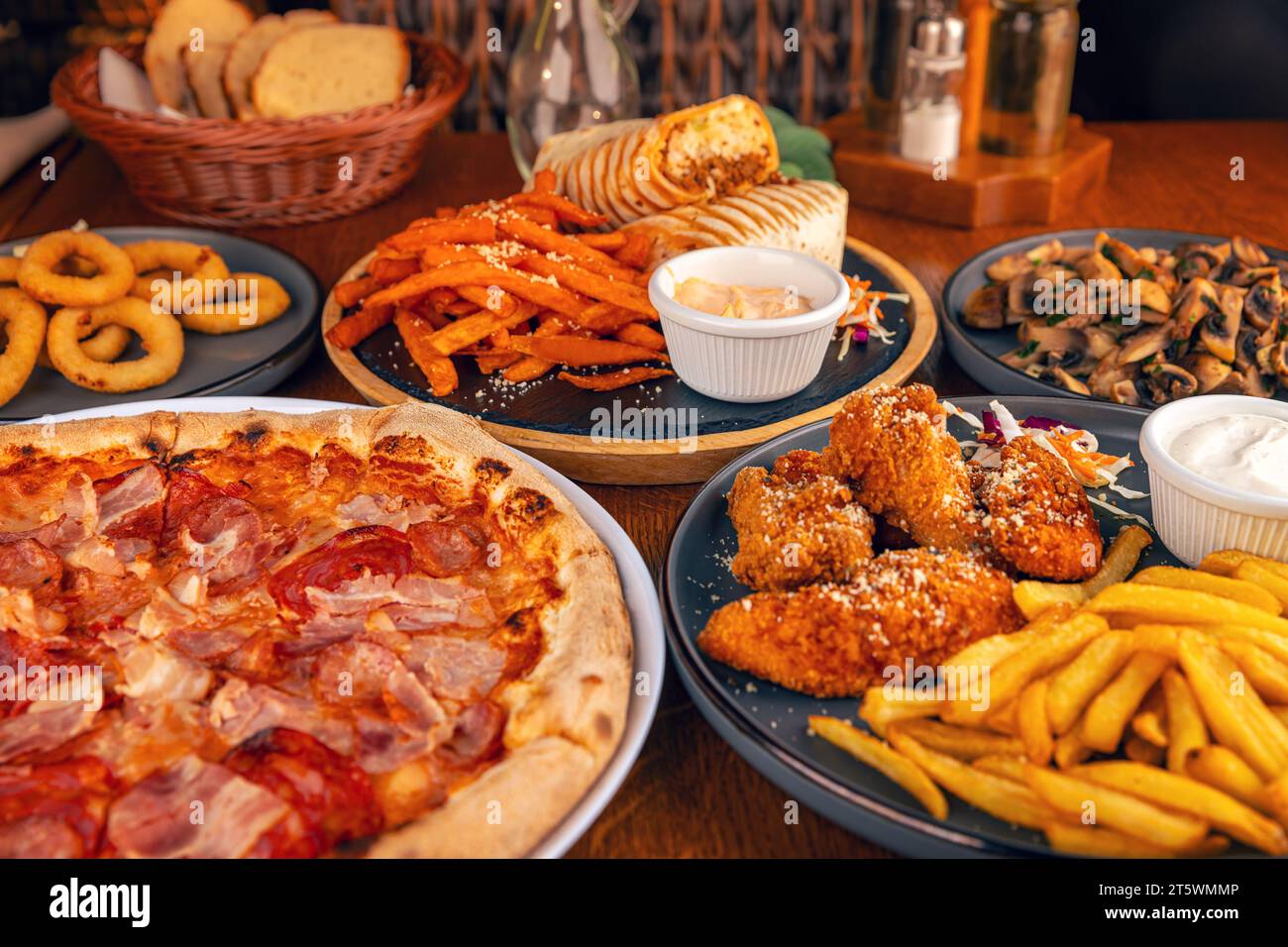
The Role of Food Photography in Restaurant Marketing
Eateries regularly refresh menus and ads with professional shots, knowing that enticing imagery can turn online viewers into seated guests. Surveys indicate that a strong photo gallery is one of the most effective invitations a restaurant can offer.
The Challenges and Ethical Considerations of Food Photography
The Pressure to Perfect
The race for likes can push creators toward heavy styling or digital tweaks that stretch the truth. When the final plate bears little resemblance to the promoted picture, diners may feel misled.
The Importance of Authenticity
A counter-movement favors natural light, minimal retouching, and honest portions. This transparent approach builds trust and celebrates food as it truly is.
Conclusion
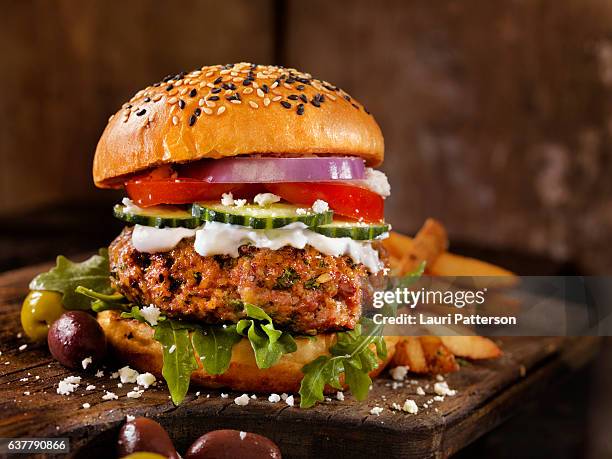
Compelling food imagery is now woven into modern dining culture, guiding appetites, inspiring chefs, and redefining beauty on the plate. While the temptation to over-polish remains, the call for genuine representation grows louder.
As visual platforms evolve, the shared language of food photos will continue to shape how we discover, desire, and enjoy meals.
Future Directions
Tomorrow’s food photography will likely balance innovation with integrity. Emerging tools may refine color and texture without distortion, while immersive tech could let audiences almost taste a dish through a headset. Whatever the medium, the goal will stay the same: celebrate flavor through sight, honestly and irresistibly.
In the end, a powerful food photograph is more than eye candy; it is a cultural snapshot, inviting everyone to the table.