

The Mediterranean Diet: A Treasure Trove of Recipes and Health Benefits
Introduction
The Mediterranean diet, inspired by the traditional eating patterns of coastal communities in southern Europe and the Levant, has become a global favorite. Built around seasonal produce, whole grains, legumes, nuts, olive oil, and seafood, it is praised for supporting cardiovascular wellness, steady weight, and long-term vitality. This overview highlights its key advantages, suggests trusted recipe collections, and offers simple ways to welcome its flavors into everyday meals.
The Benefits of the Mediterranean Diet
Heart Health
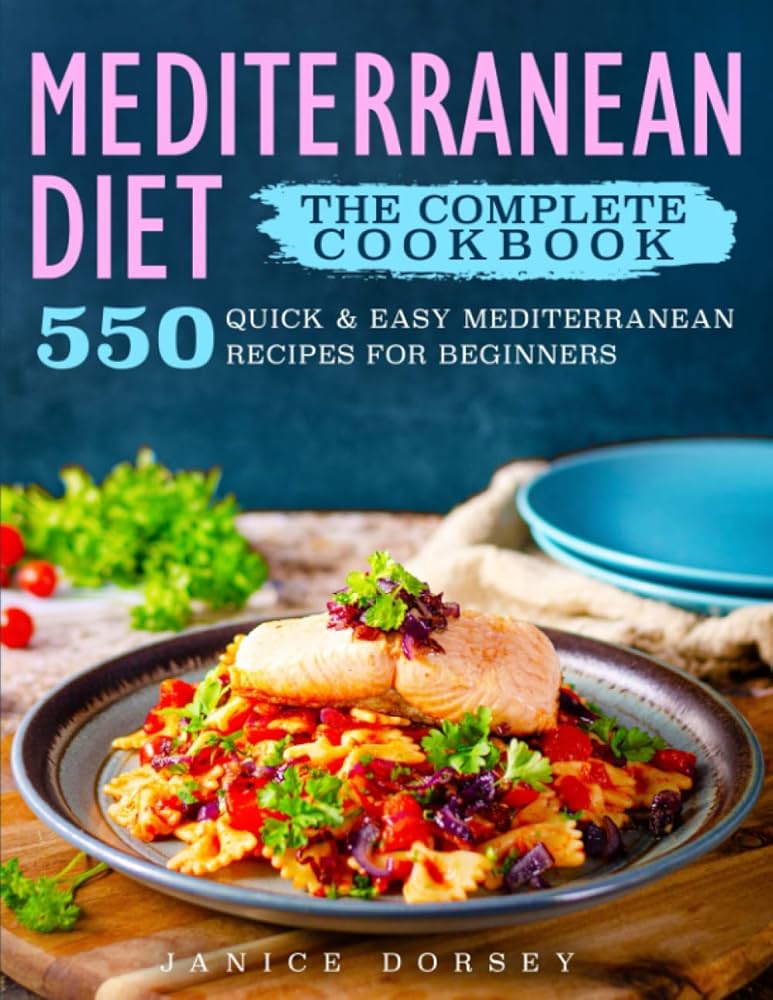
Regular followers of this eating style often see healthier cholesterol profiles and lower blood pressure. Generous use of extra-virgin olive oil, daily handfuls of nuts, and two or three servings of fish each week deliver heart-friendly mono-unsaturated and omega-3 fats that calm inflammation and keep arteries flexible.
Reduced Risk of Chronic Diseases
By centering the plate on fiber-rich plants and minimizing heavily processed snacks and sweets, the diet helps steady blood sugar, trim waistlines, and lower markers tied to common chronic illnesses. Shared meals and moderate, mindful sips of red wine may add extra protection by easing stress and supporting metabolism.
Improved Cognitive Function
Colorful fruits, leafy greens, and herbs supply antioxidants that shield brain cells from oxidative damage. Over time, this protective environment is linked to sharper memory and slower cognitive aging, allowing people to stay active and independent longer.
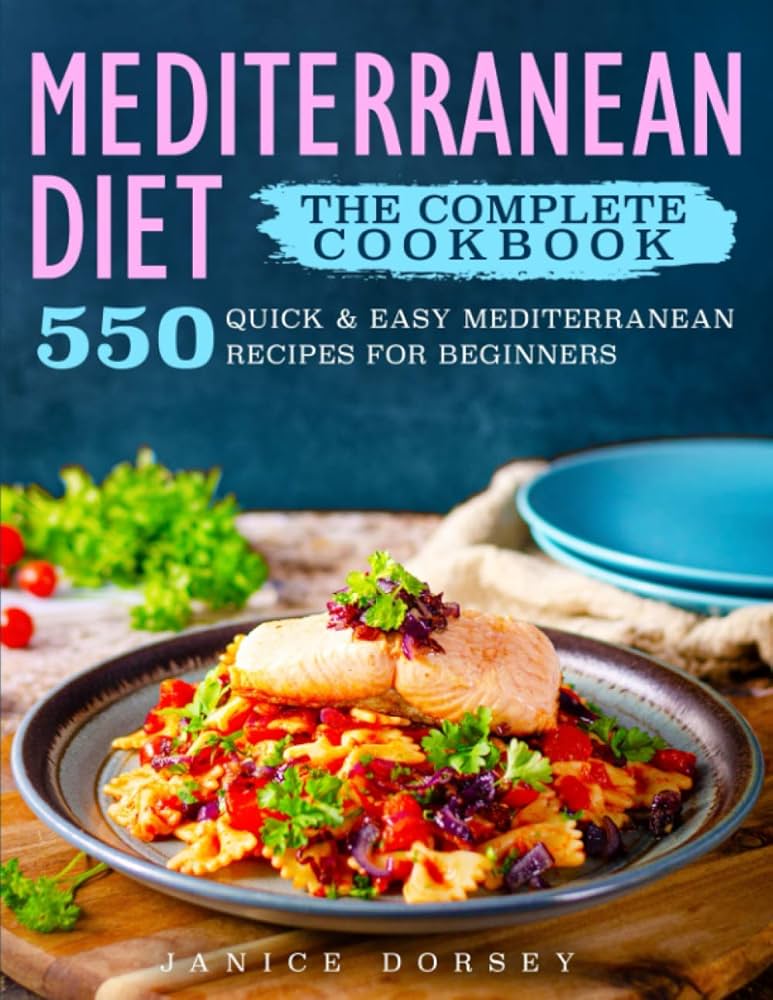
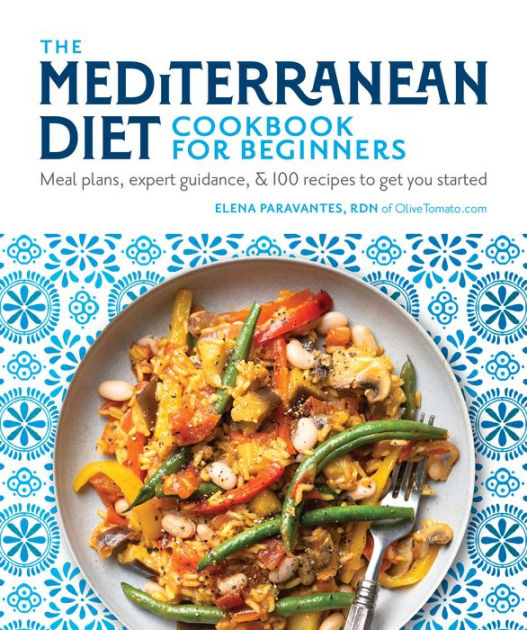
The Best Mediterranean Diet Recipes Books
A Modern Guide to the Mediterranean Table
This beginner-friendly volume walks readers through pantry staples, weekly menu templates, and more than 150 straightforward recipes—think tomato-pepper braised beans, citrusy grilled fish, and honey-sweetened yogurt with figs. Clear shopping lists make the transition effortless.
The Mediterranean Kitchen: Regional Dishes for Home Cooks
Written by a celebrated culinary traveler, this heavyweight collection spans over 500 dishes from Spain to Syria. Detailed headnotes explain spice blends, grain choices, and traditional techniques, inviting curious cooks to recreate authentic flavors at home.
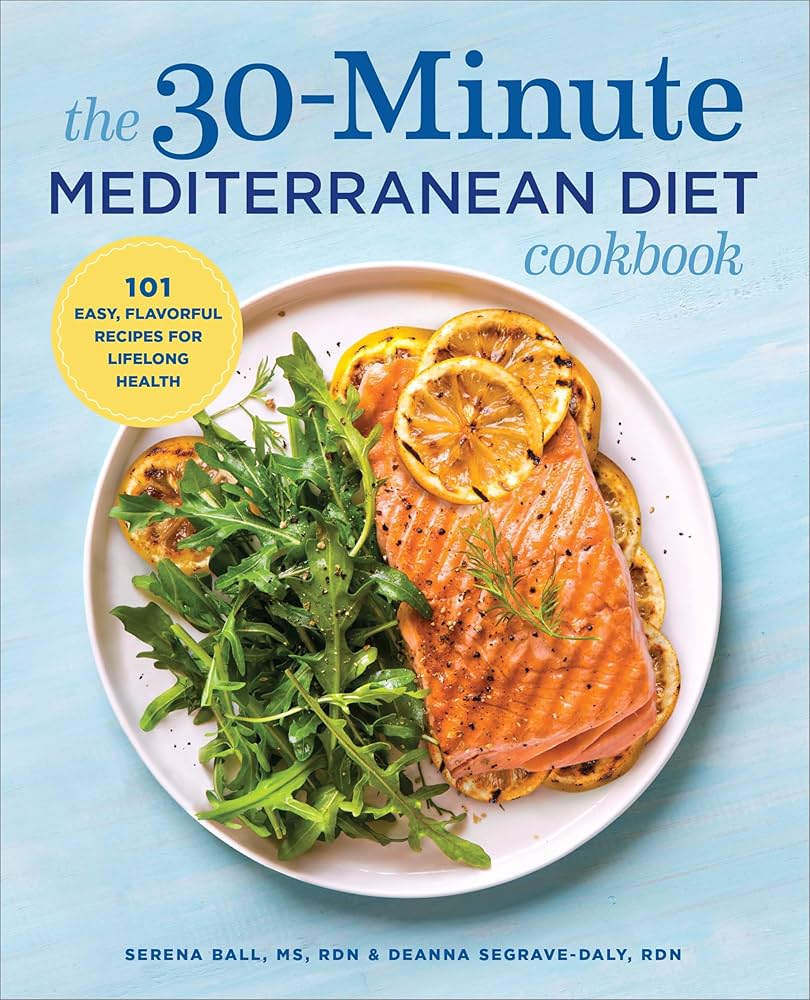
Mediterranean Plant-Based: Fresh Recipes from the Old World
Focusing on vegetable-forward meals, this title celebrates rustic pies, herb-stuffed peppers, and olive-oil cakes. Short essays on local food culture accompany each chapter, turning every recipe into a mini-vacation for the senses.
Incorporating the Mediterranean Diet into Your Daily Life
Start with Small Changes
Swap white bread for crusty whole-grain loaves, trade soda for sparkling water with mint, and finish vegetables with a splash of olive oil instead of a pat of butter. These micro-shifts add up quickly and do not require a complete kitchen overhaul.
Plan Your Meals
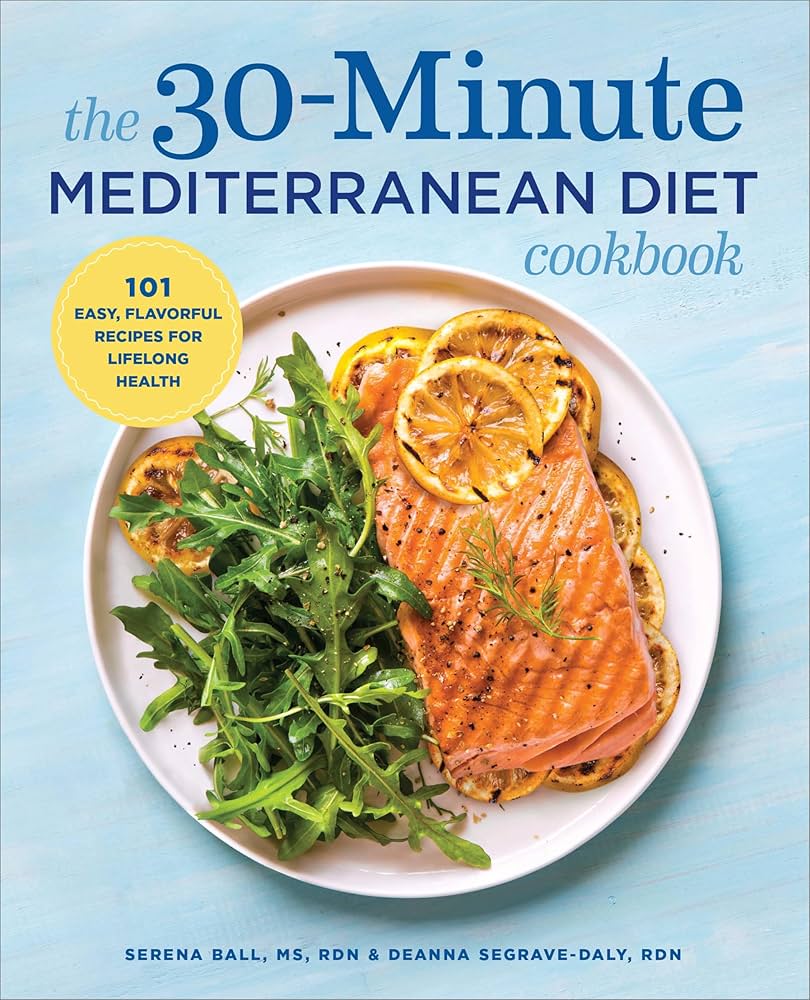
Dedicate twenty minutes each weekend to sketch a flexible menu: roasted vegetables for grain bowls, lentil soup for busy nights, and a simple baked fish for a weekend treat. A loose plan prevents last-minute takeout and keeps produce from wilting in the fridge.
Enjoy Social Eating
Set the table, turn off screens, and share food with family, neighbors, or friends whenever possible. Lingering conversation between bites slows the meal, aids digestion, and turns healthy eating into a joyful ritual rather than a chore.
Conclusion
The Mediterranean diet offers a delicious, sustainable path to lifelong wellness. By welcoming more plants, healthy fats, and convivial moments to the table, anyone can harvest its rewards—one vibrant dish at a time.



