

The Impact of Culinary Television on Modern Food Culture
Introduction
Television has reshaped how we discover, prepare, and talk about food. Among the many channels dedicated to eating and cooking, one network in particular has become a cultural touchstone, guiding home cooks and professionals alike. This article explores how round-the-clock culinary programming has redefined kitchen habits, sparked new trends, and influenced everything from supermarket shelves to restaurant menus.
The Evolution of Food-Focused Broadcasting
1.1 Founding and Early Years

In the early 1990s, a small channel devoted entirely to cooking quietly launched on cable line-ups. Its mission was simple: celebrate food through storytelling and instruction. Initial shows emphasized basic techniques, friendly hosts, and the comforting rhythm of chopping, stirring, and tasting. Viewers responded enthusiastically, proving that appetites for culinary content were far larger than anyone had predicted.
1.2 Expansion and Diversification
Encouraged by early ratings, the channel gradually widened its lens. Competition series entered the mix, pitting chefs against the clock, while travelogues explored street-food stalls on distant continents. Lifestyle segments covered table setting, pantry organization, and budget meal planning. This variety attracted broader demographics and kept the schedule fresh, ensuring that both seasoned gourmets and curious novices found reasons to tune in.
The Influence on Home-Kitchen Trends
2.1 Charismatic Cooks and their Reach

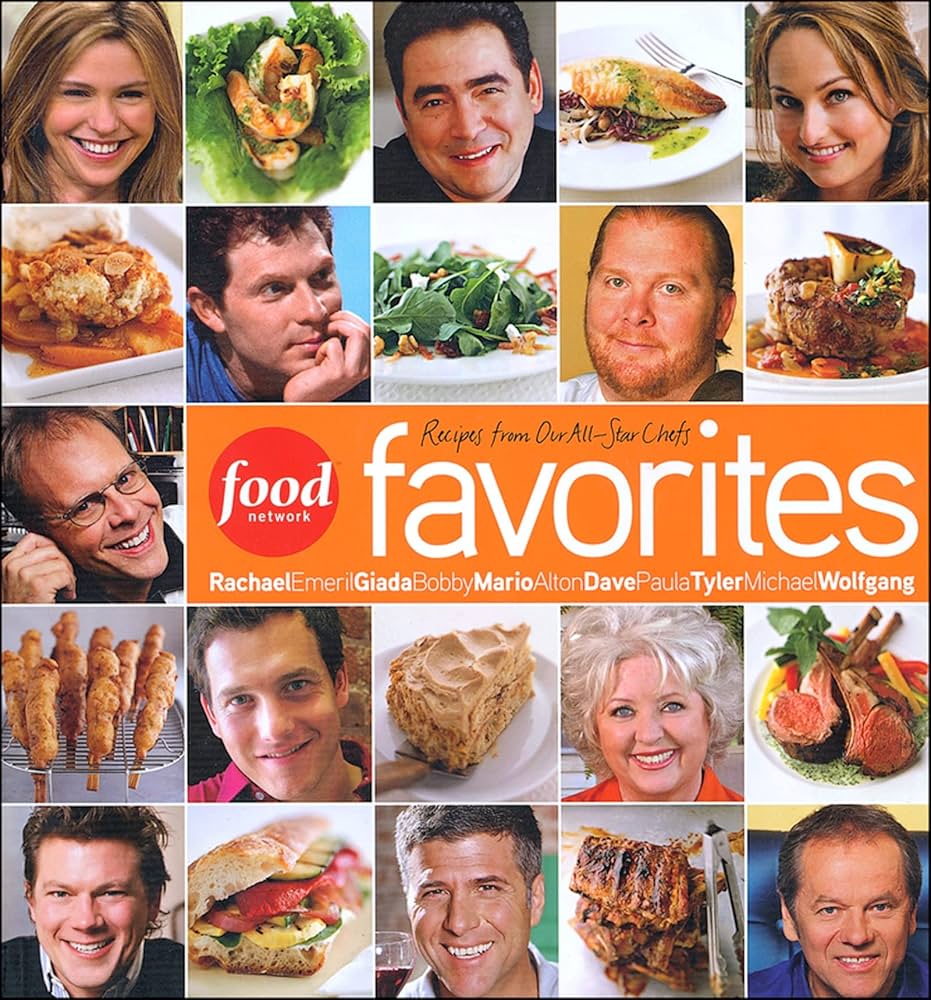
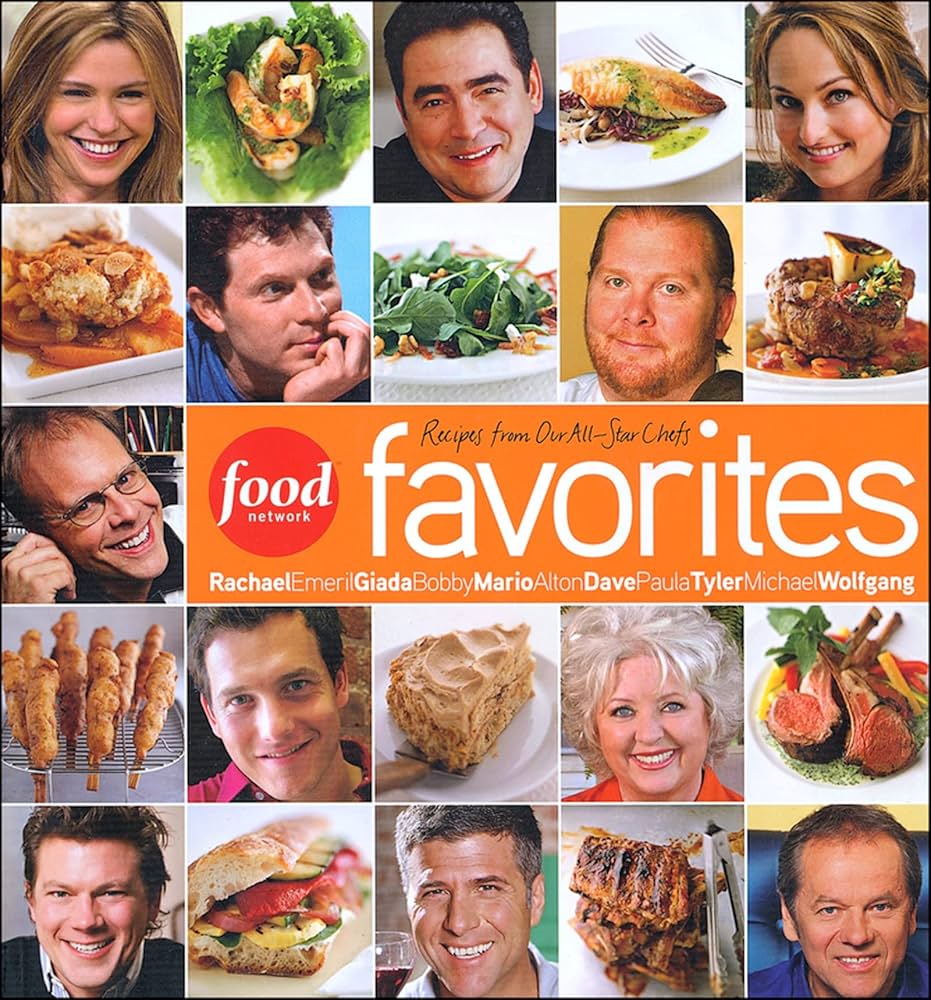
By giving chefs a regular spotlight, the channel turned culinary skill into popular entertainment. Relatable personalities shared week-night shortcuts, while adventurous innovators encouraged viewers to try unfamiliar spices or fermentation projects. Cookbooks flew off shelves, cookware lines sold out, and dinner parties began replicating dishes that had aired the night before.
2.2 Recipe Circulation and Technique Sharing
Step-by-step demonstrations demystified once-intimidating recipes. One episode might normalize homemade pasta; another could popularize sheet-pan suppers. Short video clips uploaded online extended the life of each tutorial, allowing techniques to circulate through social feeds long after broadcast. The result was a collective upgrade in home-cooking confidence and creativity.
The Ripple Effect Across the Food Industry
3.1 Brand Visibility and Product Placement
Ingredient brands quickly recognized the power of a televised endorsement. A single segment featuring an artisanal hot sauce or heritage grain could trigger nationwide shortages. Sponsored integrations became subtle yet potent marketing tools, guiding shoppers toward specific oils, gadgets, or spice blends without the hard sell of traditional advertising.
3.2 Educational Opportunities
Beyond entertainment, the channel evolved into an informal classroom. Viewers learned knife skills, plating aesthetics, and the science of baking. Specialty mini-series tackled dietary restrictions, budget cooking, and zero-waste techniques. Online portals later supplemented broadcasts with printable recipes and technique glossaries, reinforcing lessons at the viewer’s own pace.
Engaging Audiences Beyond the Screen
4.1 Digital Community Building
Social platforms extended the conversation. Hashtags invited fans to post their attempts at televised dishes, fostering a feedback loop of inspiration and praise. Live Q&A sessions allowed enthusiasts to troubleshoot curdled sauces or ask about substitutions, creating a sense of mentorship that transcended geography.
4.2 Collaborative Projects
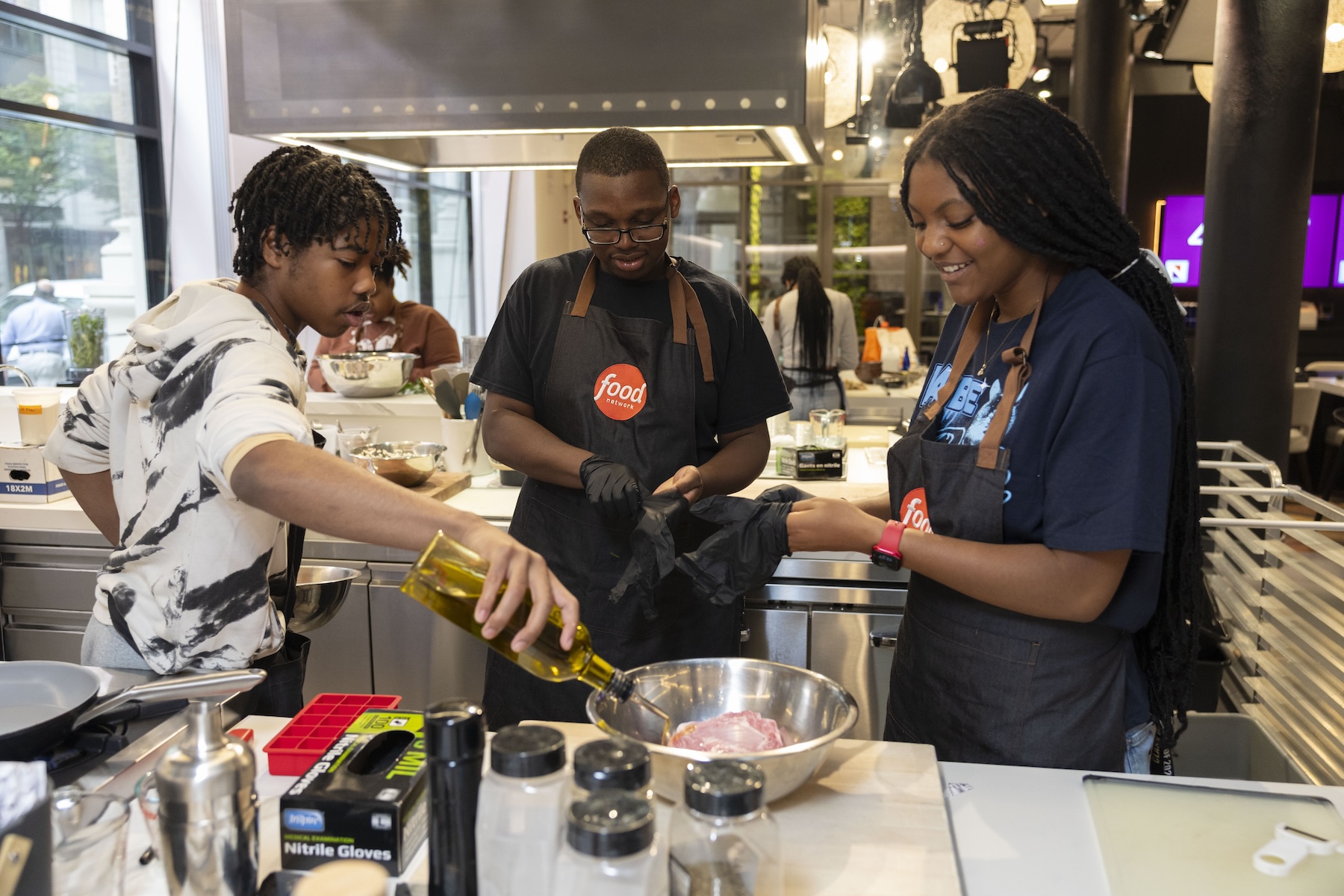
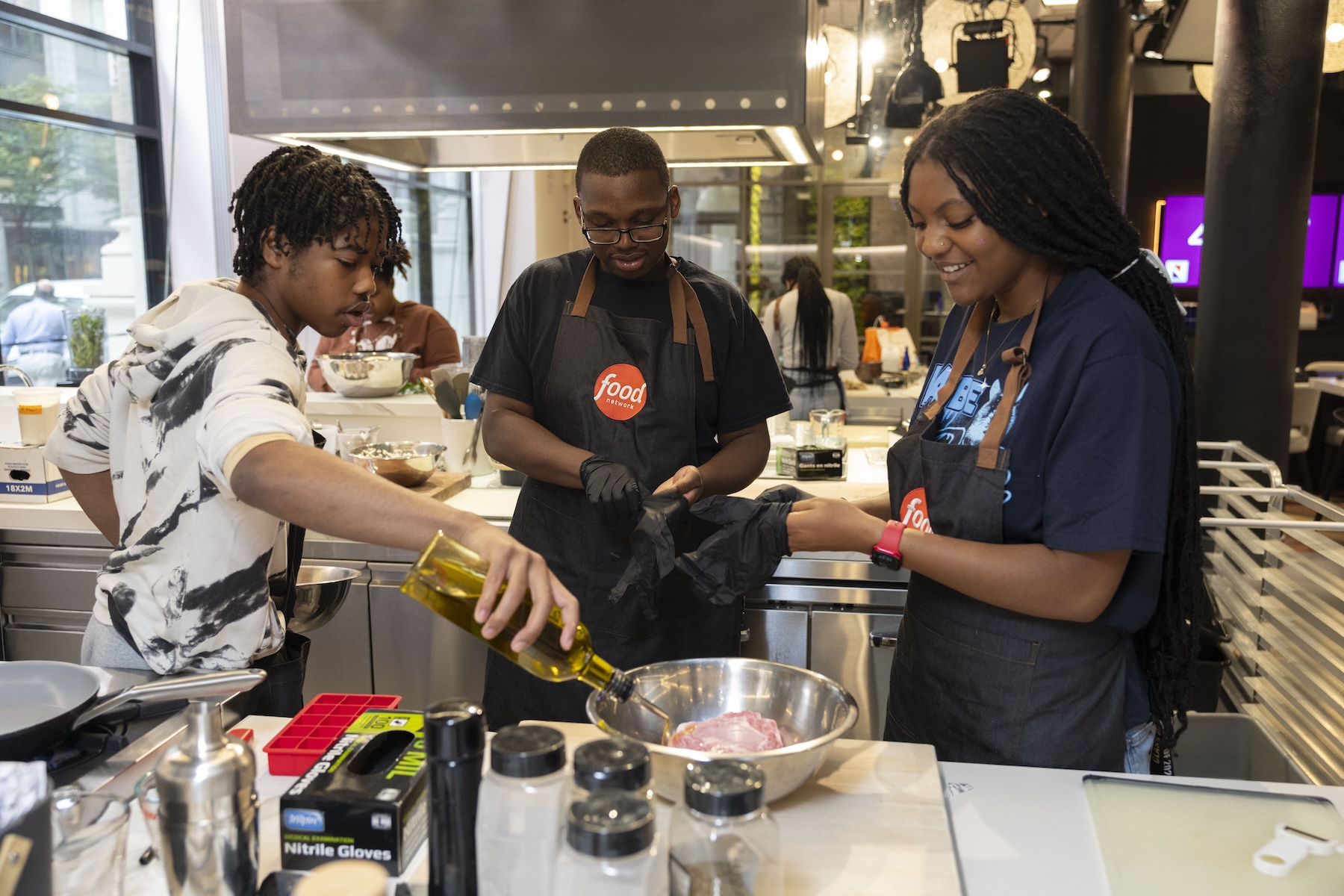
Partnerships with food festivals, culinary schools, and pop-up events translated screen appeal into real-world experiences. Popularity contests sent winning home cooks on immersive food tours, while joint campaigns with appliance makers yielded co-branded merchandise. These alliances kept the brand dynamic and responsive to shifting consumer interests.
Conclusion
Culinary television has seasoned popular culture in ways that reach far beyond the living room. By celebrating chefs, democratizing techniques, and sparking nationwide cravings, it has nudged supermarkets, restaurants, and dinner tables toward new flavors and fresher approaches. As viewing habits migrate to streaming and on-demand formats, the appetite for engaging food content shows no sign of shrinking, promising continued innovation at the intersection of media and mealtime.
Recommendations and Future Research
To keep the momentum alive, channels and producers might consider the following steps:
1. Broaden cultural representation: Spotlighting more regional cuisines and under-represented cooks can deepen global appreciation and authenticity.
2. Embrace immersive tech: Augmented-reality apps could overlay step-by-step guidance onto a user’s own stove, bridging the gap between screen and stovetop.
3. Champion sustainable choices: Episodes devoted to plant-forward menus, responsible sourcing, and waste reduction can inspire eco-conscious cooking without moralizing.
Future studies could investigate:
1. Long-term shifts in consumer purchasing traced to specific program themes or episodes.
2. The role of culinary media in preserving heritage recipes and supporting small food producers.
3. Emerging formats such as short-form vertical video and interactive live streams, and their potential to become the next standard for culinary instruction.


